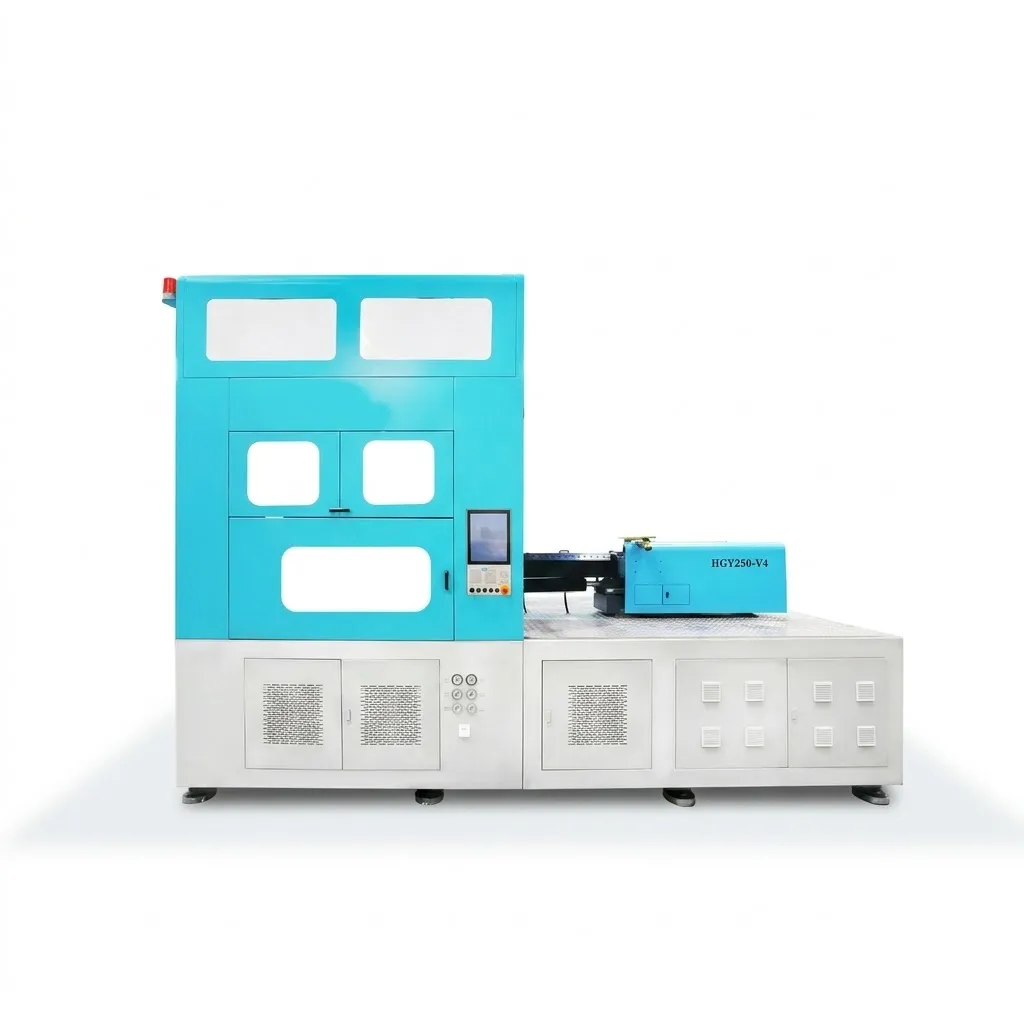
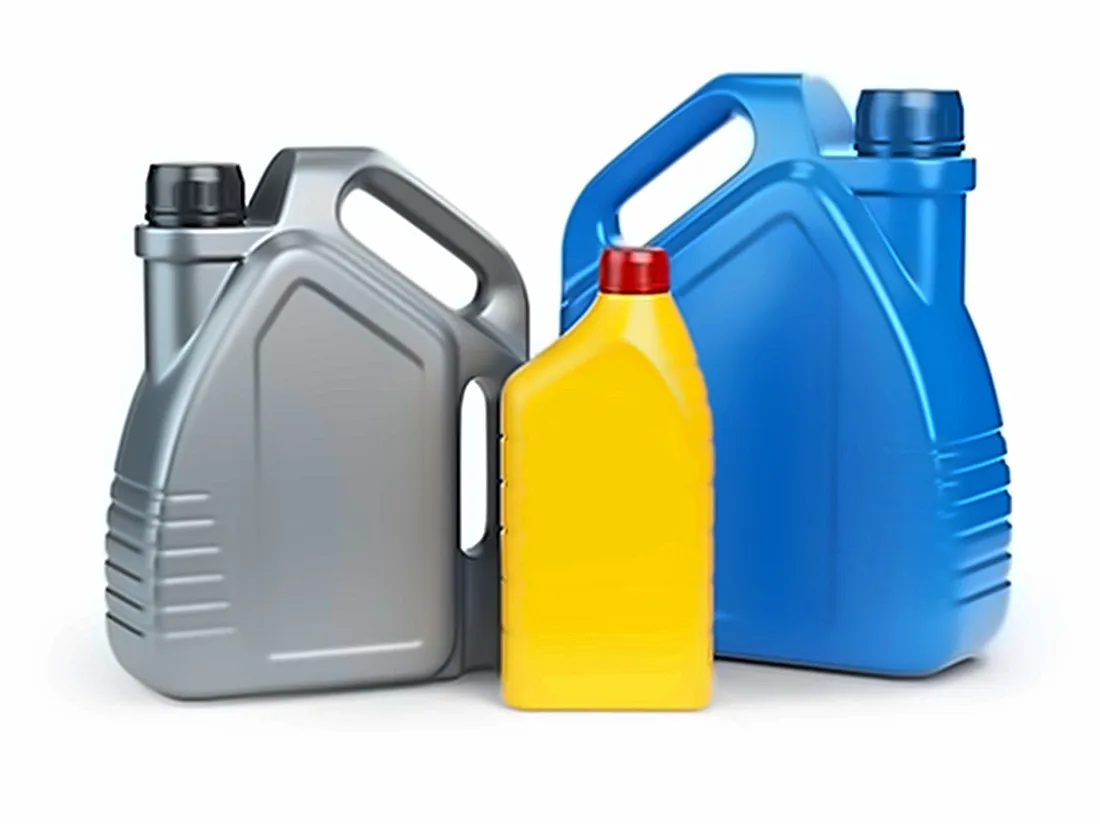
Battery electrolyte — aqueous sulphuric acid at concentrations of 28–37% by weight (specific gravity 1.20–1.28 g/cm³) — is among the most chemically aggressive liquids packaged in the automotive aftermarket. Its combination of strong acidity, high density, oxidising character and regulated corrosive dangerous goods classification imposes a packaging specification that simultaneously demands extraordinary chemical resistance, hermetic acid-vapour sealing, precise dosing geometry and impact resistance sufficient for the rough handling that automotive battery service environments routinely deliver. Lead-acid battery refilling and activation — still widespread across Australia’s agricultural, marine, motorcycle and commercial vehicle sectors — requires the packaging to deliver this demanding fluid safely, accurately and without the acid contamination events that poorly specified containers produce. Injection stretch blow molding provides the acid-resistant PET geometry, precision neck finish and barrier performance that battery electrolyte packaging requires at the production volumes and cost structures that the automotive aftermarket demands.
Sulphuric Acid Electrolyte: The Most Demanding Automotive Fluid Packaging Challenge
Concentration, Density and Chemical Aggression
Battery electrolyte at 30–37% H₂SO₄ by weight operates at pH values below 0 — a level of acidity that attacks metals, degrades organic coatings and initiates rapid hydrolysis in susceptible polymers. The high density (1.20–1.28 g/cm³) means a nominally 1-litre bottle contains approximately 1.24 kg of liquid — significantly more mass per unit volume than water-based fluids, which raises both the structural loading on the bottle body and the safety consequences of a bottle drop event. The oxidising character of concentrated sulphuric acid creates additional polymer interaction risk: sulphuric acid at high concentration acts as a dehydrating and oxidising agent, capable of initiating chain scission in polymers with susceptible functional groups under sustained contact at elevated temperature. Selecting the right polymer and processing method for battery electrolyte containers is therefore a genuine safety-engineering decision, not merely a cost optimisation exercise.
Why PET Stands Up to Battery Acid at Service Concentrations
PET’s ester backbone, while susceptible to hydrolytic degradation under sustained alkaline attack, demonstrates strong resistance to dilute and moderate sulphuric acid at the concentrations used in battery electrolyte — a well-characterised property confirmed by extensive data in the ICI/Invista chemical resistance documentation and validated by decades of battery acid packaging practice in the global automotive industry. At 30–37% H₂SO₄, ISBM PET bottles show no measurable weight change, dimensional change or surface degradation in 30-day immersion testing at 40°C — the accelerated protocol applicable to the ambient-temperature storage conditions of battery service environments. The biaxial orientation produced by injection stretch blow molding further enhances this acid resistance by reducing the amorphous PET content — the fraction most susceptible to acid-initiated degradation — in the bottle wall, producing a container with measurably better long-term acid contact durability than non-oriented PET alternatives.
Bottle Design Requirements Specific to Battery Electrolyte
Precision Dosing and Anti-Drip Pour Geometry
Battery electrolyte dispensing in service environments requires precise volume delivery to each battery cell — typically 150–300ml per cell for a standard 12V lead-acid battery, with filling controlled by visual fill-height observation at the cell top. The dispensing geometry of the bottle must support this controlled pour: a narrow pour orifice (typically 20–24mm neck finish) that allows slow, controlled delivery while the dispenser monitors cell height; a defined pour-lip radius of 2–4mm that breaks the pour cleanly when the bottle is tilted upright without the acid drip-trail that causes lead terminal corrosion and safety hazard on the workshop floor; and a squeeze-resistant body that does not deform under the grip pressure of a workshop technician wearing acid-resistant gloves, which would create an uncontrolled surge flow that overshoots the target cell fill height.
Acid Vapour Containment and Sealed Storage
Sulphuric acid electrolyte produces SO₂ vapour under certain conditions and hydrogen gas when in contact with metals — a safety hazard in enclosed workshop spaces that requires the bottle closure system to provide genuine vapour containment rather than merely dust protection. ISBM’s injection-formed neck finish at ±0.10mm tolerance enables the consistent thread engagement that creates vapour-tight sealing with acid-resistant polypropylene cap liners at the torque levels applied in production capping and by the workshop technician on reclosure. The foil induction seal applied to battery electrolyte bottles before capping provides a secondary hermetic layer that prevents acid vapour release during the retail and wholesale distribution chain — a safety and regulatory compliance feature that requires the bottle neck sealing surface to be dimensionally uniform at the ±0.05mm level that injection moulding provides, not the looser tolerances of blow-moulded neck formation.
Safe Packaging Architecture for Corrosive Liquid Compliance
Battery electrolyte in Australia is classified as a Class 8 Corrosive Substance under the Australian Dangerous Goods Code (ADGC), requiring packaging that satisfies the UN Packing Group II or III requirements applicable to the specific H₂SO₄ concentration. For the 30–37% concentrations used in battery electrolyte, UN Packing Group II applies — requiring packaging tested to the UN Dangerous Goods transport testing protocols including drop testing, leakproofness testing, internal pressure testing and stacking load testing. ISBM PET bottles can be engineered to meet UN PG II requirements through appropriate wall gauge specification, base geometry design and closure selection — but the specific test protocols must be confirmed against the bottle’s production specification rather than assumed from general-purpose bottle designs.
The drop test for UN PG II corrosive liquid packaging requires the filled, closed bottle to survive a 1.2-metre drop onto a rigid surface from the six principal orientations without leakage. For a 1-litre bottle containing 1.24 kg of electrolyte, this represents a severe impact load — approximately 14.8 N·s impulse at the point of contact. The ISBM blow-moulded base geometry is the highest-stressed region during the base-drop orientation, and the base design must distribute this impulse load across a sufficient contact area to avoid localised stress concentrations that would initiate crack propagation. Base corner radii of ≥8mm, champagne-base geometry for larger formats, and minimum base wall gauge of 0.8mm are typical design parameters for battery electrolyte bottles engineered to UN PG II drop-test compliance.
GHS classification of sulphuric acid electrolyte as Corrosive to Skin Category 1A and Corrosive to Eyes Category 1 triggers mandatory labelling with the corrosion hazard pictogram, Danger signal word, H314 and H318 hazard statements, and the full P-statement suite including first aid information for skin and eye contact. The bottle label panel must present these elements at minimum 7-point text size within the available flat area, alongside the UN shipping name, packaging group designation and emergency contact number. These mandatory requirements must be accommodated in the bottle body label panel geometry during ISBM mould design — not as an afterthought when the label supplier produces their artwork against a bottle that was dimensioned without accounting for regulatory content requirements.
ISBM Production Workflow for Battery Electrolyte Bottles
Battery electrolyte bottle production on ISBM equipment requires elevated process discipline at each stage due to the safety-critical nature of the packaging and the UN transport testing requirements it must satisfy.
① High-IV Resin Selection and Drying
Battery electrolyte bottles specify PET at the upper end of the bottle-grade IV range (0.80–0.86 dL/g) to maximise post-blow tensile strength and impact resistance for UN PG II drop-test compliance. Higher IV provides greater molecular chain length and entanglement density in the oriented bottle wall, increasing fracture toughness under the high-strain-rate loading of drop impacts. Resin is dried to below 40 ppm at 165°C for 5–6 hours, with dew point monitoring at −45°C to prevent the IV degradation that moisture-contaminated injection causes.
② Injection with Neck Sealing Surface Control
The 20–24mm narrow neck finish and induction seal surface are formed during injection at ±0.05mm sealing surface flatness tolerance. Injection velocity is profiled to prevent gate blush defects at the narrow preform base gate — a common failure mode on small, narrow-neck preforms where high injection velocity creates turbulent gate entry. Gate diameter and land length are specified conservatively to control shear heat generation and prevent IV degradation at the gate zone, which is the highest-stress location in the finished bottle under drop-test loading.
③ Conditioning for Impact Resistance
For battery electrolyte bottles where UN drop-test pass is the primary qualification criterion, conditioning temperature is set to maximise biaxial orientation at the base zone — the highest-stress location under base-drop impact. Base zone conditioning at 110–118°C ensures adequate material plasticity for the high stretch ratio at the bottle base during blow, producing the dense biaxial orientation that maximises fracture toughness at this critical geometry. The narrow bottle body of electrolyte containers requires precise circumferential conditioning uniformity to prevent the oval cross-section distortion that compromises pour-lip performance.
④ High-Pressure Stretch-Blow for Base Integrity
Stretch rod at 1.0–1.2 m/s maximises axial chain alignment before pre-blow air initiates radial expansion. High-pressure blow at 32–40 bar with extended dwell (4–6 seconds) drives full base geometry contact, forming the champagne-base or petaloid base profile that distributes drop-impact energy across the maximum base contact area. Mould cooling at 6–10°C freezes the high-crystallinity state that provides both acid resistance and the impact-resistant structure that UN PG II drop-test qualification requires.
⑤ UN Test-Qualified Inspection
Production bottles are inspected for neck finish sealing surface flatness, base geometry conformance and wall thickness distribution at statistical intervals. UN qualification testing — drop, leakproofness, internal pressure and stacking load — is conducted on initial tooling qualification batches and on any production tool after maintenance that affects mould cavity geometry. Production records are maintained to support UN dangerous goods packaging certification documentation required for transport labelling with the applicable UN packaging code.

Critical Machine Parameters for Battery Electrolyte Bottle Production
| Parameter | Electrolyte Bottle Target | Impact on Safety Performance |
|---|---|---|
| PET IV specification | 0.80–0.86 dL/g | Higher IV → greater fracture toughness under drop impact |
| Injection barrel temp | 272–286°C | IV preservation; gate zone shear heat minimisation |
| Base conditioning temp | 110–118°C | Maximises base zone orientation → drop impact resistance |
| Blow dwell time | 4–6 seconds | Maximum crystallinity → acid resistance + impact toughness |
| Base corner radius | ≥8mm in mould | Distributes drop load — prevents notch-initiated fracture |
| Neck sealing surface flatness | ±0.05mm maximum | Void-free foil seal — prevents acid vapour leakage |
The highest-IV PET specification for battery electrolyte bottles — 0.80–0.86 dL/g compared to the 0.76–0.82 dL/g standard for most automotive fluid packaging — reflects the singular importance of fracture toughness in a dangerous goods container. Higher intrinsic viscosity means longer polymer chain length and greater chain entanglement density in the biaxially oriented bottle wall, increasing the energy required to initiate and propagate a crack under the high-strain-rate loading of a 1.2-metre drop impact. This specification advantage is preserved only if injection barrel temperature and resin moisture are controlled tightly enough to prevent IV degradation during the plasticisation stage — making the combination of high-IV resin specification, precise moisture control below 40 ppm and barrel temperature within 272–286°C a non-negotiable parameter set for compliant battery electrolyte bottle production on ISBM equipment.
Battery Market Segments and Volume Format Planning
The Australian battery electrolyte market is segmented by application into three primary channels. The automotive aftermarket channel — independent workshops, tyre and battery centres, and panel beaters — purchases electrolyte in 1-litre and 2-litre formats for new battery activation and top-up service of flooded lead-acid batteries in older vehicles, marine craft and light industrial equipment. These retail and trade supply formats prioritise pour precision, clear volume graduation markings and tamper-evident sealing for product integrity assurance. The agricultural and rural channel consumes electrolyte in 4-litre and 5-litre formats for high-volume battery fleet maintenance across tractors, harvesters and irrigation pump systems where battery banks may contain 20+ cells requiring periodic electrolyte service during scheduled maintenance shutdowns.
The battery manufacturer and assembly supply channel uses 10-litre and 20-litre large-format containers for production-line battery filling operations at lead-acid battery manufacturing facilities — a segment where custom automotive bottles with integrated handles, valve-fit neck adaptors and volume measurement windows are specified to match the specific filling equipment used at each production facility. ISBM covers the 250ml–5L formats used in the first two channels; large-format industrial supply (10L+) typically uses HDPE blow-moulded containers where volume and geometry constraints exceed standard ISBM platform capabilities, and the higher aromatic content associated with industrial-grade sulphuric acid concentrates above 40% may require HDPE as the preferred material for extended storage chemical compatibility.
Regulatory Framework for Battery Electrolyte Packaging in Australia
The regulatory framework governing battery electrolyte packaging in Australia spans three overlapping domains. Under the Australian Dangerous Goods Code (ADGC), sulphuric acid solution at 30–37% is Class 8 Corrosive Substance, UN 2796, Packing Group II — requiring packaging that has passed UN transport tests and is marked with the applicable UN specification marking including the package type code, material code, gross weight limit and test date. The specific UN packaging code for ISBM PET bottles used for battery electrolyte is typically 3H1 (rigid plastic jerrycan/bottle, PET) or 3H2 (multi-layer format) depending on bottle geometry — the exact code is assigned by the accredited UN test facility that certifies the specific bottle design and production specification.
Under Safe Work Australia’s HCIS, sulphuric acid electrolyte carries GHS Corrosive to Skin Category 1A and Corrosive to Eyes Category 1 classifications, requiring the corrosion hazard pictogram, Danger signal word, H314 and H318 hazard statements, and the complete P-statement suite for corrosive skin and eye contact scenarios including first aid, personal protective equipment and disposal instructions. The retail label must include an emergency phone number (the Australian Poisons Information Centre, 13 11 26) as mandated under State and Territory poisons legislation. Battery electrolyte bottles sold to consumers rather than trade professionals also trigger mandatory child-resistant closure requirements under the SUSMP Poisons Standard, adding the child-resistant cap compatibility specification to the bottle neck design brief.
Safe Handling by Design: Ergonomics and Spill Prevention
Battery electrolyte’s corrosive hazard makes ergonomic bottle design a genuine safety feature rather than a commercial differentiator. Pour control geometry — the narrow-mouth neck, defined pour lip and bottle body shoulder taper — reduces the probability of the acid splash events that occur when a dispenser loses control of pour flow. Grip ergonomics on 1–2 litre formats require the body waist width to be adequate for one-handed secure grip while maintaining the other hand for cell access — typically a body maximum width of 80–90mm for right-hand dispensing with left-hand support. Body surface texturing in the grip zone (achieved through ISBM blow mould cavity surface treatment) increases tactile grip security under the wet hands and acid-dampened glove surfaces common in battery service environments.
Visual fill-height indicators — either moulded graduation scale lines or a clear body window between opaque label panels — allow the dispenser to monitor cell fill progress without removing the bottle from the cell throat during dispensing. ISBM’s high-pressure blow process reproduces scale line embossing at 0.1–0.4mm depth across the bottle body with the resolution needed for legible scale graduation — a feature that both improves dispensing accuracy and reduces the probability of overfill events that produce acid spillage onto battery terminals, engine bay surfaces and the workshop floor below.