Hormone Pharmaceutical Packaging: Precision at the Intersection of Endocrinology and Container Science
Hormone pharmaceutical products — insulin for diabetes management, recombinant human growth hormone for growth disorders, testosterone preparations for hypogonadism, thyroid hormones for hypothyroidism, corticosteroid preparations for adrenal insufficiency, and the expanding range of peptide hormone therapeutics — occupy a clinically critical position in pharmaceutical medicine. These are products that patients depend on for fundamental physiological function: an insulin-dependent diabetic patient without reliable insulin access faces life-threatening hyperglycaemia; a growth hormone-deficient child without consistent supply fails to achieve normal developmental milestones. The primary container for hormone pharmaceuticals must maintain product potency, sterility, and dose accuracy across the product’s approved shelf life with an absolute reliability that tolerates no failure.
The injection stretch blow molding machine produces hormone pharmaceutical vials with the optical precision for patient dose verification, the chemical compatibility to protect sensitive peptide and steroid hormone formulations, the sterility assurance for parenteral administration, and the dimensional precision for insulin pen and autoinjector device compatibility that modern hormone therapy delivery systems require. This guide addresses the specific technical requirements of hormone pharmaceutical vial packaging across the major hormone product categories in the Australian TGA-regulated pharmaceutical market.
Australia Ever-Power Injection Stretch Blow Moulding Machine Co., Ltd, Condell Park NSW 2200, supports hormone pharmaceutical manufacturers and endocrinology product developers with ISBM container technology and pharmaceutical application engineering support for the hormone therapeutics packaging sector.
High Transparency: Dose Verification Through the Vial
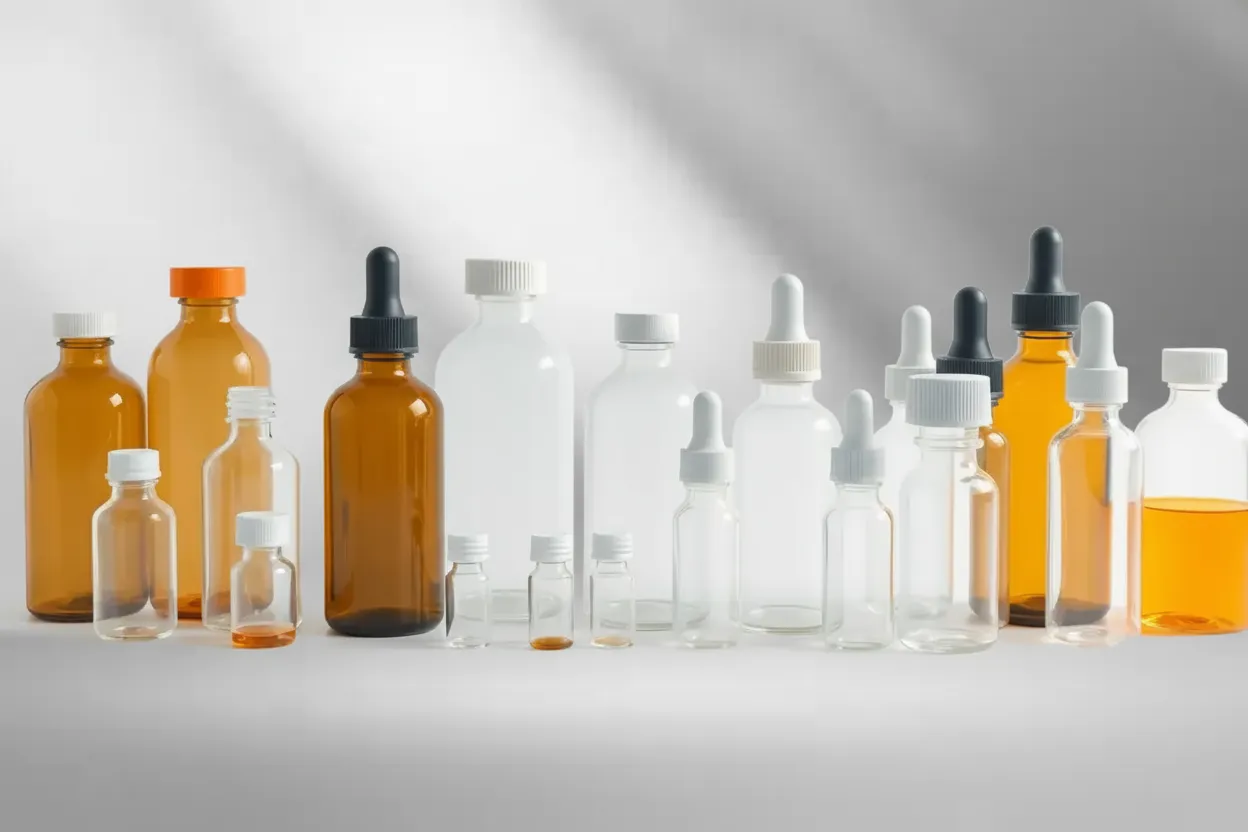
The transparency requirement for hormone pharmaceutical vials is more clinically demanding than for most other injectable products because hormone preparations — particularly insulin — are used in self-administration scenarios where the patient visually inspects the vial content before each dose. An insulin-dependent diabetic patient drawing up a dose from a multi-dose insulin vial relies on optical clarity to confirm: the insulin preparation is clear and colourless (for rapid-acting analogues) or uniformly cloudy white when resuspended (for NPH or premixed insulins); no visible particles, discolouration, or precipitate that would indicate degradation; and the graduated markings on the insulin syringe calibrated to IU/mL are readable against the vial’s contents as the dose is drawn. Any optical compromise in the vial — haze, colour, surface irregularity — directly impairs the visual inspection that is the patient’s primary quality assurance step before self-administration.
ISBM Haze Specification for Hormone Vials
The haze specification for hormone vials — measuring the light scattering from the container body that reduces optical clarity — must be stringent enough to ensure that the contents are clearly visible under the lighting conditions of typical self-administration settings (bathroom, kitchen counter, workplace) and through the container’s full service life. The specification of haze ≤ 1.0% (measured by ASTM D1003 or ISO 13468 on the production body panel) for clear hormone vials is the appropriate target — providing a comfortable margin below the 2.0% general pharmaceutical container specification that accounts for the higher clinical significance of optical clarity in hormone self-administration products. ISBM PET from pharmacopoeial-grade resin at standard processing parameters achieves haze values of 0.3–0.6% in the production container body panel — well within the ≤1.0% specification with production margin.
Colour Neutrality for Hormone Preparation Appearance Verification
Insulin preparations have defined appearance specifications — clear colourless for rapid-acting analogues, and specific turbidity and colour characteristics for NPH and premixed preparations. Any inherent colour in the container wall (even a slight yellow or blue tint from the PET resin or manufacturing process) would interfere with the patient’s ability to verify the preparation’s expected colour. PET ISBM from AA-scavenger pharmacopoeial resin with minimal degradation produces a water-white container body — yellowness index (YI) ≤ 2.0 in the production container — providing colour neutrality that does not interfere with insulin preparation appearance verification. Production monitoring of YI at each batch confirms that any degradation (from excessive barrel temperature or residence time during ISBM production) that would increase yellowness is detected before the batch is released to the pharmaceutical filling operation.
Wall Thickness Uniformity for Optical Distortion Prevention
Wall thickness variation in the vial body creates optical distortion — the lensing effect that uneven wall thickness produces causes the apparent position of scale markings on the vial or syringe to appear different from different viewing angles. For hormone vials used in precise dose measurement (insulin vials calibrated to IU/mL, growth hormone vials with defined reconstitution volumes), optical distortion from uneven wall thickness is a patient safety concern if it causes the patient to misread the dose measurement. ISBM’s controlled stretch ratio and validated orientation parameters produce wall thickness variation ≤ ±0.05mm through the measurement zone of the hormone vial body — providing the wall thickness uniformity that prevents clinically significant optical distortion in dose verification applications.
Chemical Compatibility for Hormone Formulation Chemistry
Hormone pharmaceutical formulations span a wide range of chemical types — from aqueous peptide solutions (insulin, growth hormone, glucagon) through aqueous steroid solutions (cortisol, methylprednisolone) and oily steroid preparations (testosterone enantate in sesame oil, progesterone in castor oil) to complex polymer-conjugated hormone preparations. Each formulation chemistry has distinct container compatibility requirements.
Insulin: Peptide Hormone in Aqueous Formulation
Insulin pharmaceutical formulations are aqueous solutions or suspensions at physiological pH (7.0–7.8 for most modern insulin analogues) with zinc chloride, glycerol, m-cresol, and phenol as excipients. PET is chemically compatible with insulin formulations at these pH values and excipient compositions — confirmed by decades of insulin in various PET insulin pen cartridges, which are a form of injection-moulded PET used as a cartridge format. For ISBM insulin vials, the specific compatibility confirmation requires stability testing with the insulin formulation in the production container, monitoring insulin potency (HPLC insulin assay) and immunoreactive content (ELISA), zinc content (the zinc coordination with insulin hexamers is central to insulin’s storage stability), and visual appearance (confirming no precipitation or aggregation). The primary insulin-specific PET concern is insulin adsorption onto the container wall at very low insulin concentrations — at clinical use concentrations (typically 100 IU/mL = ~3.5 mg/mL) in multi-dose insulin vials, adsorption losses are negligible. For very dilute insulin preparations (diluted for paediatric or neonatal infusion at concentrations of 0.1–1 IU/mL), the SA:V ratio effect described in the biologics chapter applies — the low concentration increases the fractional depletion from any given adsorption event, and the container must be confirmed to maintain potency at these clinical dilution concentrations.
Growth Hormone: Lyophilised and Liquid Preparations
Recombinant human growth hormone (rhGH, somatropin) is commercially available in both lyophilised powder-for-injection and liquid formulations. For lyophilised presentations, as noted in the biologics chapter, PET ISBM vials are not appropriate — the lyophilisation process requires glass or specialised polymer vials that maintain dimensional integrity under lyophilisation vacuum. For liquid rhGH formulations (available as reconstituted solution in multi-dose vials or pen cartridges), PET ISBM containers are technically applicable with standard biologic compatibility confirmation (protein adsorption monitoring, aggregate formation by SEC-HPLC, biological activity by cell-based potency assay). The m-cresol preservative used in multi-dose rhGH preparations must be confirmed to maintain effective concentration against adsorption to the container wall — m-cresol adsorption onto PET is lower than onto polyolefin surfaces but must be confirmed by preservative concentration monitoring in the stability programme.
Oil-Based Steroid Hormone Preparations
Oil-based steroid hormone preparations — testosterone enantate in sesame or arachis oil, testosterone cypionate in cottonseed oil, testosterone undecanoate in castor oil, progesterone in sesame oil — present the most significant PET compatibility challenge in the hormone product category. Vegetable and seed oils at the concentrations used in these formulations (typically the API dissolved in the oil at 50–250 mg/mL) are in direct contact with the container wall, and the oil’s chemical affinity for PET is higher than that of aqueous solutions. For sesame oil and cottonseed oil preparations, formal stability testing at 40°C/8 weeks with the specific oil-API combination in the production container is required to confirm the absence of container dimensional change (from oil penetration into the wall surface zone), haze increase (from oil-polymer surface interaction), or API concentration change (from oil-mediated extraction or API adsorption). For castor oil preparations — which contain ricinoleic acid, a hydroxylated fatty acid with moderate PET interaction potential — PETG may be preferred over standard PET for the body zone in contact with the castor oil preparation. Contact [email protected] for specific oil-based hormone preparation compatibility assessment.
Precise Dose Control: ISBM Dimensional Engineering for Hormone Vials
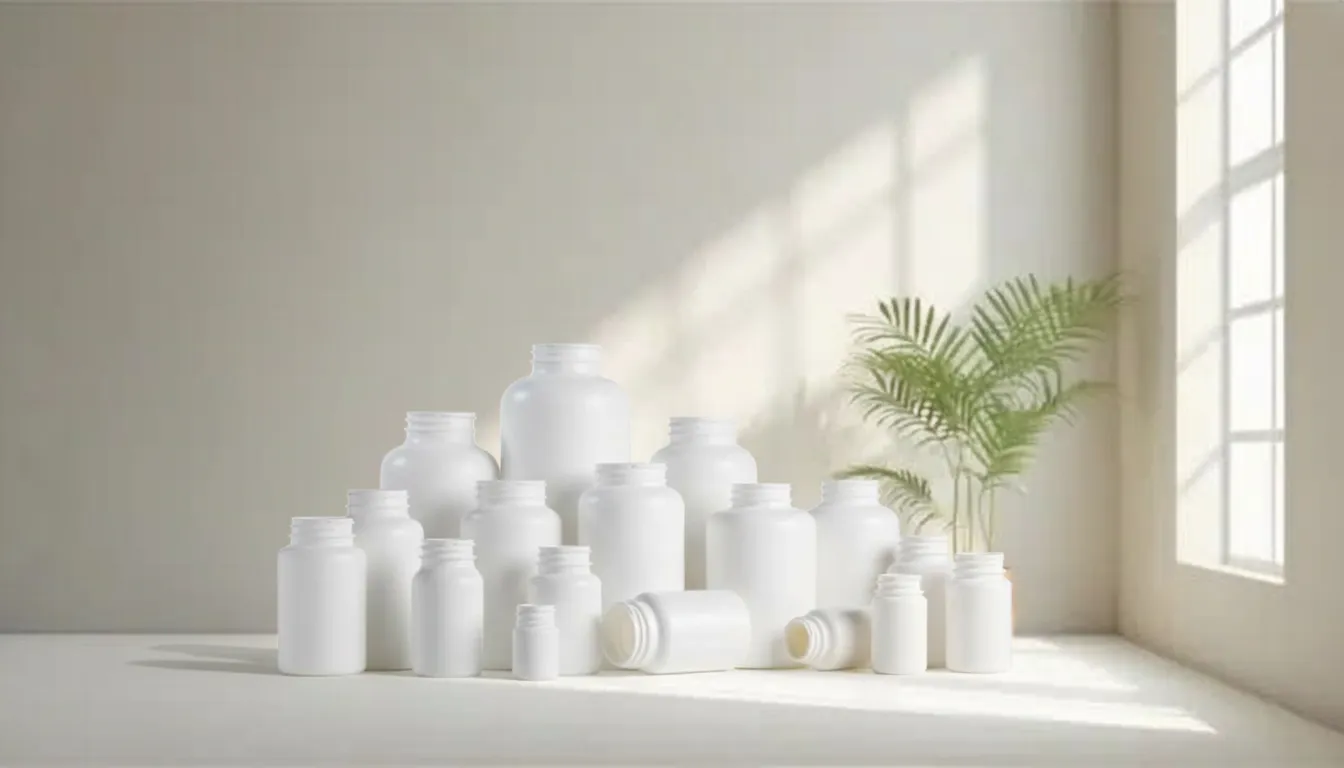
Precise dose control for injectable hormone products operates at two levels: the dose drawn from the vial using a syringe or pen device, and the dose delivered from the pen device’s cartridge mechanism. Both levels depend on the container’s dimensional consistency — specifically, the neck bore for needle penetration and dose withdrawal, the body internal volume consistency for dose accuracy across the vial’s multi-dose life, and the dimensional compatibility with insulin pen and autoinjector cartridge mechanisms for devices that load the vial into the injection device.
Needle Penetration and Stopper Seating Precision
Hormone multi-dose vials use rubber stoppers sealed under aluminium crimp caps — the patient or healthcare professional inserts a needle through the rubber stopper to withdraw each dose. The stopper’s compression in the vial neck (governed by the neck bore diameter and the stopper’s nominal OD, as described in the injectable vial chapter) determines the resistance to needle penetration — a stopper that is over-compressed due to an undersized bore requires excessive force to penetrate, risking needle bending or patient injury; a stopper that is under-compressed in an oversized bore penetrates too easily and may not reseal adequately after needle withdrawal, creating contamination risk for the multi-dose vial. ISBM’s injection-formed neck bore (±0.05mm) provides the dimensional consistency that reliable multi-dose stopper penetration and resealing requires across all production cavities and throughout the vial’s multi-dose service life.
Insulin Pen Cartridge Compatibility
Modern insulin therapy predominantly uses insulin pens — durable pen devices that accept 3ml cartridges containing insulin at 100 IU/mL or 300 IU/mL (U-300 concentrations for ultra-concentrated insulins). The insulin pen cartridge is a cylindrical container with a rubber plunger stopper at the distal end (advanced by the pen mechanism to deliver dose increments) and a needle-pierceable septum at the proximal end. ISBM can produce insulin pen cartridge bodies to the ISO 11608 dimensional specifications that pen device manufacturers require — specifically, the external diameter (±0.05mm), the internal bore (±0.05mm for plunger fit), the length (±0.20mm), and the cartridge end finish (for septum holder engagement). For insulin manufacturers seeking to produce their own pen cartridges rather than sourcing from existing cartridge suppliers, ISBM production of pen-compatible cartridge bodies provides the dimensional precision and pharmaceutical material compliance that the TGA pen device and drug registration requirements demand.
Dose Accuracy Over Multi-Dose Vial Life
A 10ml multi-dose insulin vial at 100 IU/mL contains 1,000 IU of insulin — typically used over 2–4 weeks (30 days in-use period per FDA guidance) with doses of 5–40 units per administration event. Over the vial’s in-use life, the patient withdraws between 25 and 200 individual doses, with each withdrawal slightly reducing the vial’s fill level and the headspace nitrogen or air replacing the withdrawn volume. The vial’s dimensional consistency — consistent internal volume from dose to dose — does not directly affect dose accuracy (the syringe or pen device’s calibrated mechanism sets the dose volume), but the consistent body geometry ensures that the syringe graduation marks against the vial body read correctly at all fill levels without the perspective distortion that would arise from an inconsistent wall cross-section geometry as the fill level drops. ISBM’s body geometry consistency (±0.20mm cross-section uniformity from neck to base) maintains this optical consistency throughout the multi-dose vial life.
Sterility Assurance and Contamination Prevention for Hormone Vials
Hormone pharmaceutical products are sterile injectables — the same sterility assurance framework (ISO Class 7 production environment, validated sterilisation pathway, aseptic fill under ISO Class 5 conditions, 100% container closure integrity testing) described for biological product containers applies in full to hormone vials. Hormone products are not typically subject to terminal sterilisation because most peptide hormone formulations (insulin, growth hormone, glucagon) are heat-sensitive and cannot withstand autoclave sterilisation without significant potency loss. The sterility strategy is therefore aseptic fill into pre-sterilised containers — the standard parenteral manufacturing approach.
For multi-dose hormone vials — the most common insulin packaging format — sterility is maintained throughout the multi-dose use period (30 days in-use for standard insulin multi-dose vials) through the combined action of: the rubber stopper’s resealing properties after each needle penetration (preventing atmospheric microorganism ingress through the needle channel); the m-cresol or phenol preservative system that inhibits microbial growth in any bacteria introduced through stopper penetration; and the antimicrobial preservative efficacy that is confirmed through Ph.Eur. Antimicrobial Preservative Effectiveness Test in the production container at the start and end of the simulated multi-dose use period. The ISBM container contributes to multi-dose sterility maintenance through the stopper seating dimensional precision that ensures reliable stopper resealing after each needle penetration, and the induction foil tamper-evidence seal that confirms the vial has not been accessed before the patient first opens it.
For oil-based steroid hormone preparations supplied as single-dose vials, preservative-free sterility must be maintained only until the single dose is administered — the sterility assurance challenge is primarily in the manufacturing and distribution chain rather than in the multi-dose use period. Single-dose oil-based hormone vials are filled under aseptic conditions, sealed with a rubber stopper and aluminium crimp cap, and used by clinical staff in the hospital setting who draw the single dose and administer it without preservative reliance. The container closure integrity for oil-based single-dose hormone vials must be confirmed through leak testing appropriate for the oily formulation — conventional aqueous dye ingress tests are not appropriate for oil-based products (oil provides its own immiscible phase that blocks dye ingress), so headspace gas analysis or pressure decay testing using the production closure system provides the appropriate CCI confirmation.
Hormone Stability and Extractables: Critical Quality Attributes
Hormone pharmaceutical products are among the most potency-sensitive pharmaceutical preparations — insulin at 100 IU/mL is clinically active at picomolar plasma concentrations, and even minor potency variation from degradation or container adsorption translates directly to clinical glycaemic management failure in diabetic patients. The extractable and stability requirements for hormone vials reflect this clinical sensitivity.
Insulin Stability in ISBM PET Vials
Insulin stability in PET ISBM vials is governed by the same degradation mechanisms as in glass — chemical degradation (deamidation, oxidation, hydrolysis) occurring in solution regardless of container material, and physical instability (aggregation, fibrillation) that can be influenced by container surface interactions. Insulin fibrillation — the formation of insoluble amyloid fibrils from unfolded insulin molecules — is catalysed by surfaces (including polymer surfaces) and by mechanical agitation. The insulin fibrillation propensity in PET ISBM containers must be assessed through the standard insulin fibrillation test (end-over-end rotation or agitation protocol in the production container, monitoring turbidity over time) — confirming that the PET surface does not significantly accelerate fibrillation relative to the glass reference under the mechanical stresses of distribution and clinical use. PET’s surface energy and polarity is expected to be intermediate in fibrillation catalysis potential — formal product-specific confirmation using the commercial insulin formulation in the production container is required rather than assumed from material class data.
Extractables Assessment for Parenterally Administered Hormone Products
The E&L assessment for hormone pharmaceutical ISBM containers must be conducted at the parenteral route TTC values as described for all injectable pharmaceutical containers. For hormone products with specific sensitivities, additional extractable compound interactions must be assessed: zinc-binding compounds (zinc is critical for insulin hexamer formation and insulin stability in solution — any extractable compound that complexes zinc would potentially destabilise insulin in the container); potential endocrine-disrupting compounds (relevant for hormone products where patient populations may include endocrine-sensitive groups such as paediatric patients receiving growth hormone); and compounds that might interfere with the radioimmunoassay or HPLC potency assays used for quality control (which would produce false potency readings, not real instability, but would cause product failures that delay patient supply).
Hormone Stability Programme Under ICH Q1A
The stability programme for hormone pharmaceutical ISBM vials follows the full ICH Q1A framework — long-term stability at 5°C/ambient humidity (for refrigerated hormone products including insulin, growth hormone, and most peptide hormones) and accelerated stability at 25°C/60%RH, with testing at 0, 3, 6, 9, 12, 18, and 24 months. The hormone-specific stability endpoints beyond standard chemical assay and degradation profiling include: biological potency assay (confirming maintained hormone activity — HPLC potency alone does not confirm biological activity if the molecule has been structurally modified without changing its chromatographic behaviour); immunoreactivity (confirming the hormone’s antigenic epitopes are intact, which is important for peptide hormones used in patients who may develop anti-hormone antibodies); zinc content for insulin (confirming the zinc-insulin hexamer structure is maintained); and physical appearance (turbidity for suspensions, clarity for solutions). At the accelerated condition of 25°C, many insulin preparations show temperature-related degradation that is clinically informative about degradation mechanisms — confirming that patients storing insulin at room temperature (outside refrigerator) for the 28-day in-use period experience only the degradation predicted by the accelerated stability data, and that the container does not contribute additional degradation pathways beyond what the formulation chemistry itself produces.
Australian Hormone Pharmaceutical Market and ISBM Applications
The Australian hormone pharmaceutical market is substantial and growing — approximately 1.3 million Australians have diabetes (with over 280,000 using insulin), approximately 20,000 patients receive growth hormone therapy (predominantly children with growth disorders and adults with hypopituitarism), and the growing endocrinology sector serving gender-affirming hormone therapy, menopause management, and adrenal insufficiency treatment adds significant volume. The insulin market alone — dominated by products from Novo Nordisk (NovoRapid, Levemir, Tresiba), Sanofi (Lantus, Toujeo, Apidra), and Eli Lilly (Humalog, Basaglar) — involves hundreds of millions of insulin units administered to Australian patients annually.
For international insulin and hormone manufacturers supplying the Australian market, the primary containers for commercial supply are produced at the manufacturers’ global facilities and imported to Australia — local ISBM production of hormone vials in Australia is currently not a commercially established segment. However, three specific scenarios support a commercial case for Australian ISBM hormone vial production: hospital pharmacy compounding of hormone preparations (insulin at non-standard concentrations for paediatric and ICU patients, testosterone preparations for specific clinical protocols) where the compounding exemption allows hospital pharmacy production without ARTG registration; clinical trial supply of new hormone pharmaceutical products seeking TGA registration (following the clinical trial ISBM chapter’s framework); and contract packaging operations serving international hormone manufacturers who seek Australian-manufacture label-of-origin for the Australian market.
For hospital pharmacy operations compounding insulin preparations — diluted insulin for neonatal ICU (at 0.1–1 IU/mL concentrations for precisely controlled infusion), concentrated insulin for insulin-pump-refractory patients (at 500 IU/mL = U-500 concentration), or insulin-zinc suspension preparations — ISBM vials with pharmacopoeial material certificates provide the container quality assurance that hospital pharmacy compounding GMP requires. Contact [email protected] for hormone pharmaceutical ISBM vial supply for hospital pharmacy compounding programmes.
Regulatory Framework for Hormone Pharmaceutical ISBM Vials
Hormone pharmaceutical products in Australia are regulated as registered medicines on the ARTG, with their primary containers subject to the full pharmaceutical GMP and CTD Module 3.2.P.7 container-closure system documentation requirements of the TGA registration framework. For insulin — which is subject to the WHO insulin quality standard as well as TGA registration requirements — the container must also meet the WHO insulin standard’s container specifications (Type II glass equivalent or better for plastic alternatives).
The TGA pathway for a PET ISBM primary container for a registered hormone product follows the standard pharmaceutical container change variation process: Level 1 variation for changes between pharmacopoeial materials of the same type, or Level 2 variation for changes from glass to PET (cross-material class change requiring more extensive comparative data). For hormone products where glass delamination or glass breakage during cold-chain distribution is a documented product quality concern, the variation data package may qualify for expedited review under TGA’s variation assessment framework for changes that improve product safety.
Insulin pen cartridges — a specific primary container format for insulin — are regulated as a drug-device combination product where the primary container (cartridge) is an integral component of the approved drug-device combination. Changes to the cartridge primary container for an approved pen-cartridge combination require a TGA variation that addresses both the container change data (pharmacopoeial compliance, E&L, stability) and the drug-device interaction data (cartridge dimensional compatibility with the pen mechanism, dose accuracy confirmation with the pen device using the new cartridge). This more complex variation pathway must be planned with appropriate lead time before any commercial cartridge material transition. Visit isbm-technology.com/contact-us for regulatory strategy guidance for hormone pharmaceutical ISBM container programmes.
Production Quality for Hormone Pharmaceutical ISBM Operations
Hormone pharmaceutical ISBM container production must operate under a pharmaceutical GMP quality management system meeting TGA’s parenteral manufacturing standards. The specific quality attributes critical for hormone vials — beyond the standard pharmaceutical container quality programme — include optical quality (haze and YI at the tighter specification required for dose verification), stopper seating dimensions (neck bore for multi-dose vial stopper compression precision), and dimensional compatibility with the specific pen or autoinjector device mechanism for pen cartridge applications.
For insulin pen cartridge production specifically, an additional in-process quality check — dimensional measurement of the cartridge OD and bore against the pen device manufacturer’s specification — using calibrated optical measurement equipment (automated vision system or high-precision contact gauge) confirms that every production cavity produces cartridges within the device-compatibility tolerance range. Any cavity drifting outside specification triggers a tooling investigation and dimensional correction before commercial production is resumed. The batch record for insulin pen cartridge ISBM production must include the dimensional measurement data from this automated inspection as a standard batch record element.
The importance of production consistency in hormone vial manufacturing extends to material lot-to-lot consistency — changes in the PET resin lot between production batches can cause minor changes in optical properties (haze, YI) and extractable profile that must be managed through supplier certification of resin lot-to-lot consistency and incoming material testing against specification before resin lot approval for hormone vial production. Contact [email protected] for the quality system documentation framework appropriate for hormone pharmaceutical ISBM production.
Ever-Power’s Hormone Pharmaceutical ISBM Development Support
Australia Ever-Power provides hormone pharmaceutical manufacturers, hospital pharmacy compounding operations, and endocrinology product developers with ISBM machine technology and pharmaceutical application engineering support for the hormone pharmaceutical vial sector. The hormone-specific programme covers: optical quality specification and measurement for dose verification applications; formulation-specific chemical compatibility assessment (aqueous peptide, aqueous steroid, oil-based steroid — covering the full hormone formulation range); stopper seating dimensional engineering for multi-dose hormone vials; insulin fibrillation assessment protocol design; pen cartridge dimensional engineering for ISO 11608 device compatibility; sterility programme design and CCI qualification for both aqueous and oil-based hormone preparations; and the TGA parenteral GMP documentation framework including IQ/OQ/PQ validation for hormone pharmaceutical container production.
For hospital pharmacy operations seeking a local supply of pharmacopoeial-grade hormone vials for compounding programmes — particularly insulin concentration preparations for ICU and neonatal pharmacy applications — Ever-Power’s hospital pharmacy supply programme provides lot-specific pharmacopoeial material certificates and quality documentation appropriate for ACSQHC accreditation compliance.
Contact the team at [email protected] أو قم بزيارة isbm-technology.com/contact-us to begin your hormone pharmaceutical ISBM vial development programme.
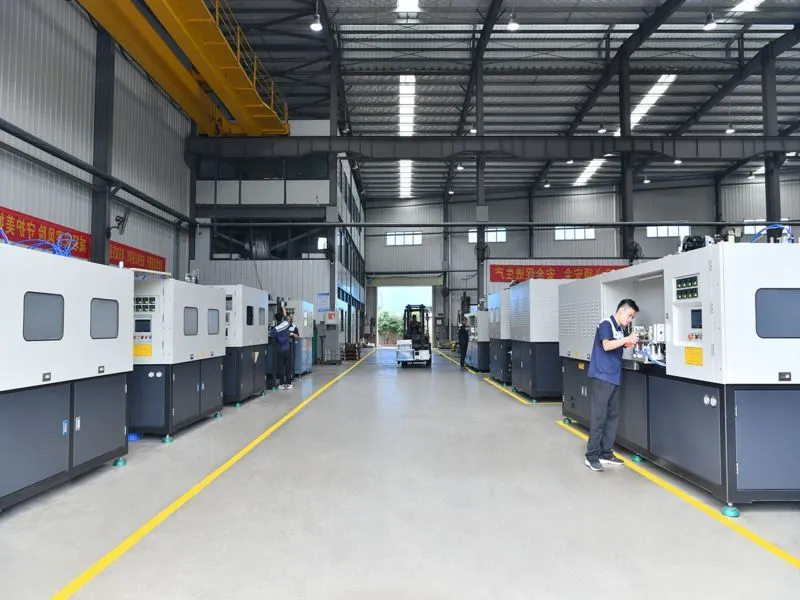
Recommended Machine
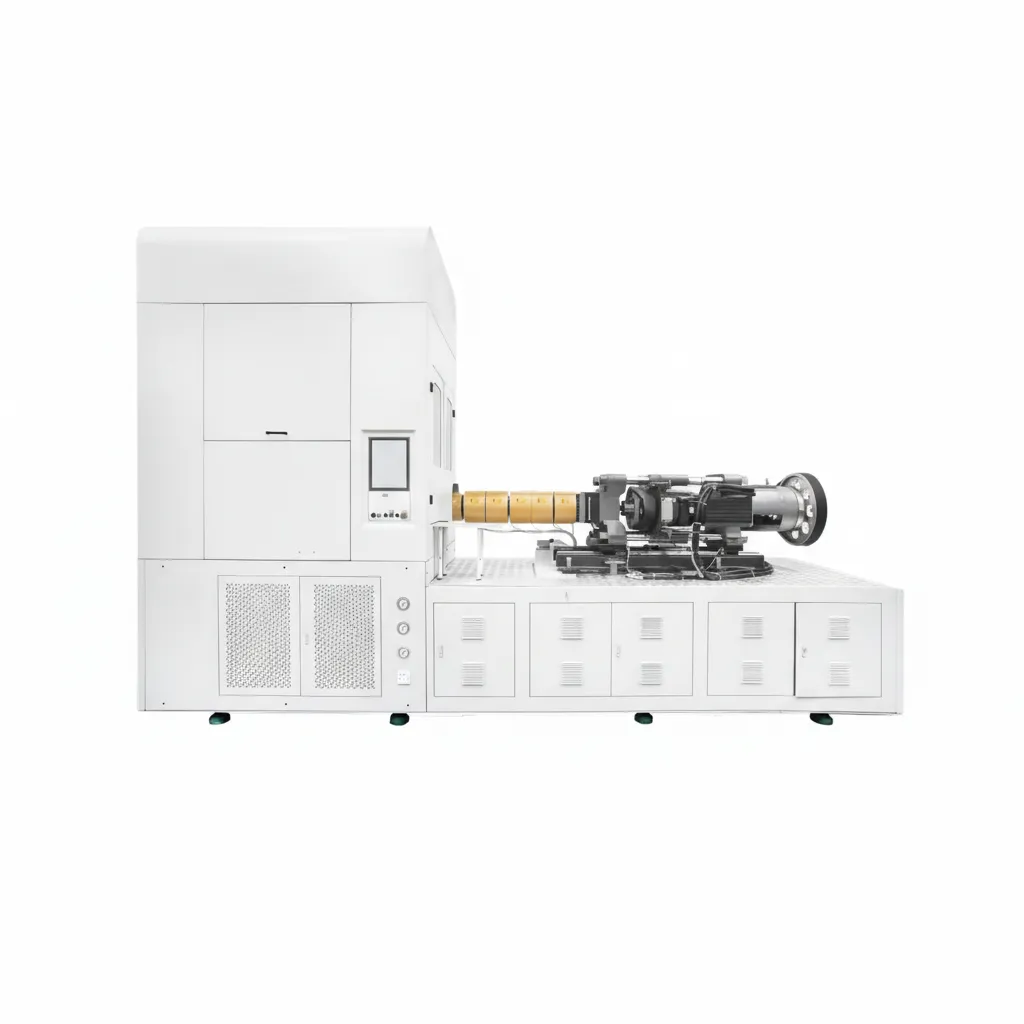 HGYS150-V4-EV — Fully Servo Four-Station ISBM for Hormone Pharmaceutical Vial Production
For hormone pharmaceutical vial production demanding the optical precision, dimensional consistency, and pharmaceutical documentation capability that insulin, growth hormone, and hormone therapy products require, the HGYS150-V4-EV fully servo four-station one-step ISBM machine provides the highest-precision ISBM production platform available for hormone vial applications. The fully servo-electric architecture provides ±0.1% process parameter repeatability cycle-to-cycle — critical for hormone vials where haze (≤1.0%), YI (≤2.0%), and neck bore diameter (±0.05mm) must be maintained within tight specification tolerances over all production batches and years of commercial operation. Oil-free servo design eliminates hydraulic oil from the production environment, compatible with ISO Class 7 hormone vial manufacturing clean-room requirements. The injection neck system achieves ±0.05mm bore diameter and ±0.06mm roundness for reliable multi-dose stopper seating performance across all production cavities. Supports ISO 11608 pen cartridge dimensional specifications for insulin pen cartridge production in addition to standard multi-dose vial formats. Processes pharmacopoeial-grade PET for clear aqueous hormone formulation vials and PETG for oil-based steroid hormone preparations. PLC audit-trail process data logging generates the IQ/OQ/PQ and batch documentation needed for TGA registered hormone medicine container compliance and hospital pharmacy ACSQHC accreditation support.