Topical Pharmaceutical Packaging: Where Dermatology Formulation Meets Precision Container Engineering
Topical pharmaceutical products — prescription and over-the-counter creams, ointments, gels, lotions, and emulsions — represent one of the most commercially significant pharmaceutical dosage forms in Australian healthcare. Dermatological conditions including eczema, psoriasis, acne, fungal infections, and inflammatory skin disorders affect a substantial proportion of the Australian population, and the topical products used to treat them require packaging that protects formulation stability over the product’s shelf life, prevents microbial contamination during repeated use, and facilitates accurate dose application to the treatment area. The interaction between the topical formulation chemistry and the container material is often the most technically challenging aspect of packaging development for this dosage form, because creams and ointments contain complex mixtures of oils, emulsifiers, active pharmaceutical ingredients, and preservative systems that each have distinct packaging interaction profiles.
The injection stretch blow molding machine provides topical pharmaceutical packaging operations with the dimensional precision, chemical compatibility breadth, and production consistency that cream, ointment, and lotion containers require — while maintaining the GMP-compliant production documentation that TGA pharmaceutical registration demands.
Australia Ever-Power Injection Stretch Blow Moulding Machine Co., Ltd, operating from Condell Park NSW 2200, supports topical pharmaceutical manufacturers and dermatology product developers with ISBM machine technology and pharmaceutical application engineering calibrated for the specific requirements of topical product container development and production in the Australian market.
Topical Formulation Chemistry and PET Container Compatibility
Cream and ointment pharmaceutical formulations present a wide range of chemical compatibility challenges for container materials. Unlike aqueous pharmaceutical solutions, topical formulations contain significant concentrations of hydrophobic phase components — vegetable oils, mineral oils, petroleum jelly, silicones, waxes — along with emulsifiers, co-solvents, and active pharmaceutical ingredients that may include corticosteroids, retinoids, antifungal agents, antibiotics, and keratolytic agents. Each of these components has its own partition behaviour between the formulation and the container wall, and their combined effect on container performance must be assessed through formal stability studies rather than component-by-component compatibility data alone.
Oil-in-Water Emulsions (Creams and Lotions)
Standard pharmaceutical creams and lotions in the oil-in-water (O/W) emulsion form — with an aqueous continuous phase containing 15–40% dispersed oil phase — are generally compatible with PET containers at normal storage temperatures (15–30°C). The continuous aqueous phase limits direct oil-polymer contact to the droplet interfaces, and PET’s hydrophilic surface provides a lower-energy interface for emulsion droplets than more hydrophobic polymers like HDPE or PP. The primary compatibility concern for O/W creams in PET is emulsion stability — any change in the microstructure of the emulsion caused by container interactions (specifically, any surfactant adsorption onto the PET surface that depletes emulsifier from the formulation) could cause phase separation, creaming, or coalescence during storage. Formal emulsion stability testing in the production container at 25°C/60% RH and 40°C/75% RH (ICH conditions) confirms whether this is a real issue for the specific formulation.
Water-in-Oil Emulsions and Pure Ointments
Water-in-oil (W/O) emulsions (rich creams, cold creams) and pure ointment bases (petroleum jelly, soft paraffin, polyethylene glycol bases) have continuous oil or wax phases that are in direct prolonged contact with the container wall. For these formulations, the oil-polymer compatibility must be assessed specifically — petroleum jelly and mineral oil have extensive compatibility data with PET at ambient temperatures, but synthetic ester oils and some vegetable oils at elevated temperature may show minor PET surface interaction (very slight surface whitening or haze increase at the contact interface) that must be characterised in the stability study. For prescription-strength pharmaceutical ointments where even minor container interaction could affect product performance or regulatory compliance, the stability study is a non-negotiable development step before committing to PET as the commercial container material.
Active Pharmaceutical Ingredient Interactions
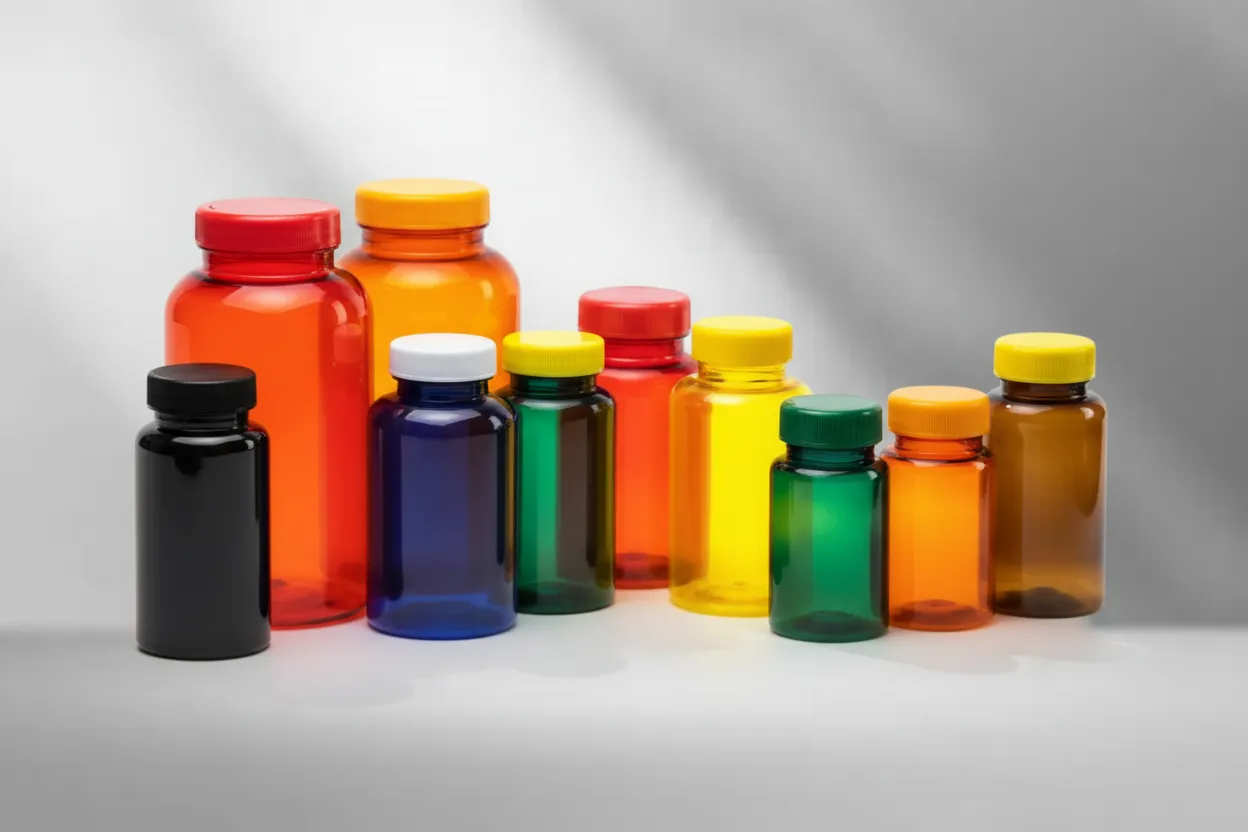
Topical APIs with known packaging interaction risks include: corticosteroids (can adsorb onto polymer surfaces, potentially depleting active from the formulation over the product’s shelf life); retinoids (photosensitive and susceptible to oxidation — UV-protective container or secondary packaging is required); antifungal azoles (can interact with some polymer additives); and organic sunscreen agents (partition strongly into hydrocarbon polymers). For each API class with known interaction potential, the stability study should specifically monitor API assay (confirming no depletion from adsorption) and degradation product profile (confirming no polymer-induced degradation pathways) at both ICH stability conditions. ISBM’s ability to produce tinted or UV-protective PET containers is directly relevant for photosensitive topical APIs like retinoids and vitamin D derivatives.
Dispensing and Dose Control for Topical Pharmaceutical Containers
Accurate dose application is a clinical efficacy requirement for topical pharmaceuticals — particularly for potent corticosteroids and targeted antifungal treatments where over-application risks systemic side effects (for corticosteroids with significant percutaneous absorption) and under-application risks therapeutic failure. The container’s dispensing system must enable the patient to apply the intended dose — typically a defined area coverage (expressed in “fingertip units” for patient guidance) — without inadvertent over-dispensing from a bottle that delivers too large a stream, or under-dispensing from a nozzle that clogs or drips after dispensing.
Pump Dispenser Systems
Metered pump dispensers on cream and lotion bottles provide the most accurate dose control — each pump stroke delivers a calibrated volume (typically 0.5–1.5g per stroke for standard cream formulations). The ISBM bottle’s 28/410 or 24/410 pump neck finish must meet the pump supplier’s dimensional tolerances (±0.08mm thread diameter, ±0.06mm roundness) for reliable pump engagement and the sealing performance that prevents cream leakage between pump actuations.
Flip-Top Dispensing Caps
Disc-top or flip-top closures provide simple dispensing for creams and lotions with appropriate viscosity for gravity or gentle squeeze dispensing. ISBM’s injection neck provides the transfer bead height (±0.10mm) that flip-top closures require for positive tamper-evident engagement and reliable resealing — preventing cream drying at the orifice between uses.
Squeeze Tube Compatibility
For ointments and high-viscosity creams requiring squeeze tube dispensing from a flexible PET or PETG container, ISBM’s wall flexibility engineering (targeting 6–15N squeeze force at the body midpoint) must be calibrated to the specific formulation’s viscosity — thick petroleum-based ointments require more squeeze force than standard aqueous creams to initiate flow through the orifice.
Anti-Drip Nozzle Design
Cream formulations with high water content (standard O/W lotions) can drip after dispensing if the closure orifice geometry is not correctly matched to the formulation’s surface tension and viscosity. Injection-formed nozzle geometry with a defined orifice entry radius eliminates post-dispensing drool — a common patient complaint that leads to product waste and poor patient adherence to topical treatment regimens.
Contamination Prevention for Multi-Use Topical Pharmaceutical Containers
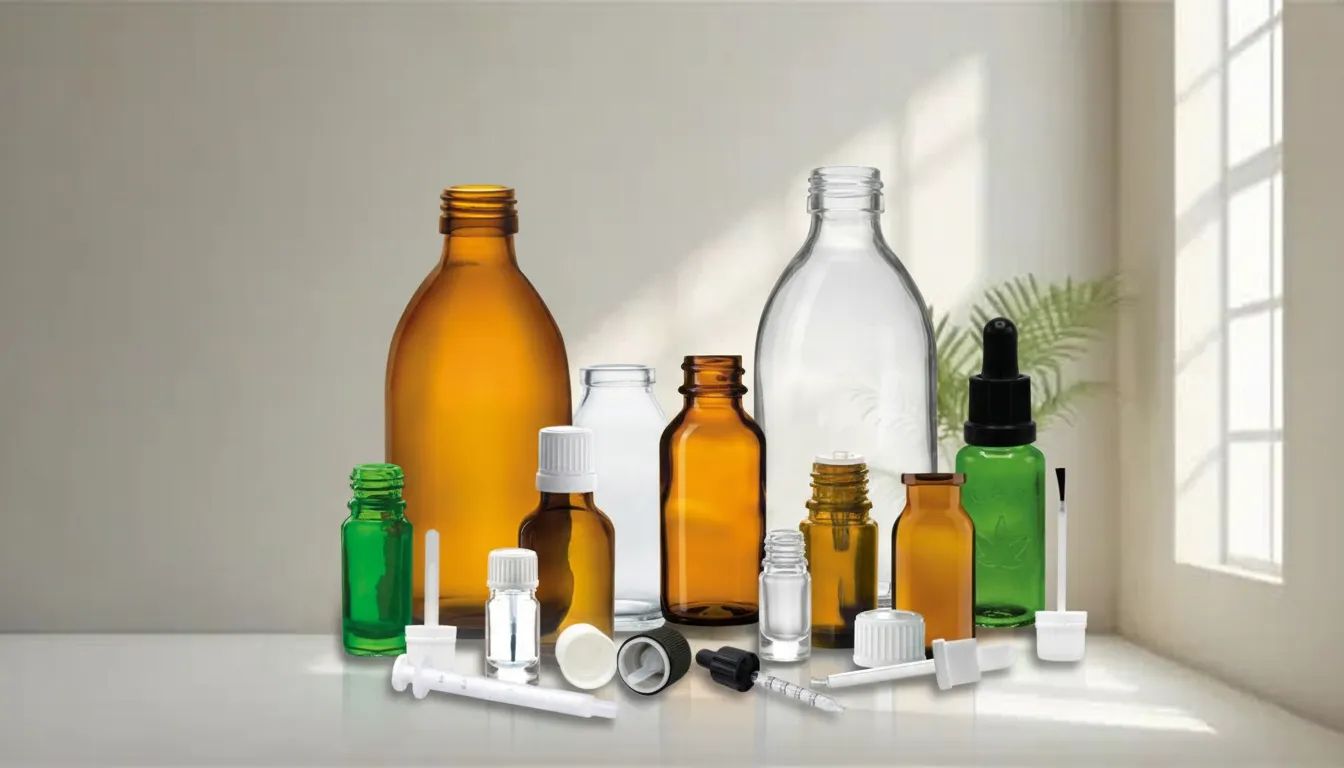
Most topical pharmaceutical products are packaged in multi-use containers opened and reclosed many times over a treatment course of days to months. Each opening and application event introduces the risk of microbial contamination from the patient’s hands, the treatment site (which may itself be infected in conditions like infected eczema or tinea), and the ambient environment. The preservative system in the formulation is the primary defence against in-use contamination — the container design is the secondary defence that limits contamination entry between doses.
ISBM container design contributes to contamination prevention through: the closure’s tip shield that covers the orifice between uses (keeping the highest-risk zone — where the cream contacts both the patient and the container — sealed between applications); the induction foil seal that provides a hermetic microbial barrier from manufacture to first opening (removing all uncertainty about the container’s contamination history at the point of first use); and the container body’s smooth interior that does not have crevices or dead zones where contaminated formulation can accumulate and re-contaminate fresh product during dispensing.
The Ph.Eur. Antimicrobial Preservative Effectiveness Test (Test B criteria for topical preparations) must be conducted on the commercial formulation in the production container with the commercial closure at the beginning and end of the simulated in-use period — confirming that the preservative system maintains adequate antimicrobial efficacy throughout the product’s labelled in-use shelf life (typically 3–6 months after opening) in the production container at the storage conditions recommended on the label. Contact [email protected] for preservation efficacy protocol guidance for your specific topical product and ISBM container combination.
Packaging Formats Across the Topical Pharmaceutical Range
The topical pharmaceutical market encompasses a wide variety of product formats, each with distinct container requirements that ISBM addresses through format-specific preform and tooling design. Understanding these format-specific requirements is the basis for specifying the correct ISBM container for each topical product type.
| Product Type | Volume Range | Key Container Req. | Closure System | ISBM Material |
|---|---|---|---|---|
| Prescription corticosteroid cream | 15g – 100g | API adsorption study, induction seal | Screw cap + induction foil | PET or PETG |
| OTC antifungal cream | 15g – 50g | Anti-drip nozzle, easy opening | Flip-top or screw cap | PET |
| Body lotion / moisturiser (OTC) | 100ml – 500ml | Metered dose pump, visual appeal | Lotion pump 24/410 | PET or PETG clear |
| Pharmaceutical gel (topical analgesic) | 30g – 150g | Squeeze force calibration, gel viscosity dispensing | Disc-top or flip-top | PETG (flexibility) |
| Retinoid cream / Vitamin D ointment | 15g – 60g | UV protection (amber), API stability study | Screw cap + induction foil | Amber PET |
| Sunscreen SPF product | 75ml – 250ml | UV-filter API sorption study, pump or flip-top | Pump or disc-top | PET or PETG |
TGA Registration for Topical Pharmaceutical PET Containers
Topical pharmaceutical products registered on the ARTG as prescription (Schedule 4) or over-the-counter (Schedule 2/3) medicines require container-closure system specification in the CTD registration dossier. The specific documentation requirements for topical product containers differ in several ways from those for oral and parenteral containers, reflecting the distinct route of administration, the formulation complexity of topical dosage forms, and the predominance of multi-use containers that require in-use contamination assessment.
Container-Closure System Specification
Dimensional drawing with tolerances; material specification (PET resin grade, masterbatch description); closure description with induction seal specification if used. For amber containers: UV transmission data confirming light protection equivalent to amber glass at the product’s photosensitivity wavelength range.
Extractables and Leachables (Topical Route)
E&L assessment using dermal contact conditions (extended contact with the topical formulation at use temperature) with TTC values appropriate for dermal absorption routes. Corticosteroid and other potent API assay confirmation at stability time points confirming no depletion from adsorption to container wall.
Stability Programme (ICH Q1A)
25°C/60% RH long-term and 40°C/75% RH accelerated stability data confirming physical appearance, API assay, preservative efficacy (for preserved formulations), viscosity/rheology (for gels), and pH stability in the production container over the proposed shelf life.
Preservative Efficacy (Multi-Use Products)
Ph.Eur. 5.1.3 Test B criteria for topical preparations — antimicrobial challenge testing with the full range of specified organisms at the beginning of and during the in-use period. Must be conducted in the production container with commercial closure to confirm that preservative activity is maintained throughout the product’s labelled in-use shelf life.
Dermatology Market Dynamics and ISBM Production Economics
The Australian dermatological pharmaceutical market spans three commercial tiers: prescription brands, generic prescription products, and OTC dermatology. Each tier has distinct packaging economics and quality requirements that affect the ISBM production configuration appropriate for the specific product.
Prescription dermatology brand products — corticosteroids, retinoids, calcineurin inhibitors — are produced in smaller volumes (50,000–500,000 units per year per SKU) at higher unit values, where the packaging development investment in custom bottle design and full pharmaceutical registration documentation is justified by the product’s price point and commercial longevity. ISBM single-cavity tooling is appropriate for these volumes, with the development programme including the complete TGA dossier CCS documentation. Generic prescription dermatology products require the same documentation standards as brands (identical TGA registration pathway) but are produced at higher volumes (200,000–2M units per year) where multi-cavity ISBM tooling delivers the production economics that generic pricing requires.
OTC dermatology products — antifungal creams, antiseptic preparations, moisturisers with TGA-listed claims — are produced at higher volumes again (500,000–10M units per year) with more flexible packaging development pathways and stronger commercial drivers for packaging differentiation and brand identity. For Australian OTC dermatology brands, ISBM’s custom bottle design capability and the commercial differentiation that proprietary packaging creates is a direct revenue driver — products in distinctively designed, premium-appearance ISBM containers command meaningful retail price premiums over commodity alternatives in Australia’s competitive pharmacy retail environment.
Sustainable Packaging for Topical Pharmaceutical Products
Topical pharmaceutical packaging sustainability occupies a pragmatic space — the regulatory pathway for container changes requires TGA variation management as described for all pharmaceutical container changes, but the dermal-route pharmacology of topical products and the lower sensitivity to extractables (versus parenteral routes) means the E&L reassessment for rPET or lightweighting changes is less extensive than for injectable applications. For OTC topical products where the TGA approval pathway is more flexible than for prescription registration, sustainability improvements are more readily implemented without full variation processes.
Lightweighting within the validated container specification — reducing preform weight without changing the commercial container’s dimensions or performance specification — is the lowest-regulatory-risk sustainability intervention for topical pharmaceutical ISBM containers. A 10–15% preform weight reduction achieved through ISBM process optimisation that does not change the container’s dimensional specification typically falls within the manufacturing variation clause of a registered pharmaceutical dossier in Australia, without requiring a TGA variation. The material saving, embodied carbon reduction, and environmental on-pack claim enabled by a lightweighting programme are commercially meaningful for OTC dermatology brands with active sustainability communications to their consumer base.
For registered prescription topical products, any container change including lightweighting must be assessed against the registered container specification and, if the change falls outside the approved specification ranges, managed through the appropriate TGA variation pathway. Contact [email protected] for regulatory change control guidance for topical pharmaceutical container sustainability programmes under TGA requirements.
Production Quality Management for Topical Pharmaceutical ISBM Operations
Topical pharmaceutical ISBM operations producing containers for TGA-registered products must maintain a GMP-compliant quality management system covering incoming material release, in-process controls, finished container inspection, and batch record documentation. The specific quality attributes critical for topical pharmaceutical containers are: neck finish dimensions (for closure compatibility and pump/flip-top engagement); body wall thickness distribution (for squeeze force and emulsion stability performance); induction seal surface dimensions (for hermetic seal integrity); and colour/tint consistency for amber containers (for photosensitivity protection compliance).
For pump-dispensed topical pharmaceutical containers, an additional in-process quality check — pump engagement force and pump stroke volume testing on a sample from each production cavity using the commercial pump component — confirms that the production neck finish dimensions produce the pump engagement performance validated in the container-closure system qualification. Any cavity producing pumps with engagement force outside the acceptance range triggers a dimensional investigation of that cavity’s neck insert tooling dimensions.
The batch record for topical pharmaceutical ISBM production must include: resin CoC and release documentation, process parameter log from the ISBM machine data logging system, in-process dimensional inspection results, pump engagement testing results (if applicable), finished container visual inspection records, and QA sign-off. These records are retained per TGA GMP requirements and are the documentation basis for any product recall investigation that may implicate the container in a product quality event.
Ever-Power’s Topical Pharmaceutical ISBM Development Support
Australia Ever-Power provides topical pharmaceutical manufacturers and dermatology product developers with a complete ISBM container development support programme — from initial container design through TGA registration documentation. The development programme includes: dispensing system selection and qualification protocol design (pump stroke volume validation, flip-top engagement and anti-drip testing); formulation compatibility study design for the specific topical formulation chemistry; container-closure system GMP production documentation; and the IQ/OQ/PQ validation framework for the ISBM production process.
For Australian dermatology brands currently sourcing topical containers from offshore suppliers, Ever-Power’s pre-investment analysis demonstrates the commercial advantage of local ISBM production: elimination of 8–14 week import lead times (critically important for OTC seasonal demand and promotional cycle responsiveness), custom bottle design capability that offshore commodity sourcing cannot support, and the regulatory supply chain security of knowing that the container manufacturer operates under Australian pharmaceutical GMP oversight.
Visit isbm-technology.com/contact-us to begin your topical pharmaceutical container ISBM development conversation with Australia Ever-Power’s pharmaceutical packaging specialist team.
Recommended Machine
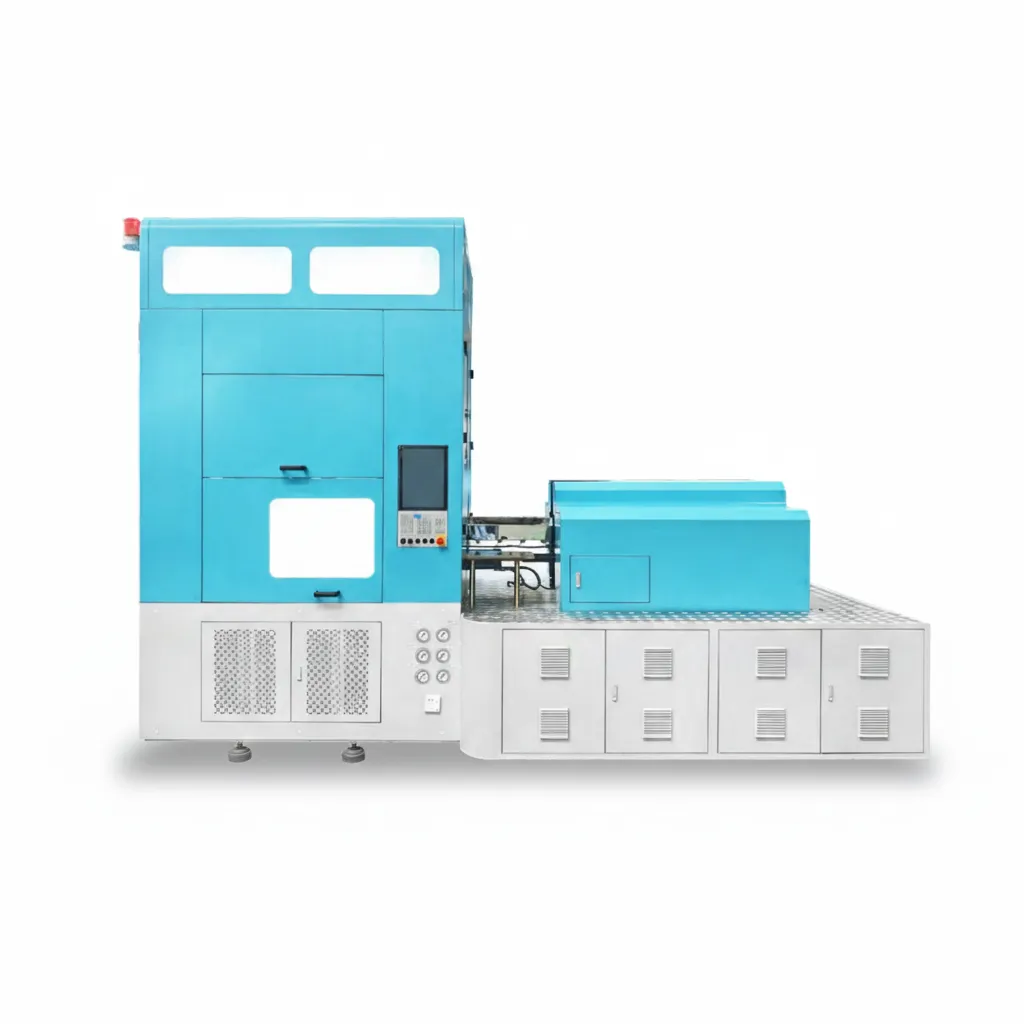
HGYS150-V4-B — Four-Station ISBM for Topical Pharmaceutical Production
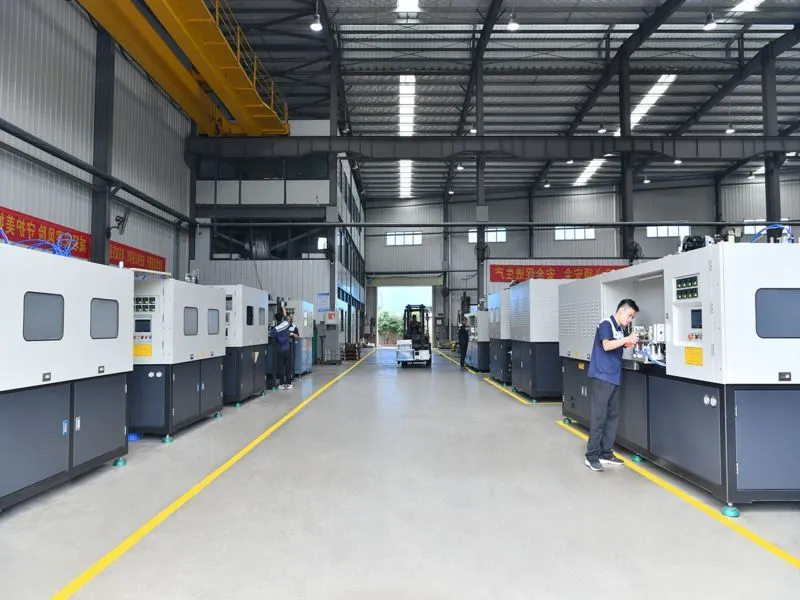
For topical pharmaceutical container production spanning prescription cream bottles, OTC dermatology dispensers, and body lotion pump formats across 15g–500ml volumes, the HGYS150-V4-B four-station one-step ISBM machine provides the production flexibility and pharmaceutical compliance capability that the dermatology packaging sector requires. The four-station rotary architecture delivers consistent cavity-to-cavity neck finish precision — critical for pump and flip-top closure compatibility across the full production run. The machine processes PET and PETG with equal precision, accommodating the material flexibility required by topical formulation diversity: standard PET for O/W cream and lotion applications, PETG for flexible gel tube formats, and amber masterbatch PET for photosensitive topical APIs. PLC process data logging with audit-trail recipe management generates the pharmaceutical GMP batch records required for TGA-registered topical product packaging. Rapid mould changeover (90–180 minutes for full changeover) supports multi-SKU dermatology product ranges from a single machine platform, reducing capital overhead for topical pharmaceutical operations producing across multiple product lines.