The Global Beverage Packaging Landscape and Why Technology Partnerships Define Competitive Position
The global beverage packaging industry processes over 500 billion PET containers annually, and the manufacturers, brands, and contract packers who collectively account for that volume share one defining operational characteristic: they have all built their production infrastructure around a technology platform that can simultaneously deliver the optical quality, structural performance, production efficiency, material economy, and supply chain flexibility that modern beverage markets demand. For the overwhelming majority of applications across still water, sparkling water, carbonated soft drinks, juice, sports drinks, and functional beverages, that platform is injection stretch blow molding — the one-step ISBM process that has evolved from a specialist technique into the definitive production technology for PET beverage containers at scale.
The story of why ISBM has achieved this central position in global beverage packaging is not simply a story of one technology outcompeting others. It is a story of how a manufacturing process progressively grew to address every strategic challenge that the beverage packaging industry faced — from the need for lighter, more material-efficient containers in the 1980s and 1990s, through the demand for complex bottle geometries that support brand differentiation in the 2000s, to the current twin imperatives of sustainability integration and supply chain resilience that define the competitive agenda for beverage packaging brands in Australia and globally in the mid-2020s.
Australia Ever-Power Injection Stretch Blow Moulding Machine Co., Ltd, operating from Condell Park NSW, provides Australian and Asia-Pacific beverage brands with access to this global technology standard — adapted to the specific operational, regulatory, and market conditions that define the Australian beverage packaging environment. This article examines why ISBM occupies its central partnership role in global beverage packaging, and what that means practically for Australian manufacturers making technology investment decisions today.
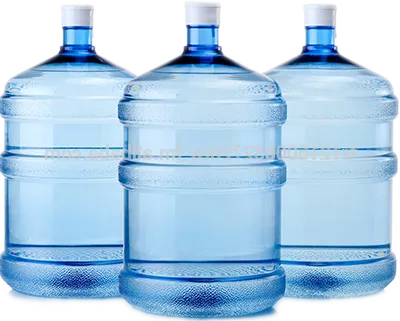
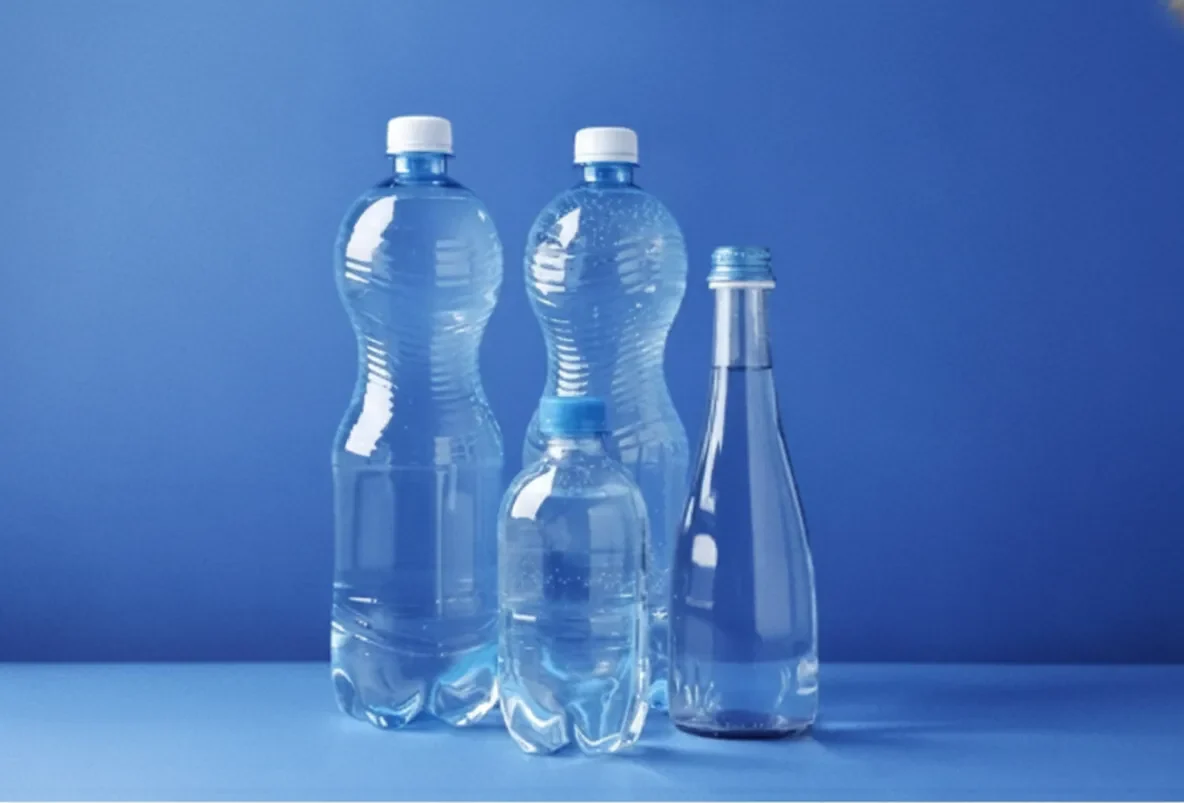
ISBM bottle manufacturing has become the technology foundation of global beverage packaging — from 100ml single-serve formats to 2L family formats across every major beverage category.
The Seven Strategic Reasons Global Brands Choose ISBM as Their Core Packaging Technology
The dominance of injection stretch blow molding in global beverage packaging is not the result of a single decisive advantage. It reflects a combination of strategic properties that, taken together, no alternative technology can match across the full range of beverage packaging requirements. The seven reasons below explain why brand owners who have evaluated all available options consistently return to ISBM as their production platform of choice.
Optical Quality Unmatched by Alternatives
The glass-like clarity that biaxially oriented PET delivers through ISBM cannot be replicated by extrusion blow moulding, injection moulding alone, or thermoforming. For brands where the product’s visual purity inside a transparent container is itself a brand asset — premium water, cold-pressed juice, functional beverages — this clarity advantage is non-negotiable and drives technology selection regardless of other factors.
Superior Material Efficiency Through Orientation
Biaxial molecular orientation multiplies the structural performance of PET per unit of material — meaning ISBM can achieve the same bottle functional performance with less resin than unoriented alternatives. This material efficiency advantage compounds into significant cost savings at commercial production volumes and simultaneously reduces the environmental footprint per unit of beverage packaged.
One-Step Integration Eliminates Supply Chain Risk
Converting PET resin directly to finished bottles in a single machine eliminates preform supply dependency, inter-stage logistics, storage space requirements, and the quality risk that accumulates at every point where product changes hands. In post-pandemic supply chains where component shortages, shipping disruptions, and supplier instability have proven operationally devastating, in-house ISBM production provides a supply chain self-sufficiency that external bottle purchasing cannot match.
Design Freedom for Brand Differentiation
ISBM’s geometric design freedom — the ability to produce almost any container shape that can be mould-designed and blow-ratio-validated — enables proprietary bottle designs that become physical brand trademarks. No other high-volume PET container production process provides equivalent design latitude while maintaining the dimensional precision needed for automated filling and capping line compatibility.
Full Recyclability Within Established PET Streams
PET bottles produced through ISBM are fully compatible with the existing kerbside and deposit-refund collection infrastructure in Australia and globally. They are sorted, processed, and reprocessed through established PET recycling streams without any special handling requirements. For brands communicating genuine circular economy credentials, using a material and process already integrated into the recycling infrastructure is a more credible foundation than novel alternative materials with unproven end-of-life pathways.
Scalable From Craft to Industrial Production
ISBM machines are available in configurations from 2–4 cavity systems producing 2,000–5,000 BPH for craft and emerging brand producers, through 8–16 cavity systems producing 12,000–25,000 BPH for mid-scale commercial operations, to high-cavity rotary systems and multi-machine installations for major beverage conglomerates producing 50,000+ BPH. The same fundamental technology serves the full production scale spectrum without requiring a technology change as production volume grows.
Proven ROI Track Record Across Beverage Segments
Across four decades of commercial ISBM deployment, the technology has produced verifiable return-on-investment outcomes across still water, CSD, juice, sports drinks, and functional beverages — in markets from Australia and the Asia-Pacific to Europe and the Americas. This track record of demonstrated ROI, supported by a well-developed global supply chain of ISBM machine manufacturers, tooling suppliers, and technical service providers, makes ISBM a commercially de-risked investment choice relative to less established alternatives.
ISBM’s Role Across Major Global Beverage Categories
Understanding how ISBM serves different beverage categories illustrates why the technology has achieved such broad adoption across the global industry. Each category imposes different packaging requirements — and ISBM meets them all from a single production platform.
| Beverage Category | Key Packaging Requirements | How ISBM Delivers | Global Market Share (PET) |
|---|---|---|---|
| Still Water | Water-white clarity, lightweight, recyclable, just-in-time supply | Mirror cavity surface + biaxial orientation + no inter-stage handling = optimal clarity and lightweighting | ~95% of premium segment |
| Carbonated Soft Drinks | Pressure resistance (3–6 bar), CO₂ barrier, petaloid base stability | High stretch ratios + precise conditioning + high blow pressure = superior orientation and barrier performance | Dominant for <3L formats |
| Juice & Hot-Fill | Hot-fill stability (85–92°C), vacuum compensation, premium appearance | Heat-set ISBM variants produce crystallinity increase that resists thermal deformation; vacuum panels engineered into geometry | Growing segment globally |
| Sports Drinks | Ergonomic grip, brand personality, impact resistance, wide-mouth option | Design freedom for complex contoured geometries; ISBM neck freedom for wide-mouth formats impractical in two-step | Preferred for premium tier |
| Functional Beverages | Premium visual differentiation, unusual shapes, glass-comparable clarity | PETG capability on servo ISBM machines delivers glass-equivalent optical quality in proprietary bottle geometries | Fastest-growing PET segment |
| RTD Tea & Coffee | UV protection, barrier performance, premium aesthetics for shelf | UV-tinted PET grades processable in ISBM; design latitude for on-shelf standout in competitive tea/coffee aisle | Strong and growing |
This category coverage breadth — a single production technology platform serving every major liquid beverage category — is itself a strategic partnership advantage. A beverage brand that builds its production infrastructure around ISBM can extend into new categories without platform changes, equipment retraining, or supplier relationship rebuilds. The technology scales with the brand’s portfolio ambition.

Supply Chain Sovereignty: How In-House ISBM Production Changes the Strategic Position of a Beverage Brand
For most beverage manufacturers, packaging represents the single largest component of per-unit cost of goods — typically 30–50% of total COGS for a bottled water product, and 20–35% for carbonated soft drinks and juices where the beverage ingredients add more cost. The manufacturer who relies on external bottle suppliers for this major cost component has delegated both cost control and supply security to a third party whose interests do not align perfectly with the manufacturer’s own operational needs.
The Cost Control Advantage of Vertical Integration
A beverage manufacturer running its own ISBM bottle production controls its bottle cost at the level of PET resin price plus conversion cost — eliminating the external bottle supplier’s margin, transport cost, and storage cost that are embedded in the purchase price of externally sourced bottles. At Australian commercial volumes of 20–50 million bottles per year for a mid-scale beverage operation, the difference between in-house production cost and external purchase price routinely represents a saving that provides a compelling return on the ISBM capital investment within 2–4 years. The saving compounds annually for the machine’s entire operational life — typically 10–15 years — producing a total value creation that makes the initial machine investment look modest in comparison.
Supply Security in a Disrupted World
The years 2020–2023 provided beverage manufacturers globally with an unwanted but highly instructive demonstration of what happens when packaging supply chains are disrupted. External bottle suppliers faced container shipping disruptions, resin allocation constraints, and production capacity limitations that created bottle shortages for beverage manufacturers at exactly the moments when demand was highest. Manufacturers with in-house ISBM production were exposed only to PET resin supply risk — a commodity with diversified global supply and multiple substitutable sources — rather than to the compounded risk of all the links in the external bottle supply chain simultaneously. In Australia, where geographic isolation amplifies the impact of global supply chain disruptions, the supply sovereignty provided by in-house ISBM production has a strategic value that is difficult to quantify but easy to understand after a stock-out event.
Just-in-Time Production and Working Capital Efficiency
In-house ISBM production converts PET resin into finished bottles at the rate the filling line consumes them, eliminating the preform and finished bottle inventory buffer that external supply chains require. A typical external-supply beverage operation carries 5–10 days of bottle stock to buffer against supply variability and delivery schedule uncertainty. For a medium-scale Australian beverage operation producing 15,000 bottles per hour across 250 production days, this buffer represents a significant working capital lock-up and a significant warehouse space commitment. ISBM production eliminates this buffer requirement entirely, releasing both working capital and storage space to more productive uses — a financial benefit that directly improves return on assets and reduces the working capital intensity of the overall beverage manufacturing operation.
How Global Beverage Giants Use ISBM — and What Australian Brands Can Learn From Their Approach
The world’s largest beverage companies — multinational water brands, global CSD conglomerates, and regional premium juice producers — have each developed sophisticated ISBM-centred production strategies that reveal the most advanced applications of the technology. While Australian mid-scale brands operate at a different production scale, the strategic principles their global counterparts have refined are directly applicable at any volume.
Proprietary Bottle Design as a Competitive Moat
The world’s most recognisable beverage bottles — the contoured profiles of premium water brands, the distinctive grip geometries of major sports drink brands, the sculptural forms of premium functional beverage producers — were all designed as proprietary three-dimensional trademarks that are themselves intellectual property assets. Each requires dedicated ISBM tooling that only the brand owner controls, making exact replication by competitors impossible without their own tooling investment. These bottle designs were not accidents: they were strategic decisions to invest in packaging that builds physical brand recognition and creates a competitive moat that cannot be overcome by label design alone. Australian beverage brands competing in premium categories have the same strategic option available — the tooling investment required for a proprietary bottle design is modest relative to the brand equity it builds over time.
Lightweighting as a Competitive Cost and Sustainability Programme
Global beverage brands have invested systematically in lightweighting programmes that, over the past two decades, have reduced average PET bottle weights by 30–40% from their early-2000s baselines. These programmes were driven simultaneously by cost reduction objectives (less PET per bottle = lower material cost) and sustainability objectives (less PET per bottle = lower embodied carbon per unit sold). The methodology — mould flow simulation to identify weight reduction opportunities, ISBM process re-optimisation to achieve higher stretch ratios that compensate for reduced wall thickness — is the same methodology available to Australian producers regardless of their scale. Ever-Power’s technical team supports lightweighting development programmes for Australian brands as part of its ongoing customer technical service.
Multi-Country Production Standardisation
For beverage brands operating across multiple countries or considering export growth, ISBM provides a production technology that can be replicated at different geographic locations with consistent quality outcomes — using the same machine platform, the same tooling design standards, and the same validated process parameters — regardless of local labour cost, utility availability, or logistics infrastructure differences. This replicability is a significant advantage for brands building Asia-Pacific scale across Australia, New Zealand, Southeast Asia, and the Pacific Islands, where ISBM machine installation supported by an Australian supplier with regional presence provides a consistent technical foundation across geographically dispersed operations.
The Sustainability Partnership: How ISBM Aligns With the Circular Economy Agenda
The packaging sustainability agenda has moved from voluntary corporate commitment to legally mandated compliance in major markets, and Australia’s National Packaging Targets — committing to 70% recycled content in packaging by 2025 and 100% of packaging recyclable by 2025 — set the regulatory framework within which Australian beverage brands must operate. ISBM’s alignment with this agenda is structural rather than incidental, and understanding the specific dimensions of that alignment helps brands communicate their packaging sustainability credentials accurately and compellingly.
100% Kerbside Recyclable
PET bottles produced by ISBM are accepted in Australian kerbside recycling, Container Deposit Schemes, and supermarket return-to-store programmes. No special end-of-life infrastructure is required. The bottle is collected, sorted, cleaned, and reprocessed into food-grade rPET that can re-enter the ISBM production stream — completing the circular economy loop that no alternative packaging material currently matches in infrastructure maturity.
Lower Energy Per Bottle
One-step ISBM’s residual heat retention eliminates a full reheating cycle, and all-electric servo machines achieve best-in-class energy consumption per bottle produced. In Australian facilities where renewable energy procurement is increasingly available, the low-energy ISBM process can achieve near-zero carbon packaging production when combined with renewably sourced electricity — a combination that supports Scope 3 emissions reduction reporting for both the packaging manufacturer and the beverage brand using its output.
rPET Integration Ready
Current-generation ISBM machines with adaptive injection profiling can process rPET blends of 25–50% in most beverage applications, and up to 100% food-grade rPET in still water bottles where optical tolerances allow. This rPET compatibility directly supports brands’ commitments to the National Packaging Targets and to retailer sustainability requirements that are increasingly incorporating recycled content minimums into supplier codes of conduct.
Lightweighting Reduces Embodied Carbon
Every gram of PET removed from a bottle through lightweighting reduces both material cost and the embodied carbon footprint of the bottle. ISBM’s biaxial orientation enables the most aggressive lightweighting of any PET bottle production process — thinner walls achieve equivalent structural performance because orientation is providing the strength that mass previously had to deliver. Systematic lightweighting programmes reduce the tonnes of virgin PET consumed annually, directly reducing the supply chain’s upstream carbon contribution.
The combination of recyclability, energy efficiency, rPET compatibility, and lightweighting capability makes ISBM-produced PET the most sustainability-optimised packaging format currently available for high-volume beverage applications. This is not a marketing claim — it is a verifiable technical and lifecycle analysis outcome that positions ISBM-produced PET bottles as the baseline against which alternative packaging innovations are measured, rather than as an incumbent that alternatives are seeking to replace.
Technology Evolution: How Modern ISBM Machines Have Advanced Beyond First-Generation Capability
The injection stretch blow molding machine of 2025 bears the same name and same fundamental operating principle as the machines of the 1990s, but its operational capabilities have advanced to a degree that makes direct comparison misleading. Understanding what has changed — and what those changes mean for production outcomes — helps brand owners evaluate why machine vintage matters and why current-generation equipment from suppliers like Ever-Power delivers outcomes that older installations cannot match.
▶ From Hydraulic to All-Electric Servo
Hydraulic machines dominated ISBM for the first two decades of the technology’s commercial life. All-electric servo systems, now standard on production-grade ISBM machines, deliver 20–35% lower energy consumption, eliminate hydraulic oil maintenance and contamination risk, provide encoder-based positional repeatability that hydraulic systems cannot match, and enable the regenerative energy recovery that further reduces net energy per bottle.
▶ Closed-Loop Process Intelligence
Modern PLC systems with closed-loop feedback on temperature, shot weight, blow timing, and cooling perform continuous correction that maintains process parameters within tight bands without operator intervention. Alarm logging, production data export, and remote diagnostic access — standard on current machines — provide the process visibility and diagnostic capability that first-generation machines completely lacked, making sustained high-OEE production achievable rather than aspirational.
▶ Adaptive rPET Processing
Early ISBM machines were designed for consistent virgin PET with predictable melt characteristics. Current machines incorporate adaptive injection profiling that compensates in real time for the batch-to-batch IV variability and different melt flow behaviour of rPET blends — enabling the recycled content integration that sustainability requirements now demand without compromising bottle quality or process stability.
▶ Modular Architecture for Scalability
Current-generation ISBM platforms are designed with modular station architectures that allow cavity count expansion without full machine replacement, software upgrade paths for Industry 4.0 connectivity, and standardised tooling interfaces that simplify the addition of new bottle SKUs without machine reconfiguration. This modularity future-proofs the investment against production volume growth and portfolio expansion in ways that earlier fixed-architecture machines could not.
The ISBM Partnership Model: What the Best Supplier Relationships Look Like
The word “partner” in this article’s title is not a marketing convenience. The relationship between a beverage brand and its ISBM machine supplier genuinely determines the quality of the production outcomes achieved — not just at installation, but across the entire operational life of the machine. Understanding what distinguishes a genuine partnership from a transactional equipment sale helps brand owners structure supplier selection processes and ongoing relationships that maximise the value of their ISBM investment.
Pre-Investment Technical Assessment
A genuine ISBM technology partner begins the relationship not with a product presentation, but with a thorough assessment of the brand’s production requirements — current bottle specifications, filling line parameters, SKU range, growth plans, sustainability commitments, and available site infrastructure. This assessment informs a machine and tooling specification recommendation that is genuinely optimised for the customer’s requirements rather than for the supplier’s inventory. The output of a thorough pre-investment assessment is a technical recommendation that the brand can evaluate, challenge, and independently verify before committing capital — not a sales proposal designed to close quickly.
Commissioning as a Knowledge Transfer Process
Machine installation is the minimum that any supplier provides. A partnership-grade commissioning programme goes beyond machine startup to include full process optimisation (using DoE methodology to find the best process settings for each bottle SKU), quality system setup (installing the inline monitoring and sampling protocols that will sustain quality after the commissioning team leaves), operator training (building genuine process understanding in the production team, not just button-sequence familiarity), and documented handover (SOPs, process recipes, maintenance schedules, and spare parts recommendations that become the operational foundation for the first year of production). Ever-Power’s commissioning programme is structured to deliver this complete knowledge transfer outcome, so that the brand’s team owns the process from day one rather than remaining dependent on the supplier for basic operational decisions.
Ongoing Technical Engagement After Sale
The highest-value ISBM partnerships are characterised by ongoing technical engagement that extends well beyond warranty periods and scheduled maintenance visits. This engagement includes: periodic process reviews that identify efficiency improvement opportunities as the production team’s experience deepens; product development support when the brand is designing new bottle formats or evaluating new PET grades; sustainability advisory input as rPET specifications and lightweighting requirements evolve; and rapid technical response when production issues arise that the internal team cannot diagnose independently. Ever-Power’s NSW base provides Australian customers with physical accessibility to this ongoing technical engagement — a practical advantage that remote suppliers cannot replicate, and that makes the difference between a supplier whose involvement ends at commissioning and a partner whose contribution continues across the machine’s operational life.
The Australian Beverage Market Context: Why ISBM Fits the Local Landscape Particularly Well
The strategic case for ISBM as a global beverage packaging technology is compelling. The case for Australian beverage manufacturers specifically is even stronger, because the characteristics of the Australian market amplify several of ISBM’s most important advantages in ways that may not apply equally in other geographies.
Geographic Isolation and Supply Chain Risk
Australia’s geographic distance from major bottle manufacturing concentrations in Asia and Europe means that international bottle supply chains carry inherently higher disruption risk and longer lead times than equivalent supply chains in continental markets. The 5–10 day bottle inventory buffer that a European manufacturer might carry can expand to 30–45 days for an Australian manufacturer dependent on international shipments — a working capital burden that adds directly to the cost of external supply. In-house ISBM production eliminates this geographic risk entirely by locating bottle production within the same facility as the filling line, with PET resin — a globally traded commodity with multiple domestic and international sources — as the only supply chain input requiring active management.
High Electricity Costs Favour Energy-Efficient ISBM
Industrial electricity prices in Australia are consistently among the highest in the developed world. This pricing context amplifies the financial benefit of ISBM’s energy efficiency advantage — specifically, the all-electric servo machine’s 20–35% lower energy consumption per bottle versus hydraulic-assist alternatives, and the one-step process’s elimination of the full preform reheating cycle. For Australian manufacturers evaluating the total cost of ownership of ISBM versus two-step systems, the energy cost differential is proportionally larger than it would be in lower-electricity-cost markets, making the case for the most energy-efficient ISBM configuration stronger in Australia than almost anywhere else.
Container Deposit Schemes Creating rPET Supply Streams
Australia’s Container Deposit Schemes (CDS), now operating in all states and territories, are generating significant and growing volumes of food-grade PET collection that is being processed into rPET suitable for beverage bottle re-use. Beverage manufacturers with ISBM operations are uniquely positioned to close this loop locally — purchasing Australian-collected rPET, processing it through their ISBM machines into new beverage bottles, and communicating this as a genuine, locally-closed circular economy story that resonates specifically with Australian consumers and satisfies retailer sustainability requirements. This local circular economy narrative — “Australian bottles recycled into Australian bottles” — is a brand differentiation available only to manufacturers with in-house ISBM capability and the right machine specification to accommodate rPET processing.
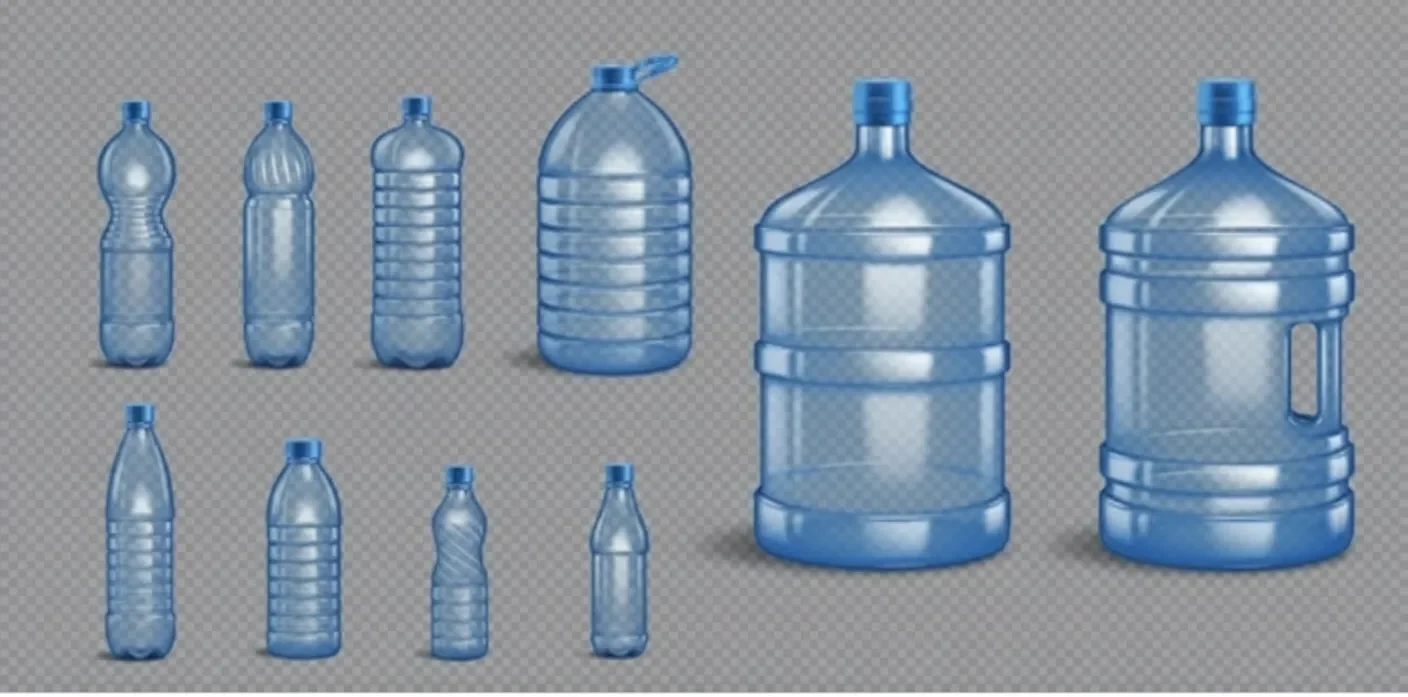
Building the Business Case: A Framework for ISBM Investment Evaluation
For Australian beverage brands evaluating whether to invest in ISBM production for the first time — or to upgrade existing equipment — the business case rests on a set of financial and strategic variables that can be modelled with reasonable precision once the production requirement is clearly defined. The framework below provides a starting structure for that evaluation.
Current Bottle Cost Baseline
Document the current per-unit cost of externally purchased bottles, including purchase price, freight, storage, handling, and damage/waste allowance. This is the cost that in-house ISBM production must beat to generate financial return. For most Australian operations purchasing bottles externally, this baseline cost significantly exceeds the per-unit in-house production cost achievable at commercial ISBM volumes.
In-House Production Cost Modelling
Calculate the in-house production cost at your annual volume: PET resin cost (current market price × kg per bottle) + energy cost (kWh per bottle × local tariff) + labour (production staff hours amortised over annual output) + maintenance (annual maintenance budget ÷ annual output) + overhead allocation. This produces a per-bottle in-house production cost that, at commercial volumes, is typically 20–40% below the externally purchased equivalent.
Annual Saving and Payback Calculation
Multiply the per-bottle cost saving (external cost minus in-house cost) by annual production volume to produce the annual financial saving. Divide the total investment (machine + tooling + site infrastructure) by the annual saving to produce the simple payback period. Most Australian commercial beverage operations achieve payback periods of 2–4 years on this calculation, with the balance of the machine’s 10–15 year operational life generating substantial free cash flow after payback.
Strategic Value Quantification
Add the strategic value components that are real but harder to quantify: working capital released from eliminated bottle inventory, storage space cost avoided, supply chain risk premium eliminated, brand equity created by proprietary bottle design, and sustainability credential value from rPET integration and lightweighting. These strategic values frequently exceed the direct financial saving, making the total investment case more compelling than a pure cost-comparison analysis suggests.
Sensitivity Analysis for Risk Management
Test the business case against downside scenarios: lower production volume than planned (what is breakeven volume?), higher PET resin price (does the saving persist if resin costs increase 20%?), energy cost increase (how does the payback change at double current electricity price?). A business case that remains compelling across a range of scenarios gives the investment decision a firmer foundation than one that depends on optimistic central assumptions across all variables.
The Future of ISBM in Global Beverage Packaging: Where the Technology Is Heading
ISBM’s central position in global beverage packaging is not a static achievement — it is being actively reinforced by the direction of current technology development, which is addressing the remaining challenges that currently limit ISBM’s scope and positioning the technology for an even broader role in the decade ahead.
High-barrier ISBM, incorporating either nanocomposite barrier coatings applied inline during the blow process or multi-layer preform structures produced in modified injection stations, is extending ISBM’s scope into beverage categories — including oxygen-sensitive juices, high-end dairy drinks, and pasteurised beverages — that previously required glass or aluminium packaging for their barrier requirements. As these barrier technologies mature, the categories where glass or aluminium retain a packaging advantage over ISBM-produced PET will continue to narrow.
Returnable and refillable PET bottles, produced through a modified ISBM process that delivers higher wall thickness and heat-set crystallinity enabling multiple fill cycles before recycling, are gaining commercial traction in markets with refillable infrastructure — particularly for large-format still water. This application category extends PET’s environmental advantage by reducing the per-fill packaging material consumption by an order of magnitude compared to single-use formats.
The integration of artificial intelligence into ISBM process control — using machine learning models trained on historical process data to predict and prevent quality deviations before they occur — is moving from laboratory development into commercial deployment, with early adopters reporting measurable OEE improvements from AI-assisted parameter optimisation that goes beyond what human operators and conventional PLC control can achieve. These AI-assisted machines will be the standard rather than the premium tier within five to eight years, and the supplier relationships established now determine which brands have first-mover access to these capabilities as they become commercially available.
Build Your Beverage Brand’s ISBM Partnership
Australia Ever-Power’s engineering team in Condell Park NSW provides structured ISBM investment assessments, technical feasibility analysis, and complete project delivery for Australian and Asia-Pacific beverage brands at every stage from first evaluation to full production.
Begin Your Investment Assessment →
[email protected] | Condell Park NSW 2200, Australia | isbm-technology.com
Featured Product
One-Step Injection Stretch Blow Molding Machine — Four-Station HGYS200-V4
For Australian beverage brands taking their first step into in-house ISBM production — or upgrading from an older hydraulic machine to a current-generation platform — the HGYS200-V4 four-station one-step injection stretch blow molding machine represents an optimally balanced entry point into commercial ISBM production. The four-station architecture delivers the production throughput needed for mid-scale Australian beverage operations across still water, light CSD, juice, and sports drink bottle formats, while the machine’s specification reflects current best practice in servo-assisted drive systems, PLC-based closed-loop process control, independent zone conditioning, and multi-circuit mould cooling. The HGYS200-V4 is compatible with both virgin PET and food-grade rPET blends, supporting the recycled content integration that National Packaging Targets and retailer sustainability requirements increasingly mandate. Its compact footprint and standardised utility connection specifications make it straightforward to integrate into existing Australian beverage facility layouts without major site infrastructure changes. Detailed technical parameters, cavity configuration options, bottle volume range, and application suitability guidance are available at isbm-technology.com. To discuss whether the HGYS200-V4 is the right platform for your specific production requirements, contact the Ever-Power engineering team at [email protected].
Frequently Asked Questions: ISBM as a Global Beverage Packaging Technology Partner