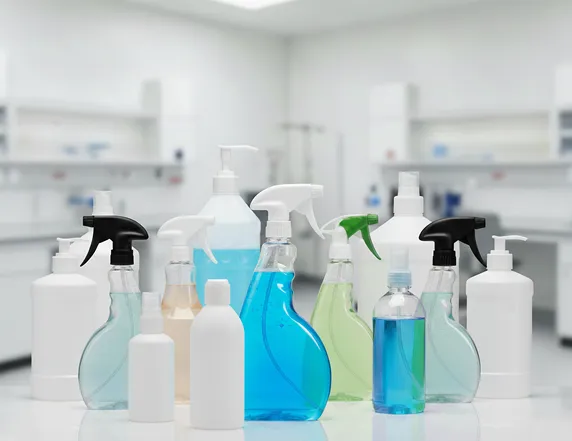
Household cleaner bottles sit at a demanding intersection of chemical engineering, mechanical design, and regulatory compliance. The formulations they contain—bathroom disinfectants, kitchen degreasers, floor cleaners, toilet bowl treatments, and multi-surface concentrates—span a pH range from 1.5 to 13, incorporate active ingredients that can degrade incompatible polymers, and are often stored for months before use by consumers who expect the container to remain leak-free and structurally intact throughout. The packaging must also carry mandatory hazard communication under Australia’s Safety Data Sheet (SDS) and Poisons Standard requirements. Injection stretch blow molding addresses these technical demands by producing containers with the structural rigidity, chemical barrier performance, and dimensional accuracy that household cleaning product packaging requires—while keeping per-unit manufacturing costs manageable at the volumes this category demands. This guide examines the full production journey, from material selection through tooling design to finished-goods quality testing.
Household Cleaner Packaging: High-Demand, High-Specification
The household cleaning product category is one of the most technically demanding segments in consumer goods packaging. Containers must tolerate aggressive chemistry over storage periods of 18–36 months, pass the same transport and distribution drop tests applied to food packaging, and meet increasingly stringent sustainability requirements from both regulators and major retail buyers. In Australia, products classed as hazardous goods under the Work Health and Safety (WHS) Regulations carry specific labelling requirements, and containers must be designed to remain leak-proof under the transport classifications that apply to their contents. For products scheduled under the Poisons Standard (e.g. chlorine-containing disinfectants), child-resistant closures are mandatory, adding a functional requirement to the neck finish specification that goes beyond simple aesthetic or ergonomic considerations.
At the commercial level, the household cleaner market is intensely competitive. Both branded multinationals and private-label producers are under continuous pressure to reduce packaging cost while maintaining perceived value on-shelf. Lightweighting through better material distribution—a direct output of optimised ISBM process parameters—is one of the few levers available to reduce material spend without compromising performance. At volume, a reduction of just 3–4 grams per bottle translates to tens of tonnes of PET resin saved annually across a large-format cleaner production run.
Where the ISBM Process Outperforms for Household Cleaner Bottle Applications
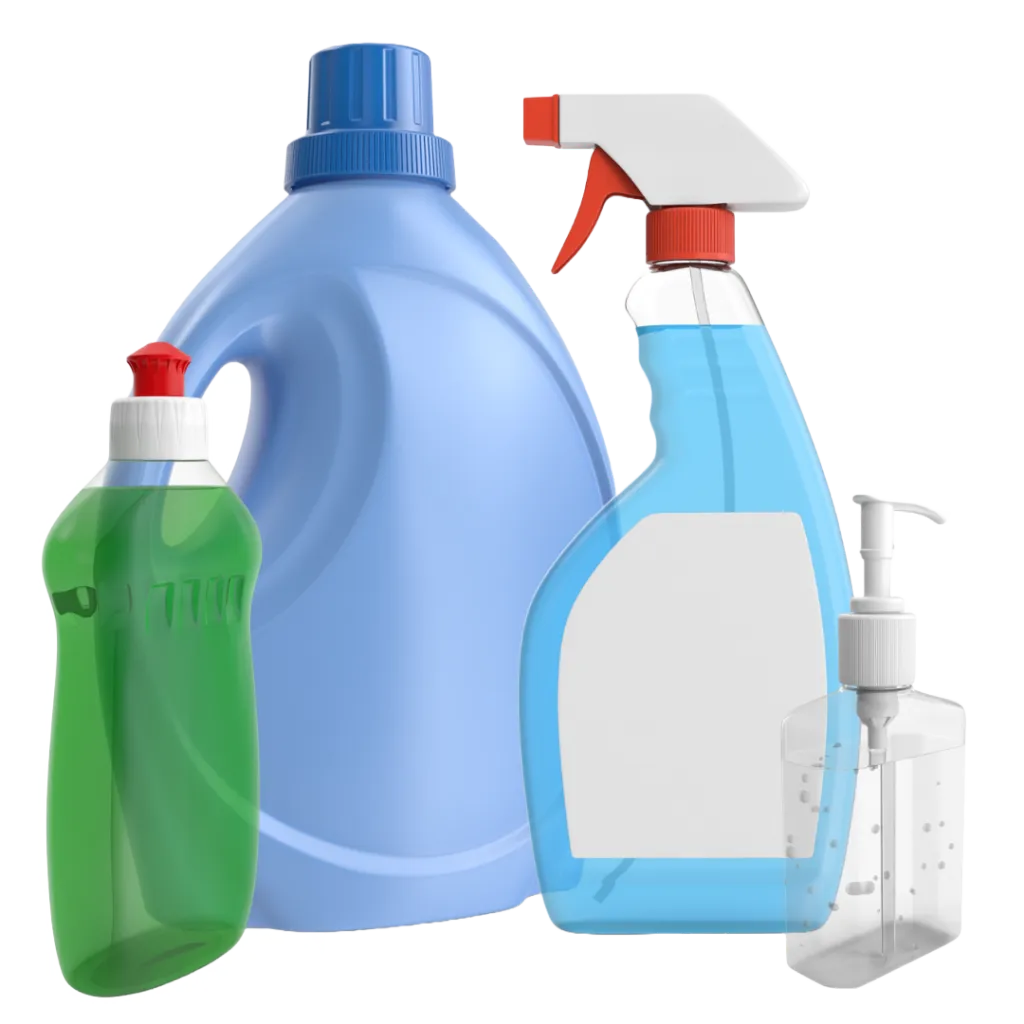
Competing production processes each have legitimate applications in household product packaging, but none offers the same combination of properties as injection stretch blow molding for cleaner bottles in the 250 ml–2,000 ml volume range. Extrusion blow molding (EBM) in HDPE is widely used for opaque cleaner bottles but produces containers with relatively poor thickness uniformity (±15–20% variation is common) and no optical clarity. These properties are adequate for opaque formulations but unacceptable for clear or tinted products where the consumer needs to see the fill level or the formula colour. Injection blow molding (IBM) without the stretch phase produces clear containers with excellent neck accuracy but lacks the biaxial orientation that gives ISBM its structural advantages.
🆚 ISBM vs Extrusion Blow Molding
- Wall variation: ±5% vs ±15–20%
- Optical clarity: Excellent vs None (HDPE)
- Neck finish accuracy: Injection grade vs Extrusion grade
- Stretch-oriented strength: Yes vs No
- Recyclability: PET No. 1 vs HDPE No. 2
🆚 One-Step vs Two-Step ISBM
- Preform storage: Not required vs Required
- Reheating energy: None vs Significant
- Process variability: Lower vs Higher
- Footprint: Compact vs Larger
- ROI at mid volume: Better vs Variable
Design Requirements for Household Cleaner Containers
Volume Range and Format Diversity
Household cleaner bottles produced via PET bottle production through ISBM equipment span a volume range of approximately 250 ml (concentrated bathroom sprays and sachets) to 2,000 ml (floor cleaner bulk formats). This range encompasses multiple distinct container architectures: short, wide-base formats for under-sink stability; tall, narrow profiles for shelf-space efficiency; and angled handles or grip indentations for pouring large-format containers without spills. Each format requires its own preform design and blow mould geometry, but the core machine platform remains unchanged. A single four-station ISBM machine with interchangeable tooling can run all of these formats, making it a commercially flexible asset in a multi-SKU cleaner bottle facility.
Chemical Barrier and Compatibility Standards
PET’s chemical compatibility spectrum covers the majority of household cleaner formulation types. It is resistant to dilute acids and alkalis, surfactants, alcohols, and many terpene-based cleaning solvents. It performs less well against highly concentrated aromatic solvents, chlorinated compounds at elevated temperatures, and formulations with free fatty acids—conditions rarely encountered in standard household cleaning products but important to verify for industrial-grade concentrates. Where the formulation chemistry presents any compatibility uncertainty, ISBM machine suppliers should be engaged early in the project, as resin grade selection and wall thickness specification both influence the effective chemical barrier. Australia Ever-Power’s applications engineers can review formulation chemistry alongside bottle design to provide a compatibility risk assessment before tooling investment is committed.
Manufacturing Flow: One-Step ISBM for Household Cleaner Bottles
The one-step ISBM process integrates all forming operations—injection, conditioning, stretch, and blow—into one continuous machine cycle. For household cleaner bottles, the process is optimised to manage the wider range of container profiles and volumes encountered in this category. Below is the production sequence, with specific notes on the parameters that matter most for cleaner bottle quality.
🧱 PET Drying & Masterbatch Dosing
PET pellets are dried below 50 ppm moisture (160°C, 5–6 h). For opaque cleaner bottles, colour masterbatch is gravimetrically dosed at this stage. UV-stabiliser and anti-static additives are also introduced here for formulations with extended shelf-life requirements.
💉 Preform Injection Moulding
Melt injected at 265–285°C (lower end for rPET blends to protect recycled chain length). Shot weight is calibrated to the final bottle weight specification. The preform neck is fully formed in this station and requires no further modification.
🌡️ Zoned Thermal Conditioning
For large-format cleaner bottles (1,000–2,000 ml), conditioning station dwell time is extended to allow the thicker preform body to reach the orientation window uniformly. Zoned heater bands target the shoulder and base independently to prevent non-uniform wall distribution at the extremities.
📏 Controlled Axial Stretch
Stretch rod extends at 1.0–1.8 m/s depending on bottle height. For tall cleaner bottles, the rod must travel to within 2–3 mm of the mould base to set the base material distribution correctly. Servo control allows the velocity profile to be adjusted in fine increments without mechanical hardware changes.
💨 Pre-Blow and Final Blow
A two-stage blow sequence—low-pressure pre-blow (8–12 bar) followed by high-pressure final blow (30–40 bar)—is standard for cleaner bottles with complex shoulder shapes or wide bases. This prevents material bunching at the shoulder transition and ensures complete mould contact at the base perimeter.
📦 Cooling, Ejection, Downstream
Mould temperature maintained at 8–15°C to fix orientation and minimise thermal shrinkage. Ejected bottles convey to the filling line or into accumulation bins for batch filling. No secondary heating, handling, or preform logistics required.
PET Bottle Production Parameters for Household Cleaner Containers
Process parameter management is where the quality gap between well-run ISBM operations and poorly managed ones becomes apparent. The parameters that most directly affect cleaner bottle quality—and the control ranges that define a stable, high-yield process—are summarised below. These values are typical for a four-station machine running 500–1,000 ml cleaner bottles in PET at an IV of 0.80 dl/g.
The practical implication of these interdependencies is that optimising a new cleaner bottle format requires a structured Design of Experiments (DoE) approach during process qualification, testing combinations of conditioning temperature, blow pressure, and stretch rod velocity to identify the operating window that simultaneously meets wall thickness, clarity, and cycle time targets. This work is completed during machine commissioning and documented in the process validation report supplied with the machine installation.
Tooling Design for Functional and Commercial Cleaner Bottle Formats
Neck Finish Compatibility: Trigger, Flip-Top, Child-Resistant, and Screw Closures
Household cleaner bottles must accommodate a wider variety of closure types than almost any other packaging segment. Depending on the regulatory classification of the formulation, the same product line might ship in standard screw-cap format to consumer retail and in child-resistant closure (CRC) format for pharmacy, and online channels. The ISBM preform mould determines the neck finish geometry, and since the neck is formed with injection-moulding precision, the same mould design can support any closure type that fits the specified neck diameter and thread form. Standard household cleaner neck finishes include 28 mm (trigger spray and screw caps), 38 mm (wide-mouth caps and CRC closures), and 45 mm (pump closures for high-viscosity gel cleaners). Each can be tooled and qualified on the same machine platform.
Label Panel Flatness, Surface Quality, and Sleeve Label Compatibility
Cleaner bottles in the Australian retail market use multiple label application methods: pressure-sensitive labels, shrink-sleeve labels, and increasingly, heat-transfer and in-mould label applications. Each places different requirements on the bottle surface. Pressure-sensitive labels require a flat panel with surface energy above 38 mN/m for adhesive bonding—a characteristic that PET naturally maintains. Shrink-sleeve labels require a non-circular cross-section with sufficient variation in perimeter diameter to allow the sleeve to locate correctly during heat shrink; this is designed into the blow mould geometry. In-mould labels (IML) require specific surface preparation that is discussed during the mould design phase. ISBM moulds are polished to a surface finish of Ra ≤ 0.4 µm on all label-bearing surfaces, producing bottle walls clear enough for label-free segments without optical defects.
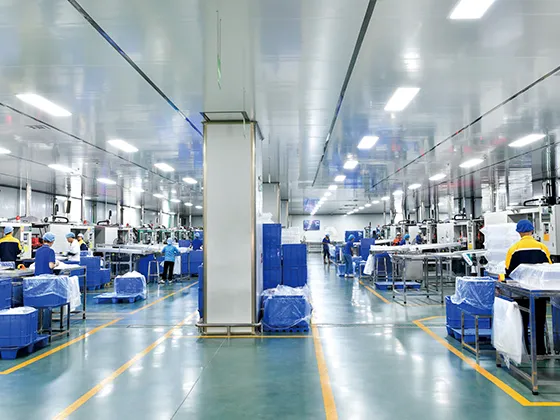
Process Control and Quality Assurance in Household Cleaner Bottle Lines
Quality assurance for household cleaner bottles must cover both the structural integrity of the container and its compatibility with the fill formulation over the intended shelf life. The following quality protocol represents current best practice for ISBM cleaner bottle lines supplying major Australian retailers and chemical distributors.
⚗️ Chemical Compatibility Immersion Test
Sample bottles from each new SKU are filled with the actual cleaning formulation and stored at 40°C for 8 weeks as an accelerated aging trial (equivalent to approximately 18 months at ambient). At intervals, bottles are weighed for permeation loss, squeezed to check for stress-crack initiation, and the fill solution is tested for PET oligomer migration. Results must meet the FSANZ limits for food-contact materials (where applicable) and the brand’s own migration specification.
📦 Transport Simulation Testing
Filled and sealed bottles are placed in standard retailer shipping cartons and subjected to vibration (ASTM D4169) and drop testing (1.2 m, flat, corner, and edge drops) to simulate road transport from distribution centre to store shelf. Bottles must arrive without leakage, closure displacement, or visible body deformation. For products classified as Dangerous Goods, UN certification testing applies in addition to these standard tests.
📊 In-Process SPC Monitoring
Production runs under continuous statistical process control with bottle weight measured every 20 minutes and plotted on X-bar/R charts. Control limits at ±1.5% of target weight trigger an operator review; limits at ±2.5% trigger an automatic process hold. Temperature, pressure, and timing data from the machine controller are logged to the quality management system for traceability against each production lot.
🔒 Child-Resistant Closure Verification
For products scheduled under the Poisons Standard requiring CRC closures, neck finish dimensions are audited on every batch using Go/NoGo gauges matched to the CRC closure supplier’s tooling. CRC engagement torque is validated on a sample of 30 assembled bottles per batch to confirm that the closure cannot be removed by a child (≤51 N·cm opening torque with the assist mechanism deactivated) while remaining operable by adults.
Output Capacity, Cost Structure, and Investment Returns
Justifying an ISBM machine investment requires a clear view of the output economics and the total cost of ownership over the machine’s working life—typically 10–15 years with routine maintenance. The figures below reflect typical performance for a four-station machine in the 200-tonne clamping force class producing household cleaner bottles in the 500–1,000 ml range.
For manufacturers currently purchasing cleaner bottles from third-party moulders, the break-even volume for in-house ISBM production typically falls between 5 and 10 million bottles per year, depending on the complexity of the bottle format and the cost of bought-in bottles. At volumes above this threshold, the savings in per-unit cost—from eliminating moulder margin, reducing inbound logistics, and improving quality control continuity—typically generate a full return on the machine investment within 3–5 years. Australia Ever-Power offers a no-obligation investment analysis for manufacturers considering the transition to in-house ISBM production.
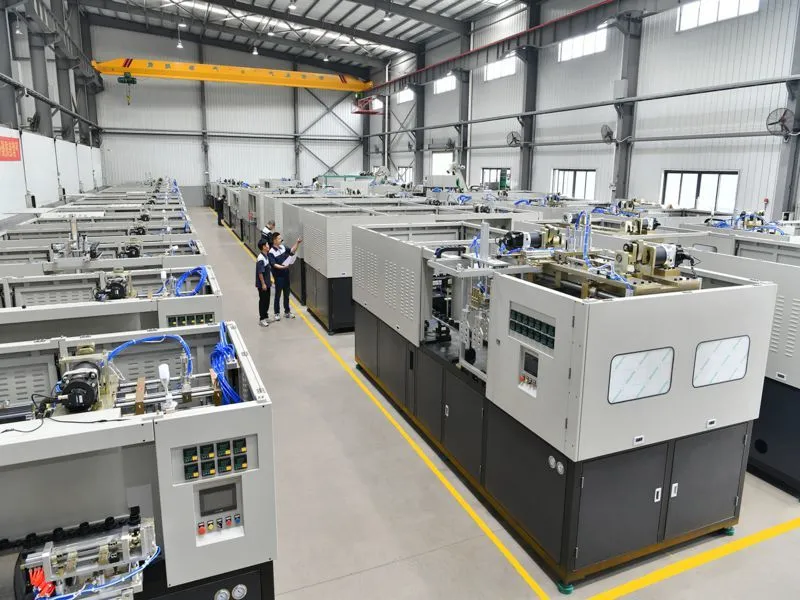
Sustainability and Recycled Content in Household Cleaner Bottle Packaging
Australia’s 2025 National Packaging Targets—100% reusable, recyclable, or compostable packaging—are now a procurement requirement at major retail chains including Woolworths and Coles. For household cleaner manufacturers, PET produced through ISBM is one of the clearest paths to compliance: it is kerbside-recyclable, available in post-consumer recycled grades, and can be lightweighted more aggressively than HDPE alternatives through optimised biaxial orientation.
rPET Integration
Up to 50% post-consumer rPET is processable on ISBM machines with appropriate resin IV management. For non-food-contact cleaner bottles, rPET content above 30% is achievable without visual quality compromise at standard production conditions.
Lightweighting
ISBM’s precise material distribution enables cleaner bottles that are 20–30% lighter than non-oriented alternatives of equivalent strength. Each gram removed per bottle represents tangible resin savings and lower transport emissions at scale.
Servo Energy Efficiency
Fully servo-electric ISBM machines reduce per-bottle energy consumption by up to 45% versus hydraulic designs. Over a 10-year machine life at full production capacity, the cumulative electricity saving represents a material reduction in the production facility’s Scope 2 emissions.
Packaging Compliance for Household Chemical Products in Australia
Household cleaning products sold in Australia are subject to several regulatory frameworks that directly influence packaging design and material selection. Manufacturers working with an ISBM machine supplier familiar with these requirements can avoid costly compliance failures during product registration and retail listing.
🏛️ Poisons Standard (TGA)
Schedule 5 and 6 household chemical products require specific closure types (child-resistant, where mandated) and label panel dimensions to accommodate mandatory hazard statements. Neck finish tooling for CRC closures is specified to TGA/AS-validated closure standards.
📦 Dangerous Goods (ADG Code)
Cleaning concentrates classified as Class 8 (corrosive) or Class 3 (flammable) under the ADG Code require UN-certified packaging. PET containers from ISBM can achieve UN certification for applicable packing groups through NATA-accredited drop and stack testing.
♻️ APCO 2025 Targets
APCO signatories (including major retail groups) require that packaging supplied by their vendors is kerbside-recyclable by 2025. PET bottles from ISBM carry a No.1 resin code and are fully compliant with current Australian kerbside recycling infrastructure.
Recommended Equipment: HGYS200-V4-B Four-Station ISBM Machine
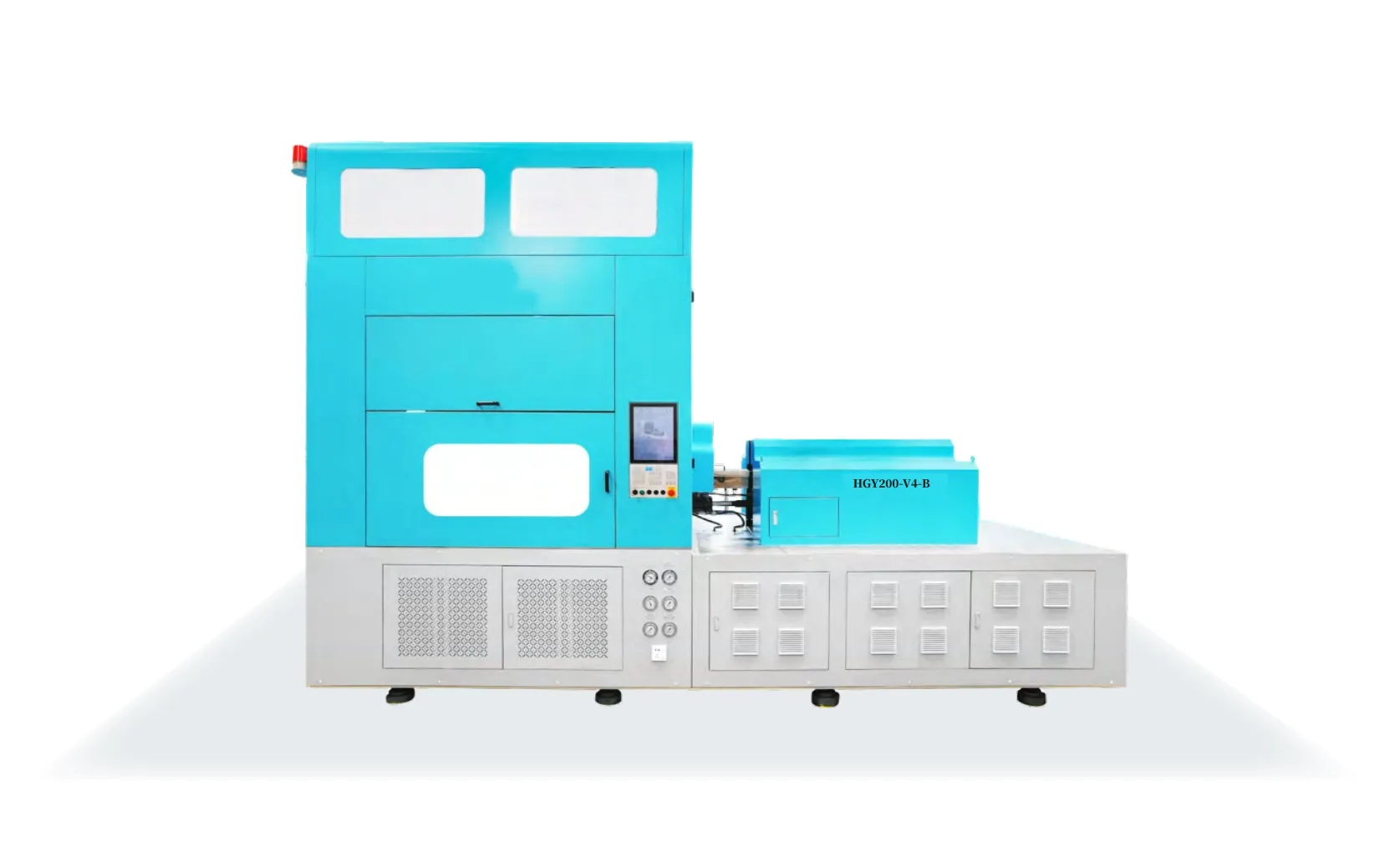
Recommended for Household Cleaner Bottle Production
HGYS200-V4-B One-Step Four-Station ISBM Machine
The HGYS200-V4-B injection stretch blow molding machine is configured for the versatile, multi-format requirements of household cleaner bottle production. The four-station rotary platform, 200-tonne clamping force, and rapid mould-change interface allow a single machine to run the full range of cleaner bottle formats—from 250 ml concentrated bathroom sprays to 2-litre floor cleaner bulk containers—within the same production facility.
- Clamping force: 200 tonnes
- Configuration: Four-station rotary
- Bottle volume range: 50 ml – 2,000 ml
- Compatible resins: PET, rPET blends, PP
- Neck finish range: 18–63 mm
- Mould changeover: 2–4 hours (standardised interface)
Frequently Asked Questions
Australia Ever-Power Injection Stretch Blow Moulding Machine Co., Ltd
Condell Park NSW 2200, Australia | [email protected] | हमारे बारे में | हमसे संपर्क करें