Emulsion Packaging: Where Formulation Science and Container Engineering Intersect
Emulsion pharmaceutical and cosmeceutical products — oil-in-water creams, water-in-oil lotions, microemulsions for enhanced drug delivery, nanoemulsions for active ingredient encapsulation — are among the most formulation-sensitive products in the healthcare packaging sector. An emulsion is thermodynamically unstable: without the stabilising action of its emulsifier system, the immiscible oil and water phases will separate. The container plays a direct role in emulsion stability by acting as the physical environment in which this stability must be maintained — any container surface interaction that depletes the emulsifier, any mechanical stress from an inadequate closure that allows oxygen ingress, or any extractable compound that interferes with the emulsifier chemistry can cause the emulsion to break, producing visible phase separation that renders the product unfit for use.
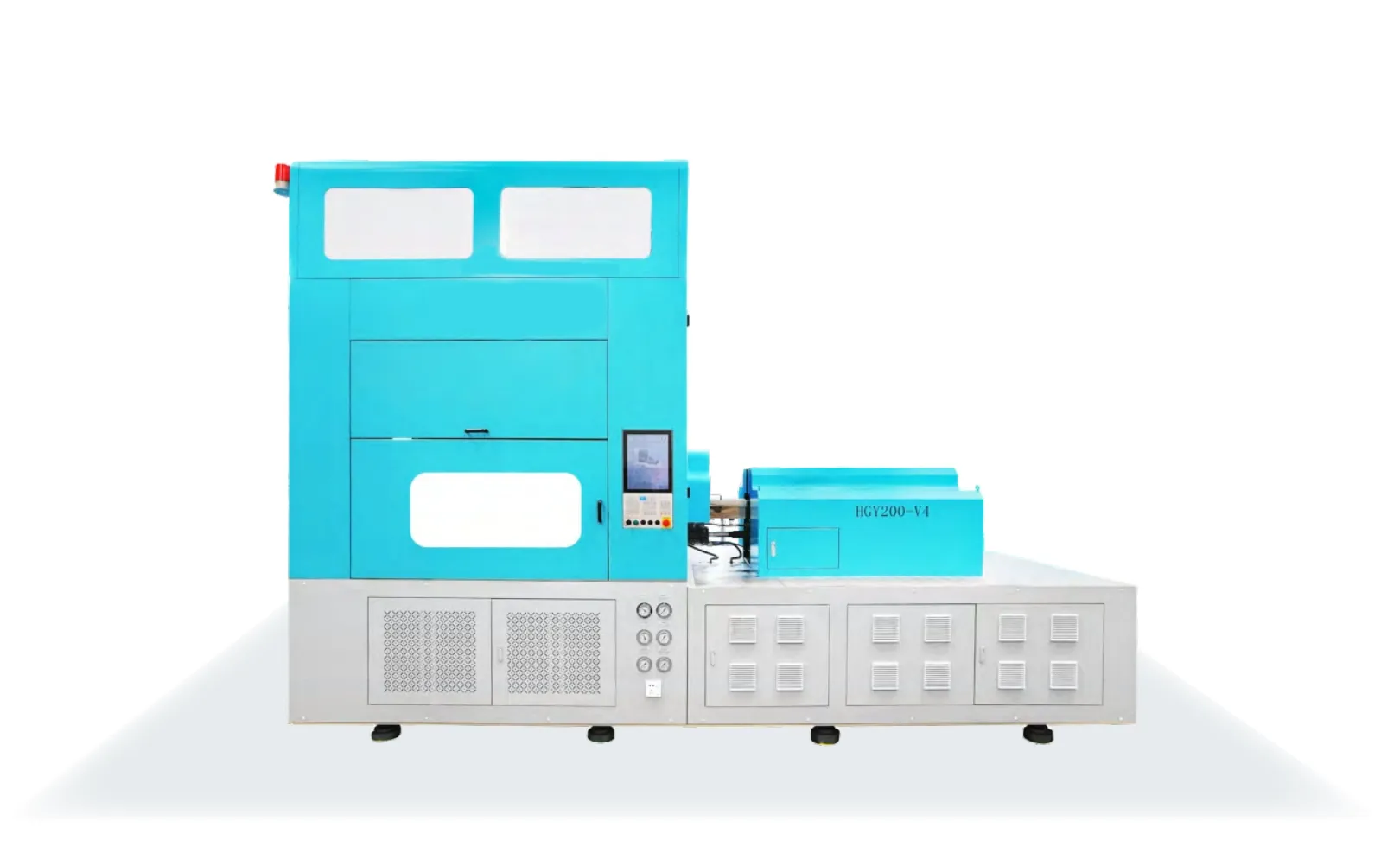
The इंजेक्शन स्ट्रेच ब्लो मोल्डिंग मशीन produces emulsion bottles that meet the technical requirements of this demanding application category — pharmacopoeial-grade PET with controlled extractable profile, precision closure neck finishes for hermetic sealing, body geometry optimised for emulsion dispensing without phase separation risk, and optical clarity that displays the emulsion’s visual quality as a premium product signal. This guide addresses the specific technical requirements of emulsion packaging for pharmaceutical and cosmeceutical applications in the Australian market.
Australia Ever-Power Injection Stretch Blow Moulding Machine Co., Ltd, Condell Park NSW 2200, works with topical emulsion pharmaceutical manufacturers and cosmeceutical brands on ISBM container solutions for the full emulsion product range in Australian healthcare and pharmacy retail.
Emulsion Formulation Types and Their Specific Container Requirements
Emulsion products span a wide range of formulation types, each with distinct chemistry, stability mechanisms, and container interaction profiles that require specific packaging engineering responses.
Oil-in-Water (O/W) Emulsions: Standard Creams and Lotions
O/W emulsions — the most common pharmaceutical cream and cosmeceutical lotion format, with oil droplets dispersed in a continuous aqueous phase — generally show good compatibility with PET containers. The continuous aqueous phase limits direct oil-polymer contact to the dispersed droplet interface, and PET’s surface characteristics provide a lower adsorption energy for emulsifier molecules than hydrophobic polyolefin alternatives. The key container requirements for O/W emulsions are: airtight sealing to prevent water evaporation (which would concentrate the formulation above its designed concentration and potentially destabilise the emulsion by changing the aqueous phase to oil phase volume ratio); contamination prevention to protect the preservative system’s effectiveness against microbial challenge; and dispensing precision for controlled dose application. Standard PET ISBM with induction foil seal meets all three requirements for O/W emulsions at ambient storage temperatures.
Water-in-Oil (W/O) Emulsions: Rich Creams and Cold Creams
W/O emulsions — where water droplets are dispersed in a continuous oil or wax phase — have the continuous oil phase in direct contact with the container wall throughout storage. For petroleum jelly and mineral oil base W/O emulsions, PET compatibility at ambient temperatures is generally adequate. For W/O emulsions with synthetic ester oil continuous phases (isopropyl myristate, cetyl octanoate) or silicone-based continuous phases, the specific oil chemistry’s interaction with PET must be evaluated — synthetic ester oils at elevated storage temperatures may show minor surface interaction with PET over extended periods. PETG’s lower crystallinity (compared to standard PET) makes it preferred for W/O emulsions where the oil phase is a potent PET surface plasticiser (concentrated synthetic ester oils) — PETG’s amorphous structure is less susceptible to swelling from oil penetration than standard PET’s semi-crystalline structure. Formal stability testing at the intended storage temperature range for the specific W/O emulsion formulation confirms material selection for each application.
Nanoemulsions and Microemulsions for Drug Delivery
Pharmaceutical nanoemulsions and microemulsions — thermodynamically stable or kinetically stable nanostructured dispersions used for enhanced topical API penetration and controlled release — are formulated with high concentrations of surfactants (often 5–20% by weight) and co-surfactants (short-chain alcohols or glycols). The high surfactant loading in these advanced delivery systems creates a more aggressive extraction environment for the container than conventional O/W or W/O emulsions — the surfactant system is both the formulation’s stabilising agent and a potential emulsifier for extractable compounds from the container surface. For pharmaceutical nanoemulsion applications, the E&L assessment must use the full formulation (including surfactant system) as the extraction medium, and the TTC calculations must account for the topical route exposure from the dermal contact application of the nanoemulsion.
Cosmeceutical Emulsions with Active Ingredient Complexes
Cosmeceutical emulsions — moisturisers, serums, and treatment products with bioactive ingredients including retinol, vitamin C derivatives, peptides, hyaluronic acid, and botanical extracts — represent the highest-growth segment of the topical emulsion product market in Australian pharmacy retail. These products sit at the interface of pharmaceutical and cosmetic product regulation, typically listed as therapeutic goods under the TGA if they carry therapeutic claims. The container requirements for cosmeceutical emulsions combine the pharmaceutical compliance of the cosmetic formulation category with the premium aesthetic positioning of prestige skincare — a demanding combination that ISBM’s custom bottle design capability and pharmacopoeial material compliance platform serves uniquely well.
Hermetic Sealing to Prevent Emulsion Phase Separation
Emulsion phase separation — the irreversible breakdown of the emulsion into separate oil and water layers, visible as a clear liquid layer forming below (for O/W emulsions where the oil phase is less dense) or above (for W/O emulsions where the water phase sinks) the main emulsion body — is the most commercially and clinically consequential failure mode for emulsion products in their primary containers. Once phase-separated, an emulsion cannot be reliably reconstituted by shaking — the original dispersed droplet size distribution, which determines the emulsion’s physical properties, cannot be restored once the droplet coalescence that causes separation has occurred.
The container’s contribution to preventing phase separation operates through three mechanisms. First, moisture barrier: for O/W emulsions, water evaporation through the container wall or past an inadequate closure concentrates the aqueous phase, raising the osmotic pressure across the emulsion droplet interfaces and accelerating droplet coalescence. PET’s low MVTR (water vapour transmission rate) — at 3–5× lower than HDPE at equivalent wall thickness — minimises evaporative water loss through the container body, while the induction foil seal provides a hermetic vapour barrier through the neck. Second, oxygen exclusion: many O/W emulsions contain oil-phase ingredients (unsaturated fatty acids, vitamin E, retinol) that oxidise when oxygen accesses the headspace above the cream. Induction foil sealing with nitrogen headspace (if used during filling) provides both tamper evidence and the headspace oxygen exclusion that prevents oxidative emulsion degradation. Third, mechanical integrity: a pump or flip-top closure that engages reliably without rattle or gap maintains the seal between dispensing events, preventing the atmospheric exposure between uses that gradually degrades emulsion formulation quality over the multi-month in-use period of typical emulsion products.
ISBM’s sealing surface specifications (Ra ≤ 0.40 µm, flatness ±0.12mm) provide the surface quality that both induction foil sealing and pump/flip-top mechanical closure engagement require for reliable hermetic performance throughout the product’s shelf life and in-use period. Contact [email protected] to discuss emulsion container hermetic sealing specification for your specific formulation type and closure system.
Chemical Resistance to Emulsion Formulation Chemistry
Emulsion formulations present complex multi-component chemical environments for the container — the combination of oil phase, surfactants, co-solvents, preservatives, and active pharmaceutical ingredients each interacting with the container surface through different mechanisms simultaneously. The overall chemical resistance requirement for an emulsion container must address this complexity rather than treating individual components in isolation.
Surfactant Interactions with PET Surfaces
Emulsifiers and surfactants in pharmaceutical and cosmeceutical emulsions (polyethylene glycol esters, polysorbates, sorbitan esters, lecithin) can adsorb onto PET surfaces through hydrophobic and electrostatic interactions. While the total amount of surfactant adsorption from a commercial emulsion formulation onto the container’s internal surface is typically small relative to the total surfactant content of the filled product (0.01–0.1% of total surfactant), for formulations operating close to their critical emulsifier concentration, even small surfactant depletion can reduce the emulsifier concentration below the threshold needed for thermodynamic stabilisation of the emulsion’s droplet size distribution. The compatibility study for pharmaceutical emulsions must specifically assess whether the emulsion maintains its droplet size distribution (measured by dynamic light scattering or laser diffraction at defined stability time points) over the product’s shelf life in the production container, rather than relying on visual appearance alone as a stability endpoint.
Preservative Adsorption in Multi-Use Emulsions
Preservative systems in multi-use emulsion products — parabens, benzyl alcohol, phenoxyethanol, chlorhexidine — maintain antimicrobial efficacy during the product’s in-use period when the container is opened and reclosed many times. Preservative adsorption onto the container wall can deplete the effective preservative concentration in the formulation below its minimum inhibitory concentration for specified test organisms, compromising the antimicrobial protection during the in-use period. The Ph.Eur. Antimicrobial Preservative Effectiveness Test (Test B criteria for topical preparations) must be conducted on the commercial formulation in the production container — confirming that the preservative efficacy is maintained throughout the product’s labelled in-use period at the storage conditions specified on the label. For emulsion products, this test is conducted with the production container’s surface area fully contacted by the formulation, confirming that preservative adsorption at the actual contact area does not compromise the antimicrobial efficacy specification.
Essential Oil and Botanical Extract Compatibility
Cosmeceutical emulsions with essential oil active ingredients (tea tree oil, lavender, eucalyptus, rosehip oil) contain terpene compounds (d-limonene, linalool, menthol, α-terpineol) that are known plasticisers for polyolefin packaging materials. PET has better terpene resistance than HDPE or PP at typical cosmeceutical essential oil concentrations (0.5–5% terpene in the formulation), but formal compatibility testing at the specific essential oil concentration and storage temperature is required to confirm that the terpene-PET surface interaction does not produce container haze increase (from superficial terpene absorption into the surface zone), fragrance note change in the emulsion (from terpene-PET surface interaction altering the free terpene concentration available for sensory perception), or container distortion at elevated temperatures (from terpene plasticisation reducing the effective Tg at the surface layer). For essential oil-rich cosmeceutical emulsions at concentrations above 3% terpene, PETG is preferred over standard PET — PETG’s amorphous structure provides better terpene resistance than the semi-crystalline PET structure.
Anti-Phase Separation Design Features in ISBM Emulsion Bottles
Beyond material compatibility, the physical design of the emulsion bottle contributes to in-use phase separation prevention through geometry features that the ISBM tooling incorporates at no additional cost.
Mixing Geometry
Internal body geometry that encourages emulsion mixing on gentle shaking — a waisted body cross-section that creates turbulent mixing at the waist when the bottle is inverted and returned to upright position prevents the settled gradients that develop in standing-stored O/W emulsions during extended shelf life.
Dip Tube Length Optimisation
For pump-dispensed emulsion bottles, the dip tube length must reach to the bottom of the bottle at all fill levels to prevent dispensing from the surface layer only (which may be depleted of oil phase by creaming). ISBM’s precise internal body height (±0.5mm) enables accurate dip tube length specification for complete product evacuation without air aspiration at the last portion of the fill.
Headspace Minimisation
Minimising headspace volume above the filled emulsion reduces the oxygen available for headspace-mediated oxidation of oxygen-sensitive oil phase components. Accurate ISBM internal volume consistency (±1% fill capacity) enables consistent headspace specification at the filling line, maintaining the oxygen exclusion benefit across the full commercial production population.
Smooth Interior Surface
Mirror-polish cavity interior (Ra ≤ 0.10 µm body interior) minimises the high-surface-area contact zones that would accelerate surfactant and API adsorption. A smooth, low-energy interior surface has lower adsorption capacity for emulsion components than rougher surfaces with micro-crevices that provide additional surface area for adsorption.
Dispensing Systems for Emulsion Products: Pumps, Flip-Tops, and Tubes
Emulsion product dispensing must deliver a consistent dose of emulsion without the phase-disrupting turbulence that can cause localised droplet coalescence at the dispensing interface. The choice of dispensing system is guided by the emulsion’s viscosity — O/W lotions (100–3,000 cP) flow under gravity and pump well; standard O/W creams (3,000–30,000 cP) require moderate pump force or squeeze dispensing; W/O creams and thick ointment-like preparations (30,000–200,000 cP) require squeeze tube or high-force pump dispensing.
ISBM’s pump neck finish precision (±0.08mm OD and roundness) provides the dimensional consistency that lotion pump systems require for reliable engagement and anti-drip sealing after each stroke. For emulsion products dispensed by pump, the pump’s dip tube material must also be compatible with the emulsion chemistry — polypropylene dip tubes are compatible with most O/W emulsions; for W/O emulsions with synthetic ester continuous phases, dip tube compatibility should be confirmed with the pump supplier. The pump stroke volume calibration for emulsion products must account for the emulsion’s viscosity effect on fill rate — a high-viscosity emulsion requires longer pump cycle time to fill the pump chamber completely than a low-viscosity lotion, and insufficient pump fill at high dispense frequency produces under-delivery of the labelled dose. This is calibrated during the container-pump compatibility qualification.
For squeeze-tube dispensed emulsions (the format most commonly associated with creams and ointments), ISBM’s wall flexibility engineering — targeting a body squeeze compliance of 6–15N for standard cream dispensing — is calibrated during container development through squeeze compliance testing using the commercial emulsion formulation at standard temperature. The squeeze compliance must remain within specification over the product’s shelf life — verifying that neither the formulation chemistry nor the storage conditions cause the PET or PETG wall to stiffen (from crystallisation or cooling below ambient) or soften (from oil phase interaction with the wall) enough to change the dispensing behaviour for the end user.
Cosmeceutical Emulsion Market and Premium Positioning Through ISBM Design
The Australian cosmeceutical emulsion market — creams, serums, and treatment emulsions sold through pharmacy with therapeutic ingredient claims — is one of the fastest-growing segments of the pharmacy retail category. The commercial positioning of cosmeceutical emulsions depends critically on packaging aesthetics: premium consumers in this category evaluate product quality through the bottle before they open it. A crystal-clear PET ISBM bottle that displays the emulsion’s texture and colour, combined with a custom bottle shape that communicates design investment and brand authority, consistently outperforms commodity packaging in cosmeceutical consumer research.
The cosmeceutical emulsion category is specifically where ISBM’s optical clarity advantage over alternative container materials is most commercially significant. Glass provides equivalent clarity but at prohibitive weight and breakage risk; HDPE provides the chemical compatibility but not the clarity; standard PET ISBM provides both. For Australian cosmeceutical brands investing in premium pharmacy positioning (Bondi Sands skincare range, Aspect Dr, and the pharmacy-exclusive channels of major cosmeceutical brands), the PET ISBM bottle is not just packaging but the primary brand communication vehicle at the point of sale where the product is selected.
ISBM custom bottle design for cosmeceutical emulsions should be developed with both pharmaceutical regulatory requirements (if the product makes therapeutic claims and is registered or listed) and premium retail commercial requirements simultaneously — the design brief must integrate CRC compliance geometry (if required for scheduled ingredients), stability-protective features (hermetic sealing, smooth interior), and the premium visual language that cosmeceutical consumers expect from a pharmacy-positioned skincare product. Visit isbm-technology.com/contact-us for cosmeceutical emulsion bottle design consultation.
Emulsion Bottle Regulatory Requirements in Australia
Emulsion products in Australia are regulated under several overlapping frameworks depending on the product’s intended use and the nature of its therapeutic or cosmetic claims. Pharmaceutical emulsions with specific therapeutic claims (prescription corticosteroid creams, OTC antifungal emulsions, OTC analgesic gels) are registered or listed on the ARTG and require container-closure system documentation as part of the registration or listing dossier. Cosmeceutical emulsions that make therapeutic claims (anti-ageing claims referencing cellular mechanisms, wound healing claims, SPF sunscreen claims) are listed medicines on the ARTG and carry the TGA listed medicine requirements for container documentation. Cosmetic emulsions without therapeutic claims are regulated under the Industrial Chemicals Act 2019 via AICIS (the Australian Industrial Chemicals Introduction Scheme) and the Australian Consumer Law, but not under the TGA — these products have no mandatory container pharmacopoeial compliance requirement under Australian law, though responsible manufacturers apply food-contact material standards voluntarily for dermal-contact personal care products.
The practical guidance for emulsion bottle ISBM specification: if the product is registered or listed on the ARTG (most pharmaceutical creams, OTC antifungals, sunscreens, acne treatments), the container requires pharmacopoeial material compliance and stability data. If the product is a cosmetic without therapeutic claims (standard moisturisers, body lotions without therapeutic claims), food-contact material standards are the appropriate reference specification even though they are not legally mandatory — they represent the appropriate consumer safety standard for dermal-contact personal care products in a voluntary compliance framework.
Stability Testing Programme for Emulsion ISBM Containers
Emulsion stability testing in ISBM containers requires a more comprehensive battery of physical tests than simple solution pharmaceutical products — measuring not only the chemical quality attributes of the API and preservative system but also the physical stability of the emulsion itself (which can fail through mechanisms unrelated to chemistry). The stability programme for a pharmaceutical emulsion in an ISBM container should include the following endpoints at each stability time point, in addition to the standard chemical assay and degradation product measurements.
Physical appearance (visual phase separation or unusual colour change); viscosity (rheological measurement confirming that emulsion structure is maintained — viscosity reduction indicates emulsion structure breakdown even before visible phase separation occurs); droplet size distribution (particle size analysis by dynamic light scattering or laser diffraction confirming no increase in mean droplet size that indicates droplet coalescence and approaching phase separation); water activity (confirming no evaporative water loss through the container that would raise the oil-to-water ratio); and preservative assay (confirming no depletion from adsorption that would compromise antimicrobial efficacy). These measurements are conducted at 25°C/60% RH long-term and 40°C/75% RH accelerated conditions, with emulsion physical stability being more sensitive to the accelerated 40°C condition than most simple solution pharmaceutical products — requiring careful evaluation of whether the 40°C stability data is predictive of real-time stability for the specific emulsion formulation rather than simply being a stressed degradation test.
Contact [email protected] for emulsion-specific stability protocol design for your ISBM container application — including guidance on the appropriate accelerated stability conditions for the specific emulsion type and formulation composition.
Ever-Power’s Emulsion ISBM Development Support
Australia Ever-Power provides topical emulsion pharmaceutical manufacturers and cosmeceutical brands with ISBM machine technology and application engineering support for the full emulsion container range. The emulsion-specific programme covers: material selection assessment for the specific emulsion chemistry (O/W or W/O, surfactant system, oil phase chemistry, terpene content); hermetic sealing qualification for the dispensing system (pump engagement testing, induction seal integrity); emulsion stability programme design including physical stability endpoints; and the regulatory documentation appropriate for the product’s TGA classification (registered pharmaceutical, listed medicine, or cosmetic with voluntary food-contact standard compliance).
For cosmeceutical emulsion brands seeking premium pharmacy retail positioning through distinctive ISBM bottle design, Ever-Power’s design and commercial development support — from initial brand brief through tooling fabrication, first samples, stability programme initiation, and commercial production — provides the complete development pathway from concept to pharmacy shelf.
Visit isbm-technology.com/contact-us or contact [email protected] to discuss your emulsion ISBM bottle development requirements.
Recommended Machine
HGYS200-V4 — Four-Station ISBM for Emulsion Container Production
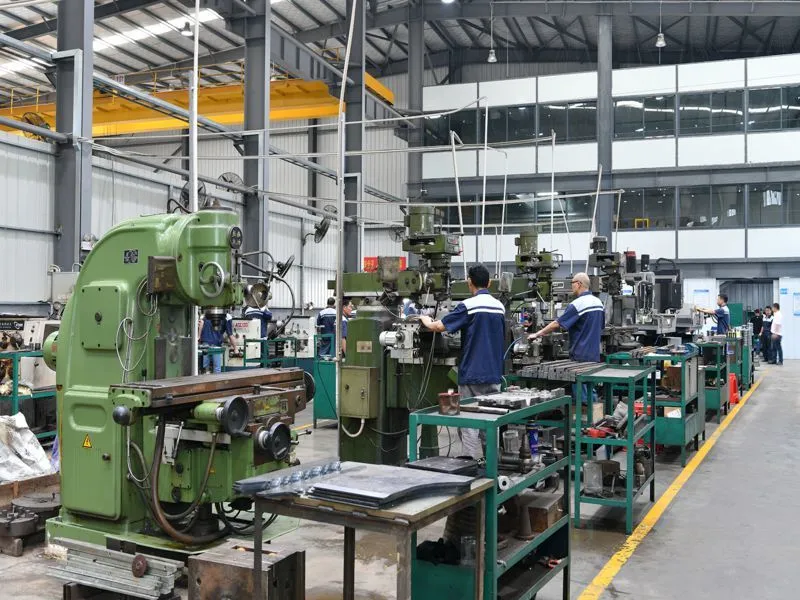
For emulsion pharmaceutical and cosmeceutical container production spanning O/W creams and lotions, W/O rich creams, nanoemulsion serums, and premium cosmeceutical treatment bottles in the 30ml–500ml volume range, the HGYS200-V4 four-station one-step ISBM machine provides the production platform that emulsion packaging requires. The four-station design delivers the pump neck finish precision (±0.08mm OD and roundness) that reliable lotion pump engagement and anti-drip sealing require across all production cavities. The machine processes standard PET for O/W emulsions and cosmeceuticals, PETG for W/O preparations with synthetic ester continuous phases and terpene-rich cosmeceutical formulations, and amber/tinted PET for photosensitive emulsion ingredients including retinol, vitamin C derivatives, and essential oil formulations requiring light protection. Custom blow mould tooling accommodates premium cosmeceutical bottle geometries alongside standard pharmaceutical cream formats — enabling a cosmeceutical brand to produce proprietary bottle shapes with the same pharmaceutical-grade production documentation that TGA listed medicine compliance requires. PLC process data logging generates the batch records supporting emulsion product ARTG listing and registered medicine stability programme requirements.