Why Children’s Medicine Packaging Carries the Heaviest Safety Obligation in Pharmaceutical Packaging
Children’s medicines occupy a unique and demanding position in the pharmaceutical packaging landscape. The product must be safe enough that a child who accidentally accesses the package is protected by the closure system from ingesting a potentially toxic dose — the CRC requirement. It must be accurate enough in its dosing system that a caregiver can reliably administer the correct weight-adjusted or age-adjusted dose — the dose accuracy requirement. It must be palatable enough that a sick, uncooperative child will accept the medicine — which drives formulation and indirectly container decisions. And it must be clear enough about hazards and instructions that a sleep-deprived parent administering medicine at 3am in poor lighting cannot make a dosing error from misreading the label — the label panel design requirement. These requirements exist simultaneously, in a product consumed by the most vulnerable pharmaceutical patient population.
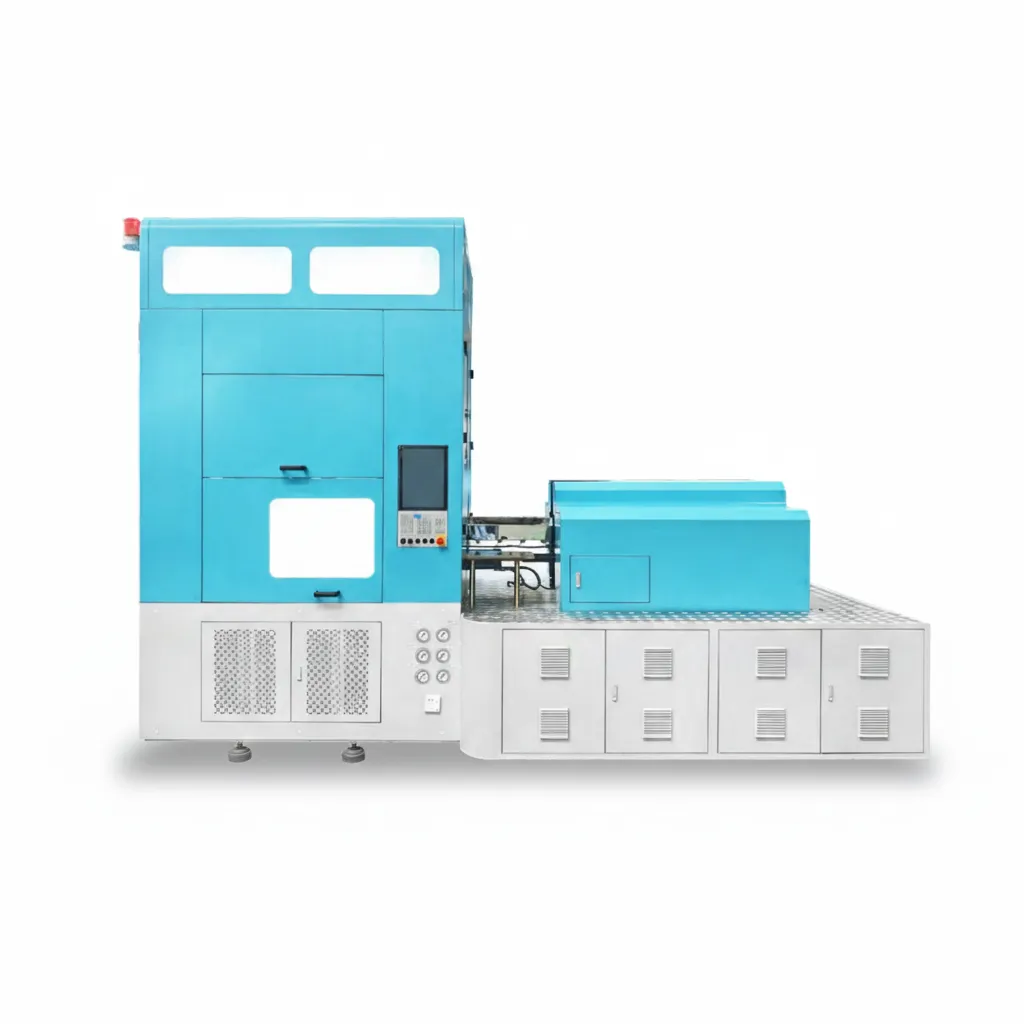
The injection stretch blow molding machine addresses the technical requirements of children’s medicine bottles through its injection-precision neck finish for CRC system performance, its dosing cup and oral syringe adapter compatibility for accurate dose administration, its food-contact-grade PET material with pharmacopoeial compliance for paediatric safety, and its consistent production quality that maintains these specifications batch after batch and year after year across the product’s commercial life. This article covers the specific technical, regulatory, and clinical requirements of children’s medicine bottle production in the Australian TGA-regulated market.
Australia Ever-Power Injection Stretch Blow Moulding Machine Co., Ltd, Condell Park NSW 2200, provides children’s pharmaceutical manufacturers with ISBM technology and pharmaceutical development support calibrated for paediatric medicine packaging requirements.

Child-Resistant Closure Engineering: The Technical Foundation of Paediatric Medicine Safety
The CRC requirement for children’s medicines in Australia is legislated under the Therapeutic Goods (Standard for Child-Resistant Packaging) Order 2021 — not a product quality specification, but a legal safety requirement that all manufacturers of scheduled oral pharmaceutical products for consumer supply must meet. The consequences of CRC non-compliance are both legal (breach of the Therapeutic Goods Act) and clinical (a child accessing an overdose of paracetamol, antihistamine, or antibiotic suspension). The ISBM container’s role in the CRC system is to provide the neck finish dimensional consistency that makes the CRC mechanism work as designed for every bottle in a commercial production batch of millions of units.
Push-and-Turn CRC Dimensional Requirements for Paediatric Bottles
The push-and-turn CRC mechanism used on most Australian paediatric liquid medicine bottles requires the bottle neck finish to maintain three critical dimensions to enable reliable child resistance: the finish outside diameter at the CRC locking engagement zone (the diameter the closure’s locking lug presses against — typically ±0.08mm from nominal), the finish roundness (ovality no greater than ±0.06mm, as an oval finish disengages the CRC lock on the minor diameter axis), and the finish height (positioning the closure’s internal geometry at the correct relative position to the locking engagement zone — typically ±0.10mm). ISBM’s injection-formed neck produces all three dimensions from tooling geometry — not from the variable stretch-blow process — providing the production-consistent CRC dimensional accuracy that the legal standard requires.
Multi-Cavity CRC Qualification: Every Cavity Must Pass
A CRC qualification test conducted only on containers from a single production cavity does not represent the commercial production population — when a four-cavity ISBM tool runs commercial production, bottles from all four cavities enter the supply chain simultaneously, and the CRC qualification must demonstrate that all four cavities simultaneously produce neck dimensions within the CRC closure’s engagement tolerance. The ISO 8317 test samples must be drawn from all production cavities proportionally — for a four-cavity tool producing 4 million bottles per year, each cavity’s output constitutes approximately 25% of supply, and the qualification sample must reflect this distribution. Any cavity found to produce containers outside the CRC tolerance range during multi-cavity qualification must have its tooling corrected before commercial production is approved. Ever-Power supports multi-cavity CRC qualification protocol development as part of the ISBM machine commissioning programme for paediatric medicine manufacturers.
CRC System Qualification Frequency and Maintenance
CRC neck insert tooling wears over time — the injection of millions of preforms through a steel insert over a production lifetime causes progressive dimensional change at the injection surface that can drift the neck finish dimensions outside the CRC qualification tolerance. For paediatric medicine production where the CRC is a regulatory requirement, scheduled profilometer measurement of neck insert dimensions at defined production volume intervals (typically every 500,000–1,000,000 cycles per cavity, or at annual maintenance, whichever is first) provides the documented evidence that the tooling remains within the qualified dimensional range. Inserts found outside specification are replaced before further production is authorised — the CRC compliance of the product depends on tooling maintenance being treated as a quality-critical activity rather than a cost-reduction target.
Paediatric Dose Accuracy: From Bottle Geometry to Correct Clinical Administration
Paediatric dose accuracy is a clinical safety issue — the most common form of paediatric medication error in the home is dosing error, where a caregiver administers the wrong volume of oral liquid medicine due to measuring system failure (cup or syringe reading error), bottle geometry affecting the pour behaviour, or the dosing cup not fitting correctly onto the bottle neck. ISBM container design addresses all three causes of paediatric dose error through specific geometric engineering.
Calibrated Cup Seat Geometry
The dosing cup sits on the bottle neck shoulder at a defined height and angle — reproducing this geometry to ±0.12mm on every production bottle ensures that the cup-bottle relationship is identical on every unit and that the cup’s volume calibration (performed against this specific geometry) applies reliably in the hands of a caregiver at home.
Oral Syringe Adapter Fit
Oral syringes for infant and toddler dosing use a polyethylene bottle adapter that snaps into the neck bore. ISBM bore dimensions ±0.08mm ensure the adapter engages the snap-fit retention profile correctly — holding the adapter securely while the syringe is aspirated, preventing rotation or tilt that would introduce air into the syringe instead of medicine.
Stable Pour Geometry
The bottle’s pour behaviour — the angle at which liquid flows cleanly into the cup without splashing or dribbling back down the bottle exterior — is governed by the neck-to-body transition geometry and the bottle’s centre-of-gravity. ISBM tooling designs for children’s medicine bottles incorporate a defined shoulder geometry that provides a natural tilting angle for clean cup filling.
Embossed Volume Scale
For products providing direct bottle measurement (no separate cup), embossed graduation marks on the body panel provide a permanent, non-removable dosing reference. Body panel optical clarity (haze ≤ 2.0%) and wall thickness uniformity (±0.05mm through the graduation band) ensure the liquid level is clearly visible against the graduation marks under typical bathroom lighting conditions.

Material Safety for Paediatric Contact: Pharmacopoeial PET and Food-Contact Standards
Children are more toxicologically vulnerable than adults to extractable compounds from pharmaceutical packaging because of their lower body weight (producing higher body-weight-adjusted exposure from the same absolute extractable dose), their higher proportion of immature metabolic pathways for some compound classes during early development, and the oral route of administration for children’s medicines, which delivers extractable compounds directly to systemic circulation via gastrointestinal absorption. The material safety standard for children’s pharmaceutical containers is therefore applied with conservative margin relative to adult oral pharmaceutical containers — and this margin must be specifically demonstrated in the container’s extractable assessment, not assumed from general PET food-contact data.
Acetaldehyde Limits for Paediatric Oral Liquid Products
Acetaldehyde in children’s oral liquid medicines presents a taste concern in addition to the pharmacological considerations relevant to adult oral medicines. Many paediatric liquid formulations are flavoured (strawberry, bubblegum, cherry) to improve medicine acceptance by children who would otherwise refuse unpalatable formulations. AA at concentrations above 10 µg/L in a flavoured children’s syrup can produce a perceptible off-note in the flavour profile that is detectable by children (who are generally more sensitive to flavour changes than adults) and that may increase medicine refusal — a directly patient-harmful outcome for a child needing antibiotic treatment who refuses the medicine because of packaging-derived flavour taint. For flavoured children’s liquid medicines, an AA target of ≤5 µg/L in the filled product at the time of use is the appropriate practical specification — achieved through the combination of AA-scavenger resin, controlled barrel temperature, and short residence time that pharmacopoeial-grade ISBM production provides.
Absence of Concerning Additives in Paediatric-Grade PET
Paediatric pharmaceutical manufacturers should require the ISBM container’s masterbatch specification to confirm the absence of phthalate-based carrier resins (DEHP, DINP, DBP — all reproductive toxicants with specific paediatric exposure concerns), bisphenol A (endocrine-active at developmental stages), and other compounds with demonstrated developmental toxicity concerns. Standard pharmaceutical-grade masterbatch systems for oral pharmaceutical containers are formulated without phthalate carrier resins, but explicit confirmation in the masterbatch technical data sheet should be obtained and retained as part of the container specification documentation for paediatric pharmaceutical products. Contact [email protected] for technical data sheet documentation for paediatric-appropriate ISBM production materials.
Children’s Medicine Bottle Design: Age-Specific Functional Requirements
Children’s medicines serve patient populations ranging from newborn infants through to 12-year-olds, and the functional packaging requirements differ significantly across this age range. Neonates and infants receive all oral medicines via oral syringe administered by a caregiver — the container’s dosing system must be syringe-compatible, and the bottle’s primary purpose is product storage and sterility maintenance. Toddlers and preschoolers require dosing cups and need child-resistant access prevention most critically — they are mobile, curious, and capable of accessing unsecured medicine containers but cannot yet open a correctly functioning CRC. School-age children (6–12 years) can often swallow tablets, but liquid formulations remain important for weight-adjusted dosing of narrow-therapeutic-index medications.
Infant and Neonatal Formulation Containers (0–2 years)
Neonatal and infant medicines — drops concentrates for pain, vitamin D supplements, gripe water, and low-volume antibiotic formulations — are typically packaged in small (10–30ml) bottles with dropper or oral syringe adapter neck systems. The dropper or syringe delivers doses of 0.5–2.5ml to infants who must receive their medicine while being held horizontally or semi-reclined. The bottle format must be stable when placed on a surface (a flat base that prevents rolling), small enough to be controlled with one adult hand while the other hand holds the infant, and capable of being correctly re-capped with one hand after dispensing. These functional requirements are built into the ISBM bottle design through base geometry, body grip zone, and CRC engagement force specifications.
Toddler and Pre-School Medicines (2–5 years)
The 2–5 year age group is the highest-risk group for unintentional paediatric medicine ingestion — they are mobile, exploratory, and motivated by oral intake (many children’s medicines are sweetened and flavoured to encourage compliance). CRC performance is most critical for this age group, and the CRC qualification ISO 8317 child panel test uses the 42–51-month age bracket that represents this population. For medicines particularly dangerous to toddlers at overdose (iron supplements, paracetamol in concentrated drops, anticonvulsants), the CRC must be designed to provide maximum child resistance even acknowledging that a determined toddler with sustained access will eventually defeat most CRC mechanisms through trial and error. The bottle’s placement in the home (out of sight and reach, as labelled) is the primary safety measure; the CRC is the secondary measure when the primary fails.
School-Age Children’s Medicines (6–12 years)
Oral liquid formulations for school-age children include antibiotic courses (children who still prefer liquid over tablets), liquid antihistamines and cold medicines, and children’s analgesics at higher doses than infant formulations. Container volumes for this age group are typically 100–200ml with dosing cups calibrated for 5ml and 10ml doses. The commercial opportunity in the 6–12 age group is the growing category of children’s “health and wellness” liquid products — vitamins, minerals, omega-3 supplements, and probiotics formulated for children with flavours and colours targeting this demographic. These products, while not pharmaceutical prescription products, often use pharmaceutical-grade packaging to communicate quality and safety to the parent caregiver who selects them.

Australian Regulatory Requirements for Children’s Medicine Packaging
Children’s pharmaceutical products in Australia operate under a particularly stringent regulatory framework that combines the standard TGA medicines registration requirements with specific paediatric safety obligations that have no equivalent in adult pharmaceutical packaging requirements. Understanding this layered regulatory structure is essential for manufacturers developing or upgrading paediatric medicine packaging.
| Requirement | Regulatory Basis | Data/Documentation Required | ISBM Container Role |
|---|---|---|---|
| Child-resistant closure | TGA CRC Order 2021 | ISO 8317 test certificate from accredited lab | Neck finish dimensions ±0.08mm |
| Pharmacopoeial material | TGA CTD Module 3 | USP <661> or Ph.Eur. test results | Pharmacopoeial-grade PET, controlled process |
| Stability in container | ICH Q1A stability guidance | 25°C and 40°C stability data in production container | Container in approved specification throughout programme |
| Induction seal tamper evidence | Poisons Standard / state regs | Seal integrity qualification, peel force range | Sealing surface Ra ≤ 0.40µm, flatness ±0.12mm |
| Paediatric dose accuracy | TGA product registration conditions | Cup/syringe volume accuracy testing ±5% | Cup seat geometry ±0.12mm, bore ±0.08mm |
| E&L (paediatric route) | ICH Q3E / PQRI guidance | Conservative paediatric-weight-adjusted TTC assessment | Low AA, antimony, no phthalate masterbatch |
Paediatric Label Design and ISBM Container Label Panel Engineering
Pharmaceutical labelling for children’s medicines must simultaneously meet TGA labelling requirements (product name, strength, dose, warnings, expiry, batch number — all mandatory elements), the caregiver’s practical need for clear dosing instructions in poor lighting conditions, and the commercial requirement to communicate brand values and product identity on a competitive pharmacy shelf. The ISBM container’s label panel geometry directly determines what is achievable on the label — insufficient label area means mandatory elements must be printed in unreadably small type, or mandated content must be moved to a secondary label reducing the available space for dosing information.
TGA’s labelling requirements for prescription and pharmacist-only medicines include specific minimum font size requirements for warnings and directions for use. For paediatric liquid medicines, the dosing table (dose by weight or age) is the most space-demanding element — a weight-based dosing table for a paediatric antibiotic suspension covering 3kg–40kg in increments appropriate for clinical accuracy requires a significant label area. The ISBM bottle design must be engineered from the outset to provide this label area — not retrofitted to a bottle shape that was designed for a different purpose.
ISBM blow mould tooling can produce wrap-around label capability (a cylindrical body section of defined height and diameter providing the label area) or front-panel label formats (a flat defined panel with specific dimensions) depending on the labelling approach selected for the specific product. The label panel dimensions, flatness specification, and body cylindricity specification are specified in the ISBM container design brief and reproduced on every production bottle from every production cavity — ensuring that automated label application equipment operates consistently and that label adhesion and legibility meet specification across the full production batch.
Children’s Complementary Medicine and OTC Products: The Growing Paediatric Wellness Market
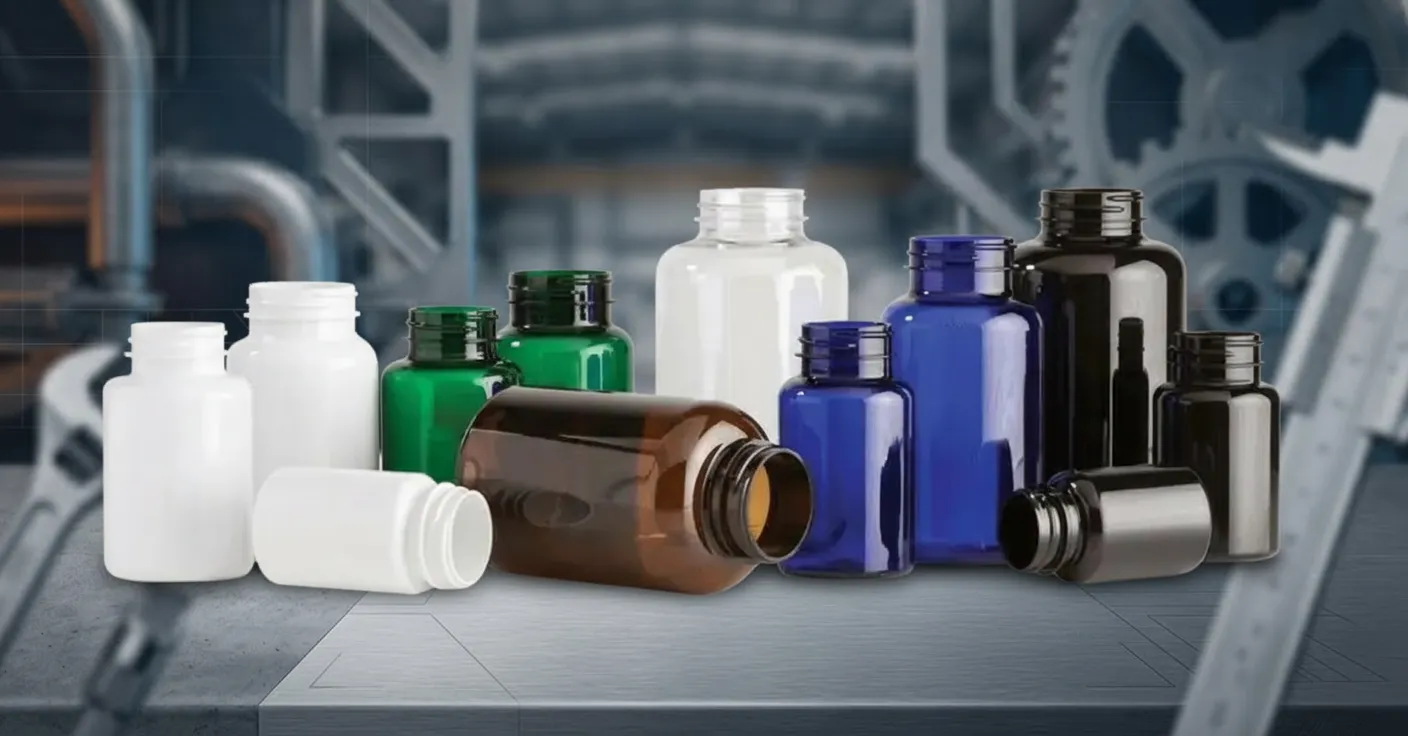
Beyond prescription and pharmacist-only paediatric medicines, Australia has a large and growing market for children’s complementary medicines and OTC health products — vitamin D drops, multivitamin syrups, omega-3 supplements, probiotic liquid preparations, children’s immune support formulations, and paediatric versions of popular supplement brands. These products, while not subject to the full prescription pharmaceutical registration pathway, are listed medicines on the ARTG and must meet TGA listed medicine requirements including CRC packaging obligations for scheduled ingredients and label compliance with TGA listed medicine labelling requirements.
The commercial drivers for premium ISBM PET packaging in the children’s complementary medicine market are strong. Parents purchasing children’s health supplements exercise significant quality discrimination — a visually premium, precisely engineered PET bottle communicates the brand’s quality commitment in a way that commodity HDPE packaging cannot. Transparency (visible product colour confirming the product is clear and correctly formulated), accurate dosing (oral syringe adapter or graduated cup system), and distinctive bottle design (protecting the brand from visual shelf confusion with lower-positioned competitors) are all commercial advantages that ISBM delivers and HDPE blow moulding cannot match.
Australian children’s supplement brands investing in custom ISBM bottle designs — bottles with distinctive brand silhouettes, ergonomic grip zones, and clearly positioned dosing cup seats — consistently achieve premium retail positioning that justifies both the tooling investment and the premium price point. The ISBM container’s combination of pharmaceutical-grade quality signals and commercial design flexibility makes it the packaging platform of choice for children’s wellness brands seeking differentiated retail presence.
Production and Quality Management for Paediatric Medicine ISBM Operations
Children’s pharmaceutical ISBM operations carry a higher moral and regulatory accountability than standard consumer packaging production — every production non-conformance potentially affects a child patient. The quality management requirements for paediatric medicine ISBM production encompass all the standard pharmaceutical GMP elements, with specific additions for CRC compliance monitoring and dosing system accuracy verification that go beyond the standard container specification quality programme.
The CRC-specific quality programme for paediatric medicine ISBM must include: dimensional monitoring of CRC-critical neck finish dimensions at the start of every production run and at defined intra-run intervals; a documented record linking each production lot to the specific neck insert tooling configuration dimensions measured at the time of production; and a change control trigger that automatically escalates the dimensional monitoring frequency when a cavity’s CRC neck dimension approaches the specification boundary — preventing production of out-of-specification containers from a worn insert by detecting the dimensional trend before the boundary is crossed.
Dosing cup/syringe adapter compatibility testing on a sample from each production cavity at the start of each production run confirms that the practical dosing system performance (cup seating stability, syringe adapter engagement force) matches the qualification requirement — providing the batch-level assurance that the containers produced in that run will perform correctly in the caregiver’s hands. These quality records are maintained as part of the pharmaceutical batch documentation and are available for TGA inspection.
Ever-Power’s Paediatric Medicine ISBM Development Programme
Australia Ever-Power provides children’s pharmaceutical manufacturers, paediatric complementary medicine brands, and hospital pharmacy paediatric compounding operations with the complete ISBM development programme that paediatric medicine packaging requires. The paediatric-specific programme includes: CRC neck finish geometry engineering and multi-cavity qualification protocol; dosing cup and oral syringe adapter compatibility testing; paediatric-appropriate material certification (confirming phthalate-free masterbatch, AA levels, antimony levels — all documented against paediatric-weight-adjusted TTC values); label panel area engineering for TGA paediatric labelling compliance; and the IQ/OQ/PQ validation framework for TGA GMP pharmaceutical production compliance.
For children’s medicine manufacturers considering ISBM investment, Ever-Power’s pre-investment paediatric packaging assessment reviews the full scope of the CRC regulatory requirement, the specific qualification testing programme needed for the product range, and the production quality system elements required — providing an accurate investment scope before capital is committed. The Condell Park NSW location provides the local on-site engineering support that pharmaceutical production operations require when issues arise during the critical CRC qualification and stability programme phases.
Contact [email protected] or visit isbm-technology.com/contact-us to begin the paediatric medicine ISBM packaging development conversation.
Recommended Machine
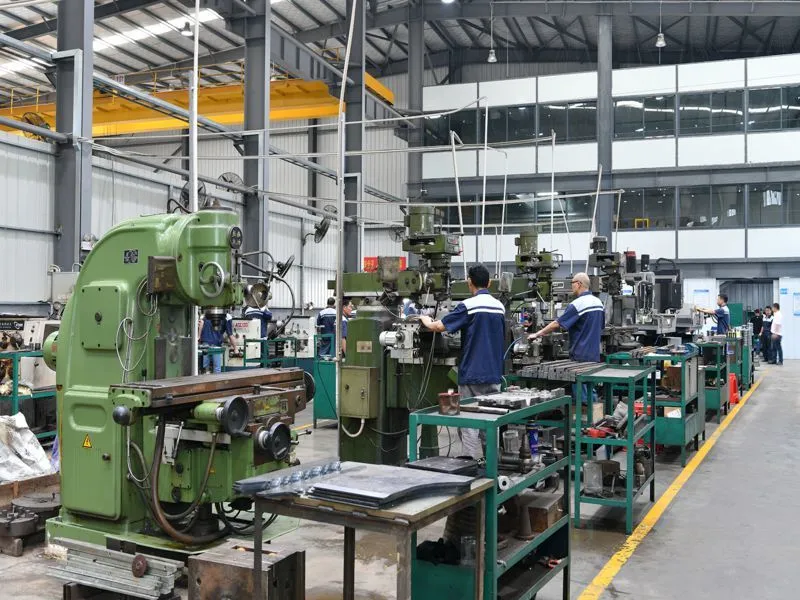
HGYS150-V4 — Four-Station ISBM for Children’s Medicine Bottle Production
For children’s pharmaceutical bottle production requiring the CRC neck finish dimensional precision, dosing cup seat geometry consistency, and pharmaceutical GMP traceability that paediatric medicine packaging demands, the HGYS150-V4 four-station one-step ISBM machine provides the appropriate production platform for Australian paediatric pharmaceutical manufacturers. Its four-station rotary design delivers cycle-to-cycle consistency critical for CRC multi-cavity qualification — all four cavities simultaneously producing neck dimensions within the ±0.08mm CRC tolerance that ISO 8317 dual-population child resistance requires. The machine processes pharmacopoeial-grade PET for clear and amber children’s medicine bottles across the 10ml infant dropper format through 200ml school-age cough medicine format. PLC process data logging with audit-trail recipe management generates the batch records required for TGA GMP compliance for Schedule 2, 3, and 4 paediatric product packaging. The machine’s clean changeover protocols support multi-product paediatric medicine ranges with 15–30 minute colour changeovers and 90–150 minute format changeovers, enabling a single machine to serve a paediatric pharmaceutical product range of 8–15 SKUs.