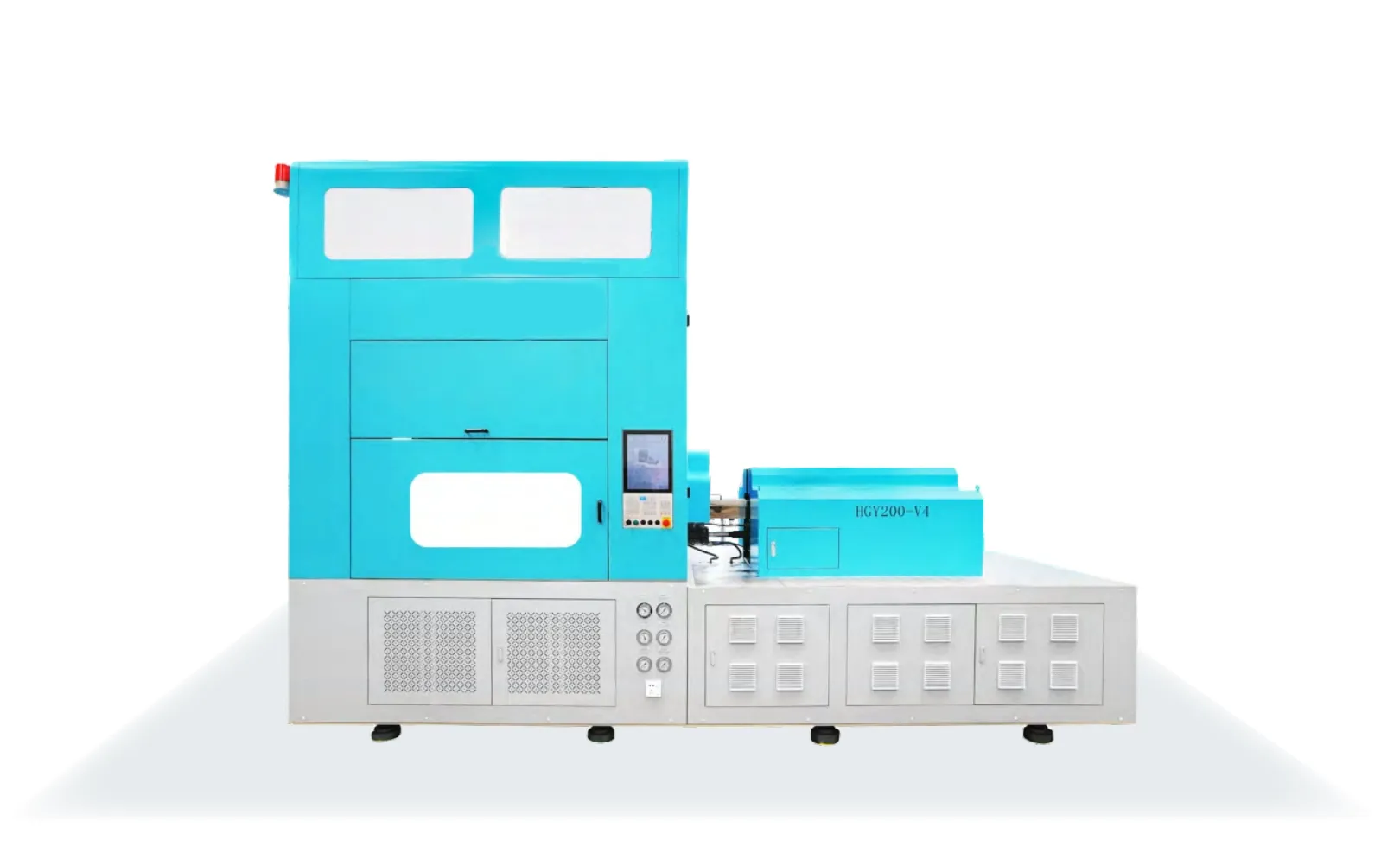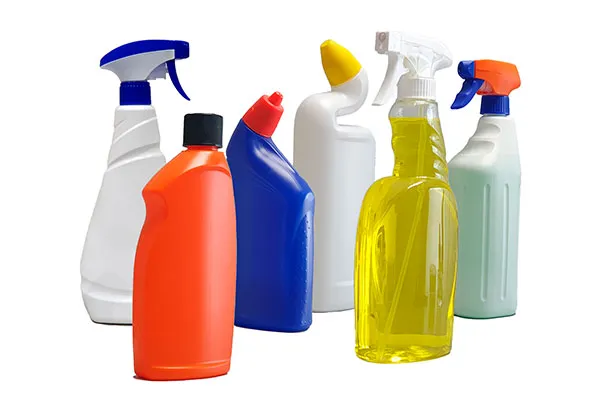

Antibacterial hand wash occupies one of the most demanding positions in personal care packaging because the bottle must simultaneously protect chemically active ingredients, deliver reliable dosing precision, sustain visual clarity across a 24-month shelf life, and present at the quality level consumers associate with health and hygiene credentials. Triclosan-free antibacterial formulations now dominant in the Australian market rely on benzalkonium chloride, chlorhexidine gluconate or natural actives such as tea tree oil — each of which interacts differently with the bottle polymer matrix. Injection stretch blow molding has become the production platform of choice for this category because it combines the PET barrier performance required to preserve active ingredient concentration, the neck finish precision needed for reliable pump or flip-top closure application, and the output efficiency that competitive retail pricing demands from plastic bottle manufacturing operations at scale.
Antibacterial Formulation Chemistry and Its Packaging Implications
The antibacterial hand wash category is defined by the presence of one or more active antimicrobial ingredients that must remain within their effective concentration range throughout the product’s stated shelf life. Benzalkonium chloride (BAC) at 0.1–0.13% is the most widely used active in Australia’s retail antibacterial hand wash market, followed by chlorhexidine gluconate (CHG) at 0.5–4% in clinical and food service formats, and natural actives including tea tree oil, thymol and citrus extracts at concentrations of 0.5–3%. Each of these actives has a distinct interaction profile with PET: BAC exhibits minimal sorption into PET at retail concentrations, making standard bottle-grade PET broadly compatible; CHG at higher concentrations used in clinical products warrants sorption testing because cationic surfactants can accumulate at polymer surfaces under prolonged contact; natural oil actives containing terpene fractions require compatibility confirmation against PET stress cracking behaviour.
Beyond active ingredient compatibility, antibacterial hand wash formulations typically contain co-solvents, chelating agents and preservative systems that the bottle must accommodate without dimensional change, permeability increase or surface degradation across the full shelf-life period. EDTA, a common chelating agent in antibacterial formulations, is benign to PET at normal use concentrations. Glycerin and propylene glycol humectants at concentrations up to 10% present no compatibility concern. The key variables to characterise during packaging development are active ingredient concentration, pH (antibacterial hand washes typically range pH 4.5–7.0, well within PET’s stability range), and the presence of any terpene-bearing fragrance or botanical extract components that may initiate stress cracking at bottle contact surfaces under extended storage conditions.
Why ISBM Delivers Superior Barrier Performance for Antibacterial Products
Biaxial Orientation and PET Barrier Enhancement
The biaxial molecular orientation achieved during the injection stretch blow molding process provides a meaningful barrier advantage over non-oriented or extrusion blow-moulded containers that is directly relevant to antibacterial product packaging. As PET chains are simultaneously aligned axially and radially during stretch-blow, the free volume available for small-molecule diffusion through the polymer matrix is reduced. This structural change lowers the oxygen transmission rate (OTR) of the bottle wall by 30–50% compared to equivalent-thickness isotropic PET, and reduces moisture vapour transmission proportionally. For antibacterial hand wash products, the OTR reduction matters because some active ingredients — particularly natural plant extracts and phenolic compounds — are susceptible to oxidative degradation that can reduce both antimicrobial efficacy and product colour over the shelf life. The ISBM PET bottle’s improved barrier extends the margin before active concentration falls below label claim.
Active Ingredient Preservation vs. Extrusion Blow Moulded Alternatives
Compared to HDPE extrusion blow moulded containers — the historical standard for antibacterial hand wash at larger formats — ISBM PET offers a lower active sorption rate for many cationic and polar active compounds. HDPE’s semi-crystalline, largely non-polar matrix can sorb low-polarity fragrance and essential oil components from aqueous formulations, subtly depleting these components from the product over its shelf life. PET’s more polar ester-group backbone presents lower affinity for non-polar organic molecules, making active and fragrance concentration more stable over a 24-month storage period. This stability advantage supports more accurate active concentration declarations and reduces the likelihood of end-of-shelf-life active content failures in compliance testing, which is particularly relevant to ISBM bottle manufacturing operations serving pharmaceutical or clinical-grade antibacterial hand wash programmes where active content specifications carry regulatory weight.

PET Resin Selection for Antibacterial Hand Wash Bottle Production
Bottle-grade PET with an intrinsic viscosity (IV) of 0.76–0.82 dL/g is the standard resin specification for clear antibacterial hand wash bottles on ISBM equipment. This IV band provides adequate melt flow for efficient preform injection at 270–290°C without generating excessive acetaldehyde levels that could compromise fragrance integrity in the filled product. Low-AA grade PET (acetaldehyde below 1 ppm) is recommended for premium antibacterial hand wash formulations where fragrance accuracy is a key brand attribute — particularly relevant for natural-scented antibacterial products where subtle off-notes from packaging are difficult to mask with additional fragrance dosing.
For antibacterial hand wash products incorporating natural botanical actives — tea tree oil, eucalyptus, lemon myrtle — at concentrations above 1.5%, verify d-limonene and monoterpene compatibility with PET before committing production tooling. The standard validation protocol is a 30-day immersion test at 40°C using the target formulation at its highest expected active concentration, followed by dimensional, weight and surface inspection of the bottle. Bottles showing stress whitening, dimensional change above 0.5mm in any direction or weight increase above 0.5% indicate potential compatibility concern that warrants reformulation review or alternative material assessment before production scale-up.
Recycled PET (rPET) integration at 20–25% blend ratio is achievable for antibacterial hand wash bottles with minimal visual impact, provided the rPET source is bottle-grade food-contact quality with residual contaminant levels below 250 ppb total. The primary rPET consideration for antibacterial products is contamination risk: rPET recovered from post-consumer bottles may contain trace organic residues that, at ppb levels, are unlikely to affect product chemistry but require documentation for regulatory compliance if the bottle contacts a listed antibacterial active substance. Using food-grade rPET streams certified under the APCO guidelines provides the chain-of-custody documentation that supports both sustainability claims and regulatory compliance in the antibacterial category.
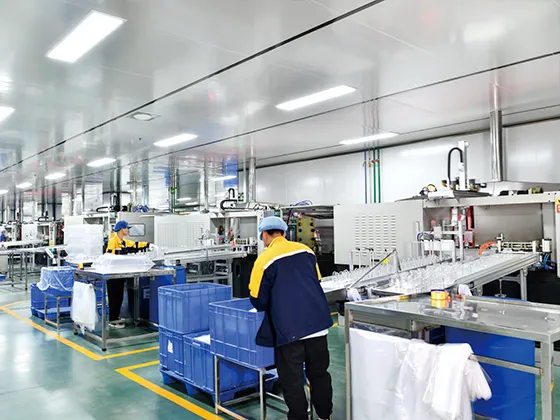
Bottle Design Requirements for the Antibacterial Hand Wash Category
Neck Finish Selection for Pump and Flip-Top Dispensing
Antibacterial hand wash at the retail 250ml–500ml scale is overwhelmingly dispensed through either a 28/410 lotion pump or a 24/410 flip-top snap-cap — the latter common in value and private-label formats where per-unit cost is tightly controlled. Both closure systems require neck finish dimensions held within ±0.12mm on thread outer diameter to ensure leak-free sealing under the hydraulic pressure generated by pump actuation and the cumulative thermal cycling experienced during distribution and consumer storage. ISBM’s injection-formed neck consistently delivers 24/410 and 28/410 thread pitch diameter within ±0.08–0.10mm, providing closure fitment reliability that extrusion blow-moulded containers cannot match without significant in-line closure torque checking and rejection.
Body Geometry: Product Visibility and Hygiene Communication
Antibacterial hand wash packaging design increasingly uses product colour as a hygiene communication tool — vivid blues, greens and clear formulations signal clinical efficacy and freshness to consumers making category decisions at the shelf. ISBM PET’s exceptional optical clarity, with haze values below 2% in well-processed articles, allows product colour to read accurately through the bottle wall without the yellowing, surface haze or colour distortion that appears in alternative packaging materials after extended storage. Label panel flatness of ±0.25mm or better ensures pressure-sensitive label adhesion across the full panel area — critical for antibacterial products that carry safety information, active ingredient declarations and usage instructions that must remain fully legible throughout the product’s service life. Body taper and shoulder geometry should be designed to minimise dead volume in the bottle base, where residual antibacterial product can accumulate and become difficult to dispense — a consumer experience problem that affects brand perception disproportionately in a category where complete product usage is expected.
One-Step ISBM Production Workflow for Antibacterial Hand Wash Bottles
The one-step ISBM process delivers antibacterial hand wash bottle production with the thermal continuity and dimensional repeatability that high-cavity production tools require to maintain consistent neck finish conformance and wall thickness distribution across extended production runs.
① Resin Drying
PET pellets are dried to below 50 ppm moisture at 160–170°C for 4–6 hours in a desiccant hopper dryer. For antibacterial hand wash applications requiring low-AA PET, confirm that the hopper dryer residence time is sufficient to reduce acetaldehyde formation rate at the target injection temperature — this is controlled primarily through drying temperature accuracy rather than residence time extension, as overdrying PET above 180°C can cause IV degradation that reduces bottle impact resistance.
② Preform Injection
PET melt is injected at 270–290°C into multi-cavity preform tooling. For antibacterial hand wash bottles, the 24/410 or 28/410 neck finish is formed here with injection-moulding precision. Colour masterbatch for tinted antibacterial formulations — clinical blues, greens and whites — is introduced gravimetrically at the hopper throat. Gate design and preform body profile are engineered to pre-distribute material toward the blown bottle’s label panel and base zones for optimal wall thickness balance.
③ Thermal Conditioning
Independent conditioning zone heaters establish the axial temperature gradient required for controlled biaxial orientation. For antibacterial hand wash bottle formats with waist-pinch grip geometry — common in this category for ergonomic hold during one-handed pump operation — conditioning temperature in the waist zone is typically set 5–8°C below adjacent body zones to retain adequate material for the geometric re-entrant without producing thin spots at the base of the pinch feature.
④ Stretch-Blow Moulding
A stretch rod extends at 0.9–1.2 m/s while pre-blow air at 6–8 bar initiates radial expansion. High-pressure blow at 30–40 bar drives full mould contact. Water-cooled blow mould tooling at 8–15°C freezes biaxial orientation into the PET structure, establishing the barrier performance, tensile strength and surface gloss that antibacterial hand wash retail presentation requires. Servo-controlled timing ensures consistent orientation results across all cavities in high-cavitation tooling configurations.
⑤ Ejection and Quality Gate
Finished bottles are ejected onto orientation conveyors for inline vision inspection, weight check and leak testing before filling line entry. For antibacterial products carrying regulated active content claims, production records documenting bottle weight, neck finish gauge data and process parameter logs are maintained per batch to support TGA-aligned GMP documentation requirements that some antibacterial hand wash contract fill programmes require from their packaging suppliers.
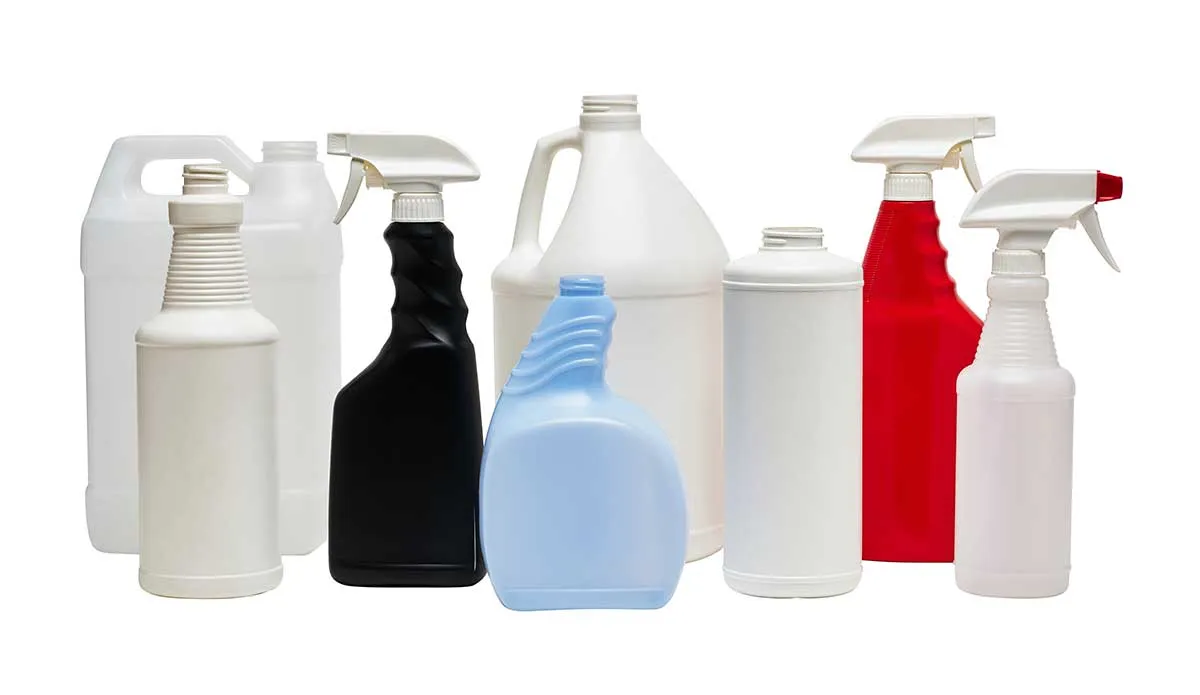
Key ISBM Machine Parameters for Antibacterial Hand Wash Bottle Output
| Parameter | Typical Range | Relevance to Antibacterial Bottles |
|---|---|---|
| Injection barrel temperature | 270–288°C | Controls AA level — critical for fragrance-sensitive antibacterial products |
| Conditioning zone temp | 102–114°C | Wall distribution uniformity, grip-zone thinning prevention |
| Stretch rod speed | 0.9–1.2 m/s | Axial orientation — directly affects OTR barrier performance |
| High-pressure blow air | 30–40 bar | Surface gloss, label panel flatness, grip channel definition |
| Blow mould cooling temp | 8–14°C | Locks orientation and barrier properties; cycle time determinant |
| Cycle time (300ml bottle) | 13–18 seconds | Output rate per hour; cooling adequacy for barrier performance |
Injection barrel temperature control deserves particular attention in antibacterial hand wash bottle production because of its dual effect on acetaldehyde generation and barrier performance. Temperatures above 290°C accelerate PET thermal degradation, raising AA levels above the 1 ppm threshold that low-AA specifications require and simultaneously reducing IV in the melt phase — translating to slightly lower post-blow barrier performance. Maintaining barrel temperature within the 272–285°C range through well-calibrated barrel zone controllers and appropriate screw back-pressure settings represents the primary process lever for delivering consistent low-AA, high-barrier PET antibacterial bottles without resin grade changes.
Stretch rod speed interacts directly with barrier performance because it determines the axial component of biaxial orientation in the bottle wall. Higher rod speeds — in the 1.1–1.2 m/s range — produce more complete axial orientation at equivalent conditioning temperatures, reducing the free-volume pathways available for small-molecule diffusion and therefore lowering the oxygen and moisture transmission rates in the finished bottle. For antibacterial hand wash products in the 300–500ml format, optimising rod speed toward the upper range of the machine’s servo capability — balanced against pre-blow timing to prevent premature radial expansion — is a practical route to measurably improved barrier performance without material grade changes or bottle weight increases.
Regulatory Considerations for Antibacterial Hand Wash Packaging in Australia
Antibacterial hand wash products in Australia that carry specific antimicrobial efficacy claims — such as “kills 99.9% of bacteria” or “reduces bacteria by 99.9%” — are regulated by the Therapeutic Goods Administration (TGA) as listed or registered therapeutic goods, depending on the active ingredient and claim type. Benzalkonium chloride-based hand wash products at standard retail concentrations are typically listed on the Australian Register of Therapeutic Goods (ARTG) rather than registered, applying less onerous but still specific packaging documentation requirements. The bottle specification must be documented in the ARTG listing dossier, including the container type, closure system, primary packaging material and, where applicable, extractables and leachables (E&L) data demonstrating that packaging-derived compounds do not compromise product safety.
For non-therapeutic antibacterial hand wash products — those making cleaning or fragrance claims without specific antimicrobial efficacy claims — the Australian Industrial Chemicals Introduction Scheme (AICIS) governs ingredient safety, and packaging must comply with Australian Consumer Law labelling requirements for cleaning products. In both regulatory pathways, PET packaging produced by ISBM equipment to GMP process standards, with documented batch traceability and process control records, meets the packaging evidence requirements of Australian regulatory submissions. Bottle manufacturers supplying to antibacterial hand wash brands under TGA-regulated listings should be prepared to provide Certificate of Conformance documentation and, for higher-listing categories, resin supplier confirmation of food-contact grade certification which underpins extractables safety assessments.

Sustainability Positioning for Antibacterial Hand Wash Packaging
Antibacterial hand wash sits at an interesting position in Australia’s packaging sustainability conversation — products carrying health and hygiene credentials can leverage the mono-material recyclability of PET as an additional brand value alongside their health performance proposition. ISBM-produced PET antibacterial hand wash bottles with no metal label face, PET-compatible adhesives and polypropylene or polyethylene closures are entirely compatible with Australia’s kerbside PET recycling stream and MRF optical sorting infrastructure. The PETE (01) resin code on a clear or lightly tinted PET antibacterial bottle provides unambiguous sortation routing to high-value rPET recovery without consumer disassembly instructions — a practical recyclability advantage that multi-layer HDPE coextrusion or aluminium-shoulder formats cannot offer.
ISBM’s inherent lightweighting advantage compounds the environmental benefit: a 300ml antibacterial hand wash bottle produced in oriented PET via ISBM typically weighs 12–16g compared to 18–24g for an equivalent HDPE extrusion alternative — a 25–35% resin reduction that reduces both material cost and embedded carbon per unit across the full production run. For brands reporting under APCO’s Australian Packaging Covenant framework or pursuing ARL label compliance, the combination of lightweighted PET construction, mono-material recyclability and rPET integration capability makes ISBM the packaging production platform that most completely supports the full range of current sustainability reporting requirements in the Australian personal care market.