One-step
Automatic Injection Stretch Blow Molding Machine
Integrated Production, Fewer Intermediary Steps
High Automation and Significant Efficiency Gains
Stable Product Quality and Superior Performance
High Material Utilization and Energy Efficiency
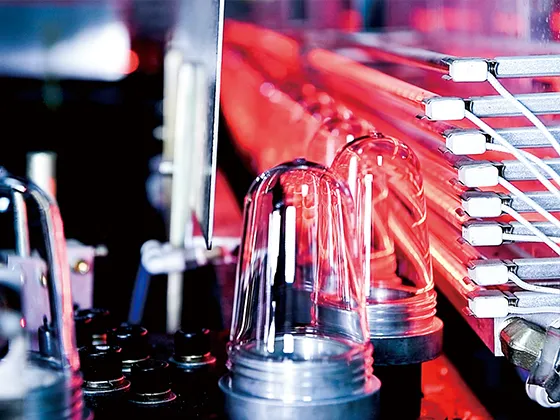
At Australia Ever-Power Injection Stretch Blow Moulding Machine Co., Ltd, we deliver world-class one-step injection stretch blow moulding machines designed for superior efficiency and premium container quality. Our ISBM Machines transform raw resin into finished bottles in a single continuous process, serving beverage, pharmaceutical, food, and daily chemical packaging needs worldwide.
Products
Injection Stretch Blow Molding for Sale
-
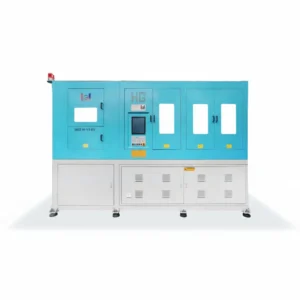
Fully Servo One-Step Injection Stretch Blow Molding Machine
-
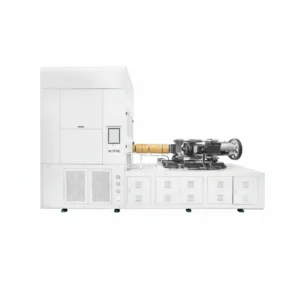
Fully servo one-step injection stretch blow molding machine (four-station) HGYS150-V4-EV
-
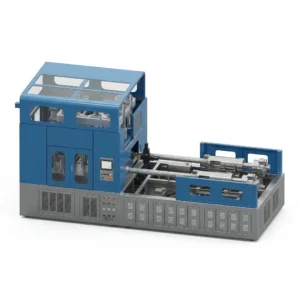
One-step injection stretch blow molding machine (6-station) HGYS280-V6
-
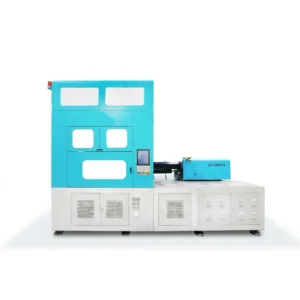
One-step injection stretch blow molding machine (four-station) HGY250-V4
-
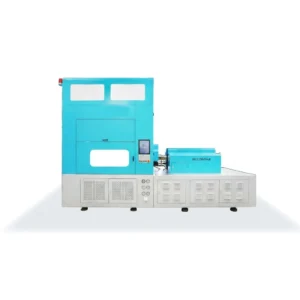
One-step injection stretch blow molding machine (four-station) HGY250-V4-B
-
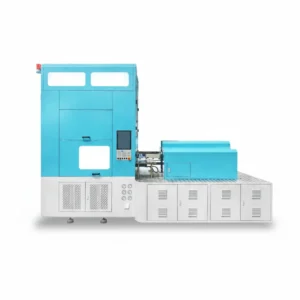
One-step injection stretch blow molding machine (four-station) HGYS150-V4
-
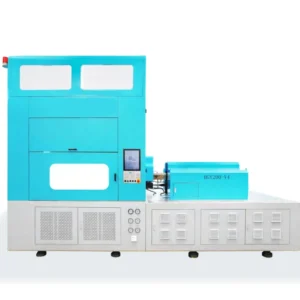
One-step injection stretch blow molding machine (four-station) HGYS200-V4
-
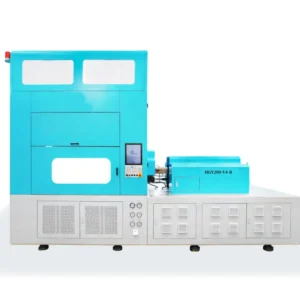
One-step injection stretch blow molding machine (four-station) HGYS200-V4-B
-
One-Step Injection Stretch Blow Molding Machine HGYS150-V4-B (4-Station)
-
One-Step Injection Stretch Blow Molding Machine HGYS500-V3
-
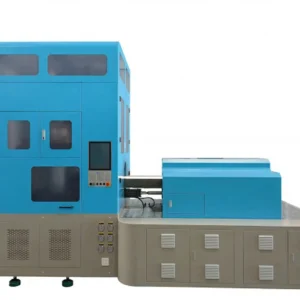
One-step Injection Stretch Blow Moulding Machine(4-station) HGY650-V4
Injection Stretch Blow Moulding Machine Process Step by Step
Injection Moulding
Injection Moulding
Stretch & Blow
Cooling & Ejection
Step-by-step industrial manufacturing workflow
Injection Moulding
PET resin pellets are plasticized and injected around a core rod, forming a precise threaded-neck preform.
Temperature Conditioning
Zoned heating (body hot, neck cool) reconditions the preform for ideal stretch temperature without reheating.
Stretch & Blow
A rod elongates the preform while high-pressure air (±0.05 MPa) blows it into the final container shape.
Cooling & Ejection
Cooling water sets the shape (5-20s). Finished containers are automatically ejected for packing.
Difference Between Injection Stretch Blow Molding and Injection Blow Molding
Fundamentals and Similarities of IBM and ISBM
Both IBM and ISBM start by injecting molten resin (e.g., PET, PP) into a mold to form a threaded preform, ensuring precise wall thickness control. IBM expands via air pressure only; ISBM adds axial stretching for enhanced properties.
Key Differences in Technique and Orientation
Core difference: ISBM includes axial stretching via rod, creating biaxial orientation; IBM uses radial air pressure only, resulting in uniaxial orientation and thicker walls. ISBM offers superior strength, clarity, and uniformity.
Applications, Advantages, and Trade-offs of IBM vs. ISBM
IBM suits HDPE/PP jars for cost-effective food or pharmaceutical packaging, versatile but with lower clarity. ISBM excels in lightweight PET bottles (5-20L) for beverages, providing better barriers and efficiency.
Why Choose US?
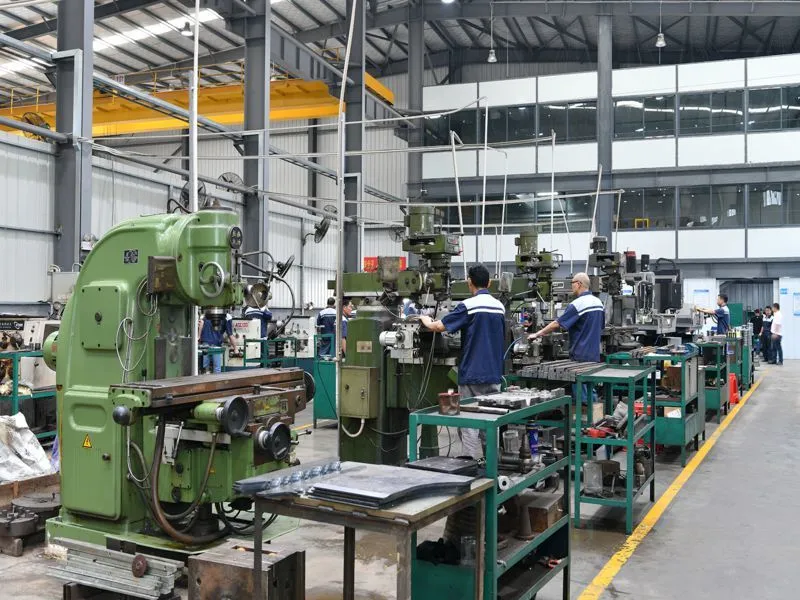
As a leading injection stretch blow moulding manufacturer, Australia Ever-Power Injection Stretch Blow Moulding Machine Co., Ltd operates with 67 experienced employees, 18 years of specialized expertise, and 56 successful projects delivered globally. Our machines feature full compatibility with Japanese ASB machine molds—allowing seamless upgrades, reduced tooling costs, and maximum flexibility for existing production lines. We focus on servo-driven precision, energy-efficient designs, quick mould changes (≤60 min), and smart controls for remote monitoring. Whether you need single- or multi-cavity ISBM Machines for PETG cosmetics or large-volume beverage production, our team delivers reliable, customized solutions.
Number of employees
Since its establishment
Completed projects
Our Agents
Advantages of Our ISBM
ADVANTAGES Core Performance Benefits
High Automation & Efficiency
All steps in one machine, shortening cycles and boosting annual output to millions of units.
Superior Product Quality
Biaxial orientation increases tensile strength by >30% and ensures uniform wall thickness.
Energy & Material Savings
Eliminates reheating (20–30% energy reduction) with 95%+ material utilization.
Hygiene & Consistency
One-step process prevents contamination—ideal for food-grade and pharmaceutical use.
Compact & Eco-Friendly
Smaller footprint and support for lightweight designs (10–20% material reduction).
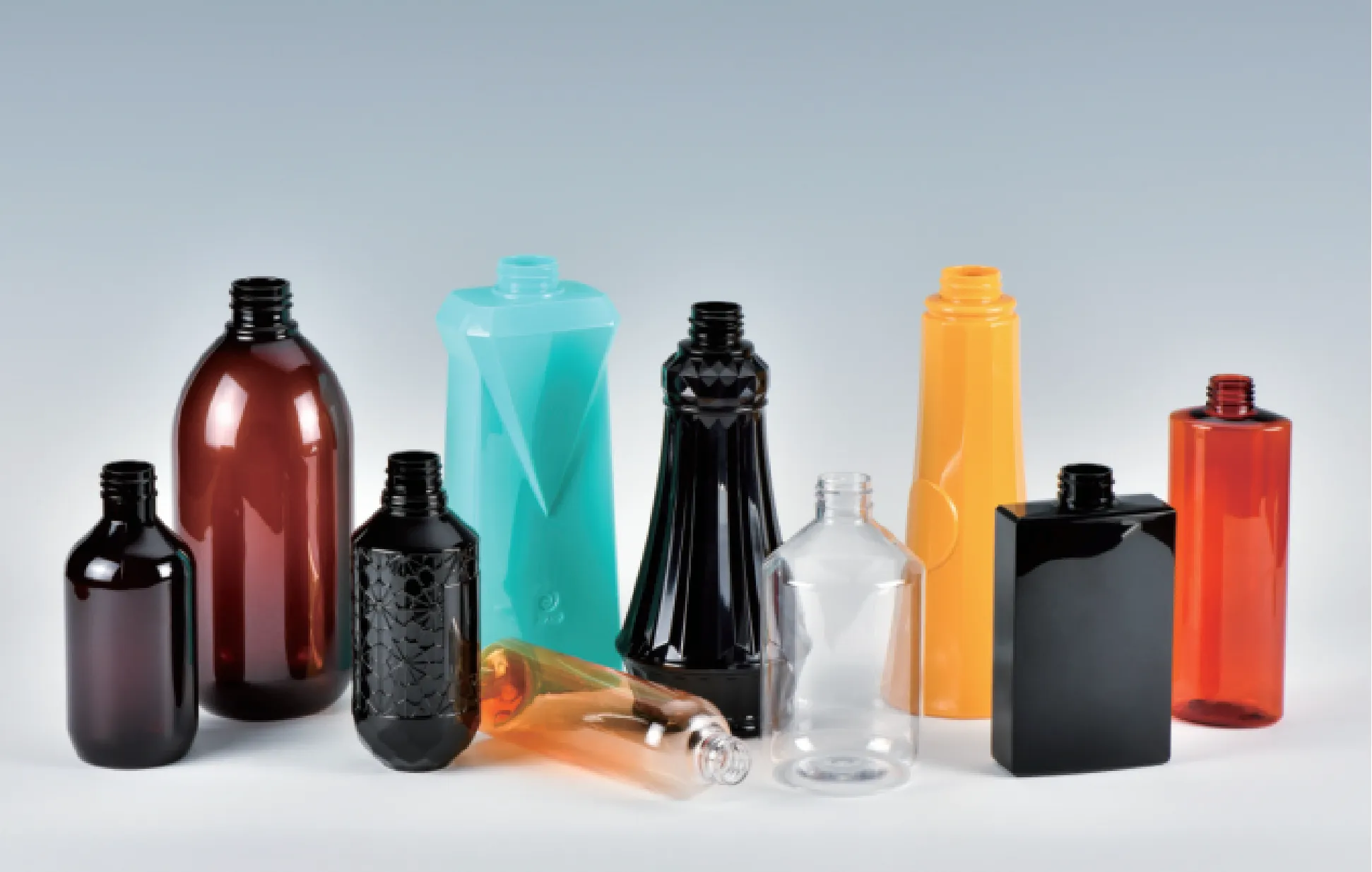
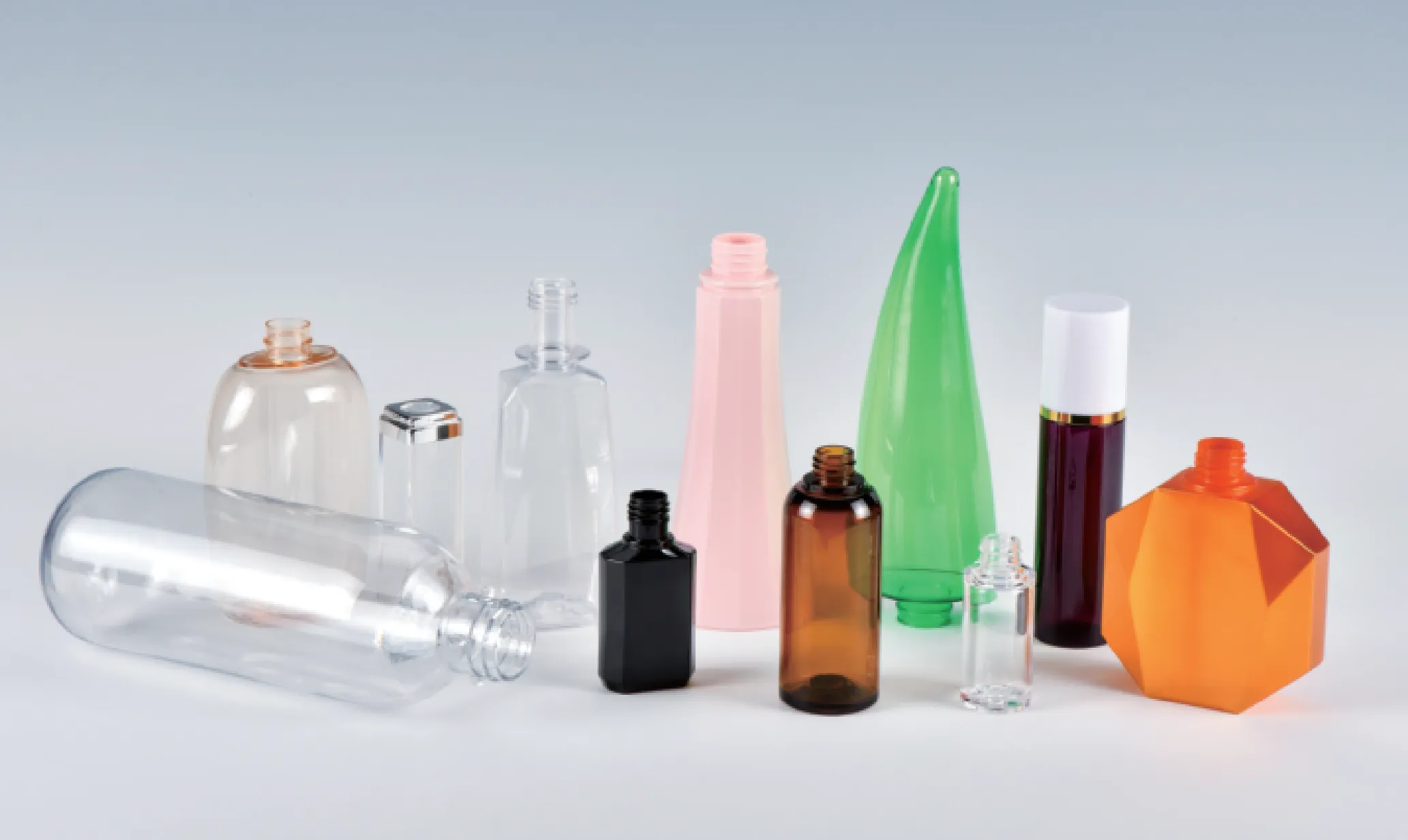
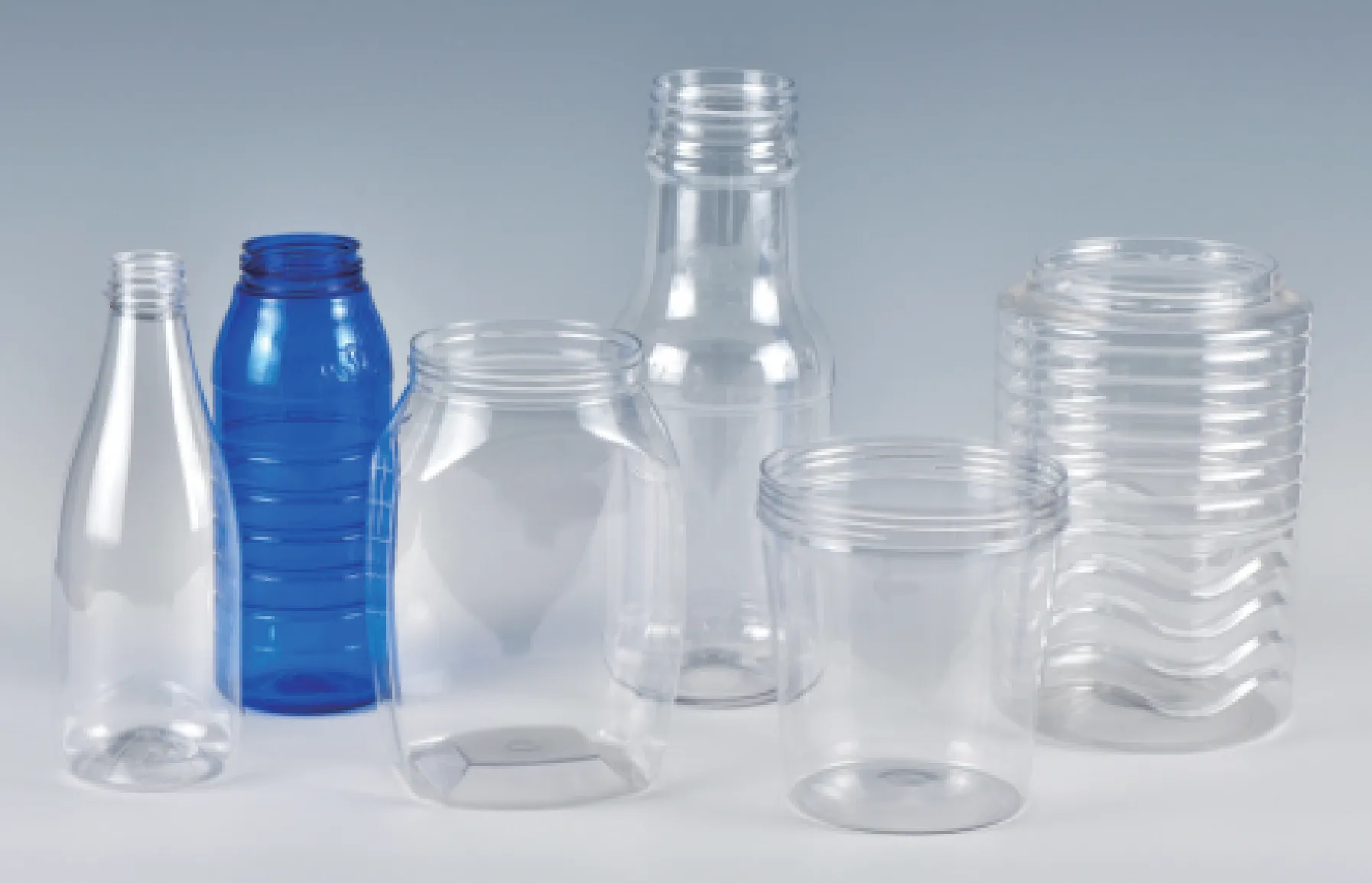
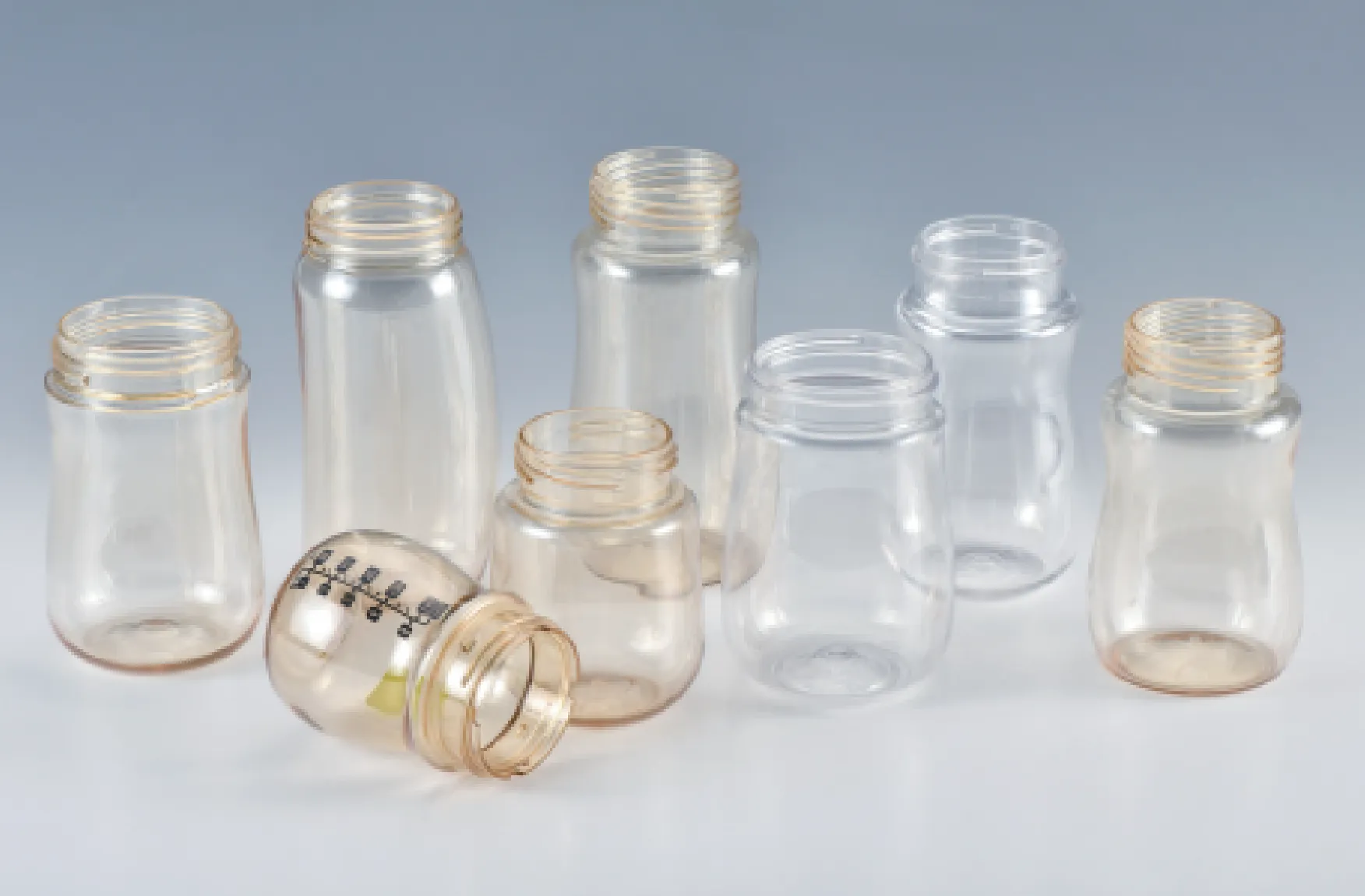
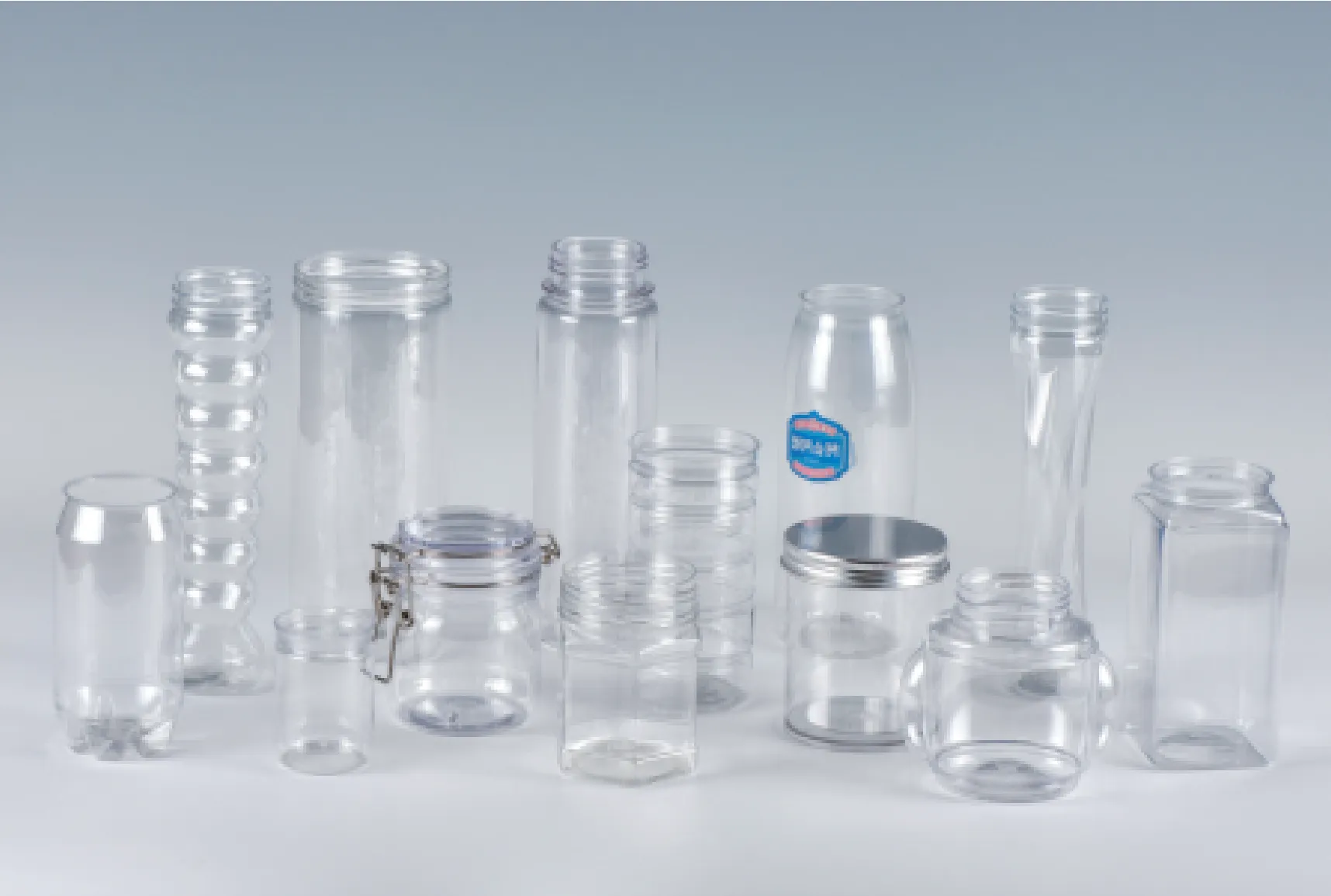
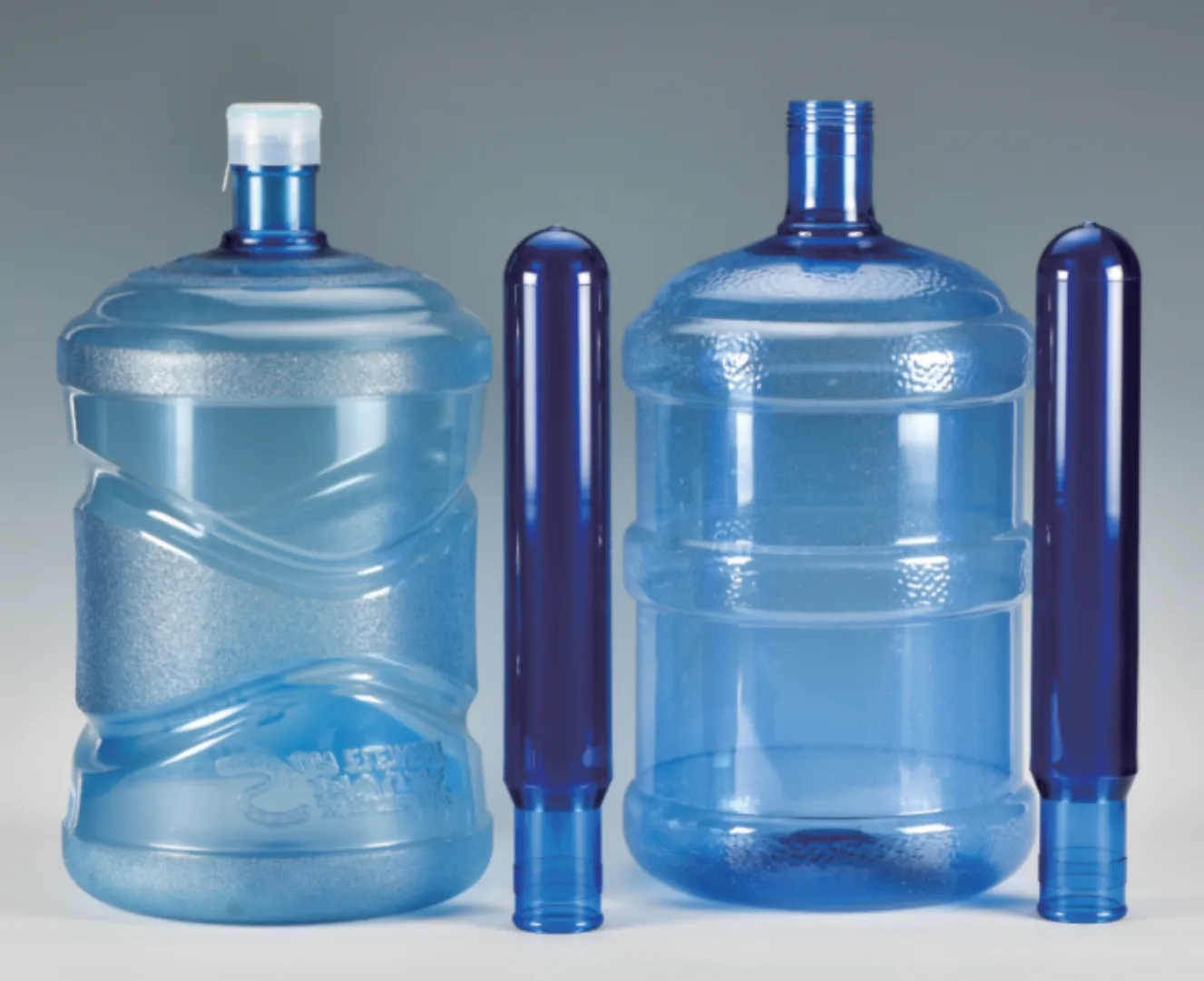
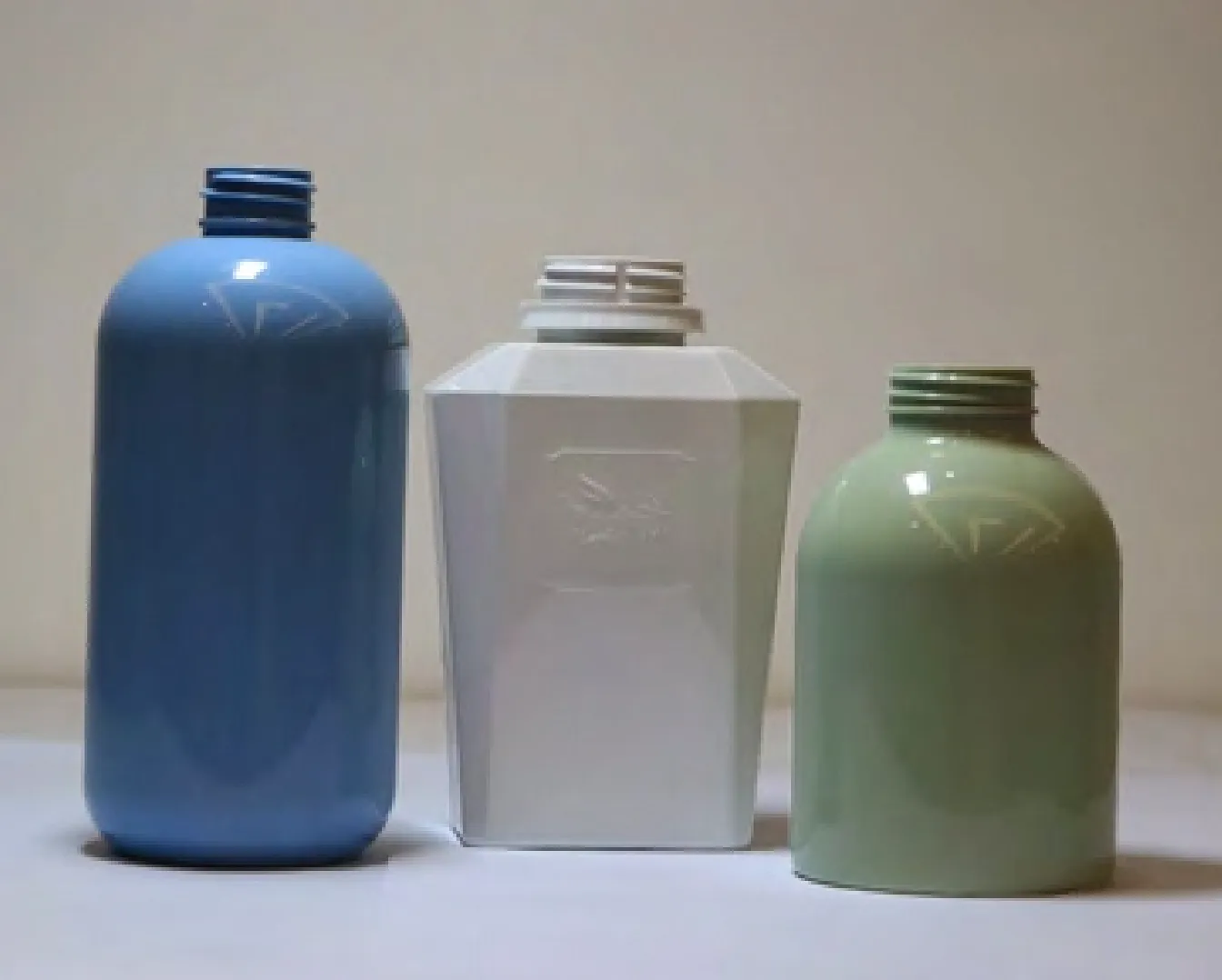
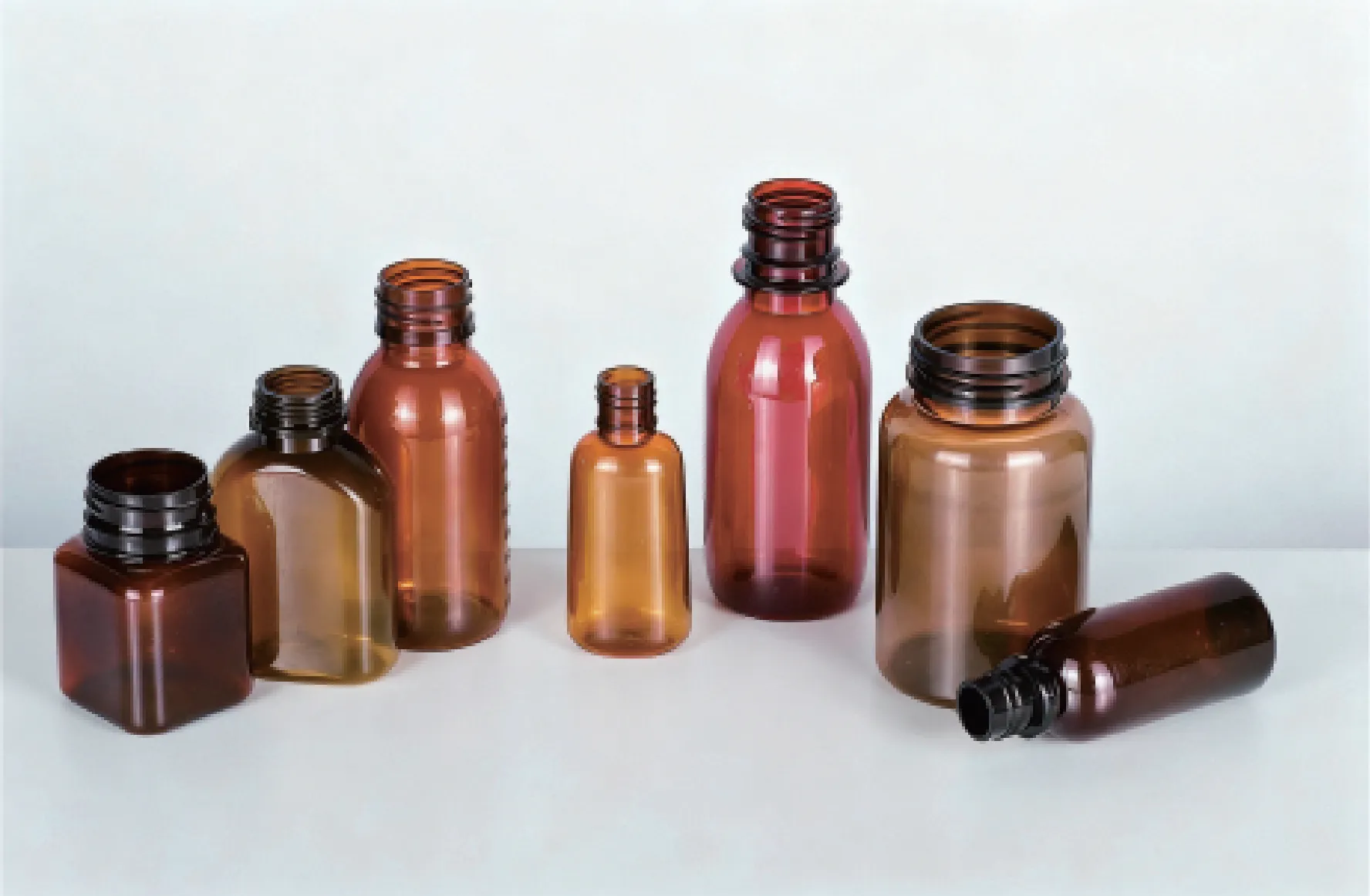
One Step ISBM Molded PET Daily Use Bottle
Beverage Bottles
From 5 ml mini bottles to 20 L jugs. Ideal for mineral water, juices, and carbonated soft drinks requiring high CO₂ barrier.
Food Packaging
Precision containers for edible oil, honey, sauces, and condiment jars. Certified food-grade PET/PP compatibility.
Pharmaceutical
High hygiene standards for syrup bottles, oral vials, and eye droppers. Ensures consistency and leak-proof sealing.
Cosmetic & Daily Chemical
Premium PETG thick-wall jars and shampoo bottles. Excellent chemical resistance and crystal-clear transparency.
Specialty Containers
Baby feeding bottles (Tritan), laboratory cell culture flasks, and specialized hot-fill PP industrial containers.
About Us
FAQs
What is an injection stretch blow moulding machine?
An injection stretch blow moulding machine, or ISBM machine, is an advanced one-step equipment that integrates injection moulding, temperature conditioning, axial stretching, radial blowing, and ejection to produce high-quality plastic containers from resins like PET, PP, PETG, and PC, ensuring superior clarity, strength, and efficiency.
How does an injection stretch blow moulding machine work?
It operates through a rotary multi-station process: molten resin forms a preform via injection; the preform is conditioned and stretched axially; high-pressure air expands it radially; and the container cools before ejection, completing cycles in 10–30 seconds with uniform wall thickness (±5% tolerance).
Why choose an ISBM machine from Australia Ever-Power?
Australia Ever-Power offers machines with 18 years of expertise, compatibility with Japanese ASB molds for seamless upgrades, energy savings of 20–30%, and customized solutions for beverage, food, pharmaceutical, and cosmetic packaging, supported by 67 employees and 56 global projects.
Who benefits from using injection stretch blow moulding technology?
Manufacturers in beverage (5 ml–20 L bottles), food packaging (e.g., oil bottles), pharmaceutical (e.g., vials), and daily chemical industries (e.g., shampoo bottles) benefit, as it provides hygienic, lightweight containers with enhanced barrier properties and production efficiency.
When should a company invest in an ISBM machine?
Investment is ideal when scaling high-volume production requiring biaxial orientation for improved tensile strength (over 30% increase), material utilization (95%+), and reduced energy costs, especially for transitioning from traditional two-step methods to automated, one-step processes.
Customer Reviews
Quality You Can Trust
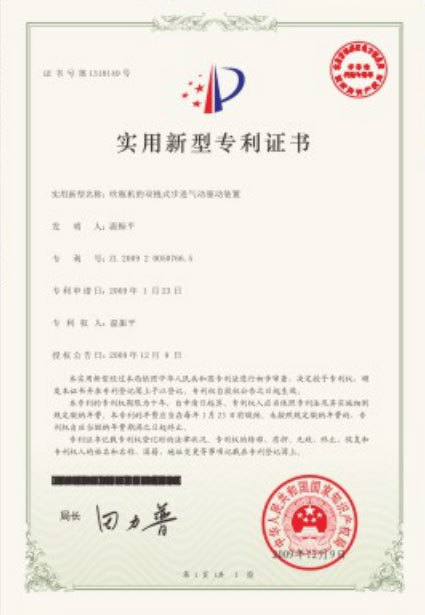
Every machine we deliver is backed by internationally recognized certifications — a testament to our unwavering commitment to engineering excellence.