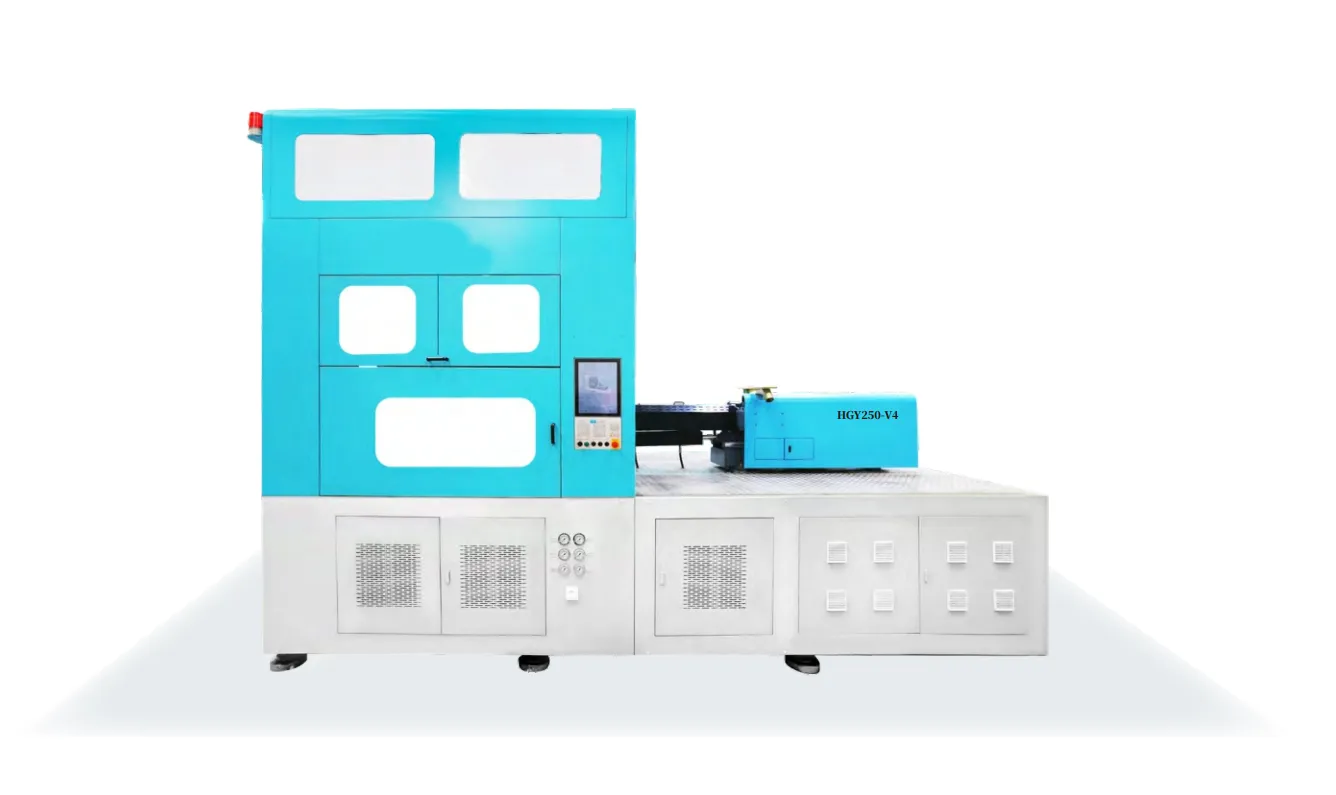
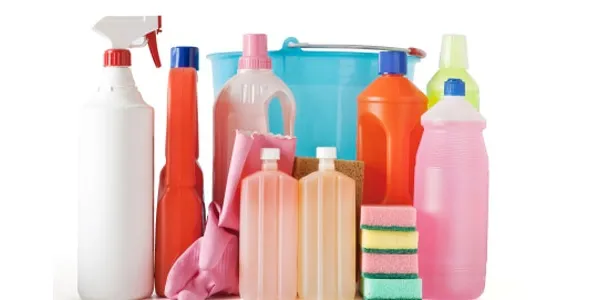
Alcohol-based hand sanitizers — defined in Australia by the TGA as products containing 60–80% ethanol or isopropanol for hand hygiene application — present one of the most chemically demanding bottle specifications in the personal care and consumer healthcare sectors. The ethanol concentration that makes these products effective against pathogens is also sufficient to attack many polymer packaging materials through plasticisation, stress cracking or active sorption of fragrance and moisturiser components. Injection stretch blow molding delivers the combination of material properties, neck precision and production efficiency that alcohol-based sanitizer packaging requires: biaxially oriented PET with demonstrably superior ethanol compatibility compared to non-oriented alternatives, injection-formed closures that seal reliably against alcohol vapour pressure, and output rates that met the extraordinary demand surges the category experienced in 2020–2022 and continues to sustain in healthcare and institutional channels.
Ethanol Compatibility Requirements for Sanitizer Bottle Materials
Ethanol at concentrations of 60–80% — the effective range for hand sanitizer as defined by TGA guidance and WHO formulation recommendations — creates a significantly more aggressive packaging environment than typical personal care formulations. At these concentrations, ethanol acts as a co-solvent capable of initiating stress cracking in improperly specified polymers, extracting plasticisers or processing additives into the product, and permeating through polymer walls at rates that affect both product concentration stability and user safety in enclosed environments. Material selection and processing method are therefore not cosmetic packaging decisions for hand sanitizer; they are product safety and efficacy determinants that belong in the formulation development phase rather than the procurement phase.
PET is the preferred bottle material for retail-format hand sanitizer bottles at 50–500ml for two primary reasons: its demonstrated compatibility with ethanol at concentrations up to approximately 70% under standard retail storage conditions, and its exceptional optical clarity that allows consumers to monitor fill level and product clarity — particularly important for gel sanitizer formats where clarity is a perceived quality indicator. Polyethylene (PE) and polypropylene (PP) at standard non-crystalline grades absorb ethanol at higher rates than PET, creating the potential for bottle distortion under extended filled storage and ethanol diffusion through the bottle wall in thin-section areas, resulting in product concentration drift below the 60% minimum effective threshold over time.
The specific compatibility limitation of PET with alcohol-based sanitizers is at concentrations above approximately 75% ethanol, where the risk of stress cracking in conventional PET under sustained contact with pure ethanol increases. However, hand sanitizer formulations contain water, humectants, gelling agents and fragrance components alongside the ethanol active, and these co-formulation components reduce effective ethanol activity at the bottle wall below that of pure ethanol at the same nominal concentration. Real-world sanitizer formulations at 70% ethanol, containing 1.45% glycerin, 0.125% hydrogen peroxide and fragrance (following the WHO formulation), have demonstrated compatibility with standard bottle-grade PET bottles across 24-month shelf life testing at 25°C and accelerated 40°C storage conditions used in product stability programmes.
How ISBM Technology Addresses Sanitizer Bottle Performance Demands
Enhanced Ethanol Barrier Through Biaxial Orientation
The biaxial molecular orientation produced during injection stretch blow molding reduces the free-volume pathways available for ethanol diffusion through the PET bottle wall. Biaxially oriented PET achieves ethanol vapour transmission rates measurably lower than isotropic PET at equivalent wall gauges — a meaningful advantage for sealed sanitizer bottles stored in warm conditions where internal vapour pressure increases with temperature. Lower ethanol vapour transmission means better concentration maintenance over the shelf life, reduced product weight loss in sealed bottles during distribution and storage, and lower volatile organic compound (VOC) emission in transport environments — a safety consideration for bulk sanitizer shipments subject to dangerous goods classification review.
Neck Finish Integrity for Alcohol Vapour Sealing
Alcohol vapour pressure within a filled sanitizer bottle creates a constant sealing challenge at the neck-closure interface that water-based products do not impose to the same degree. For flip-top dispensing closures — the dominant format for retail 100–300ml sanitizer bottles — the snap-fit engagement between the closure and bottle neck must produce a sealing force that withstands internal vapour pressure without leakage across the temperature range of consumer storage environments: from refrigerated transport at 5°C through to vehicle dashboard exposure at 60°C. ISBM’s injection-formed neck finish consistently holds the thread and sealing surface dimensions required for reliable vapour-tight closure engagement — dimensional accuracy that blow-moulded neck finishes cannot replicate at equivalent production rates — making stretch blow molding technology the preferred process for sanitizer bottle neck production in applications where alcohol vapour containment is a safety and compliance requirement.
Gel vs Liquid vs Spray: Format-Specific Bottle Specifications
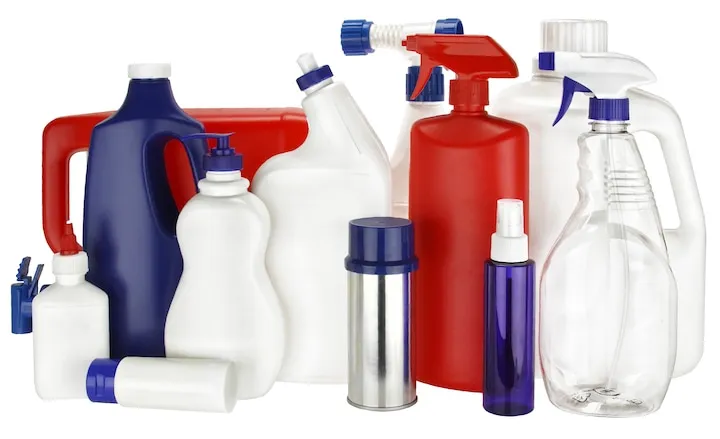
Gel sanitizer bottles (50–300ml retail, 500ml–1L institutional) house carbomer or hydroxyethylcellulose-thickened formulations at viscosities of 2,000–8,000 cP. The bottle body must be squeezable — producing gel-to-palm dispense through a flip-top orifice with a single hand grip — requiring side-wall compliance measured as wall panel deflection of 3–6mm under 8N squeeze force. This squeeze compliance is achieved through a combination of controlled wall gauge (typically 0.35–0.50mm in the grip zone), bottle cross-section geometry (oval or lenticular forms deflect more readily than circular at equivalent wall thickness), and deliberate pre-orientation management in the conditioning stage to avoid over-stiffening the body zone. ISBM’s conditioning temperature programmability directly enables this balance between body rigidity for shelf stability and compliant squeeze for gel dispensing.
Liquid sanitizer bottles (50–500ml) house lower-viscosity formulations at 50–500 cP — thin enough to pour or pump dispense. These products place a higher burden on neck seal integrity because lower viscosity means higher capillary wicking at the closure-thread interface and faster diffusion at leakage paths. Pump-dispensing liquid sanitizer bottles require 28/410 pump necks held within ±0.10mm on sealing surface diameter to prevent the micro-gap leakage that causes cap-drip contamination on dispensing surfaces. ISBM’s injection-formed 28/410 neck delivers this precision consistently across multi-thousand-bottle production runs without the in-run dimensional drift that extrusion-formed necks exhibit as barrel temperatures and production conditions evolve through a shift.
Spray sanitizer bottles (50–250ml) are the format most strongly associated with personal carry and travel use. Miniature trigger sprayers with 28mm or 24mm neck fits are the dominant dispensing system. Small-format ISBM bottles for spray sanitizers must achieve very consistent wall thickness uniformity at low bottle weights (7–14g) across high-cavitation tooling configurations — typically 6–8 cavities per ISBM station for the 50–100ml formats. The economic pressure on spray sanitizer packaging is significant, as price sensitivity at travel retail and pharmacy impulse formats is high; ISBM’s combination of high cavitation potential and cycle times of 10–14 seconds for small-format bottles delivers the unit cost economics that retail spray sanitizer pricing supports.

Design Considerations Specific to Alcohol-Based Sanitizer Packaging
Tamper Evidence, Child Resistance and Dangerous Goods Requirements
Alcohol-based hand sanitizers at retail concentration are classified as Class 3 Flammable Liquids under Australian Dangerous Goods regulations when in quantities above the exempt thresholds, and at any quantity are subject to Safe Work Australia and state-territory chemical safety labelling requirements including the Hazardous Chemical Information System (HCIS). Packaging specifications must accommodate the label area requirements for GHS-compliant hazard pictograms, signal words, precautionary statements and first aid instructions — requirements that increase label area demands significantly compared to standard personal care products and must be incorporated into the bottle label panel geometry specification at the design stage rather than retrofitted to an existing body design. Tamper-evident overcaps or induction-sealed closures are required by most retail channel buyers for sanitizer products to prevent adulteration claims; these add neck finish constraints that must be reviewed against ISBM preform tooling neck geometry during programme planning.
Transparent vs Opaque and Amber Bottle Considerations
Most retail alcohol hand sanitizer products use clear bottles to allow product clarity monitoring — a quality signal for gel texture consistency and absence of contamination. However, sanitizer products containing photosensitive fragrance components or natural actives — lavender, citrus, tea tree — benefit from UV-protection packaging to prevent photo-oxidative degradation of these components under fluorescent retail lighting. ISBM accommodates UV-protective packaging through two routes: tinted masterbatch at 0.5–2.0% loading for lightly tinted amber or blue effects that provide partial UV attenuation, or UV-absorber additive masterbatch that provides UV protection in a clear bottle without colour change. For institutional and clinical sanitizer formats where visual clarity and photostability are both required, UV-absorber additive incorporation into the PET melt during preform injection is the technically preferred solution, protecting both fragrance components and the ethanol-degradable vitamin E commonly used as an antioxidant stabiliser in sanitizer formulations.
ISBM Production Workflow for Hand Sanitizer Bottles
Sanitizer bottle production on ISBM equipment follows the standard one-step four-station cycle, with specific parameter adjustments that address the squeeze compliance, neck seal integrity and small-format high-cavitation requirements of this product category.
① Resin Drying
PET is dried at 160–170°C for 4–6 hours to below 50 ppm. For small-format sanitizer bottles requiring minimal wall gauge at high cavitation, achieving consistent drying across the hopper cross-section is critical — moisture non-uniformity causes visible splay marks in thin-walled small bottles at the low shot weights involved. Hopper dryer dew point monitoring and airflow rate verification at programme start prevents this failure mode.
② Preform Injection
Low shot weight small-format preforms (2–8g for 50–100ml sanitizer bottles) require screw and barrel geometry configured for the low-throughput precision plasticisation that small cavities demand. Injection velocity and hold pressure profiles are calibrated to fill and pack each cavity identically at the low back-pressures that minimise AA generation — a key parameter for sanitizer products where fragrance accuracy is an active brand attribute.
③ Thermal Conditioning
For gel sanitizer bottles requiring squeeze compliance, conditioning temperature in the body zone is maintained toward the upper end of the workable range (110–116°C) to ensure adequate material softness for controlled radial expansion into the oval or lenticular cross-sections that facilitate gel squeezing. For spray sanitizer bottles requiring maximum body rigidity, conditioning favours slightly lower body temperatures and more deliberate axial rod timing to maximise biaxial crystallinity and stiffness in the bottle wall.
④ Stretch-Blow Moulding
Stretch rod speed at 0.9–1.2 m/s initiates axial orientation before pre-blow air at 6–8 bar begins the radial expansion sequence. High-pressure blow at 30–40 bar completes mould contact and delivers the surface definition required for reliable flip-top snap engagement on sanitizer bottle necks. Blow mould cooling at 8–14°C freezes orientation and ethanol barrier properties simultaneously — the quality outcome that makes biaxially oriented PET the superior sanitizer bottle material over non-oriented alternatives.
⑤ Ejection and Vapour Seal Testing
Sanitizer bottles are ejected and inspected inline for neck finish conformance, body clarity and wall thickness spot checks. For institutional and clinical sanitizer programmes, a sample set from each production batch is subjected to nitrogen-pressure leak testing at the filled bottle’s rated headspace pressure to confirm vapour seal integrity before delivery to the filling facility. This testing protocol provides documented evidence of bottle seal performance that supports TGA product stability dossier requirements for listed sanitizer products.
Critical Machine Parameters for Hand Sanitizer Bottle Production
| Parameter | Typical Range | Sanitizer-Specific Impact |
|---|---|---|
| Injection barrel temperature | 268–285°C | AA minimisation preserves fragrance in alcohol-based products |
| Body conditioning temperature | 108–118°C | Squeeze compliance (gel) vs body rigidity (spray) balance point |
| Stretch rod speed | 0.9–1.2 m/s | Axial orientation degree — determines ethanol vapour barrier level |
| High-pressure blow air | 30–40 bar | Neck seal surface definition for vapour-tight closure engagement |
| Blow mould cooling temp | 8–13°C | Crystallinity freeze-in: locks ethanol barrier and dimensional stability |
| Cycle time (100ml bottle, 6 cav) | 10–14 seconds | Output rate 12,000–20,000 bottles/hr for travel-size sanitizer formats |
The high output rates achievable for small-format sanitizer bottles on ISBM equipment — 12,000–20,000 bottles per hour for 100ml formats in 6-cavity tooling — reflect the combination of short cycle times at low preform weights and the efficiency gains from the one-step process eliminating inter-station preform handling. These rates met the extraordinary demand surge in the hand sanitizer category during 2020–2022 and continue to support the elevated baseline demand from healthcare, food service and travel retail channels that has persisted post-pandemic. Understanding the parameter interactions at these high output rates is essential: at cycle times below 12 seconds, mould cooling adequacy becomes the limiting constraint, and blow mould cooling circuit design — channel pitch, water flow rate and temperature uniformity — must be validated to ensure dimensional consistency at the target output rate before commercial production commitment.
Body conditioning temperature is the primary parameter differentiating gel sanitizer and spray sanitizer bottle production on the same ISBM platform. Gel bottles requiring squeeze compliance are processed at the higher end of the conditioning range (112–118°C) to reduce biaxial stiffness in the body zone; spray bottles requiring rigid, non-deformable bodies under user grip are processed at 108–112°C with rod speed adjusted to maximise orientation. This parameter flexibility — achievable through conditioning zone setpoint adjustment without tooling changes — enables the same ISBM machine to serve both product formats across scheduled production runs, maximising machine utilisation across a broader SKU range than specialised blow moulding equipment allows.
TGA and GHS Compliance in Hand Sanitizer Bottle Specification
Hand sanitizer products sold in Australia with therapeutic claims — including “kills 99.9% of germs” and specific pathogen-kill claims — are regulated by the TGA as listed therapeutic goods under the Therapeutic Goods Act 1989. The TGA’s listing pathway for alcohol-based hand sanitizers using WHO-recommended formulations requires the product to use only permitted excipients at specified concentrations, and the container must be the type described in the product’s ARTG listing. Changes to bottle type, material or primary closure system require notification to TGA and may require re-listing assessment, making material selection and bottle specification decisions at programme initiation critical to avoiding regulatory disruption downstream as packaging supply conditions evolve.
GHS hazard classification under the Hazardous Chemicals Information System (HCIS) places alcohol hand sanitizers at 60–80% ethanol in Category 3 Flammable Liquids. This classification triggers GHS labelling requirements including the flame pictogram, Danger signal word, H226 or H225 hazard statement, and specific P-statement precautionary text — all of which must appear on the primary label at minimum specified text sizes. Bottle label panel geometry — panel height, width and curvature — must accommodate this mandatory text within the usable label area alongside brand graphics, active content declaration, directions for use and batch code. Label panel design should be reviewed against the GHS label content matrix for the specific product classification during bottle design, with adequate flat label area confirmed before ISBM blow mould steel is committed.

Packaging Sustainability in the Hand Sanitizer Category
Alcohol-based hand sanitizer presents a more complex sustainability challenge than typical personal care packaging because the alcohol content — classified as a flammable dangerous good — creates restrictions in some rPET recovery and reuse pathways. Food-grade rPET certification requires demonstration that post-consumer bottles are decontaminated to food-safe levels; for bottles that previously contained alcohol-based products, the decontamination validation data must confirm alcohol residue removal below food-safety thresholds. This is a solvable technical challenge — established rPET processing facilities routinely handle decontamination of food-contact post-consumer PET including bottles from alcohol-containing beverage products — but it requires deliberate engagement with the rPET supply chain rather than standard rPET purchasing.
From a design-for-recyclability standpoint, sanitizer bottles should be designed as mono-material PET articles with no metal or multi-layer barrier coatings that would compromise MRF optical sortation. Tinted sanitizer bottles should use PET-compatible pigment masterbatch rather than coatings or lacquers, and closures should be specified in polypropylene or polyethylene compatible with the existing kerbside sorting stream. Labels should use water-soluble or floatable adhesives to enable label removal during bottle washing at rPET processing facilities. These design choices have no impact on ISBM production processes or costs but materially improve the post-consumer recovery quality of the bottles, supporting both ARL ‘Recycle’ designation and the recycled content integration that sustainability-committed brands are seeking as the rPET supply chain for personal care bottles matures in the Australian market.