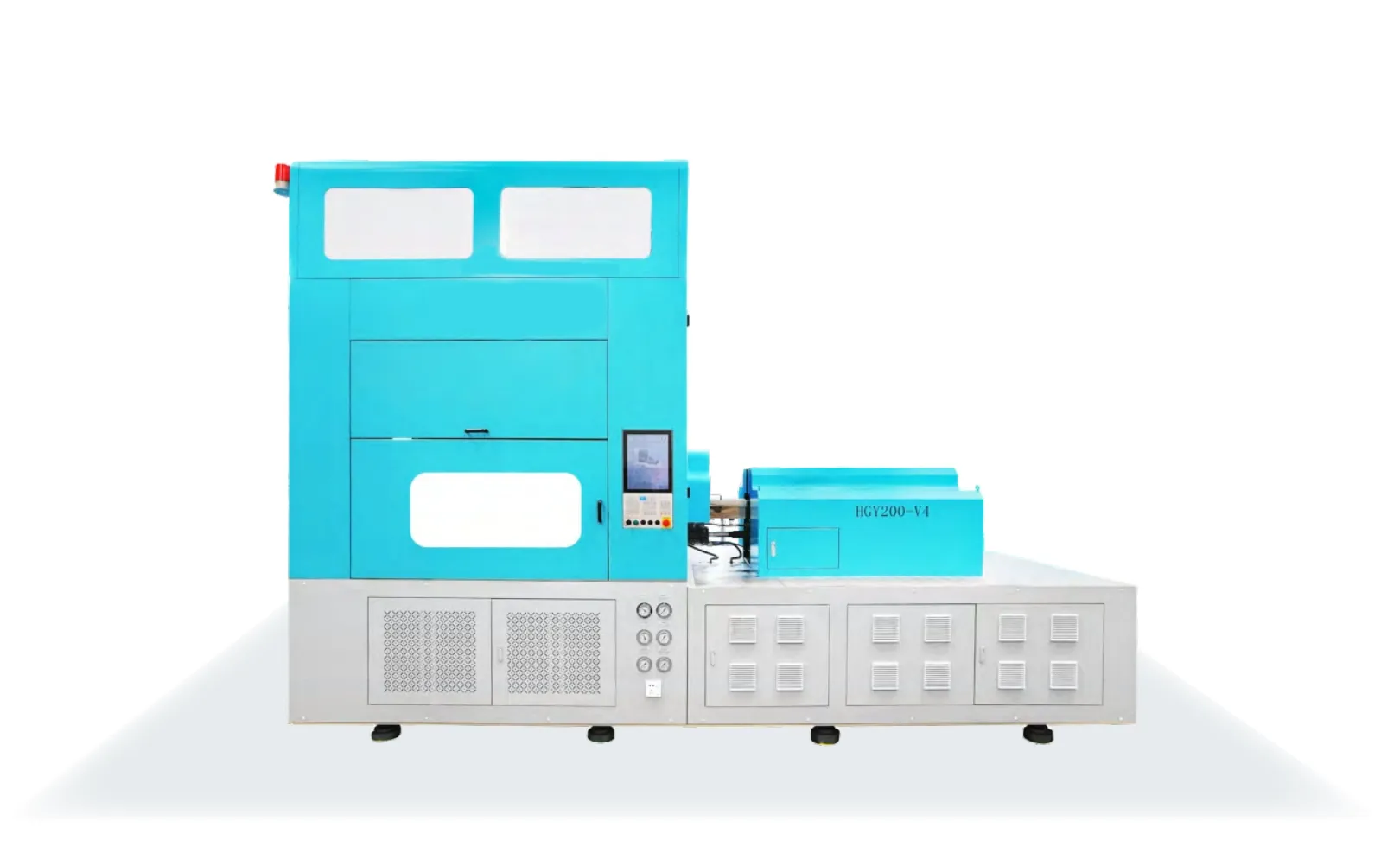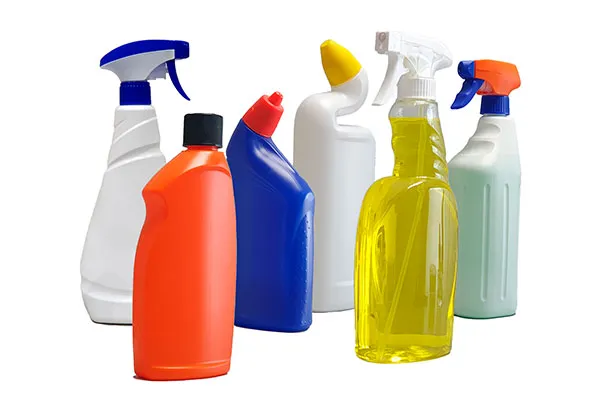

The hand soap category sits at the intersection of personal care, hygiene and interior design — a market where packaging quality is as important as the formulation inside. Pump dispenser bottles must deliver precise per-actuation dosing, accommodate a broad range of viscosity profiles from water-thin antibacterial gels to rich moisturising creams, and sustain several hundred pump cycles without neck thread fatigue or body deformation. Injection stretch blow molding has become the defining production technology for premium and mid-market hand soap pump bottles, combining the dimensional accuracy required for reliable lotion pump fitment with the optical clarity and low bottle weight that characterise modern bath and kitchen dispensers.
The Hand Soap Market’s Packaging Performance Requirements
Consumer hand soap spans a formulation spectrum from thin alcohol-based antibacterial liquids at viscosities of 50–200 cP through to high-emollient moisturising washes exceeding 5,000 cP. Each viscosity band behaves differently through the lotion pump dip tube and spring mechanism, placing different static load and chemical exposure requirements on the bottle neck and body. Low-viscosity antibacterial formulations penetrate thread-seal interfaces under transport vibration if the neck finish is not held to tight tolerances; high-viscosity creamy washes exert greater pump actuation forces that concentrate stress at the neck-shoulder junction with every use cycle.
Retail environments amplify these requirements through presentation expectations. Hand soap occupies a visible position on kitchen benchtops, vanity counters and commercial washroom dispensers — product categories where the bottle is a permanent fixture rather than a utilitarian commodity. Brand owners specify glass-like PET clarity, precise embossing sharpness, uniform colorant distribution and geometrically consistent shoulder and base profiles that align across multiple SKU sizes in a coordinated range. Meeting these aesthetic and functional standards simultaneously at production rates of 3,000 to 6,000 bottles per hour is the challenge that one-step ISBM bottle manufacturing addresses better than any competing process available to hand soap producers.
ISBM Process Mechanics for Pump Dispenser Bottle Production
Neck Finish Precision and Lotion Pump Fitment
In a one-step injection stretch blow molding machine, the bottle neck is formed during the injection phase of the cycle — before any stretching or blowing occurs. This means the neck finish receives the dimensional precision of an injection-moulded part, not a blow-moulded one. For hand soap bottles, this distinction is operationally critical: lotion pumps operate on a snap-fit or threaded collar engagement that requires the neck outer diameter and thread form to be held within ±0.10mm to ensure leak-free sealing under the internal pressure generated during pump actuation. ISBM consistently delivers neck tolerances in this range across high-cavity production tools, enabling reliable pump application at filling line speeds that extrusion blow-moulded bottles cannot match.
Biaxial Orientation for Slender, Lightweight Bottle Forms
Hand soap bottles for countertop dispensing tend toward tall, slender forms that maximise visual presence and minimise footprint — proportions that require excellent hoop and axial strength to resist the side-load forces of pump actuation without body deflection. ISBM’s biaxial orientation of PET during stretch-blow raises tensile strength by 40–80% compared to isotropic moulded PET, allowing bottle wall gauges of 0.30–0.45mm to achieve adequate column strength and side-wall rigidity without the wall thickness increases that would push bottle weight and material cost above target. The result is a bottle that combines premium visual lightness with the structural integrity demanded by repeated, high-force pump operation over the full service life of the product.

Material Selection for Hand Soap Pump Bottles
Bottle-grade PET with an intrinsic viscosity of 0.76–0.82 dL/g is the standard material for hand soap pump bottles requiring optical clarity. This IV range balances processability in the ISBM injection stage with adequate post-blow mechanical properties. PET’s broad compatibility with surfactant-based formulations, humectants such as glycerin and propylene glycol, fragrance compounds and low-concentration preservative systems makes it suitable for the majority of hand soap chemistries without compatibility testing exceptions. For formulations containing high levels of essential oils — particularly citrus and eucalyptus extracts at concentrations above 3% — compatibility verification against d-limonene stress cracking in PET remains advisable.
When product colour or opacity is required — as in tinted decorative hand soap ranges — masterbatch concentrate is introduced into the PET melt at the injection stage. Colour concentrate loading of 0.5–2.0% by weight can be accommodated in ISBM without meaningful IV reduction, provided the masterbatch carrier resin is PET-compatible and the concentrate has been pre-dried equivalently to the base resin. Pearlescent and metallic effects popular in premium personal care packaging are achievable by including mica-based pigment concentrates within this system, creating a shelf-differentiated appearance that traditional HDPE extrusion blow-moulded bottles cannot replicate with equivalent visual consistency.
For ISBM bottle manufacturing applications where sustainability targets require recycled content, bottle-grade rPET at 25–30% blend ratio integrates into hand soap bottle production with minimal process adjustment. The primary processing consideration is ensuring blend-average IV remains above 0.74 dL/g and that moisture content is reduced below 50 ppm across the combined resin blend before plasticisation. Visual haze increase associated with rPET incorporation is typically below perception threshold at concentrations up to 25%, preserving the clarity that countertop hand soap bottles require.
Bottle Geometry Design for Pump Dispenser Compatibility
Neck Finish Standards for 28mm Lotion Pumps
The 28mm neck finish — specifically the 28/410 and 28/415 thread profiles — dominates the hand soap pump bottle market across both retail and institutional segments. Thread root diameter, pitch, flank angle and finish height must conform to PCOP or GPI standards to ensure interoperability with lotion pumps from major closure suppliers. ISBM’s injection-formed neck consistently holds 28/410 thread pitch diameter within ±0.08mm — well inside the ±0.15mm tolerance required by leading pump manufacturers for their snap-on collar designs. This precision directly eliminates pump misalignment events on filling lines running at 200+ bottles per minute, protecting line efficiency and preventing the torque-induced neck cracking that can appear on cheaper extrusion blow-moulded bottles after several hundred pump actuations.
Body Proportions, Label Panel Geometry and Base Design
Hand soap bottles for countertop use typically feature a height-to-maximum-diameter ratio of 3:1 to 4.5:1, creating the tall, elegant silhouettes associated with premium dispensers. These proportions present ISBM preform and mould engineers with a meaningful challenge: the greater the axial-to-radial stretch ratio, the more carefully the conditioning temperature profile must be tuned to prevent material starvation at the bottle shoulder or excessive thinning near the base panel. Label panel flatness of ±0.25mm or better is required for clean pressure-sensitive label adhesion; exceeding this tolerance causes edge-lift and bubbling visible to consumers using the product at home. Base footprint design should provide a minimum 60% stable resting area relative to bottle diameter to prevent tipping from pump actuation rebound forces during normal dispensing — a specification that demands explicit incorporation into ISBM blow mould geometry rather than assumption.
One-Step ISBM Production Workflow for Hand Soap Pump Bottles
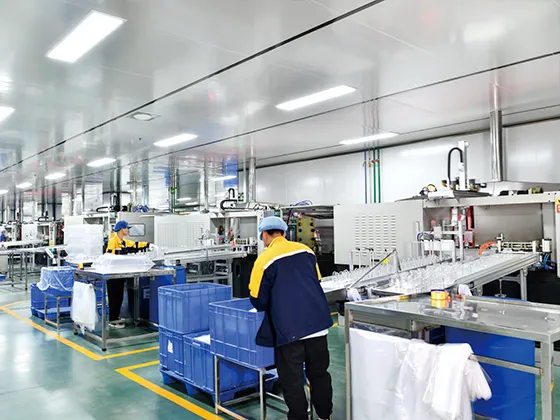
The one-step ISBM cycle achieves its precision advantages through the uninterrupted transfer of a still-hot preform through injection, conditioning, blow and eject stages — never allowing the preform to cool to ambient temperature, which eliminates the reheat energy and temperature non-uniformity inherent in two-step processes.
① Resin Preparation
PET pellets are dried in a desiccant hopper dryer at 160–170°C for 4–6 hours to achieve moisture below 50 ppm. For tinted hand soap bottles, colour masterbatch is blended gravimetrically at the hopper throat. Precise moisture control prevents hydrolytic chain scission during injection — the root cause of haze, splay marks and mechanical weakness in the finished bottle.
② Preform Injection
Dried PET is plasticised at 270–290°C and injected under controlled velocity and pressure profiles into multi-cavity preform tooling. The 28mm neck finish — threads, sealing surface and pump collar support ledge — forms here with injection moulding accuracy. Neck geometry is locked at this stage, establishing lotion pump fitment before a single millimetre of stretching occurs.
③ Thermal Conditioning
The hot preform transfers to the conditioning station where independent zone heaters establish the axial temperature gradient required for controlled biaxial orientation. For tall hand soap bottle designs, gradient profiling concentrates heat at the base preform zone to drive additional axial material flow there, ensuring base panel clarity and thickness are maintained while shoulder regions receive adequate radial pre-stretch material.
④ Stretch-Blow Moulding
A stretch rod extends at 0.8–1.2 m/s while pre-blow air (6–8 bar) initiates radial expansion. High-pressure blow air at 30–40 bar then drives full mould contact. Water-cooled tooling at 8–15°C freezes biaxial molecular orientation into the PET structure within the blow dwell, locking clarity, strength and dimensional accuracy simultaneously before the bottle exits the mould.
⑤ Ejection and Inspection
Finished bottles are ejected onto orientation conveyors for inline vision inspection, weight verification and leak testing before entry into the filling line. Modern ISBM installations incorporate neck finish gauging at this station to confirm 28/410 or 28/415 thread compliance on a statistical basis, providing production traceability data that supports filling line performance reporting and customer quality documentation requirements.
Key Machine Parameters for Hand Soap Pump Bottle Output
| Parameter | Typical Range | Effect on Finished Bottle |
|---|---|---|
| Injection barrel temperature | 272–288°C | Melt homogeneity, preform clarity, acetaldehyde level |
| Conditioning zone temperature | 102–114°C | Wall distribution, shoulder clarity, side-wall rigidity |
| Stretch rod speed | 0.9–1.2 m/s | Axial orientation, base clarity and strength |
| High-pressure blow air | 28–38 bar | Surface gloss, embossing reproduction, label panel flatness |
| Blow mould cooling temperature | 8–14°C | Crystallinity locking, cycle time, base dimensional stability |
| Cycle time (300ml–500ml bottle) | 14–20 seconds | Output rate per hour, cooling adequacy, material stress |
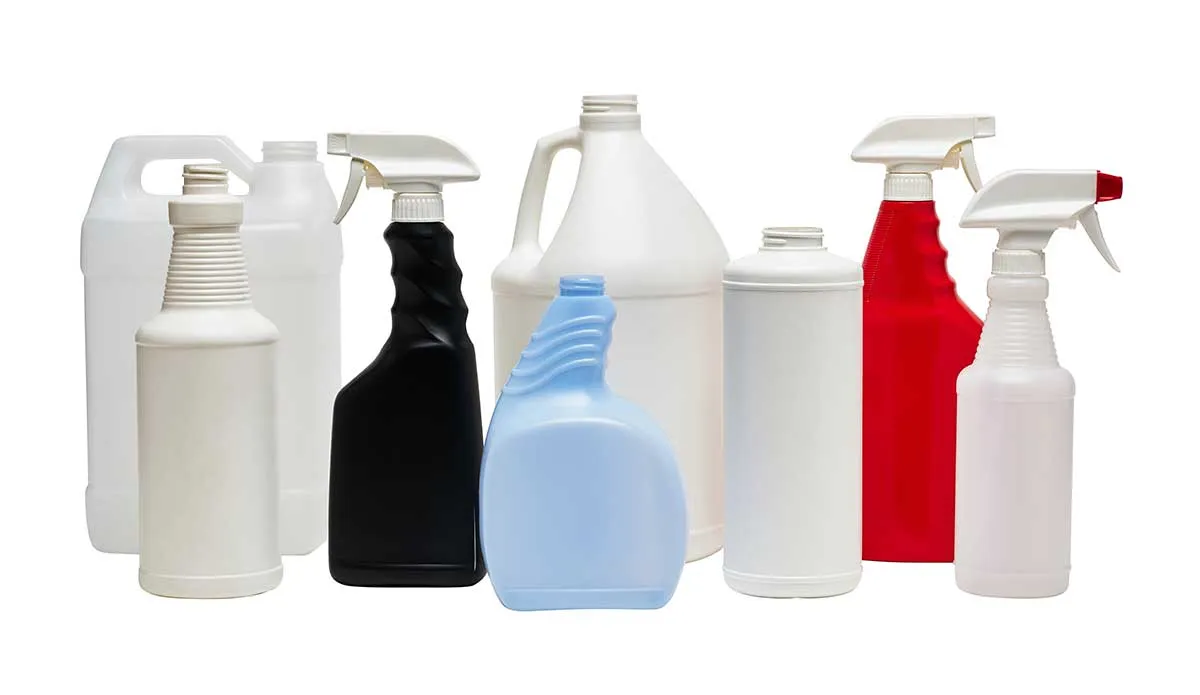
Hand soap pump bottles are typically produced in the 250–500ml volume range — sizes where ISBM cycle times of 14–20 seconds on a four-cavity configuration yield output rates of 4,000–6,200 bottles per hour. The key interactive parameter for this bottle size is the relationship between conditioning zone temperature and stretch rod velocity: undershooting conditioning temperature while maintaining rod speed produces over-stretched, thin-walled shoulder zones that fail under pump actuation load; overshooting conditioning temperature while slowing rod speed yields insufficient axial orientation and hazy, poor-clarity shoulder panels. Establishing the correct parameter window through systematic DoE trials on new hand soap bottle moulds reduces programme launch time and minimises the volume of off-specification material generated during process development.
Blow mould cooling efficiency has a disproportionate effect on tall, slender hand soap bottle forms relative to shorter, wider bottle formats. The greater height-to-diameter ratio means cooling channels must be routed with particular care through the mould body to avoid thermal gradients that cause one-sided shrinkage — appearing as label panel curvature or slight body lean in the finished bottle. Mould designers targeting premium hand soap bottle tolerances specify cooling channel pitch of ≤25mm and inlet water temperature variation of ≤1°C across all circuits to maintain the dimensional symmetry that countertop bottle aesthetics demand.
Quality Control Protocols for Hand Soap Pump Bottle Production
Quality assurance for hand soap pump bottles centres on four measurement areas: neck finish dimensional conformance, wall thickness distribution mapping, mechanical performance under pump-load cycling, and chemical compatibility with the target formulation range. Neck finish gauging — using go/no-go thread gauges calibrated to 28/410 or 28/415 standards — is performed at production start and at defined interval samples throughout each shift. Statistical process control charts tracking thread outer diameter and height are maintained to identify drift before accumulated non-conformance creates filling line disruption at the customer’s facility.
Pump-load fatigue testing is particularly important for hand soap bottles destined for public washroom or hospitality dispensers, where individual units may sustain 500–1,000 pump actuations before replacement. Test protocols simulate pump actuation under representative filled-weight conditions at ambient and elevated temperature, measuring neck thread torque retention and shoulder deformation after defined actuation cycle counts. Bottles showing shoulder yield or thread deformation before 400 cycles require preform wall geometry adjustment or processing parameter revision — both of which are most efficiently resolved through ISBM machine parameter adjustment rather than mould recutting.
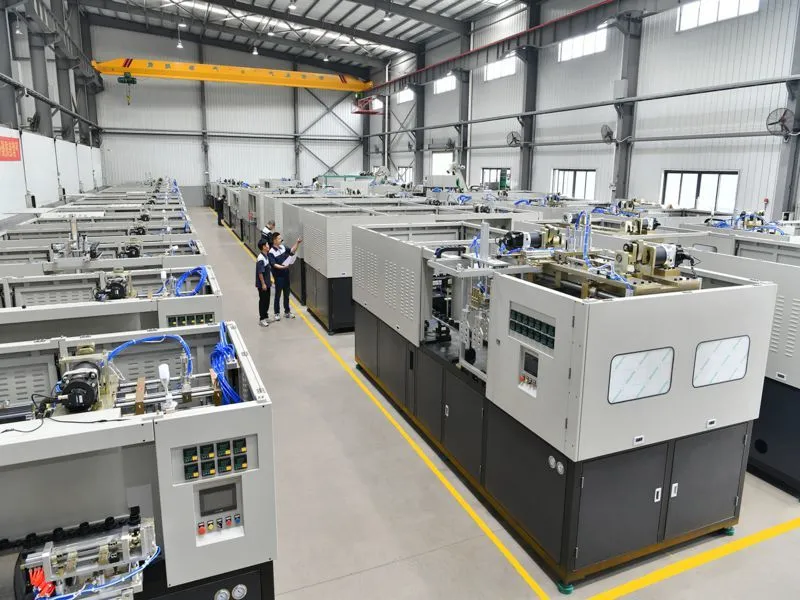
Sustainability and Lightweighting in Hand Soap Pump Bottle Design
Hand soap is one of the fastest-growing personal care categories for refill packaging adoption — driven by retail brands committed to Australia’s National Packaging Targets and consumer demand for reduced single-use plastic consumption. ISBM’s material efficiency advantage directly enables hand soap bottle lightweighting: biaxial orientation allows wall gauges of 0.28–0.38mm in the body panel while maintaining the squeeze stiffness consumers associate with quality, compared with extrusion blow-moulded HDPE bottles requiring 0.55–0.80mm wall gauges for equivalent rigidity. This wall reduction translates to 15–25% lower PET content per bottle — a material saving that compounds across the high production volumes of major hand soap programmes.
PET’s established recyclability in Australia’s kerbside system — with MRF optical sorters reliably identifying and routing PETE (01) bottles to high-value regrind streams — gives ISBM-produced hand soap bottles a clear end-of-life advantage over multi-layer or HDPE alternatives. Brands incorporating the Australasian Recycling Label (ARL) on pump dispenser bottles must be able to substantiate the ‘Recycle’ designation; mono-material PET ISBM bottles with no metal or non-PET label face satisfy this requirement without additional disassembly instructions. For brands pursuing certified recycled content declarations, 25–30% rPET integration in ISBM hand soap bottles is achievable at commercial scale with current resin supply infrastructure, providing a substantiated claim supporting brand sustainability positioning in retail and institutional channels.