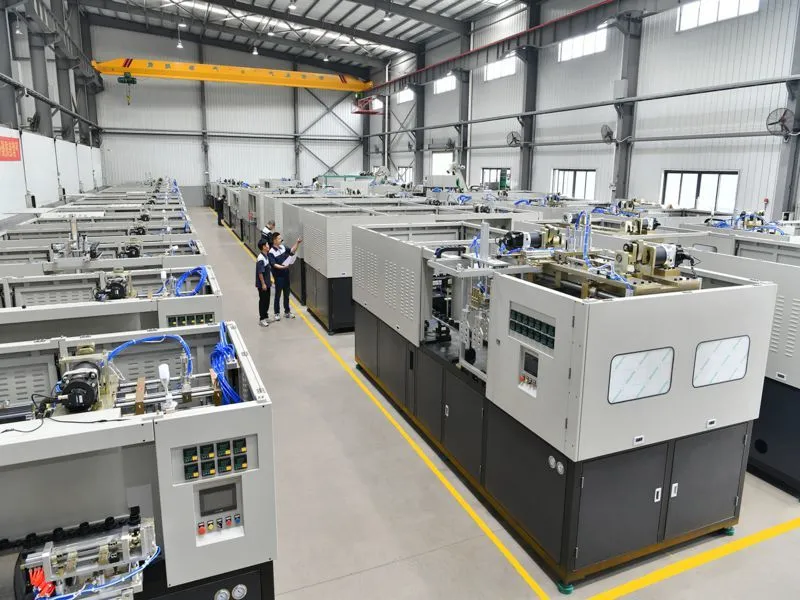
Air fresheners are a deceptively demanding packaging category. The product inside—whether an alcohol-based spray, a reed diffuser liquid, a gel concentration, or a pump-mist formulation—contains fragrance compounds that permeate polymer walls, react with plasticisers, and degrade if exposed to UV light during shelf display. The bottle must therefore perform as both a fragrance barrier and a controlled-diffusion vessel, while simultaneously presenting the aesthetic quality that justifies a retail price point significantly above commodity cleaning products. Injection stretch blow molding is the process that best reconciles these competing demands: the biaxial orientation of the PET wall delivers barrier performance that unoriented polymers cannot approach, while the injection-precision of the ISBM process produces the dimensional and surface quality that turns a functional container into a brand statement.
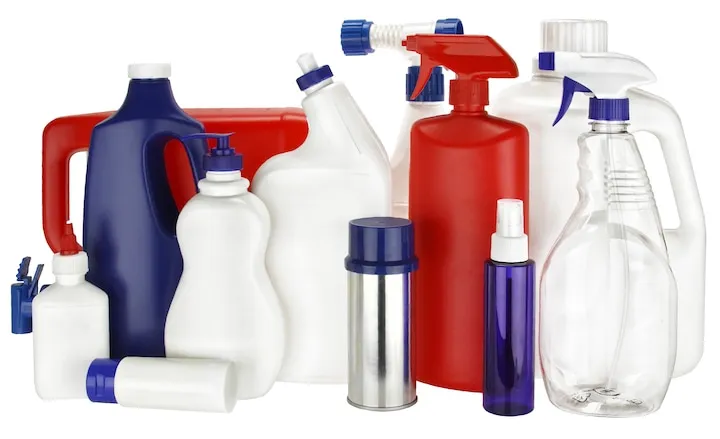
The Air Freshener Market: Packaging as Product Experience
A Category Where Presentation Equals Perceived Value
Global air freshener sales have grown substantially in the post-pandemic period, driven by heightened consumer attention to indoor environment quality and increased home occupancy. The category spans mass-market functional formats—spray fresheners for bathrooms and kitchens—through to premium lifestyle products marketed as home fragrance accessories, where the bottle is as much an interior design object as a functional container. In this premium tier, the packaging is inseparable from the brand proposition: clarity, surface quality, structural elegance, and the tactile feel of the bottle in the hand all communicate value before the fragrance itself is experienced. Injection stretch blow molding produces bottles whose optical clarity (haze below 2%), surface finish, and dimensional precision are capable of satisfying both mass-market production economics and luxury-tier aesthetic expectations—a rare combination in packaging manufacturing.
Format Diversity and Its Technical Implications
Air freshener products come in a wider variety of primary container formats than almost any other household category. Pump-spray bottles (75–300 mL) require precise neck finishes for pump-head sealing. Reed diffuser bottles (50–200 mL) are static containers whose geometry, clarity, and surface quality must sustain aesthetic scrutiny over weeks-to-months of display life on a retail shelf or living room sideboard. Automatic spray refill cartridges (150–250 mL) require dimensional consistency for compatibility with branded dispenser hardware. Gel and concentrated liquid formats have their own geometry requirements. The ISBM process handles this diversity within a single machine platform through tooling changeover, making it a versatile production solution for air freshener manufacturers managing wide SKU portfolios.
Retail and E-Commerce Channel Demands
Air freshener packaging must survive two distinct distribution pathways: retail shelf display, where UV exposure, temperature cycling between warehouse and store, and facings-pressure from adjacent product create structural demands; and e-commerce fulfilment, where single-unit parcel drops from 80–100 cm onto conveyor corners define the impact resistance floor. ISBM-produced PET bottles, with tensile strength of 130–170 MPa post-orientation, consistently pass both retail stack-load and e-commerce drop-test protocols at wall weights 20–25% lower than equivalent HDPE constructions. For brands managing omnichannel distribution, this structural performance breadth eliminates the need for format-specific packaging variants that would otherwise multiply tooling and inventory costs.
Fragrance Chemistry and the PET Barrier Advantage
How Fragrance Compounds Interact with Packaging Polymers
Air freshener fragrances are complex mixtures of terpenes, esters, aldehydes, and musks dissolved in ethanol or dipropylene glycol carrier solvents. These compounds interact with packaging polymers through two mechanisms: sorption (absorption into the polymer matrix) and permeation (transmission through the wall to the exterior atmosphere). Sorption depletes the formulation’s fragrance intensity over time and can cause plasticisation-induced dimensional distortion in susceptible polymers. Permeation reduces fill weight and can create a characteristic background odour on the bottle exterior that affects retail shelf environment. Biaxially oriented PET minimises both mechanisms: its tight crystalline network resists sorption of fragrance oils, and the reduced free volume lowers permeation coefficients for the polar ester and terpene molecules typical of air freshener concentrations.
UV Stability Considerations for Transparent Bottles
Many air freshener fragrances are photosensitive—prolonged UV exposure causes top-note terpene degradation and colour shift in products containing citrus-derived fragrance compounds. While PET itself is largely UV-transparent, UV-stabilising masterbatch additives can be introduced at the injection stage to provide measured protection without sacrificing clarity. For reed diffuser bottles on open retail display, a UV-absorber package delivering 90%+ UV-A rejection at 0.05–0.10% masterbatch loading provides adequate fragrance protection at negligible additional resin cost. Clear bottles with this level of UV protection maintain fragrance authenticity across 12 months of continuous retail display—a shelf life that covers the full typical inventory turnover cycle for air freshener SKUs in Australian supermarkets and specialty home fragrance retailers.
Compatibility Across pH and Solvent Systems
Air freshener formulations span a wide pH range—citrus-forward products typically run pH 4–6, while some odour-neutralising formats use alkaline chemistry at pH 7–9. Alcohol content varies from 40% ethanol in trigger sprays to near-anhydrous in diffuser concentrates. ISBM PET maintains chemical integrity across this entire compositional range at ambient storage temperatures (15–35 °C), as validated through ASTM D543 chemical resistance testing. For very high-alcohol concentrates (above 70% ethanol) intended for automatic dispenser refill cartridges, pre-production compatibility testing at 40 °C over 28 days is recommended—not because PET failures are expected, but because documentation of compatibility is increasingly required by retail buyers as part of product safety files.
The One-Step ISBM Process for Air Freshener Bottle Manufacturing
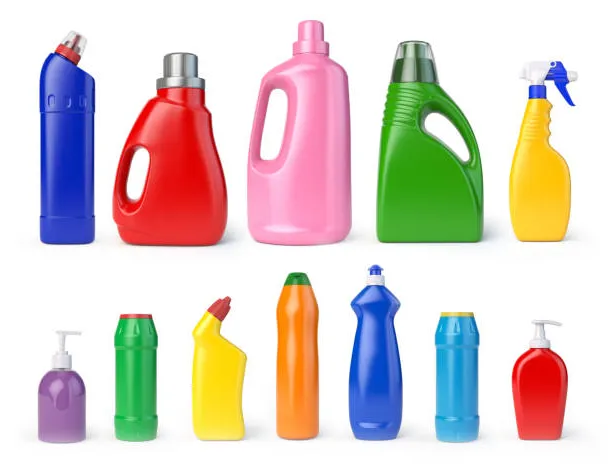
The one-step ISBM process is the production method of choice for fragrance-sensitive bottles because it preserves the thermal history of the polymer from injection through to blowing—delivering a more uniform biaxial crystalline structure than the two-step reheat-blow alternative. This structural uniformity is the foundation of both the barrier performance and the optical quality that air freshener packaging demands.
Resin Selection & UV Additive Blending
Cosmetic or bottle-grade PET (IV 0.76–0.82 dL/g) is selected based on the formulation’s alcohol content and fragrance polarity profile. UV-absorber masterbatch (0.05–0.10% loading) and any colourant are blended at the hopper. Drying targets below 40 ppm moisture to prevent surface haze in clarity-critical diffuser bottles.
Preform Injection
At 265–285 °C, molten PET fills precision preform cavities designed with the wall distribution profile that maps to the target bottle geometry. For narrow-neck reed diffuser bottles (22 mm orifice), the preform wall profile must be carefully engineered to ensure even material distribution during the subsequent stretch-blow stage, particularly at the critical shoulder-to-body transition.
Thermal Conditioning
The preform body is brought uniformly to 95–112 °C while the neck zone is chilled below 72 °C. For air freshener bottles with complex shoulder geometries—ribbed, faceted, or tapered profiles that define the premium aesthetic—precise circumferential temperature uniformity at the shoulder zone prevents asymmetric material flow during the stretch stage, which would produce the visible wall-thickness striations that compromise optical clarity.
Axial Stretch
Servo-driven stretch rods extend at velocity profiles tuned to the bottle’s aspect ratio and shoulder geometry. Air freshener diffuser bottles typically require axial stretch ratios of 2.8–3.5×. The servo stretch system’s ability to vary extension velocity within a single stroke allows the tool designer to manage material distribution across complex geometries without the manual trial-and-error iterations that characterise non-servo systems.
High-Pressure Blow Molding
Air at 28–40 bar inflates the oriented preform against a mirror-polished mold cavity (Ra ≤ 0.2 µm for premium clear formats). The chilled mold wall (8–12 °C) rapidly freezes the biaxial crystalline structure, delivering a bottle exterior whose surface clarity and feature definition allow it to function as its own decoration—critical for reed diffuser bottles displayed without sleeve labels.
Ejection, Inspection & Cosmetic QC
Air freshener bottles receive an additional cosmetic inspection layer beyond standard dimensional checking: vision systems assess surface marking, gate quality, neck sealing surface uniformity, and the geometry of any embossed body features. Given the high retail price point of premium air freshener lines, the cosmetic reject specification is tighter than for commodity packaging—typical cosmetic pass rates for premium ISBM air freshener bottles run at 99.2–99.6% in stable production.
Tooling Design for Premium Air Freshener Bottles
Body Geometry and Aesthetic Feature Engineering
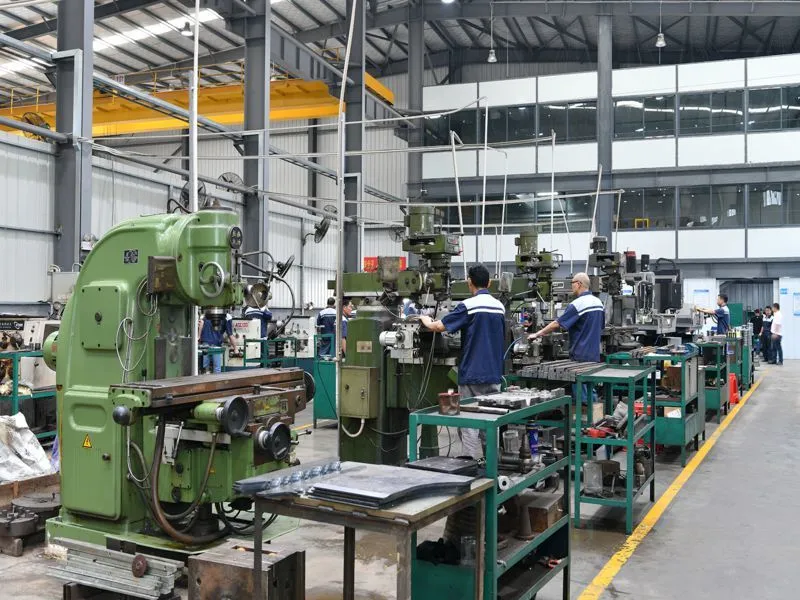
Premium air freshener bottles frequently employ non-standard body geometries—faceted prism profiles, curved tapers, recessed panel features, and architectural silhouettes that differentiate the brand on shelf and in the home. These geometry choices are not merely decorative: the internal surface profile of the blow mold defines the bottle’s external shape with a fidelity of ±0.2 mm, meaning that design features conceived in CAD translate directly to production bottles without the approximation losses common in EBM tooling. Sharp-edged facets, precise panel steps, and complex shoulder curvatures that give premium bottles their jewel-like quality are all achievable in ISBM tooling—provided the stretch ratio and material distribution mapping confirms that no feature radius is small enough to create a wall-thinning hazard during the blow stage.
Neck Finish Specifications by Air Freshener Format
Air freshener bottle neck standards vary substantially by application format. Pump-spray fresheners typically use 24/415 or 28/400 neck finishes for compatibility with standard pump-head assemblies from major closure suppliers. Reed diffuser bottles use open necks of 22–30 mm internal diameter, which must have a precisely ground seating rim for the decorative diffuser stopper or cork closure. Automatic spray refill cartridges often employ proprietary neck geometries specific to the dispenser manufacturer, requiring custom ISBM preform tooling to the dispenser’s technical drawing. In all cases, the injection-formed neck of an ISBM bottle—not subjected to blow pressure—holds tolerances that guarantee compatibility with downstream dispenser or closure components without post-production gauging rejection.
Surface Finish Grades for Different Aesthetic Tiers
ISBM blow mold cavity surface finish is specified as a Ra value that directly determines the bottle exterior appearance. A mirror-polish cavity (Ra ≤ 0.2 µm) produces a bottle with a glass-like glossy surface—ideal for reed diffusers and luxury trigger-spray formats where the bottle is a visible interior accessory. A fine satin finish (Ra 0.4–0.8 µm) provides a softer sheen that photographs well in e-commerce product imagery and reduces fingerprint visibility in the consumer’s hand. A matte texture (Ra 1.6–3.2 µm) gives a contemporary soft-touch appearance suited to scandi-minimalist home fragrance aesthetics. All three finish grades are achievable within the same ISBM tooling investment, selected at the steel-polishing stage of mold manufacturing before any production commitment is made.
Air Freshener Format Specifications: An ISBM Production Reference
| Format | Volume Range | Neck Finish | Surface Priority | Key ISBM Advantage |
|---|---|---|---|---|
| Pump spray | 100–300 mL | 24/415, 28/400 | Clarity + neck precision | Pump gasket seal accuracy |
| Reed diffuser | 50–200 mL | 22–30 mm open neck | Mirror finish + geometry | Glass-aesthetic clarity |
| Auto spray refill | 150–250 mL | Proprietary | Dimensional consistency | Dispenser compatibility |
| Gel/concentrated | 80–150 mL | 38/400, 45/400 | Sidewall rigidity | Hoop orientation stiffness |

Production Performance: Key Metrics for Air Freshener Bottle Lines
The following benchmark figures reflect performance on a four-station ISBM machine running a 150 mL pump-spray air freshener bottle in virgin PET with mirror-polish mold cavity finish.
Sustainability: Air Freshener Packaging and the Circular Economy
Lightweighting Opportunities in Fragrance Packaging
Air freshener bottles traditionally skew toward heavier wall weights because clarity-premium consumers associate bottle weight with glass-like quality. ISBM PET challenges this assumption: the biaxial orientation delivers a rigidity-to-weight ratio that allows a 150 mL pump-spray bottle to be produced at 18–22 g—a weight that feels substantial in the consumer’s hand while representing a 20–28% reduction versus the glass-mimicking HDPE formats it competes against. For home fragrance brands targeting the premium sector where sustainability credentials are scrutinised by consumer-facing sustainability audits (B Corp certification, APCO compliance reporting), this lightweighting evidence is concrete and quantifiable—not a vague commitment but a documented gram-per-unit reduction submittable to retailers and certification bodies.
Refillable Bottle Architectures
A growing segment of the premium home fragrance market is adopting refillable bottle architectures: a durable primary vessel (designed for 3–5 refill cycles) sold at a premium price point, paired with lower-cost refill pouches or cartridges. The primary bottle in this model must maintain its structural integrity, optical clarity, and aesthetic quality across multiple filling and consumer-use cycles. ISBM PET, with its high biaxial tensile strength and chemical resistance, is well-suited to this application: a 150 mL diffuser bottle can be designed to withstand 5 fill-and-drain cycles with the target fragrance liquid without dimensional distortion, neck thread wear, or clarity degradation. The refillable model reduces total packaging material consumption by 40–60% per unit of fragrance delivered—a sustainability outcome far beyond what lightweight single-use packaging achieves.
rPET Integration in Premium Fragrance Packaging
Incorporating recycled content in premium fragrance bottles has historically been resisted by brand marketers concerned about haze and colour inconsistency in rPET. However, advances in rPET sorting and decontamination technology have produced cosmetic-grade rPET streams with haze contributions of less than 3% at 25–30% inclusion rates—acceptable for tinted, frosted, or matte-finish air freshener bottles, and manageable through blend optimisation for clear formats. ISBM machines process these rPET blends without tooling changes, requiring only adjusted drying protocols and minor injection temperature modifications. Brands that can credibly claim “made with 30% recycled content” on their air freshener packaging access a consumer perception premium that increasingly offsets the modest cost differential between virgin and recycled PET inputs.

Recommended Equipment: HGY250-V4 for Air Freshener and Home Fragrance Bottle Production
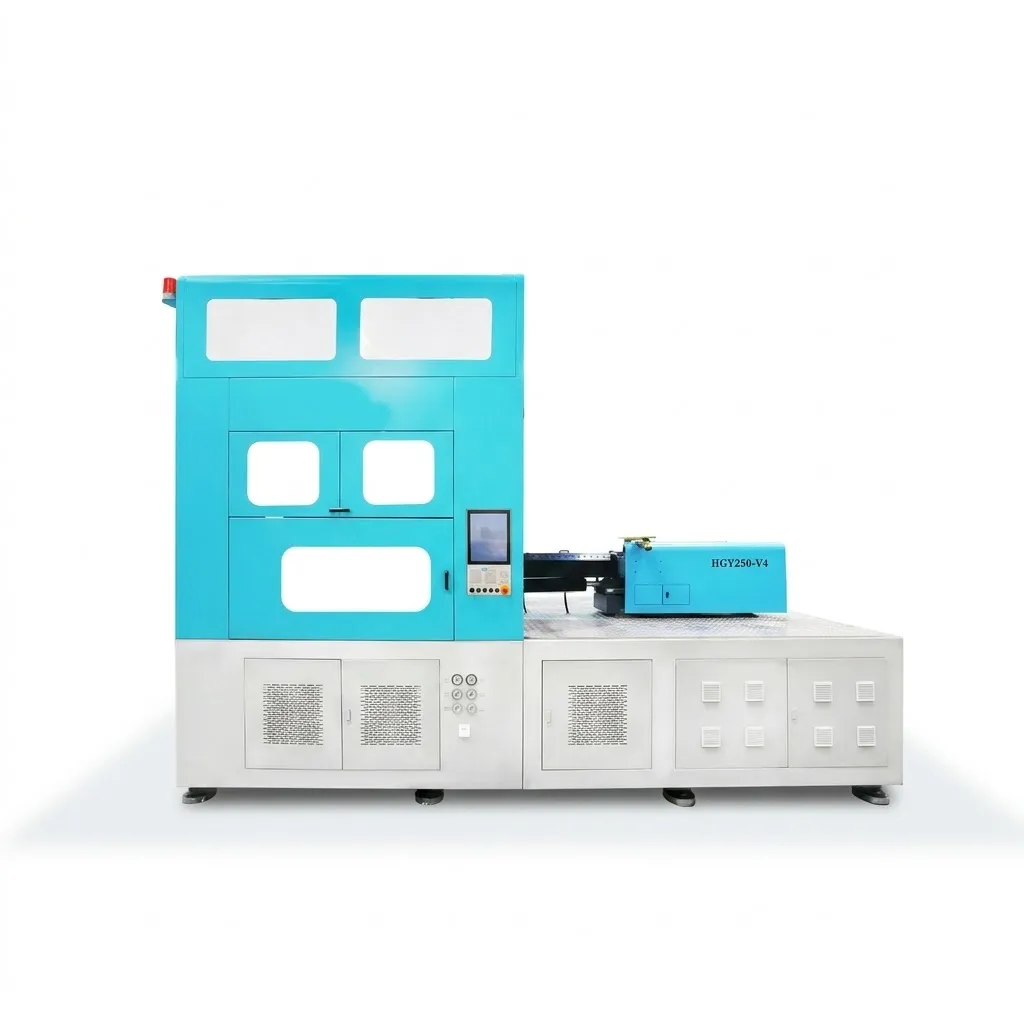
HGY250-V4 One-Step Injection Stretch Blow Molding Machine
For air freshener and home fragrance bottle producers handling the full format range from compact 50 mL diffuser vessels to 300 mL pump-spray bottles, the HGY250-V4 one-step injection stretch blow molding machine offers the clamp force, cavity flexibility, and stretch-rod precision needed for both premium cosmetic-grade and volume production runs. Its four-station indexed carousel delivers simultaneous stage operation for maximum throughput, while the machine’s adaptable tooling system supports rapid changeover between different bottle profiles—critical for fragrance brands managing seasonal collections and limited-edition bottle architectures. The machine handles cosmetic-grade virgin PET and rPET blends without platform modification.
- Output: up to 4,200+ bottles/hr (150 mL format)
- Volume range: 50 mL – 800 mL
- Neck diameter range: 18–45 mm
- Mold cavity surface finish: down to Ra ≤ 0.2 µm
- Compatible with UV-stabilised and tinted PET grades
- CE certified; compliant with Australian WHS standards