Description
Technical Specifications & Machine Parameters
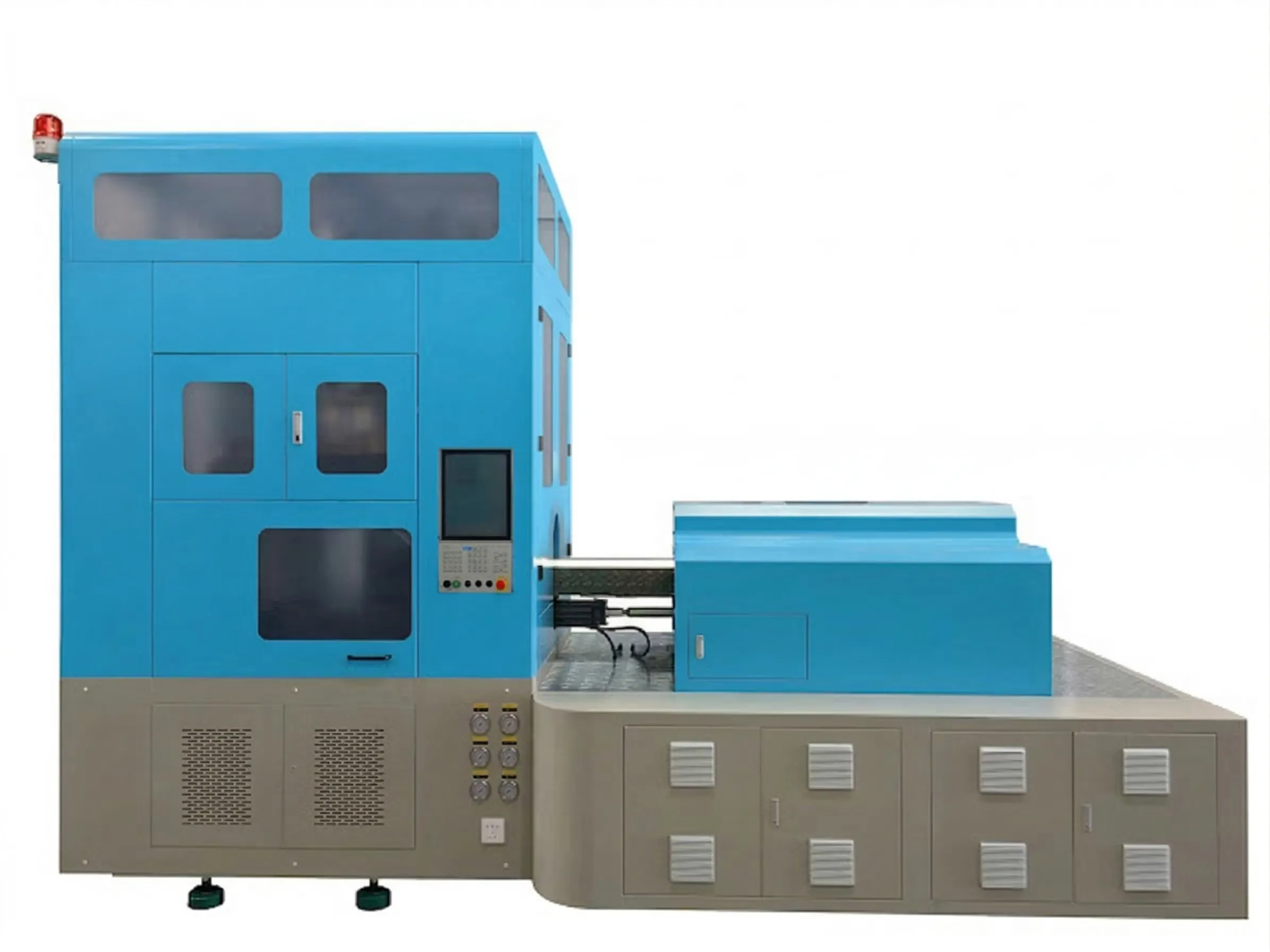
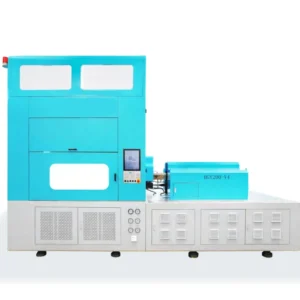
Every engineering decision behind the HGY650-V4 is reflected in the numbers below. Sourced directly from factory test reports, these values represent the production-ready configuration running a 60 mm screw with PET/PETG resin. Understanding these parameters upfront lets procurement teams, production engineers, and facility planners verify footprint requirements, utility hook-ups, and daily output targets before committing to any capital decision. The machine ships fully assembled with a pre-tested hydraulic circuit, calibrated servo drives, and a verified PLC programme — meaning your team can focus on mould changeover training rather than baseline commissioning.
⚙ Technical Standards
📐 Machine Parameters
📦 Product Dimensions by Cavity Count
Four Engineering Breakthroughs That Separate the HGY650-V4
Choosing an injection stretch blow moulding machine for wide-mouth, large-volume containers is rarely straightforward. Output rates, mould surface quality, energy tariffs, and regulatory requirements pull in different directions. The HGY650-V4 was built specifically to reconcile those competing demands — not through incremental refinement, but through four architectural decisions that no legacy Japanese or European platform currently matches at this price point.
Zero Visible Parting Line
Conventional blow mould systems — including market-leading Japanese platforms — leave a perceptible parting-line ridge where the two mould halves meet. On premium containers this is commercially unacceptable: retailers reject bottles, brand owners face costly rework, and consumers associate the seam with lower quality. The HGY650-V4 addresses this through ultra-tight mould-machining tolerances achieved on five-axis CNC centres. The clamping geometry and guide-pin alignment are held to micron-level accuracy, so the contact faces mate flush under load. The 400 kN clamping force is applied evenly via the dual-servo or hydraulic-cylinder clamping system with active high-pressure compensation — meaning flash and parting lines are physically prevented rather than corrected in post-processing. For luxury edible oil, spirits, and cosmetic containers, the result is a surface that passes under high-gloss lighting without any visible seam.
50 % More Bottles Per Cycle vs. Japanese Rivals
A comparable Japanese machine running a 4-cavity wide-mouth mould typically produces 4 bottles per cycle. The HGY650-V4 reaches 6 bottles per cycle on the same cavity count — driven by a larger-diameter screw (60 mm standard, up to 60 mm optional), higher rotational speed (up to 220 RPM), and a theoretical injection capacity of 480 g that keeps the melt reservoir consistently full at high cadence. The plasticising unit is designed around a high-shear, high-throughput screw geometry that melts PET faster without degrading intrinsic viscosity. The immediate effect on operating economics is striking: the same floor space, the same labour, and the same mould investment delivers a 50 % uplift in daily throughput — compressing the payback window significantly and lowering the per-bottle machine amortisation cost on every shift.
15–25 % Energy Reduction Across the Board
Three servo pump sets replace traditional fixed-displacement hydraulic pumps, drawing power only when and to the extent that each motion axis demands it. The nano far-infrared heating ring on the barrel (15 kW rated) transfers heat directly into the resin mass rather than losing energy through radiation from resistive band heaters. Combined, these measures cut overall electricity consumption by 15–25 % compared with equivalent-capacity Japanese and European machines — a margin that translates directly to annual utility savings measurable in tens of thousands of dollars at industrial tariff rates. For facilities under pressure from corporate ESG targets or operating in regions with high electricity costs (Australia, parts of Europe, Southeast Asia), this is a quantifiable financial advantage, not just a marketing claim. Third-party energy audits conducted at customer sites confirm these figures consistently across different mould weights and cycle times.
Electromechanical Dominance — Full-Servo GMP Option
The most technically significant departure from Japanese design philosophy is the systematic replacement of pneumatic and hydraulic actuators with servo-electric drives. A clear example is the neck-flash trimming mechanism: Japanese machines use pneumatic cylinders for this motion, which are limited by compressor capacity and valve response time. The HGY650-V4 uses a servo motor — doubling the trimming speed and eliminating compressor-dependent variability. For pharmaceutical and nutraceutical customers requiring GMP compliance, a fully-electric (full-servo) configuration removes every hydraulic circuit from the machine. No hydraulic oil means zero risk of oil-mist contamination in ISO-classified cleanrooms, meeting FDA 21 CFR Part 211 and EU GMP Annex 1 requirements without supplementary containment measures. This full-servo variant is available on request and sets a new benchmark for clean-room-ready one-step ISBM technology in the large-container segment.
4-Station Production Process — From Pellet to Finished Container
The rotating four-station architecture is what makes one-step ISBM technology so compelling for large-format containers. All four process stages run simultaneously on different preforms — the machine never idles, and the thermal history of the resin is preserved from injection through to blow, eliminating the energy cost and quality variability of reheating a cold preform. The sequence below traces a single preform through all four stations from start to finish.
🔩 Injection Station — Preform Formation
Dried PET or PETG resin pellets are fed into the 60 mm plasticising screw, which melts and homogenises the material at controlled barrel temperatures before injecting it through a hot-runner manifold into the preform cavity. Injection clamping force holds at 400 kN throughout, and the Inovance/MIRLE PLC manages multi-stage injection pressure and speed profiles to avoid weld lines, sink marks, or residual stress in the threaded neck area. The neck geometry — including thread form and sealing land — is formed to final dimension at this station, so downstream mould operations never touch the critical sealing surface. Cycle overlap means the next shot begins plasticising immediately as the turntable indexes.
🌡️ Temperature Conditioning Station
The preform, still retaining useful thermal energy from injection, moves to the conditioning station where zonal temperature management brings every region of the preform wall to its optimal stretch-blow temperature. The neck zone is cooled independently to lock thread dimensions, while the body zone is held in the 95–115 °C stretch window for PET. A 300 mm conditioning core stroke allows the process to accommodate a wide range of preform lengths, making mould changes for different bottle heights straightforward. Because the preform is never allowed to cool to ambient — unlike two-step reheat machines — there is no secondary reheating energy penalty, and the resin’s intrinsic viscosity remains stable throughout.
💨 Stretch & Blow Station
The blow mould closes under 400 kN (single side) clamping force — delivered by either the hydraulic cylinder or the optional dual-servo motor system with active high-pressure compensation. A stretch rod descends 300 mm to mechanically extend the preform axially, immediately followed by a two-stage blow sequence: pre-blow at low pressure to initiate radial expansion, then high-pressure blow at 2.0–3.5 MPa through American Parker valves to conform the container precisely to the mould cavity. The 175 + 175 mm blow mould stroke accommodates containers up to 280 mm in diameter. Biaxial molecular orientation induced by simultaneous axial stretching and radial blowing delivers measurably superior barrier and burst-pressure performance compared with conventional blow-only processes.
📦 Cooling, Trimming & Take-out Station
Chilled mould water at 0.4–0.6 MPa rapidly sets the container geometry before the mould opens. A servo-driven take-out mechanism with a 300 mm stroke extracts the finished bottle cleanly and deposits it onto a conveyor without contact with the critical sealing surface. The servo bottom-trimmer — replacing the pneumatic cylinder found on Japanese equivalents — cuts at twice the speed, keeping pace with the shortened cycle time and leaving a clean, flash-free base that requires no manual rework. Each finished container exits the machine ready for immediate labelling, filling, or quality inspection, with no intermediate manual handling steps in the process chain.
Material Compatibility & Resin Processing Guide
The HGY650-V4 is factory-configured for PET and PETG — the two resins that dominate PET bottle manufacturing for food, beverage, and personal care applications. However, the machine’s thermal control architecture, screw geometry options, and clamp force range make it adaptable to a broader range of engineering polymers when application requirements demand it. Understanding material behaviour within the process window is critical for optimising output quality and avoiding costly downtime.
🧪 PET (Standard)
The default resin for the HGY650-V4. Processing temperature range 265–285 °C barrel, 18–25 °C mould cooling. The high-shear screw ensures consistent IV (intrinsic viscosity) retention, critical for barrier performance in food and beverage containers up to 20 L. Pre-drying to ≤0.004 % moisture is mandatory; the machine accepts upstream crystalliser/dryer integration.
🧪 PETG (Glycol-Modified)
Processed at slightly lower melt temperatures (240–260 °C), PETG delivers superior clarity and chemical resistance, making it the preferred choice for cosmetic jars, laboratory reagent bottles, and confectionery display containers. The machine’s multi-zone temperature profiling keeps the PETG within its narrow process window without degradation or yellowing.
🧪 PP (Optional Screw)
With a polypropylene-optimised screw profile, the HGY650-V4 can run heat-fillable wide-mouth containers for sauces, juices, and dairy products. PP requires higher stretch ratios and a different conditioning temperature profile but fits within the machine’s clamp force and stroke envelope for containers up to approximately 3 L.
🧪 PC / PCTG (Custom Config)
For high-temperature-resistant containers (baby bottles, reusable water vessels), polycarbonate and PCTG blends can be processed with a custom barrel and screw configuration. These materials require processing temperatures above 280 °C and extended drying, both of which the machine’s robust barrel heater system and optional dryer integration support.
A key practical advantage is full mould compatibility with the Japanese ASB machine platform. Production teams that have accumulated ASB mould tooling can transfer existing toolsets to the HGY650-V4 without modification — preserving years of mould investment while gaining the throughput and energy benefits of the newer platform. This compatibility also reduces qualification time for new container designs, since mould makers already have validated cavity geometries on file.
Related Product
Fully Servo One-Step Injection Stretch Blow Moulding Machine — HGYS150-V4-EV
Need a smaller-footprint, 100 % oil-free machine for pharmaceutical cleanrooms or cosmetic production? The HGYS150-V4-EV eliminates every hydraulic component — ideal where GMP Annex 1 compliance and zero contamination risk are non-negotiable.
Industry Applications & Machinery Compatibility
The HGY650-V4’s wide container-size envelope (1-cavity at 20 L down to 4-cavity at 5 L) and material flexibility make it relevant across a broader set of markets than most large-format injection stretch blow moulding machines. The following sectors represent the primary deployment cases for this model.
🛢️ Edible Oil & Bulk Liquid Food
5 L and 20 L PET containers for cooking oil, vinegar, soy sauce, and drinking water represent the largest single volume application for this machine. The zero-parting-line finish is particularly valued by retailers who shelf-display transparent containers. The machine integrates cleanly with downstream filling lines from Tetra Pak, GEA, and Krones when fitted with a synchronised conveyor interface.
💊 Pharmaceutical & Nutraceutical
Wide-mouth supplement jars (vitamins, protein powder, capsules) in 1–5 L sizes are produced in the full-servo, zero-hydraulic configuration. The enclosed melt-to-bottle process maintains internal sterility without requiring post-formation sterilisation steps. GMP Annex 1 and FDA 21 CFR Part 211 requirements are met directly, reducing qualification documentation burden. Compatible with cleanroom air-handling systems from M&C TechGroup and Camfil.
🧴 Home & Industrial Chemicals
Detergent, bleach, fertiliser concentrate, and automotive fluid bottles in the 3–20 L range demand robust wall strength, reliable neck-seal geometry, and resistance to aggressive chemical vapour permeation. The bi-axial orientation inherent to the stretch-blow process delivers all three. The machine handles PETG grades with improved chemical-barrier ratings without requiring exotic screw metallurgy changes.
🌸 Premium Cosmetics & Personal Care
Wide-mouth PETG jars for luxury cream, lotion, and serum products require flawless optical clarity and an absence of any surface artefact that would compromise shelf appeal. The HGY650-V4’s precision mould clamping and micron-level cavity registration produce a glass-like finish that eliminates the parting-line defect endemic to competitor machines. Neck diameters from 84–140 mm cover the full range of pump-closure and wide-opening jar formats used by leading prestige beauty brands.
🍷 Spirits, Beverages & Specialty Drinks
Distillers and craft beverage brands increasingly adopt PET as a lightweight, shatterproof alternative to glass for 3–5 L multi-serve formats. The bi-axial orientation produced by the ISBM process delivers CO₂ barrier performance matching or exceeding glass for still products, and the lack of parting-line seam means the bottle can be presented as a premium vessel. The machine pairs with standard labelling and closure equipment from Sidel and Sacmi.
🐾 Animal Nutrition & Agrochemicals
Large-format (10–20 L) PET containers for liquid pet food, veterinary solutions, and crop-protection chemicals require high clamping pressure consistency across the full blow-mould stroke. The HGY650-V4’s 400 kN clamping force with active high-pressure compensation maintains uniform wall thickness even in asymmetric wide-mouth geometries, reducing the risk of thin-spot failures under distribution and handling stress.
Energy Performance & Sustainable Manufacturing
Energy cost is one of the most consequential variables in plastics processing economics, particularly for operations running three shifts. The HGY650-V4 was designed from the outset to minimise electrical draw without compromising cycle speed or container quality. Three independent measures work together to achieve the 15–25 % consumption reduction verified across customer installations worldwide.
Why the HGY650-V4 Draws Less Power
Servo Pump Trio
Three servo-driven pump sets replace fixed-displacement pumps. Flow and pressure are generated on demand — no energy wasted maintaining idle circuit pressure.
Nano IR Heating Ring
Far-infrared emission heats the resin mass directly with minimal surface radiation loss — markedly more efficient than conventional resistive band heaters at equal barrel temperatures.
No Secondary Reheat
One-step processing retains injection heat through to blow, eliminating the oven/lamp energy cost of two-step SBMS systems — often 30–40 % of total process energy on a 2-step line.
At a facility running 6,000 operating hours per year and an industrial electricity rate of AU$0.15/kWh, a 20 % reduction on a 90.7 kW total-power machine translates to annual savings of approximately AU$16,300 — enough to offset a significant share of maintenance consumables or fund operator training. Over a ten-year machine life, the cumulative saving exceeds AU$160,000 before accounting for tariff escalation.
Maintenance, Care & Mould Changeover Guide
A well-maintained HGY650-V4 is designed to run reliably for more than 80,000 operating hours with planned part replacements. The simplified electromechanical architecture — fewer pneumatic components, sealed servo drive units, and a hydraulic circuit built around high-quality Italian hoses and YUKEN valves — reduces unplanned downtime significantly compared with machines that rely on large arrays of pneumatic solenoids and fittings. The following maintenance schedule is recommended as a starting point; actual intervals should be adjusted based on ambient conditions and resin type.
🗓️ Daily Checks (Each Shift Start)
Inspect oil tank level and check for discolouration or emulsification. Verify servo drive status indicators — any yellow or red fault codes should be cleared before starting production. Confirm cooling water inlet pressure (0.4–0.6 MPa) and oil-cooler water temperature (20–25 °C). Check mould parting faces for resin residue and wipe clean with non-abrasive cloth. Verify blow air supply pressure (2.0–3.5 MPa) at the Parker valve manifold.
📅 Weekly Tasks
Lubricate all grease points on the turntable bearing, mould guide pillars, and injection carriage linear guides using the recommended lithium-complex grease. Check TSUNTIEN reducer oil level and top up as required. Inspect the nano-infrared heating ring for surface cracking or discolouration — rings typically last 18,000–24,000 operating hours but should be monitored from 15,000 hours onwards. Verify PLC alarm log for recurring low-priority faults that could indicate a developing issue in a servo drive or temperature sensor.
📆 Monthly Inspection
Drain and replace hydraulic oil filter if particle count exceeds ISO 4406 cleanliness class 18/16/13. Check Italian oil hoses for abrasion or micro-cracking at hose-end fittings — the most common hydraulic failure point. Calibrate melt-temperature thermocouples against a traceable reference sensor. Torque-check all mould clamping bolts to specification. Inspect the Parker valve seat and seals; replace if blow cycle pressure holds deviate more than ±0.1 MPa from setpoint.
🔧 Mould Changeover Procedure
The machine is designed for mould changeovers completable in under 60 minutes with two trained technicians. After a full cool-down and circuit isolation: (1) Remove blow mould halves using the dedicated mould-cart and alignment pins. (2) Extract injection mould stack from the platen — hot-runner manifold disconnection uses quick-connect electrical fittings. (3) Install new mould, connect manifold, and run the PLC’s auto mould-recognition routine which loads the associated parameter recipe. (4) Conduct a five-shot trial and measure dimensions before releasing to full production. ASB-compatible moulds transfer without adapter plates.
Market Price Comparison — Where the HGY650-V4 Sits
Capital equipment decisions for injection stretch blow moulding machines in the large-format segment are rarely made on machine price alone — output rate, mould investment, energy tariff impact, and after-sale support all factor in. That said, the purchase price sets the floor for return-on-investment calculations, and the HGY650-V4 offers a genuinely disruptive entry point. Japanese machines in this category typically carry a price premium of three times or more over the HGY650-V4, for specifications that the Australian Ever-Power platform matches or exceeds on throughput and energy efficiency. The table below presents an honest market-range comparison.
* Prices are indicative market ranges based on publicly available distributor data and customer-reported procurement records as of early 2026. Exact pricing depends on cavity count, mould specification, and regional import duties. Contact [email protected] for a project-specific quotation.
Sustainability, Regulatory Compliance & Global Market Reach
Sustainability is no longer a voluntary differentiator in the packaging equipment sector — it is a procurement prerequisite in an expanding set of jurisdictions. The HGY650-V4’s engineering choices align with the direction regulatory bodies are pushing the industry across its key markets: Australia, the United States, the European Union, Southeast Asia, the Middle East, and Brazil.
🇦🇺 Australia & New Zealand
Australia’s Packaging Covenant and the 2025 National Packaging Targets require manufacturers to demonstrate measurable resin reduction and recyclability pathways. The HGY650-V4’s precise wall-thickness control minimises PET usage per container, directly supporting lightweighting commitments. The machine’s compatibility with rPET (recycled PET) grades — provided material is dried to specification — gives Australian converters a path to incorporating post-consumer content without retooling.
🇺🇸 United States
FDA 21 CFR Part 211 GMP requirements for pharmaceutical-grade container production are met by the full-servo configuration’s oil-free, enclosed production environment. The machine’s documented process control data — temperature, pressure, and cycle-time logs stored by the Inovance/MIRLE PLC — supports 21 CFR Part 11-style electronic records for FDA-regulated customers. ASTM D2659 and D2911 container testing benchmarks are routinely met by containers produced on this platform.
🇪🇺 European Union
The EU Packaging and Packaging Waste Regulation (PPWR) and CE machinery directive requirements are satisfied through the machine’s full documentation package, including CE declaration of conformity, risk assessment, and operating manual translated into major EU languages. The machine’s energy efficiency data supports EPD (Environmental Product Declaration) submissions relevant to EU Green Deal procurement criteria increasingly applied to packaging equipment tenders.
🌏 Southeast Asia, Middle East & Brazil
These three regions account for the fastest-growing demand in large-format PET bottle production, driven by rising bottled water, edible oil, and personal care consumption. The machine’s competitive pricing relative to Japanese alternatives makes it financially viable for mid-tier converters in these markets. Local distributor networks in Thailand, UAE, and São Paulo carry spare parts inventory and can provide on-site commissioning support within standard lead times.
Customer Success Cases
The following cases represent a cross-section of HGY650-V4 deployments across different industries and geographic markets. All figures are drawn from commissioning reports and post-installation follow-up visits conducted by Ever-Power field engineers.
🛢️ Case 1 — Edible Oil Converter, UAE
Qida Qablaşdırması
A mid-sized edible oil converter in the UAE had been running two-step reheat SBM equipment for 5 L PET bottles. High energy costs from the infrared oven banks and persistent parting-line complaints from a major retail chain triggered an equipment review. After a factory trial at the Ever-Power facility using the customer’s existing ASB-format blow mould, the team commissioned a single HGY650-V4. Cycle time was reduced from 18 seconds (on the two-step line) to 14 seconds on the one-step platform. Monthly electricity consumption dropped by approximately 22 %, and the parting-line rejection rate from the retail customer fell to zero within the first quarter of production. The machine paid back its capital cost in 26 months.
💊 Case 2 — Nutraceutical Brand, Australia
Pharmaceutical / GMP
An Australian supplement manufacturer producing 1 L and 2 L wide-mouth PET jars for protein powder had been importing containers from overseas, incurring 8–12 week lead times and significant freight costs. They invested in a full-servo HGY650-V4 configuration to bring container production in-house within their existing GMP facility. The zero-hydraulic design eliminated the need for a separate clean-air cabinet over the production area. Container quality passed TGA audit on the first inspection cycle. Importing costs dropped by AU$0.18 per jar and the minimum order constraint disappeared entirely, allowing the brand to offer more frequent limited-edition packaging without inventory risk.
🌸 Case 3 — Luxury Cosmetics OEM, Brazil
Cosmetics / Premium Packaging
A Brazilian cosmetics OEM supplying major prestige beauty brands with PETG cream jars had been using a Japanese ISBM machine and was experiencing an average 3.2 % rejection rate caused by parting-line marks visible under retail display lighting. Their brand customers threatened to switch to injection-moulded glass alternatives if the seam issue could not be resolved. The HGY650-V4 was installed as a replacement platform. After a four-week process optimisation period using the manufacturer’s existing PETG compound, the parting-line rejection rate dropped to below 0.1 %. The OEM’s largest brand customer signed a three-year supply extension immediately following the first quality audit. The machine is now running two shifts producing 140 mm-neck luxury jars at maximum rated output.
Brand Comparison: Why Ever-Power Outperforms
The large-format injection stretch blow moulding machine market has long been shaped by two camps: legacy Japanese platforms priced for multinational corporations, and lower-cost alternatives that compromise on quality and precision. The HGY650-V4 occupies a third position — one that delivers Japanese-grade engineering outcomes at a fraction of the capital outlay, backed by 18 years of specialist ISBM development experience.
The Bottom Line
When you price the HGY650-V4 against a Japanese platform that outputs fewer bottles, consumes more electricity, and produces containers with a visible parting seam, the total cost-of-ownership differential over five years is measured in hundreds of thousands of dollars — not thousands. Australia Ever-Power invites direct comparison through factory trials and reference site visits before any purchasing decision.
What Our Customers Say
“We replaced a Japanese machine that had been running 20-litre oil bottles for eight years. The Ever-Power machine commissioning was faster than expected, and within two weeks we were seeing cycle times 15 % shorter than our old equipment. The finish on the bottles is genuinely better — no seam issues, and our supermarket buyer actually commented on the improvement without us prompting them.”
Khalid M.
Production Manager · Edible Oil Converter, Dubai, UAE
“We needed a fully electric machine to satisfy our TGA-registered facility requirements. The full-servo HGY650-V4 ticked every box: no hydraulic oil, enclosed melt-to-bottle process, and the PLC data logging exports cleanly to our batch-record system. The Ever-Power team had engineers on-site for the first two weeks of production — that level of support is something you just don’t get from a Japanese supplier at three times the price.”
Sarah L.
Operations Director · Nutraceutical Manufacturer, Melbourne, Australia
“The energy savings alone justified the upgrade within 30 months. We tracked electricity consumption on our previous machine for a full year before switching, then compared. The HGY650-V4 uses consistently 21–23 % less power per 1,000 bottles at the same output rate. For an operation running two 12-hour shifts six days a week, that is a real number on the utility bill each month.”
Ricardo F.
Plant Engineer · Chemical Packaging Group, São Paulo, Brazil
“We produce wide-mouth PETG cream jars for a prestige beauty client and had been struggling with a hairline parting seam that showed up under certain retail display lighting. After switching to the HGY650-V4, the seam issue disappeared entirely. Mould changeover from our previous 2-cavity setup to a 3-cavity configuration took about 55 minutes on the first attempt — the quick-connect hot runner fittings make a real difference there. Docking one star only because the initial parameter optimisation for our specific PETG grade took longer than the handbook suggested.”
Mei-Ling T.
Quality Assurance Lead · Cosmetics OEM, Taipei, Taiwan
HGY650-V4 Frequently Asked Questions
Technical and procurement guidance for the One-Step Injection Stretch Blow Moulding Machine (4-Station) HGY650-V4. For project-specific engineering queries, contact
[email protected].
Quality Documentation
Machine test certificates, commissioning reports, and component traceability records available on request.
Ready to See the HGY650-V4 in Action?
Factory trials with your existing moulds, project-specific quotations, and full technical documentation are available on request. Our engineers are available to assess your current production setup and model the ROI case for your facility.
Australia Ever-Power Injection Stretch Blow Moulding Machine Co., Ltd




























Reviews
There are no reviews yet.