Blood Products Packaging: The Intersection of Protein Chemistry, Sterility, and Regulatory Precision
Blood products and plasma derivatives — albumin solutions, immunoglobulins, clotting factor concentrates, and plasma-derived enzyme preparations — represent the highest value and most clinically critical pharmaceutical products manufactured in Australia. A packaging failure affecting a blood product is not a product quality complaint — it is a potential failure of patient blood supply, with consequences that cannot be substituted by alternative products in time-critical clinical situations. The primary container for blood products must maintain protein structure and biological activity over the product’s shelf life, prevent microbial contamination across cold chain storage and distribution, survive the mechanical stresses of healthcare supply chain logistics without breakage, and meet the most rigorous extractable and leachable standards of any pharmaceutical application outside injectables.
Traditionally, glass has been the primary container for plasma-derived blood products — borosilicate glass vials provide known protein compatibility, established regulatory precedent, and validated sterilisation compatibility. The transition to PET ISBM containers for blood products applications is a developing field, driven by three primary clinical and operational disadvantages of glass: breakage risk (glass vials shatter in cold-chain handling and hospital ward environments, creating blood-contaminated glass fragments that are both a physical hazard and a biological waste concern), weight (glass-heavy cold-chain shipments of plasma products impose logistics costs), and glass delamination (a documented failure mode in Type I borosilicate glass where glass lamellae — thin flakes — separate from the inner glass surface in alkaline protein solutions, introducing particulates into the drug product). The Spritzstreckblasformmaschine provides the production platform for developing PET blood product container solutions that address these glass limitations.
Australia Ever-Power Injection Stretch Blow Moulding Machine Co., Ltd, based in Condell Park NSW 2200, provides blood products manufacturers and plasma fractionation facilities with ISBM machine technology and pharmaceutical validation support for the development of PET primary containers that meet the TGA’s regulatory requirements for blood products.

The Case for PET in Blood Products Packaging: Addressing Glass Failure Modes
The clinical safety case for PET ISBM containers in blood products packaging is most clearly articulated through the documented glass failure modes that PET eliminates, rather than through comparative glass-versus-PET performance claims where PET presents its own distinct risk profile.
Glass Delamination: The Primary Clinical Driver for PET Transition
Glass delamination — the formation of glass lamellae (thin, plate-like glass flakes) that separate from the inner surface of Type I borosilicate glass vials during storage with alkaline protein solutions — is a documented, TGA-acknowledged product quality risk for plasma-derived products. Glass delamination occurs through a leaching mechanism where sodium ions in the glass surface layer are replaced by hydrogen ions from the protein solution, creating a sodium-depleted surface layer that eventually exfoliates as glass lamellae. The resulting glass particles are visible in the drug product as flakes or particulates, producing visible and sub-visible particulate content that may exceed Ph.Eur. limits and trigger product recall. Plasma albumin solutions (typically pH 6.9–7.2 with sodium chloride buffer), immunoglobulin solutions, and clotting factor concentrates at physiological pH are all in the pH range known to cause glass delamination in standard Type I borosilicate vials over extended storage periods. PET ISBM containers have no delamination failure mode — they are compositionally homogeneous throughout the wall thickness, with no surface layer that can be differentially leached and mechanically exfoliated.
Breakage Risk Elimination in Clinical Environments
Blood product vials are handled in hospital ward environments, blood bank cold rooms, and transfusion medicine facilities where floor surfaces are typically hard (clinical-grade vinyl or tile), staff handle multiple vials simultaneously, and vials are occasionally dropped. A shattered glass albumin vial creates a combined blood product loss, biological waste management, and physical glass fragment safety incident that PET ISBM eliminates at the source — biaxially oriented PET does not shatter on impact with hard surfaces at normal clinical handling drop heights. For blood bank and transfusion medicine environments that routinely handle glass blood product vials, transitioning to PET containers eliminates the glass fragment incident reports, reduces biological waste from broken vials, and eliminates the risk of glass fragment contamination in adjacent blood products when a vial breaks in close proximity to other containers.
Cold-Chain Weight Reduction for Plasma Shipment Economics
Plasma-derived products are shipped cold from manufacturing facilities in Victoria (Australian Red Cross Lifeblood, CSL Behring) through the Australian cold-chain distribution network to hospitals and blood banks nationally, and to export markets in the Asia-Pacific region. PET vials at 70–85% lighter than glass equivalents reduce the shipment weight per dose — directly reducing cold-chain logistics costs and the energy consumption (and associated carbon footprint) of refrigerated transport per dose delivered. For CSL Behring’s export operations supplying immunoglobulin and albumin to global markets, the cumulative logistics cost saving from PET containers across their production volumes is commercially significant — and the clinical benefit of lighter cold-chain packs reducing physical handling burden for distribution pharmacists is an additional operational advantage.
Protein Compatibility and Stability in PET ISBM Blood Product Containers
The single most technically challenging aspect of PET containers for plasma-derived products is protein compatibility — specifically, protein adsorption onto the PET container surface and the potential for surface-mediated protein aggregation. Blood product proteins (albumin, immunoglobulins, clotting factors, enzyme preparations) are large, structurally complex molecules whose biological activity depends on maintenance of their three-dimensional structure. Adsorption onto a polymer surface can denature adsorbed protein fractions, reduce the effective protein concentration in solution below the labelled potency, and potentially induce aggregation of nearby non-adsorbed protein molecules — all clinically significant outcomes for blood products whose potency and safety are the primary clinical value.
Albumin Compatibility with PET Surfaces
Human serum albumin (HSA) — the highest-volume plasma-derived product globally — is a single-chain protein with multiple hydrophobic binding sites that make it an effective pharmaceutical carrier in the blood. These hydrophobic binding sites also mediate albumin adsorption onto hydrophobic polymer surfaces. PET’s surface hydrophilicity is intermediate — less adsorptive than HDPE or PP, more adsorptive than siliconised glass — and commercial albumin formulations (4% and 20% albumin solutions) at the protein concentrations used clinically typically show minimal adsorption onto PET surfaces in formal protein assays. The presence of caprylate and N-acetyltryptophanate (the stabilisers used in commercial albumin formulations at physiological pH) occupies albumin’s hydrophobic binding sites, reducing its surface adsorption tendency and further protecting against PET container adsorption interaction. Formal protein adsorption studies on production PET ISBM containers with commercial albumin formulations are a mandatory part of the container-closure system compatibility programme for blood product TGA submissions.
Immunoglobulin and Clotting Factor Compatibility Considerations
Immunoglobulin solutions (IVIG and SCIG) and clotting factor concentrates are more protein-complex and structurally sensitive than albumin — immunoglobulin aggregation is the primary protein quality concern for IVIG safety, and surface-mediated aggregation must be specifically excluded in the container compatibility programme. Adding polysorbate 20 or 80 (0.01–0.1% w/v) to the immunoglobulin formulation as a surfactant blocks protein-surface interaction and is standard practice in commercial IVIG formulations regardless of container material. For PET ISBM immunoglobulin containers, the compatibility programme must specifically confirm that the polysorbate concentration in the formulation provides adequate surface blocking for the specific PET surface area-to-solution volume ratio of the production container — larger surface-to-volume ratios (smaller containers) require more efficient surfactant blocking. Clotting factor concentrates — highly potent coagulation proteins at typically low concentrations (IU/mL) — require the most conservative adsorption study design because even minor concentration depletion from adsorption at very low initial concentrations could reduce the product below the labelled potency.
Low-Protein Concentration Products and Surface Area Management
For low-concentration blood product preparations, the container’s internal surface area-to-solution volume ratio (SA:V) determines the fraction of total protein in solution that is at the container surface at any point and therefore susceptible to surface adsorption. Small-format PET ISBM containers (1–5ml) have higher SA:V ratios than large-format containers (50–100ml) and are inherently more challenging for low-protein concentration products. Container design for low-concentration blood products in small formats should minimise SA:V through body geometry optimisation (maximising internal volume relative to internal surface area — a sphere has the optimal SA:V ratio, though pharmaceutical containers are of course not spherical), and should confirm adsorption performance at the specific formulation protein concentration and the specific production container SA:V ratio rather than relying on data from different format sizes or protein concentrations.
Extractables and Leachables for Blood Product PET Containers
Blood products in Australia are regulated under the Therapeutic Goods Act as biological medicines — a category that applies the most stringent E&L standards of any therapeutic good class. The TGA’s regulatory expectations for blood product container E&L assessments reflect both the parenteral route of administration (intravenous for albumin, IVIG, and clotting factors) and the particular protein sensitivity of blood product biologics to structurally modifying interactions with extractable compounds.
Extractables Study at Blood Product Contact Conditions
Exhaustive extraction of the production PET ISBM container using extraction solvents calibrated to the blood product formulation matrix: aqueous extraction at pH 6.9–7.4 (the physiological pH range of plasma-derived products), saline extraction (representing the electrolyte environment of plasma), and protein solution extraction (confirming that the protein matrix does not introduce new extractable pathways by protein-mediated leaching). All extractable compounds identified and quantified against the parenteral-route TTC values.
Protein-Container Interaction Assessment
Leachables study using the blood product formulation (not aqueous surrogate) as the extraction medium, because the protein in blood product formulations may interact with extractable compounds in ways that do not occur with pure aqueous media — for example, protein-extractable compound binding that changes the apparent leachable concentration or creates protein-extractable adducts with novel biological activity. SEC-HPLC and bioactivity assays confirm no impact of container-product interaction on the blood product’s biological quality.
Particulate Matter Assessment (Biological Particulates)
Sub-visible particle testing (USP <788> and Ph.Eur. 2.9.19 light obscuration) plus flow imaging (MFI) for differentiation of protein aggregates from container-origin particles. Light obscuration confirms total sub-visible count below Ph.Eur. limits; MFI characterises the morphology of sub-visible particles — distinguishing protein aggregates (transparent, irregular) from polymer fragments (reflective, regular) and glass equivalent particles (highly reflective) — critical for blood products where protein aggregation is the specific safety concern.
Immunogenicity Risk Assessment
Extractable compounds and protein-extractable adducts are assessed for immunogenicity risk — can the compound or adduct elicit an immune response in patients receiving the blood product? This assessment is specific to blood products and biologics and is not required for small-molecule pharmaceutical containers. It typically involves in silico immunogenicity prediction for identified extractable compounds, and targeted in vitro assays for any compounds with structural features suggesting immunogenic potential.
Cold Chain Performance for Blood Product Storage and Distribution
Plasma-derived blood products require continuous cold-chain storage from manufacture through distribution and hospital storage to the point of patient administration. The specific cold-chain requirements vary by product class: plasma albumin is stored at 2–25°C (below 25°C as a TGA registration condition, with refrigeration preferred for extended shelf life); IVIG and clotting factor concentrates are typically stored at 2–8°C. PET ISBM containers for blood products must maintain their structural integrity, closure performance, and label legibility throughout these cold-chain storage and distribution conditions — including the thermal cycling that occurs when vials move between cold storage and ambient handling during inspection, dispensing, and administration preparation.
Biaxially oriented PET from ISBM maintains excellent dimensional and mechanical stability across the cold-chain temperature range of 2–25°C — far below the polymer’s glass transition temperature, ensuring that the polymer remains in its glassy (rigid, dimensionally stable) state throughout cold-chain conditions. The induction foil seal integrity over cold-chain storage must be confirmed through accelerated ageing testing at the most adverse temperature within the approved storage range — for products stored up to 25°C, testing at 30°C for an accelerated period confirms seal integrity is maintained within the product’s shelf life. Rubber stopper sealing force changes through thermal cycling (rubber stiffens at lower temperatures) must be confirmed to maintain the positive seal throughout the cold-chain temperature range through the compression force testing protocol described in the injectable vial section.
For blood product cold-chain certification purposes, the ISBM container’s temperature performance data — thermal cycling dimensional stability, seal integrity over cold-chain conditions, and label adhesion through condensation events when cold containers are transferred to ambient environments — must be included in the container-closure system qualification documentation submitted to the TGA as part of the blood product biological medicines registration dossier.
Haematology Laboratory Container Applications: Blood Tubes and Collection Systems
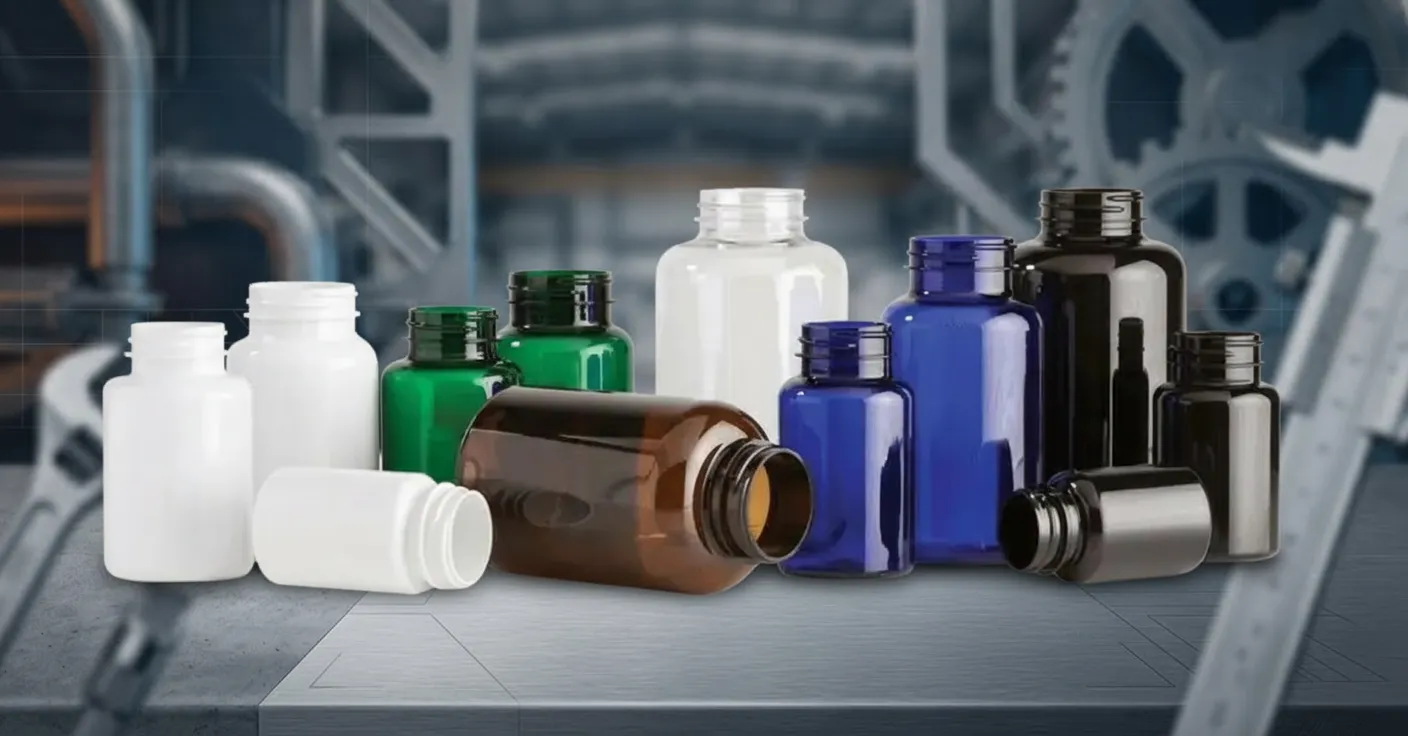
Beyond plasma-derived therapeutic products, the broader blood products packaging category encompasses haematology laboratory collection and storage containers — blood collection tubes for clinical laboratory testing, sample transport vials for haematology reference laboratories, and research blood product storage containers. These applications share the blood product challenge of protein compatibility and contamination prevention, but operate in a laboratory setting rather than a therapeutic drug product context, and are regulated as medical devices rather than pharmaceutical products.
Vacutainer-Format Blood Collection Tubes
Evacuated blood collection tubes (vacutainers) — the standard blood collection system used in pathology and clinical laboratory medicine — are PET ISBM containers with a pre-established vacuum sealed under a rubber stopper and aluminium crimp or plastic snap cap. The vacuum is generated during the manufacturing process (the sealed container is evacuated before or after filling with the tube’s reagent — anticoagulant, clot activator, gel separator, or plain serum tube). When the collection needle punctures the rubber stopper during venipuncture, the vacuum draws the specified blood volume into the tube. ISBM’s injection-formed neck bore tolerance (±0.05mm) is critical for vacutainer stoppers — the stopper must maintain the tube’s vacuum over the product’s shelf life (typically 12–24 months from manufacture) while being reliably penetrable by the standard 21-gauge collection needle used in venipuncture.
Haematology Sample Storage and Transport
Reference haematology laboratories and blood banking research facilities require sample storage and transport containers for blood and plasma specimens. PET ISBM containers for these applications must: prevent evaporation of the sample over the storage period (achieved through induction seal and screw cap combination); maintain sample integrity by avoiding extractable compounds that interfere with haematological analytical methods (iron, heavy metals, and specific organic compounds from packaging materials are known interferents for some haematology assays); and be dimensionally compatible with automated sample handling systems in the receiving laboratory (defined dimensions for sample rack compatibility and sample probe access).
Cell Therapy and Regenerative Medicine Containers
Emerging cell therapy and regenerative medicine applications — platelet-rich plasma (PRP), autologous serum eye drops (ASED), and cellular therapy product media — represent growing markets for specialised blood product containers. These applications require PET ISBM containers with demonstrated compatibility with the cell-containing biological media, specific volume formats (typically 1–10ml for autologous products), and, for cell therapy media, the low-particle environment that viable cell culture requires. The ISBM container for cell therapy media applications must meet both the pharmaceutical container standards (pharmacopoeial material, low extractables) and the cell culture compatibility standards that distinguish cell therapy product containers from standard pharmaceutical vials.
TGA Regulatory Pathway for PET Blood Product Containers in Australia
Blood products in Australia are regulated under the Therapeutic Goods Act as biological medicines — the highest-risk regulatory category for therapeutic goods — and their TGA registration dossiers are reviewed by TGA’s Office of Medicines Authorisation under the blood products framework. The container-closure system for a registered blood product is part of the product’s manufacturing specification, and changes to the container (including material changes from glass to PET) require a TGA variation of the registered product.
The data package for a blood product container variation from glass to PET is the most extensive in the pharmaceutical packaging domain — more comprehensive even than standard injectable pharmaceutical container changes because of the additional biological medicine-specific requirements: immunogenicity risk assessment for extractable compounds, protein compatibility and aggregation studies using the blood product formulation, and the biological potency assay data confirming that the blood product’s biological activity is maintained over the full shelf life in the PET container. For plasma-derived products subject to viral inactivation process steps (solvent-detergent, pasteurisation), the container must also be confirmed compatible with any process steps that involve contact with the container — pasteurisation of albumin at 60°C for 10 hours, for example, requires the container to maintain dimensional and seal integrity at 60°C for the pasteurisation period, which approaches but does not exceed the Tg of standard PET (75–80°C).
Given the complexity and duration of the regulatory pathway for blood product container changes, PET ISBM blood product container development is a long-term programme that must be planned and initiated well in advance of any desired commercial transition timeline. Contact [email protected] for a blood product container development programme scoping consultation.
Blood Product Container Sterility and Cleanroom Production Requirements
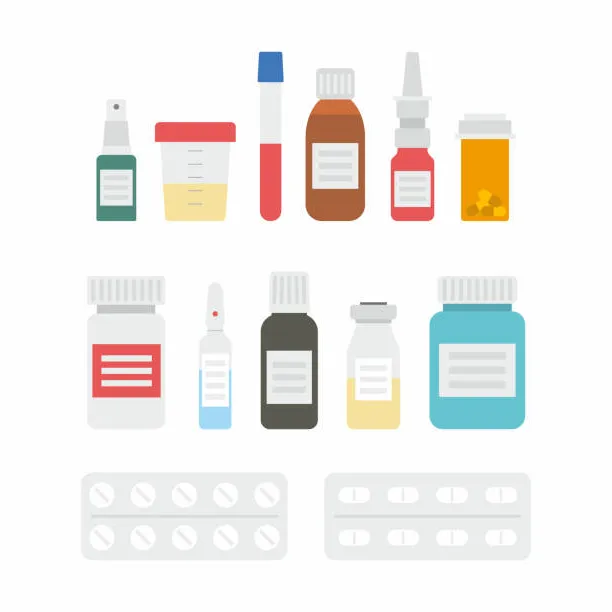
Blood products filled aseptically require the primary container to arrive at the blood products filling facility in a sterile or high-bioburden-controlled state compatible with the aseptic filling process. The sterility programme for blood product PET ISBM containers follows the same framework as injectable pharmaceutical containers — ISO Class 7 production environment, ISO 11137-validated gamma irradiation sterilisation, ISO 11607-qualified sterile barrier packaging — with the additional consideration that the gamma irradiation dose chosen for the empty PET containers must not compromise the blood product’s viral inactivation story.
All licensed plasma-derived blood products undergo specific viral inactivation and/or viral removal process steps during manufacturing — solvent-detergent treatment, pasteurisation, nanofiltration, or their combination — that provide the blood product’s virus safety profile. Gamma irradiation of the filled blood product container for terminal sterilisation is not used for plasma-derived blood products because it damages the protein product. Instead, the container is sterilised empty by gamma irradiation, and the blood product is then aseptically filled into the pre-sterilised container under validated aseptic conditions that maintain sterility through the fill, stopper, and crimp operations.
The clean-room environment required for blood product PET ISBM container production must meet ISO Class 7 (or better for the most sensitive applications) — not because blood products are more susceptible to environmental contamination than other injectables, but because the TGA inspection expectation for blood products GMP is particularly rigorous, and any environmental monitoring excursion in a blood products facility receives enhanced regulatory scrutiny. Production records confirming ISO Class 7 compliance throughout every production batch of blood product containers are a standard TGA GMP inspection item for blood products manufacturing facility inspections.
Production Scale Considerations for Blood Product ISBM Containers
Blood product container volumes in Australia are relatively small compared to standard pharmaceutical packaging volumes — Australia’s plasma fractionation capacity (Australian Red Cross Lifeblood’s plasma pool and CSL Behring’s fractionation facility) produces millions rather than hundreds of millions of units per year, and individual product presentations (5% albumin 50ml, 20% albumin 100ml, IVIG 10g/100ml) are further subsets of the total volume. ISBM investment for blood product container production at Australian scales requires a production economics approach appropriate to these smaller volumes — single-cavity or dual-cavity production tooling with multi-product platform flexibility.
For CSL Behring’s global export volumes (Australia-manufactured plasma products exported to more than 60 countries), the scale economics change significantly — global production volumes for individual plasma product presentations can reach tens of millions of units per year, at which scale multi-cavity ISBM production and dedicated machine investment become commercially appropriate. For the domestic Australian supply volumes alone, the scale is better served by a flexible multi-product ISBM platform shared across blood product presentations and potentially other pharmaceutical product containers, with dedicated production campaigns for each blood product format on a scheduled production cycle.
Ever-Power provides production scale analysis and machine configuration recommendations for blood product container ISBM production at both the domestic Australian scale and the global export scale — contact [email protected] for a production scale assessment for your specific blood product container requirements.
Ever-Power’s Blood Products ISBM Development Support Programme
Australia Ever-Power provides plasma fractionation facilities, blood products manufacturers, and haematology product developers with ISBM machine technology and the specialist pharmaceutical application engineering support that blood product container development demands. The blood products ISBM support programme addresses the specific technical challenges of this application: protein compatibility study design for the specific blood product formulation, extractable assessment against the immunogenicity risk framework, cold-chain performance validation across the product’s approved storage range, clean-room ISBM integration for ISO Class 7 production, and the comprehensive IQ/OQ/PQ and E&L documentation package that TGA biological medicines registration dossiers require.
Blood product container ISBM development in Australia benefits from Ever-Power’s local Condell Park NSW presence — the ability to visit the production facility, discuss specific process requirements with engineering staff, and receive same-day technical support during the critical development and qualification phases is an operational advantage that international ISBM machine suppliers cannot provide. For Australia’s blood products manufacturers developing PET container alternatives to glass, Ever-Power is the local partner with both the ISBM machine capability and the pharmaceutical application expertise to support the complete development programme from container design through to TGA variation submission readiness.
Visit isbm-technology.com/contact-us or contact the team at [email protected] to begin the blood products container ISBM development conversation with Australia’s local pharmaceutical packaging specialist.
Empfohlene Maschine
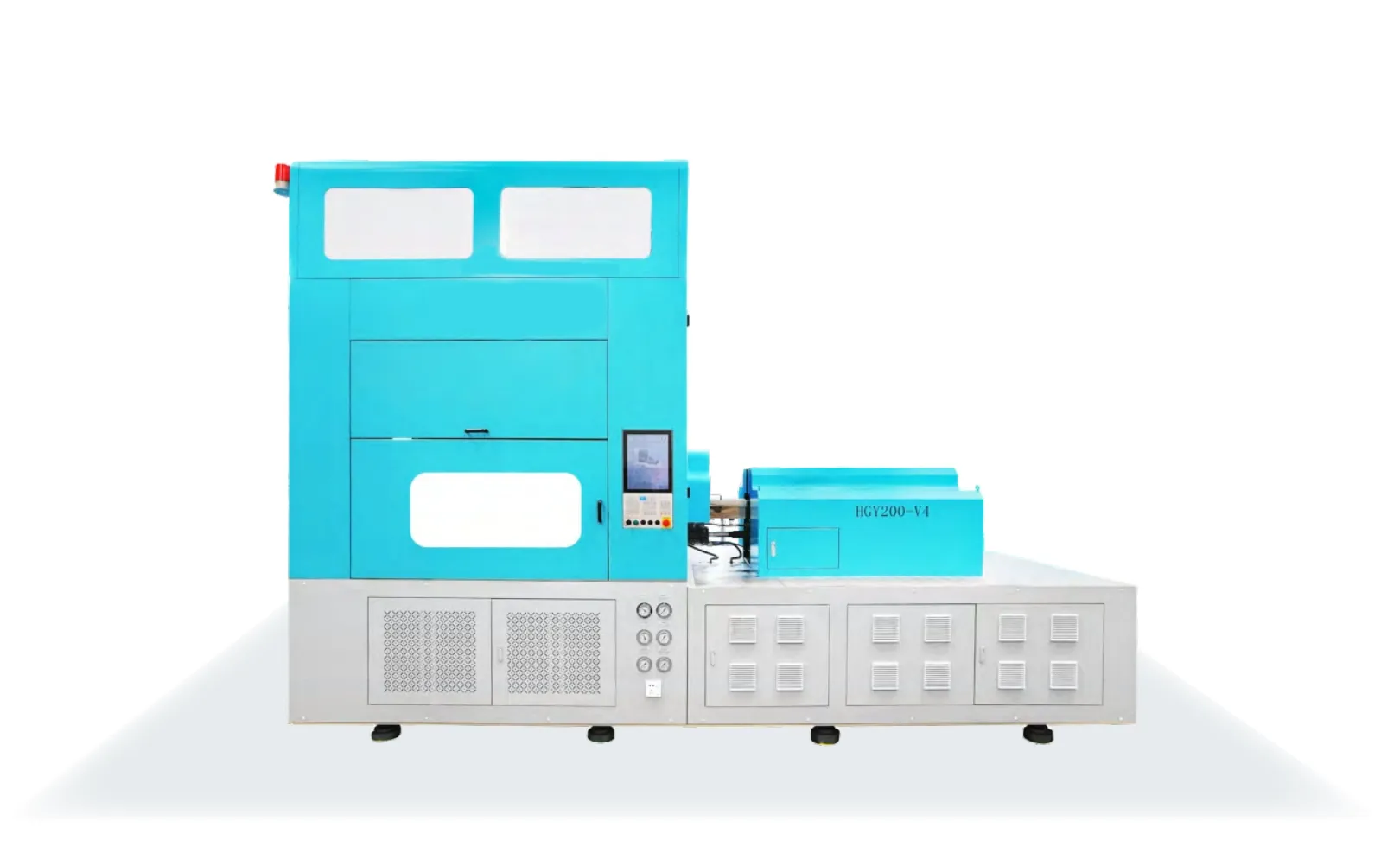
HGYS200-V4 — Four-Station ISBM for Blood Product Container Development
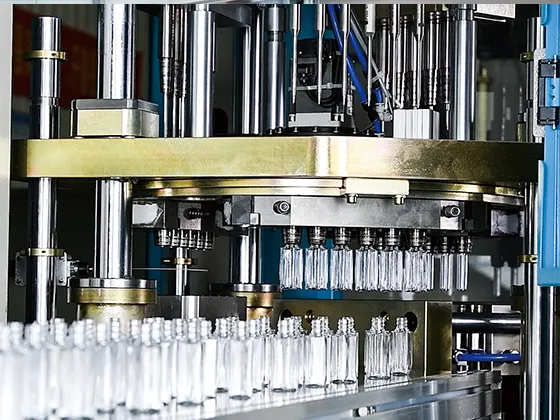
For blood products container development programmes — from proof-of-concept single-cavity qualification through to production-scale multi-cavity manufacturing — the HGYS200-V4 four-station one-step ISBM machine provides the pharmaceutical precision and production quality documentation capability that blood products TGA biological medicines dossiers require. The machine’s injection neck forming system achieves the ±0.05mm bore diameter tolerance needed for rubber stopper compression consistency in blood product vials — the dimensional precision that maintains sterile barrier integrity and protein product quality over the product’s approved cold-chain shelf life. Process data logging with audit-trail recipe management generates the GMP batch records that TGA blood products manufacturing compliance requires. The machine processes pharmacopoeial-grade PET for blood product container volumes from 1ml clotting factor single-dose formats through 500ml albumin infusion containers, covering the full range of plasma-derived blood product presentation volumes. Clean-room compatible servo-electric upgrade eliminates hydraulic oil from the blood product ISBM production environment. The four-station architecture supports the multi-product blood product container range — albumin, immunoglobulin, clotting factor, and haematology laboratory containers — from a single machine platform appropriate for Australian domestic production scales.