Australia Ever-Power Injection Stretch Blow Moulding Machine Co., Ltd — Condell Park NSW 2200
A technically comprehensive guide for pharmaceutical liquid manufacturers, hospital formularies, and clinical packaging engineers on how Spritzstreckblasformen delivers the chemical stability, temperature adaptability, high-pressure compatibility, and pharmacopoeial compliance that medical liquid pharmaceutical container systems require across the full range of clinical drug solution applications in Australia’s TGA-regulated environment.
PET-Flaschenproduktion
Spritzstreckblasformen
Bottle Wall Thickness Optimization
Medical Liquid Pharmaceutical Packaging: A Broad Category With Demanding Engineering Requirements
Medical liquid pharmaceutical products encompass a wide range of drug solution formulations administered through routes as diverse as topical application, oral administration, inhalation, and intravenous infusion. Unlike the defined narrow categories of vaccines or blood products — where a single technical challenge (cold chain, protein stability) dominates the packaging brief — the medical liquid category spans different chemistry types, administration routes, filling processes, and regulatory pathways. What unifies this category is the fundamental requirement: the container must protect a liquid drug formulation that could not easily be reformulated as a solid, delivering the active pharmaceutical ingredient to the patient in the concentration, purity, and clinical state the prescriber intended, across the product’s full shelf life under the approved storage conditions.
Der Spritzstreckblasformmaschine serves the medical liquid pharmaceutical sector through its versatility — the same ISBM platform, with format-specific tooling, produces containers for oral liquid medicines, topical drug solutions, inhalation device fill components, and clinical dilution solution bottles. The injection-precision neck, pharmacopoeial-grade PET material, and GMP-compliant production documentation apply consistently across all of these applications. Understanding what each medical liquid application specifically needs from the ISBM container system is the basis for developing pharmaceutical containers that perform correctly across the full medical liquid product range.
Australia Ever-Power Injection Stretch Blow Moulding Machine Co., Ltd, based in Condell Park NSW 2200, works with pharmaceutical liquid manufacturers and hospital formularies across Australia on ISBM container solutions for the full medical liquid pharmaceutical product range.
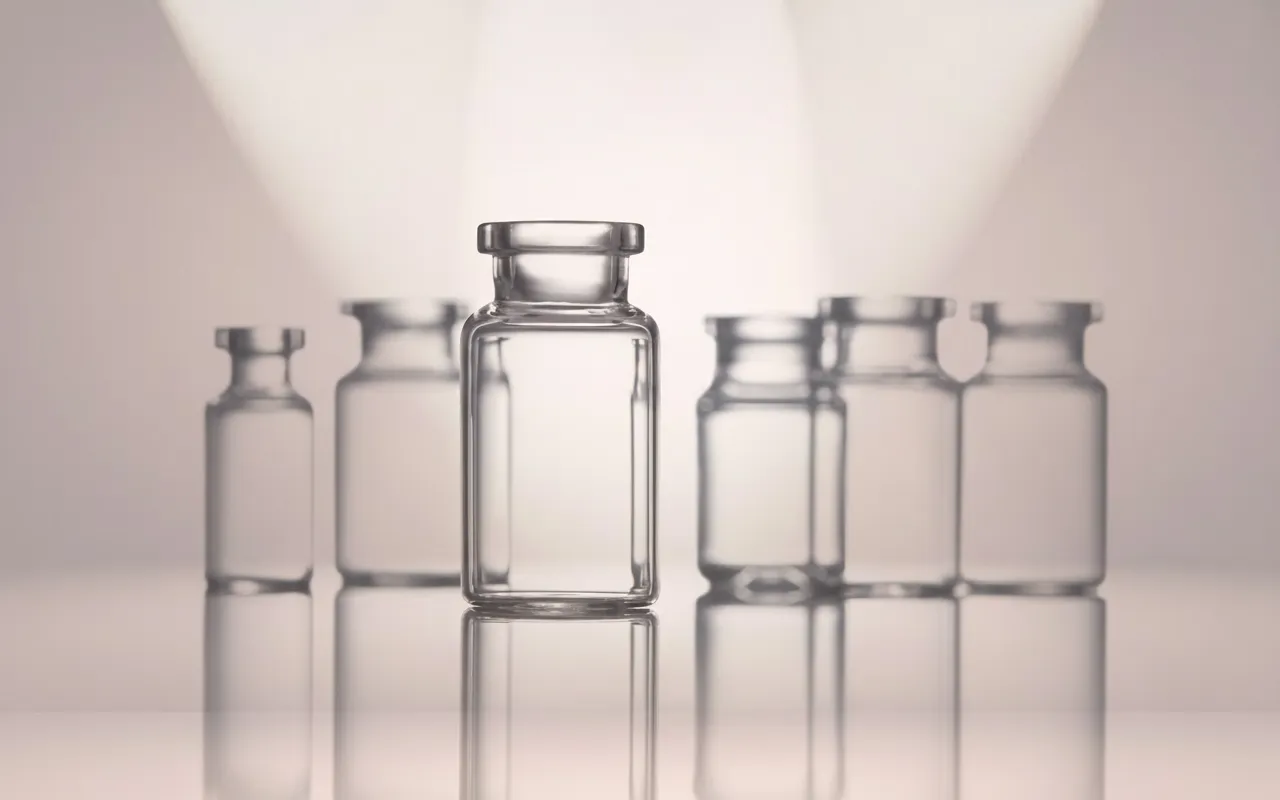
Medical Liquid Product Categories and Container Technical Requirements
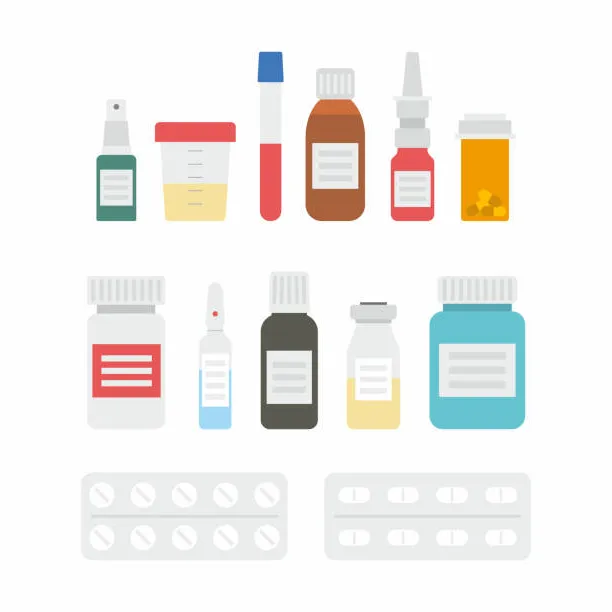
Medical liquid pharmaceutical products divide into several distinct application categories, each with different container requirements determined by the administration route, formulation chemistry, and regulatory pathway of the specific product.
Oral Drug Solutions and Elixirs
Oral drug solutions — including Schedule 4 prescription liquid medicines for conditions where solid dose forms are pharmacokinetically disadvantaged or clinically impractical — are produced and packaged in formats from 30ml single-course formats through 500ml bulk supply bottles for institutional pharmacy. The container requirements for prescription oral drug solutions encompass: CRC compliance (for scheduled oral medicines under the TGA CRC Order), induction foil seal tamper-evidence, pharmacopoeial-grade PET material with AA below taste-impact threshold, and the dosing system compatibility (cup or syringe adapter) appropriate for the product’s target patient population. These are the same requirements addressed in the oral liquid pharmaceutical chapter, applied across the broader range of liquid drug formulations beyond the antibiotic and analgesic products most commonly associated with “oral liquid medicine” — extending to liquid antifungals, oral liquid immunosuppressants, and liquid formulations of cardiac medications that benefit from precise oral liquid dosing.
Concentrated Drug Solutions for Clinical Dilution
Concentrated drug solutions supplied for clinical dilution before administration — concentrated potassium chloride solution, concentrated heparin solution, concentrated injectable electrolyte supplements — represent a critical and high-risk product category where the container’s design must prevent clinical error at the point of dilution preparation in the hospital ward or pharmacy. These products are often the subject of TGA and Safe Work Australia safety alerts when clinical errors occur from concentration confusion — a concentrated potassium chloride solution (undiluted, for example) is immediately lethal if administered intravenously, whereas the correctly diluted preparation in IV fluid is a standard clinical electrolyte supplement. The container for concentrated drug solutions must: clearly communicate the concentration on a prominent label; be sized to contain only the clinical dilution volume (preventing use of excess concentrate); and carry an amber tint or colour-coded label zone that distinguishes it visually from the diluted preparation at the bedside.
Topical Drug Solutions and Antiseptic Liquids
Topical pharmaceutical liquids — iodine solution, povidone-iodine scrub solution, chlorhexidine aqueous solution, hydrogen peroxide solution, alcohol-based antiseptic preparations — are used across clinical, institutional, and consumer settings for wound care, surgical site preparation, and infection prevention. Their container requirements include: chemical resistance to the active biocide (iodine, chlorhexidine, and hydrogen peroxide are all oxidising or reactive compounds that can interact with container materials at high concentrations), UV protection for iodine-containing products where light exposure causes active ingredient degradation, convenient dispensing for clinical use (trigger spray, flip-top, or squeeze dispensing), and CRC closures for products containing scheduled biocides in consumer-packaged formats. PET provides good compatibility with povidone-iodine and chlorhexidine at clinical use concentrations — specific compatibility confirmation at the product’s active concentration and storage temperature is always required before commercial adoption.
Inhalation Solution Containers
Nebuliser solutions — bronchodilators, corticosteroids, mucolytics, and antibiotics formulated for inhalation via nebuliser device — are typically packaged in unit-dose ampoule formats (2–5ml) that contain a single nebulisation dose. PET ISBM produces unit-dose nebuliser ampoules with twist-off tips in high-cavity production tooling (8–16 cavities per cycle) at production rates appropriate for the high volumes of these commonly prescribed respiratory medicines. The inhalation route has specific extractable safety requirements — inhaled substances have direct lung surface contact and higher systemic absorption potential per dose than oral routes — requiring a rigorous E&L assessment for the inhalation route TTC values. Pharmacopoeial-grade PET with controlled extractable profile meets inhalation unit-dose ampoule requirements for standard bronchodilator and corticosteroid nebuliser solutions, confirmed through the specific extraction and toxicological assessment programme the inhalation route demands.
Temperature Adaptability: Medical Liquid Containers Across the Clinical Storage Spectrum
Medical liquid pharmaceutical products are stored and administered across a clinical temperature range that spans from refrigerated storage (+2–8°C for temperature-sensitive liquid formulations) through ambient hospital ward and pharmacy storage (15–30°C) to the elevated temperatures of some clinical treatment protocols — warm IV fluid infusion at body temperature in hypothermia management, for example, or warmed topical antiseptic solutions in wound care. The container must maintain its dimensional integrity, closure performance, and surface chemical characteristics throughout this temperature range without compromising product quality or clinical usability.
Refrigerated Storage (2–8°C)
PET maintains excellent dimensional stability at refrigerated temperatures — well below its Tg, the polymer is in its glassy state with no creep or deformation risk. Closure performance through thermal cycling (refrig → ambient for dispensing → refrig for storage) must be confirmed through thermal cycle testing on the specific container-closure combination. Label adhesion must be confirmed through condensation events when cold containers are moved to ambient environments during dispensing.
Ambient Hospital Storage (15–30°C)
Standard ISBM PET at its optimal operating range. ICH Q1A stability programme at 25°C/60%RH long-term and 40°C/75%RH accelerated confirms that product and container performance are maintained throughout the approved shelf life. The vast majority of medical liquid pharmaceutical formulations are stable in PET at these conditions for 18–36 month shelf lives.
Elevated Temperature Clinical Use (37–60°C)
Brief exposure to body temperature (37°C) for warmed clinical fluid preparation poses no risk to PET containers. At 40–50°C for extended periods (some warming cabinet storage protocols), PET’s barrier properties and dimensional performance are maintained within pharmaceutical specification, confirmed through accelerated temperature testing at product development. Above 60°C, specialist heat-set PET or alternative materials should be evaluated.
Transport Temperature Excursions
Medical liquid products during distribution may experience brief temperature excursions beyond the approved storage range — particularly in Australian summer months for products distributed to regional areas. Stability validation that includes a simulated distribution temperature excursion (WHO temperature cycling test or equivalent) confirms that brief excursions within defined limits do not compromise product quality when the product is returned to approved storage conditions after distribution.
Chemical Stability Engineering: Matching Container Material to Medical Liquid Formulation Chemistry
Medical liquid pharmaceutical formulations span an enormous range of chemical diversity — from simple saline solutions through complex multivitamin infusions, concentrated acid and alkaline adjustors, and organic solvent-containing formulations. Each formulation’s chemical characteristics interact with the PET container through mechanisms that must be individually assessed. While general PET compatibility data for broad formulation categories provides a starting point, the TGA and standard pharmaceutical development practice require specific compatibility confirmation for each product in its production container.
Aqueous Drug Solutions: pH Range and Ionic Strength
The vast majority of medical liquid pharmaceutical formulations are aqueous drug solutions in the pH range 4.0–8.5 — a range within PET’s established compatibility zone. Within this range, the specific formulation chemistry (buffer system type, ionic strength, presence of complexing agents) can affect both PET extractable generation rates and the specific compounds that might interact with the drug. For example: citrate buffers at pH 5.5 may slightly increase extractable levels versus phosphate buffers at equivalent pH; divalent metal ion-containing formulations (magnesium, calcium, zinc) can complex with trace extractable organic acids from PET, forming insoluble metal complexes that appear as sub-visible particles. These secondary interactions are not predicted from general PET compatibility data and must be identified through formulation-specific compatibility studies.
Solubilised API Interactions with PET Surfaces
Many pharmaceutical APIs require solubilisation excipients (co-solvents, cyclodextrins, surfactants, lipid-based solubilisers) to achieve therapeutic concentrations in aqueous solution. These solubilisation systems change the PET surface interaction profile relative to a simple aqueous solution — lipophilic excipients like polyethylene glycol and propylene glycol at high concentrations can act as mild plasticisers for PET at elevated temperatures, potentially causing minor wall swelling at accelerated stability conditions; cyclodextrins create inclusion complexes with lipophilic extractable compounds from PET, potentially altering the apparent extractable profile of the container in the drug solution versus a pure aqueous extract. The compatibility study for a solubilised drug formulation must use the actual formulation — not a simplified aqueous surrogate — to capture these excipient-mediated interactions.
Chemical Resistance to Reactive Drug Formulations
Certain medical liquid formulations contain chemically reactive components that require individual compatibility assessment: hydrogen peroxide-based preparations at concentrations above 3% (oxidising environment); formaldehyde solution (used in some topical and laboratory disinfection products); glacial acetic acid dilutions (topical wound irrigation in some burn management protocols); and concentrated alkaline solutions like sodium bicarbonate injection. For each of these reactive formulations, PET compatibility must be confirmed at the specific active concentration and the target storage temperature — general compatibility statements about the formulation class are insufficient for TGA submission purposes. Contact [email protected] for technical guidance on compatibility assessment protocols for reactive medical liquid formulations.
High-Pressure Compatibility for Clinical Fluid Administration Devices
Medical liquid pharmaceutical containers connected to clinical fluid administration devices — irrigation systems, clinical flushing devices, pressure-assisted infusion systems — may experience internal pressures above standard atmospheric during clinical use. Unlike consumer pharmaceutical products where internal pressure is at most a few hundred millibar from product vapour pressure, clinically connected containers may experience administration pressures of 100–500 mmHg or more depending on the delivery system.
ISBM’s preform design engineering for the wall thickness targets appropriate to the pressure specification — combined with biaxial orientation providing enhanced hoop strength — enables PET ISBM containers to meet clinical pressure administration specifications for the standard pressure ranges encountered in hospital fluid administration. The pressure qualification testing protocol (described in the infusion bottle section) applies equally to medical liquid containers used in pressure-assisted clinical delivery — fill to nominal volume, connect the clinical delivery system, apply the maximum intended pressure for the clinical use duration, and inspect for any wall distortion, closure breach, or product egress.
For wound irrigation systems — where the container is squeezed through a directed nozzle to generate the irrigation pressure — the pressure is generated by the squeeze force rather than an external pressurisation system, and the pressure qualification focuses on the nozzle geometry’s flow rate at the achievable squeeze force range. Clinical wound irrigation pressure standards (typically 5–15 PSI for effective wound bed cleansing without tissue damage) are achievable through ISBM squeeze bottle engineering with appropriate wall thickness and nozzle orifice specification.
Hospital Formulary and Unit-Dose Distribution Applications
Hospital pharmacy formulary management — the preparation and distribution of patient-specific or ward-specific pharmaceutical liquid formulations within the hospital pharmacy system — represents one of the largest-volume and most clinically important applications for medical liquid ISBM containers in Australia. Every major Australian hospital (over 200 hospitals with inpatient pharmacies according to AIHW data) prepares oral liquid formulations for patients who cannot take standard solid-dose products — particularly elderly patients, paediatric patients, and patients with swallowing disorders — and the containers for these preparations must meet pharmaceutical-grade material standards while being appropriate for the small-batch hospital pharmacy production environment.
Unit-dose distribution of medical liquid pharmaceuticals — pre-filled, single-use containers of a single patient’s dose, prepared by the hospital pharmacy and distributed to the clinical ward — is a growing patient safety practice that reduces bedside medication preparation errors. ISBM unit-dose containers for hospital liquid medicines must: contain exactly the prescribed dose volume (±5% accuracy); be clearly and durably labelled with patient name, drug name, strength, dose, and time of administration (which requires a label panel of defined minimum area); be sealed with an induction foil that provides tamper evidence while being openable by nursing staff without special equipment at the bedside; and be compatible with the hospital pharmacy’s filling and sealing equipment, which typically operates at lower speeds than commercial pharmaceutical filling lines.
For hospital pharmacy operations purchasing ISBM containers for formulary preparations, the critical supplier qualification requirement is the pharmacopoeial material certificate — a documented declaration from the container manufacturer confirming that the PET material meets USP <661> or Ph.Eur. 3.1.15 requirements, with supporting test data. This certificate is a non-negotiable requirement for hospital pharmacy accreditation under the Australian Commission on Safety and Quality in Health Care (ACSQHC) standards, and must be provided with each container delivery lot to the hospital pharmacy quality assurance programme.
Regulatory Framework for Medical Liquid Pharmaceutical ISBM Containers in Australia
Medical liquid pharmaceutical products in Australia are regulated as medicines under the Therapeutic Goods Act 1989, with registration or listing on the ARTG depending on the risk classification of the product. The regulatory pathway and associated container documentation requirements depend on whether the product is a registered (Prescription/OTC) medicine or a listed medicine, and whether it is commercially manufactured or hospital-compounded.
| Product Category | TGA Pathway | Container Documentation Required | ISBM Compliance Level |
|---|---|---|---|
| Registered prescription oral liquid | ARTG Registration (CTD) | Full CCS: pharmacopoeial, E&L, stability, CRC cert | Full pharmaceutical GMP |
| Listed OTC antiseptic / topical | ARTG Listed Medicine | Container type/material, evidence of GMP, stability | GMP + pharmacopoeial material |
| Hospital-compounded liquid | Hospital Compounding Exemption | Pharmacopoeial material CoC per lot, E&L guidance | Pharmacopoeial + ACSQHC accreditation |
| Nebuliser unit-dose ampoule | ARTG Registration (CTD) | Inhalation-route E&L, CCS pharmacopoeial, stability | Full pharmaceutical GMP + inhalation E&L |
| Clinical dilution solution (concentrate) | ARTG Registration / hospital supply | CCS pharmacopoeial, concentrate-specific E&L, stability | Full pharmaceutical GMP |
GMP Production Requirements Across the Medical Liquid Container Range
The diversity of the medical liquid pharmaceutical container application range means that a single ISBM production operation may be producing containers for products with substantially different GMP requirements in the same production week — a registered prescription oral liquid (requiring full pharmaceutical GMP documentation) on Monday, a hospital formulary container lot (requiring pharmacopoeial material certificates and basic quality records) on Wednesday, and a listed OTC topical product (requiring GMP compliance but less extensive documentation than a registered prescription product) on Friday. Managing this regulatory diversity within a single ISBM production quality system requires a flexible quality management approach that scales documentation requirements to the specific regulatory category of each product’s container, without compromising the pharmaceutical GMP baseline that all medical liquid containers share.
The common baseline quality requirements for all medical liquid ISBM containers — regardless of their specific regulatory category — include: incoming material CoC for each PET resin and masterbatch lot; validated production process within the IQ/OQ/PQ qualification range; in-process dimensional inspection for CRC and closure compatibility dimensions; finished container visual inspection; and batch record documentation linking each production lot to its specific material, process, and inspection history. The additional documentation required for higher-regulatory-category products (full E&L data package, stability programme results, IQ/OQ/PQ validation documentation) is layered on top of this common baseline.
Ever-Power’s pharmaceutical quality system documentation support provides ISBM medical liquid container operations with the quality management framework that scales appropriately across the full regulatory diversity of the medical liquid container product range, without requiring pharmaceutical GMP documentation overhead for every container lot regardless of its regulatory category. Contact [email protected] to discuss the quality system framework appropriate for your specific medical liquid container product range.
Sustainability for Medical Liquid Pharmaceutical Packaging
Sustainability in medical liquid pharmaceutical packaging operates within the same regulatory constraints as other pharmaceutical applications — post-registration container changes require TGA variation management — but the breadth of the medical liquid category means that different products within the range have different regulatory pathways and therefore different sustainability change management pathways. For registered prescription products, sustainability improvements require formal TGA variation management. For hospital-compounded and listed OTC products, sustainability changes (material, lightweighting) may be implemented with less formal regulatory process provided the change stays within the pharmacopoeial compliance envelope.
PET ISBM medical liquid containers are recyclable through Australian kerbside infrastructure when appropriately coded (Resin Identification Code 1 — PET). For medical liquid containers that have been in contact with pharmaceutical active ingredients, recycling through standard kerbside collection raises no specific environmental concerns for standard Schedule 2/3 OTC products — the dilute residue of an antiseptic or analgesic syrup in a rinsed PET bottle does not represent a contamination risk to the recycled PET stream at the concentrations involved. For containers from Schedule 4 or higher scheduled pharmaceutical products, disposal through the Pharmaceutical Return Program (pharmacy take-back) rather than general kerbside recycling may be recommended — the programme manages pharmaceutical waste appropriately regardless of container material.
Lightweighting within the approved container specification represents the lowest-regulatory-risk sustainability initiative for medical liquid pharmaceutical ISBM containers — applicable across the regulatory diversity of the medical liquid range without requiring TGA variation in many cases, generating quantifiable material savings, and providing the on-pack sustainability claim data that retail channel sustainability requirements increasingly demand for OTC medical liquid products.
Ever-Power’s Medical Liquid ISBM Development and Production Support
Australia Ever-Power provides medical liquid pharmaceutical manufacturers, hospital pharmacy operations, and clinical product developers with ISBM machine technology and pharmaceutical application engineering support across the full medical liquid container range. The medical liquid support programme scales to the specific regulatory pathway of each application — full pharmaceutical GMP IQ/OQ/PQ validation and CCS documentation for registered prescription liquid medicines, pharmacopoeial material certificate programmes for hospital formulary containers, and targeted compatibility study design for novel formulation types requiring specific chemical resistance assessment.
For medical liquid pharmaceutical manufacturers producing across multiple regulatory categories from a single ISBM platform, Ever-Power’s quality system documentation framework provides the scalable compliance structure that serves each product category’s specific documentation requirements without requiring pharmaceutical GMP overhead for every container lot regardless of regulatory classification. The Condell Park NSW location provides same-day on-site engineering support for medical liquid ISBM production operations — a practical advantage for the diverse, multi-product production schedules typical of medical liquid pharmaceutical operations.
Visit isbm-technology.com/contact-us or contact the team at [email protected] to discuss your medical liquid container ISBM requirements.
Empfohlene Maschine
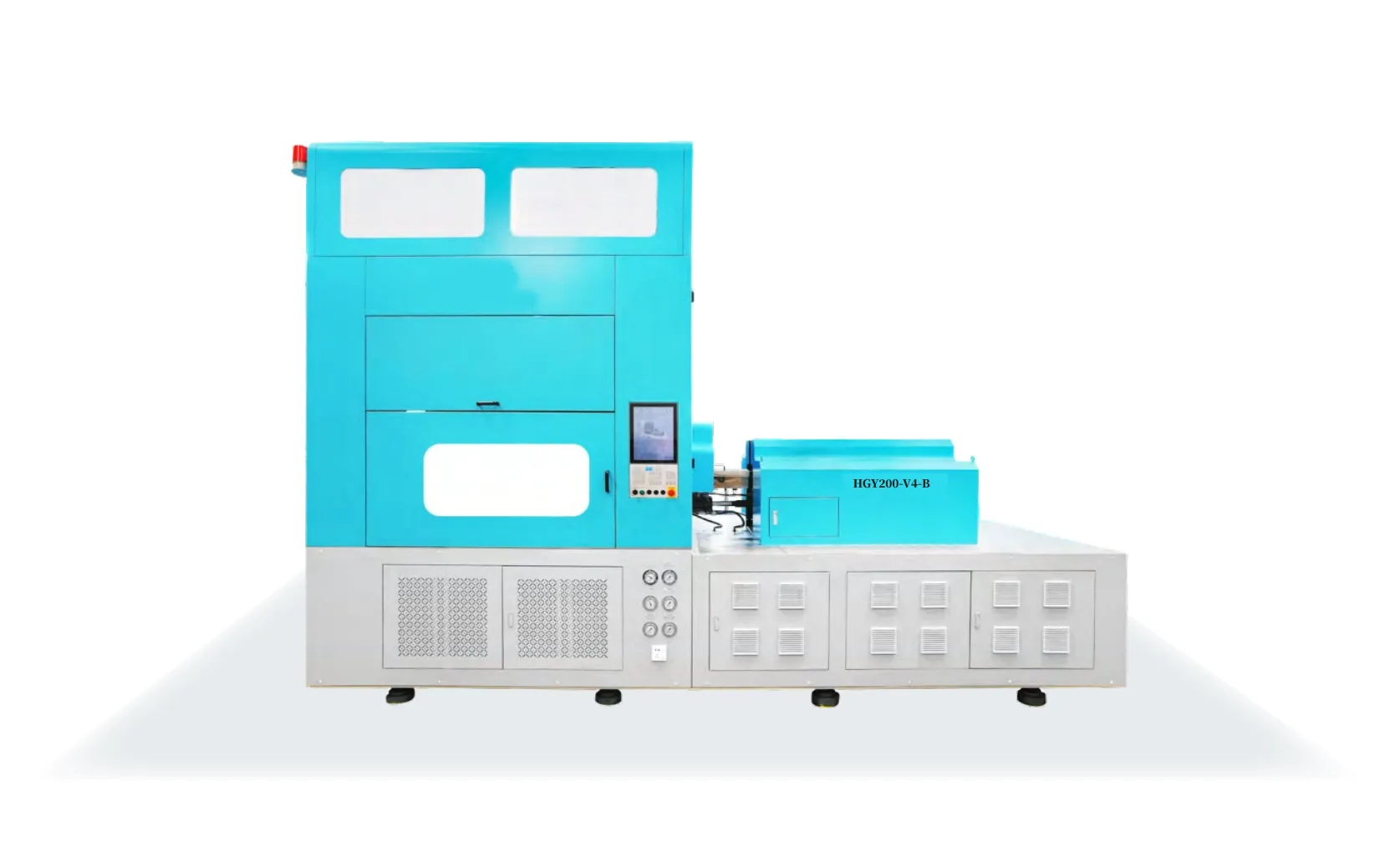
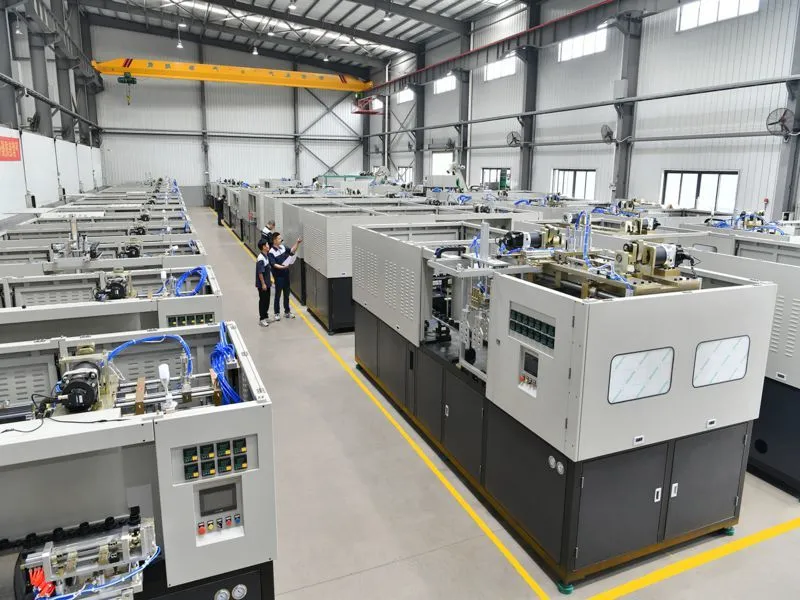
HGYS200-V4-B — Four-Station ISBM for Medical Liquid Container Production
For medical liquid pharmaceutical container production spanning the full range from oral drug solutions and hospital formulary containers through topical antiseptic packaging and nebuliser ampoule formats, the HGYS200-V4-B four-station one-step ISBM machine provides the multi-format production flexibility and pharmaceutical compliance capability that medical liquid operations require. The four-station design delivers consistent cavity-to-cavity precision for CRC neck finishes (oral prescription liquid containers), pressure-resistant wall thickness for clinical fluid administration containers, and the injection neck bore accuracy for nebuliser ampoule twist-off systems. The machine processes pharmacopoeial-grade PET across medical liquid container volumes from 1ml nebuliser unit-dose ampoule formats through 500ml clinical dilution solution containers. PLC process data logging with audit-trail recipe management supports the scalable pharmaceutical GMP documentation requirements across the regulatory diversity of the medical liquid container range — from listed OTC antiseptic product quality records through to registered prescription oral liquid medicine batch documentation. Rapid mould changeover (90–150 minutes format change; 15–30 minutes colour change) enables medical liquid operations with multi-product, multi-format production schedules to maximise machine utilisation across the full medical liquid container range.