Medical Saline: The Most Widely Used Clinical Fluid and Its Packaging Brief
Normal saline — 0.9% w/v sodium chloride solution — is the single most widely administered medical fluid in Australian hospitals. Every day, across Australia’s 700+ public hospitals and hundreds of private facilities, millions of millilitres of normal saline are used for intravenous fluid replacement, wound irrigation, eye washing, catheter flushing, nasogastric tube flushing, medication dilution, and airway humidification. As the foundational clinical fluid, saline’s packaging must satisfy the most demanding combination of volume efficiency (produced in the largest quantities at the lowest per-unit cost the clinical economics allow) and quality reliability (no container failure can be acceptable when the failure affects a directly patient-administered product).
The دستگاه قالب گیری بادی کششی تزریقی produces medical saline containers that address both requirements simultaneously — biaxially oriented PET’s shatter resistance, dimensional consistency, and production efficiency at the volumes clinical saline supply demands, with the pharmacopoeial material compliance and sterile barrier performance the clinical application requires. This guide covers the specific technical and commercial requirements of ISBM containers for the full range of medical saline applications in Australian healthcare.
Australia Ever-Power Injection Stretch Blow Moulding Machine Co., Ltd, Condell Park NSW 2200, serves saline solution manufacturers, hospital pharmacy operations, and clinical packaging operations with ISBM technology and pharmaceutical engineering support for the medical saline container sector.

Saline Applications and Their Container Requirements Across the Clinical Setting
Medical saline is used across an enormous range of clinical applications — each with distinct container format, dispensing system, and sterility requirements that the ISBM container must address through appropriate design specification.
Wound Irrigation Saline (50ml–500ml Squeeze Bottles)
Sterile normal saline for wound irrigation — the most common use of small-format saline containers in Australian hospitals and community wound care — is packaged in 30ml–500ml flexible squeeze bottles with directed nozzles that allow the nursing staff to deliver a directed stream for wound bed cleansing. The container’s squeeze compliance (force required to generate adequate irrigation flow through the nozzle) must be calibrated for one-hand operation while the other hand manages the wound — typically 6–15N at a body midpoint deformation of 2–3mm provides adequate flow rate without excessive effort from nursing staff. The nozzle orifice geometry determines the irrigation stream direction and flow rate — ISBM’s injection-formed nozzle reproduces the orifice to ±0.03mm, ensuring the irrigation stream reaches the wound bed from the clinical hold position rather than deflecting off the wound surface. Sterile single-use format with induction foil seal provides the tamper-evidence and sterile barrier required for wound care infection prevention.
Eye Wash Saline (100ml–500ml Directed Nozzle Bottles)
Emergency eye wash saline — sterile normal saline in squeeze bottles with eye-directed nozzle geometry — is used in workplace first-aid kits, hospital emergency departments, and occupational health stations for chemical eye splash and foreign body irrigation. The clinical irrigation requirement for eye wash is at minimum 15 minutes of continuous irrigation at adequate flow (per AS 4775 emergency eye wash guidance) — a requirement that typically necessitates multiple sequential 500ml bottles for a full eye wash event. ISBM’s production consistency in squeeze compliance and nozzle geometry ensures that every bottle in an emergency kit delivers the same irrigation performance, preventing the treatment variability that would arise from inconsistent containers in a time-critical emergency scenario. See the emergency medicine bottle chapter for detailed technical requirements.
Catheter Flush Saline (10ml–20ml Single-Use Pre-Filled Syringes and Vials)
Pre-filled normal saline flush syringes and vials — used to flush intravenous catheters, arterial lines, and urinary catheters between medication administrations — are among the highest-volume, smallest-format saline containers in hospital use. An average Australian ICU or surgical ward may use 50–100 saline flush units per patient per day across all lines and catheter maintenance events. The production volume requirement — millions of units per year for a national hospital supply contract — demands the highest-efficiency ISBM production format: small-volume (5–20ml) with multi-cavity tooling achieving 5,000–15,000 BPH. Sterility is the dominant requirement — these small-volume flush units access the patient’s bloodstream directly through the IV catheter, and any contamination causes bacteraemia. Pre-filled saline syringes for catheter flush are regulated as medical devices (TGA Class IIa sterile single-use medical devices), requiring the full medical device conformity assessment pathway, ISO 10993 biocompatibility, and ISO 11607 sterile barrier validation.
Airway Humidification Saline (2ml–5ml Unit-Dose Ampoules)
Sterile normal saline 0.9% unit-dose ampoules — instilled into endotracheal tube circuits to humidify the airway in ventilated patients — are produced as twist-off ampoule formats in high-cavity ISBM tooling. These are among the highest-volume unit-dose saline formats in intensive care settings. The 2ml–5ml ampoule twist-off must open cleanly at a defined force, deliver the complete contents in a single administration, and prevent any particulate from the tip fracture entering the administered volume. ISBM’s injection-formed twist-off geometry (defined score-break force ±10% and clean fracture without particle generation, confirmed during qualification testing) ensures reliable clinical performance at every ampoule opening — preventing the inconsistent twist-off behaviour that would compromise both clinical safety and nursing compliance with the airway humidification protocol.
Crack Resistance and Impact Performance: The Critical Safety Requirement
Medical saline containers are handled in clinical environments where drops are common — nursing staff handling multiple items simultaneously, pre-filled syringes dropped from counter height, wound irrigation bottles dropped during procedures, and containers handled by patients receiving home saline therapy. A cracked or shattered saline container creates both immediate product loss (sterile saline that cannot be used after container breach) and a physical hazard from container fragments in the clinical area. The crack resistance of ISBM PET is one of its most clinically important performance attributes for saline container applications.
Biaxially oriented PET from ISBM absorbs impact energy through controlled deformation rather than catastrophic fracture. When a saline ISBM bottle is dropped from counter height (approximately 0.8–1.0m in a clinical setting) onto a hard floor, the biaxial orientation of the PET wall distributes the impact stress across the full body surface, producing a visible dent or deformation at the point of impact without cracking or fragmentation. Standard PET ISBM wound irrigation bottles at 200–400ml capacity pass a 1.2m drop test from all orientations without leakage or body fracture — providing the clinical safety assurance that glass saline containers cannot match and that unoriented polyethylene containers match only at significantly greater wall thickness (and therefore greater material cost and weight).
For unit-dose saline ampoules and pre-filled flush containers, drop resistance is equally important but the failure mode assessment differs — these small-format containers must not crack at the ampoule tip or the twist-off score line from handling impacts, as a crack at these locations would compromise the sterile barrier. Drop testing for small-format saline containers should specifically include testing with the ampoule tip and twist-off score line oriented toward the impact point (the most structurally vulnerable orientation) to confirm no fracture at these critical zones from any plausible clinical drop event.
High-Volume Production Economics for Medical Saline
Medical saline is produced in larger volumes than almost any other pharmaceutical product — national saline supply contracts for Australian hospital networks run to hundreds of millions of units per year across all formats. At these volumes, per-unit production cost is the dominant commercial driver, and the economics of ISBM versus alternative production approaches must be evaluated carefully to identify the formats and volumes where ISBM is cost-competitive.
4-cavity ISBM on 200ml wound irrigation format — meeting the production rate demands of national saline supply contracts at competitive per-unit economics
PET saline bottles reduce logistics cost per dose versus glass equivalent — directly reducing cold-chain freight cost for hospital saline supply across Australia’s wide geographic distribution
PET ISBM saline containers eliminate the 1–3% glass breakage rate that adds waste, cost, and clinical safety incidents to glass saline container distribution chains in Australian hospitals
For saline unit-dose ampoule formats (2–10ml) — the highest-volume per-unit saline format in hospital use — ISBM’s ability to produce at 10,000–20,000 BPH in 8–16 cavity tooling configurations provides the production economics that national hospital supply pricing requires. The saline ampoule market in Australia is dominated by a small number of major pharmaceutical manufacturers (Baxter, Pfizer, B.Braun) with established large-scale filling operations — new ISBM investment for saline containers in Australia is most commercially viable for: local manufacture of wound irrigation and eye wash formats (where the supply chain agility of local production provides genuine commercial value), hospital pharmacy compounding of saline for specific preparations, and contract production for regional hospital networks seeking local-source supply chains for first-aid and emergency saline products.
Saline Solution Extractables: Simplicity With Clinical Precision
Pharmacopoeial normal saline (0.9% sodium chloride, Water for Injection, pH 4.5–7.0) is chemically one of the simplest pharmaceutical formulations — no organic solutes, no buffering system complexants, no surfactants. This chemical simplicity means that the container’s extractable contribution to the saline product is the only chemical quality concern, unmasked by complex formulation chemistry. Paradoxically, this simplicity makes saline a stringent extractable assessment environment — any extractable compound from the PET container is detectable in the simple ionic matrix without interference from formulation excipients that might complex or mask extractable compounds in more complex pharmaceutical formulations.
The principal extractable concerns for PET ISBM saline containers are: acetaldehyde (AA) — at concentrations below 5 µg/L for clinical saline applications where even trace off-flavour from AA would be unacceptable in wound irrigation saline used in open wounds (AA can irritate wound tissue at concentrations above the sensory threshold); antimony — below 2 µg/L for intravenous/direct clinical contact applications; and organic compounds from the masterbatch system (for tinted or UV-stabilised containers). Pharmacopoeial-grade PET resin processed in ISBM within validated parameters achieves these saline extractable targets without difficulty — confirmed by the extractable study using 0.9% NaCl at the clinical contact temperature and duration as the extraction medium.
For sterile single-use saline containers (wound irrigation, eye wash) regulated as medical devices, the E&L assessment follows ISO 10993-17 (establishment of allowable limits for leachable substances) — a risk-based framework that calculates tolerable exposure limits from the intended use scenario (topical wound contact versus direct intravenous contact have different exposure limits for the same compound). The ISO 10993-17 risk-based assessment for wound irrigation saline in PET containers typically confirms that pharmacopoeial-grade PET extractable levels are below the tolerable exposure limits for topical wound contact applications without margin-free pass/fail calculations. Contact [email protected] for saline E&L assessment design for your specific saline application format.
Shelf Life Engineering for Medical Saline Containers
Medical saline is a chemically stable product — normal saline has no chemical degradation pathway under standard storage conditions, and the product’s shelf life is primarily limited by sterile barrier integrity (for sterile formats) and MVTR (for products where evaporative concentration of NaCl above specification is theoretically possible over very long storage periods). In practice, PET ISBM saline containers with induction foil seals achieve 24–36 month shelf lives routinely — the induction seal maintains hermetic sterile barrier integrity well beyond this period at ambient storage conditions, and the MVTR of biaxially oriented PET walls at the standard body thickness provides negligible evaporative concentration over a 36-month shelf life.
For extended shelf life targets (emergency stockpile saline with 5-year shelf life targets), accelerated shelf life testing (ASTM F1980) confirms that the induction seal maintains its hermetic performance and that the container body remains structurally intact and dimensionally stable through the extended period. PET ISBM containers for stockpile saline should include UV stabiliser additive in the container material to prevent UV-induced yellowing and embrittlement during the extended storage period — particularly for containers stored in non-UV-controlled warehouse environments or outdoor-accessible first-aid installations. The 5-year shelf life target for stockpile saline is achievable with appropriate induction seal specification, UV stabiliser additive, and the accelerated and real-time stability data supporting the TGA or TGA-exemption product registration.
For home-use saline products (nasal saline sprays, wound saline for home wound care) sold through pharmacy retail, a standard 24-month shelf life is the typical target — achievable without UV stabiliser in standard indoor retail and home storage environments. The shelf life data programme (ICH Q1A format for registered medicines, simplified real-time stability for listed medicines and medical devices) must be initiated early enough in the product development timeline to provide the minimum data required before product launch.
Regulatory Classification of Medical Saline Products in Australia
Medical saline products in Australia are regulated under different TGA frameworks depending on their concentration, intended use, and supply format. Understanding the applicable regulatory framework determines the container documentation requirements and the product registration or listing obligation.
Intravenous Normal Saline (TGA Registered Medicine)
Normal saline for intravenous administration (IV bags and bottles) is a registered medicine on the ARTG, requiring full pharmaceutical GMP, container-closure system CCS documentation, and stability data. Container E&L at parenteral route TTC values. PET container change from glass or PVC requires TGA Level 2 variation.
Wound Irrigation Saline (TGA Class IIa Medical Device)
Sterile normal saline for wound irrigation is classified as a TGA Class IIa sterile medical device. Container requires ISO 10993 biocompatibility assessment, ISO 11607 sterile barrier validation, and medical device QMS (ISO 13485). E&L at wound contact route TTC values. ARTG device listing required.
Eye Wash Saline (TGA Class IIa Medical Device)
Emergency eye wash saline is a sterile medical device requiring ophthalmic-route E&L assessment in addition to standard sterile medical device requirements. Drop flow rate qualification, container integrity testing, and UV stability for outdoor kit storage. ARTG device listing.
Nasal Saline Spray (TGA Listed Medicine)
Isotonic saline nasal spray is a TGA Listed Medicine (ARTG listing). Container documentation requirements are less extensive than registered medicines — container material suitability, basic stability evidence, and GMP compliance declaration. Inhalation/nasal route E&L considerations apply.
Hospital Pharmacy Compounded Saline: Supply Chain for Clinical Units
Hospital pharmacies compound saline solutions in-house for specific clinical requirements not met by commercially available products: specific concentrations (0.45% half-normal saline, 3% hypertonic saline for specific clinical protocols), preparation for bronchoscopy or endoscopy procedures requiring specific volumes, and patient-specific preparations for neonatal or paediatric patients requiring small volumes calibrated to individual patient weights. ISBM containers for hospital pharmacy compounded saline serve this clinical compounding demand — supplied with pharmacopoeial material certificates that satisfy hospital pharmacy ACSQHC accreditation requirements, and in formats appropriate for the small-batch hospital pharmacy production environment.
For compounded saline preparation, the hospital pharmacy typically fills ISBM containers using a laminar flow hood aseptic preparation process or, for larger volumes, a compounding isolator. The container is sealed with a capped stopper or induction seal, labelled with patient-specific information and compounding batch identification, and distributed to the clinical unit for the specific patient preparation. The container format must be compatible with the hospital pharmacy’s filling equipment — typically 50–500ml bottles with screw-cap or Luer-compatible neck formats for direct connection to administration systems.
تماس [email protected] for hospital pharmacy saline compounding container supply programmes — including lot-specific pharmacopoeial material certificates and the container format range appropriate for Australian hospital pharmacy compounding operations.
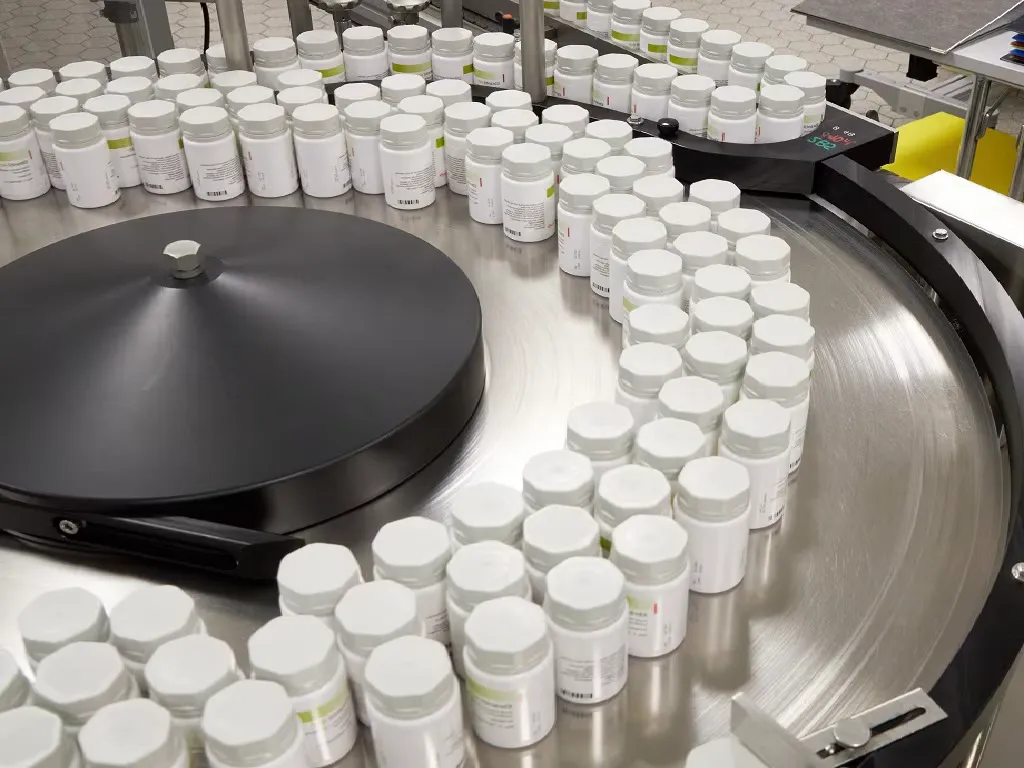
Sustainability and rPET in Medical Saline Containers
Medical saline is produced in very high volumes, making it a commercially significant sustainability opportunity — even a small percentage weight reduction across millions of units represents substantial material savings. For wound irrigation and eye wash saline containers (medical devices, not registered medicines), sustainability improvements including lightweighting and rPET content may be implementable with less regulatory overhead than for registered pharmaceutical medicines, because medical device design changes within the established performance specification may be managed through the design change control procedure rather than requiring TGA variation for each improvement.
rPET incorporation in medical saline containers requires the same food/pharmaceutical contact certified rPET supply chain described for other pharmaceutical applications, with the specific challenge that 0.9% NaCl is a clean, simple aqueous medium that provides an excellent extraction environment for any trace NIAS compounds in the rPET — there are no formulation excipients to complex or mask extractable compounds, making this a stringent test of rPET extractable profile. At 25% certified food-contact rPET from a validated decontamination supply chain, saline container performance at the wound irrigation and eye wash contact conditions should be confirmable through a targeted extraction study — the primary assessment being the ISO 10993-17 risk analysis for the wound contact route at the specific rPET-lot extractable profile.
Saline containers are kerbside recyclable when clean and appropriately labelled (PET Resin Code 1). Post-clinical-use saline containers from hospital wound care and eye wash applications should be disposed of through the clinical waste management stream (not general recycling) because they have been in contact with body fluids — the clinical waste classification applies to the used container regardless of the packaging material. The sustainability benefit of PET recyclability in saline containers is most directly realised in the manufacturing supply chain (rPET use and production energy efficiency) rather than in end-use recycling, which is constrained by clinical contamination.
Ever-Power’s Medical Saline ISBM Development Support
Australia Ever-Power provides saline solution manufacturers, hospital pharmacy operations, and clinical product developers with ISBM machine technology and application engineering support for the full medical saline container range. The saline support programme covers format-specific design requirements (squeeze irrigation nozzle geometry, ampoule twist-off break force, pre-filled syringe compatibility), sterile barrier qualification (induction seal integrity, gamma irradiation sterilisation validation), pharmacopoeial material certification for hospital pharmacy supply, and the regulatory framework navigation for the TGA classification applicable to each saline format.
For Australian saline manufacturers and hospital systems evaluating local ISBM production for wound irrigation, eye wash, and unit-dose saline formats, Ever-Power’s pre-investment analysis identifies the supply chain agility, product differentiation, and cost competitiveness advantages that local production provides versus offshore procurement for the specific format volumes in the Australian clinical market.
Visit isbm-technology.com/contact-us or contact [email protected] to discuss your medical saline container ISBM development requirements.
Recommended Machine
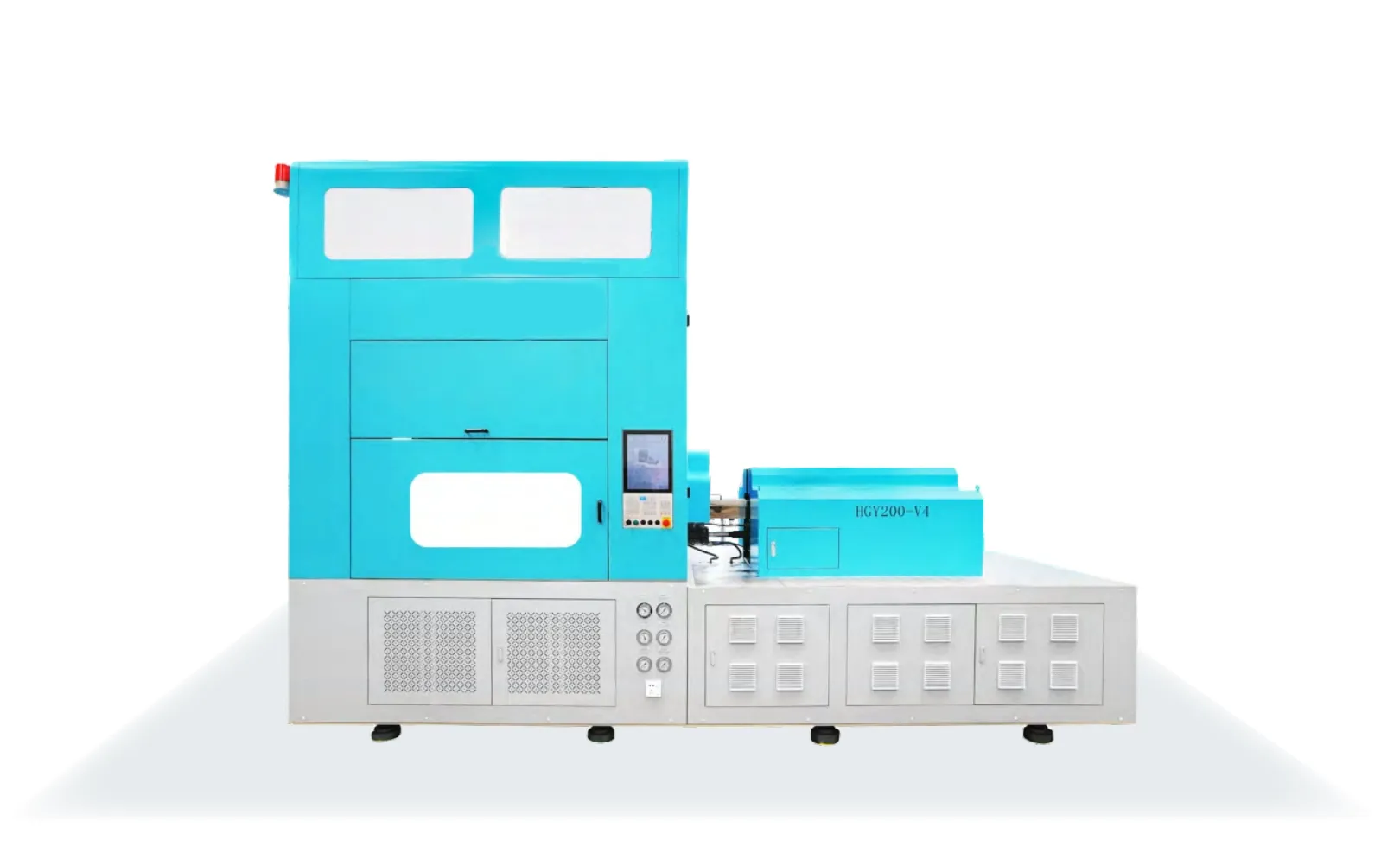
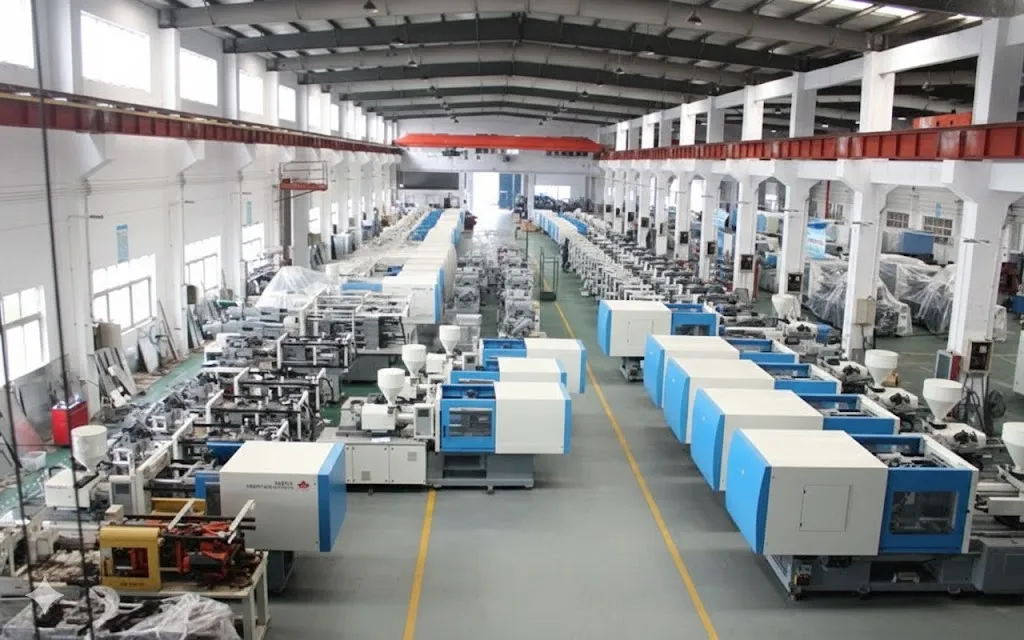
HGYS200-V4 — Four-Station ISBM for Medical Saline Container Production
For medical saline container production spanning wound irrigation, eye wash, unit-dose ampoule, and hospital pharmacy compounding formats in the 5ml–500ml volume range, the HGYS200-V4 four-station one-step ISBM machine provides the production efficiency and pharmaceutical compliance capability that medical saline container manufacturing requires. The four-station design delivers consistent cavity-to-cavity squeeze compliance and nozzle orifice precision for wound irrigation and eye wash formats — all four cavities simultaneously producing the irrigation nozzle geometry within ±0.03mm orifice tolerance that clinical flow rate specification requires. Biaxially oriented PET production confirms the crack resistance and drop performance that clinical saline container safety demands. Pharmacopoeial-grade PET material processing with controlled AA production and low extractable profile provides the material purity that all medical saline routes require — from wound contact through ophthalmic irrigation. PLC process data logging generates the production traceability documentation for TGA medical device QMS compliance. The machine’s high-volume production capability (up to 12,000 BPH for standard 200ml wound irrigation formats) serves the volume demands of commercial saline supply contracts. Multi-format capability (from 5ml unit-dose ampoule through 500ml irrigation formats on configurable tooling) enables a medical saline product range to be served from a single machine platform with scheduled changeovers.