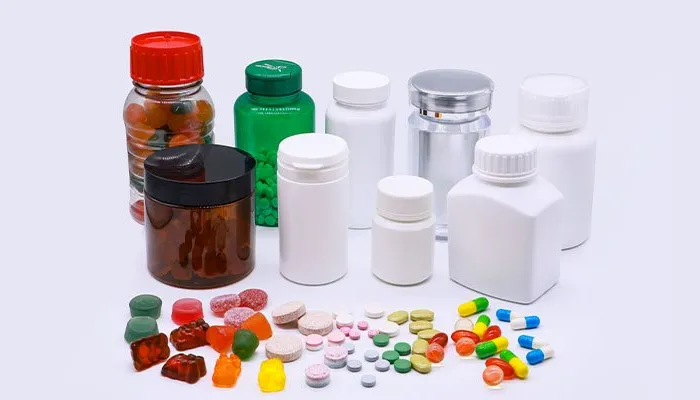
The shelf life of a pharmaceutical product is only as long as its packaging allows. When a medicine manufacturer assigns a 24 or 36-month expiry date to a product, that date is not arbitrary — it is backed by stability testing data that demonstrates the drug product remains within its defined quality attributes throughout the stated storage period. But those stability test results are obtained using the actual primary packaging in which the product will be commercially sold. Choose a packaging container that performs inadequately as a barrier against moisture, oxygen, or light, and the stability data will fail at the accelerated testing stage — forcing a shorter expiry date, a change in packaging, or both. ISBM bottle manufacturing, specifically using injection stretch blow molding technology with pharmaceutical-grade PET resin, has become the packaging solution of choice for a growing range of solid and liquid pharmaceutical products precisely because its barrier performance, chemical compatibility, and dimensional stability deliver the shelf life protection that modern pharmaceutical formulations require. This article examines the specific mechanisms through which ISBM-produced pharmaceutical containers ensure long-term medicine safety across commercial shelf lives of two years and beyond.
The Chemistry of Drug Degradation and What Packaging Must Prevent
Drug molecules degrade through three primary chemical pathways: hydrolysis (reaction with water), oxidation (reaction with oxygen or other reactive species), and photodegradation (reaction driven by ultraviolet or visible light exposure). Each pathway operates at a rate that depends on the concentration of the degrading agent — moisture, oxygen, or photons — at the surface of the drug particle or within the drug solution. The packaging container directly controls the flux of each of these degradants into the drug product: a container with high moisture vapor transmission will expose a hygroscopic tablet formulation to ambient humidity at a rate that causes accelerated hydrolytic degradation; a container with high oxygen permeation will introduce oxidative stress to an antioxidant-depleted liquid medicine; and a clear container will allow light-catalyzed degradation reactions to proceed in light-sensitive formulations. The consequence of uncontrolled degradation is not merely a cosmetic change in the medicine’s appearance or smell — it is a reduction in the concentration of the active ingredient, which translates directly to sub-therapeutic dosing of the patient who takes the medicine.
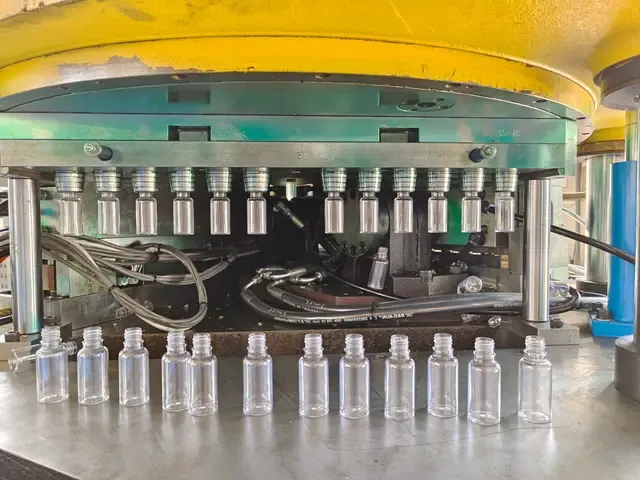
What pharmaceutical product stability scientists require from their primary packaging is a container that functions as a calibrated barrier — one whose permeation characteristics are known, consistent from batch to batch, and sufficient to maintain drug degradation rates below the level that would cause the product to fall outside its specification before its labeled expiry date. PET bottle production using the injection stretch blow molding process delivers containers whose barrier properties are directly governed by the degree of biaxial molecular orientation achieved during blow molding — a parameter that can be controlled and validated within defined limits, producing bottles with consistent, predictable barrier performance across every production batch.
Moisture Barrier Performance of ISBM PET Bottles in Pharmaceutical Storage
Moisture vapor transmission rate (MVTR) is the most widely referenced barrier specification for pharmaceutical solid dose packaging, and for good reason: oral tablets, capsules, and powders are almost universally hygroscopic to some degree, and their physical stability — hardness, disintegration time, friability, dissolution rate — is directly affected by their moisture content. The USP <671> classification system for pharmaceutical containers defines three moisture permeation classes: Class A (not more than 1.0 mg moisture per day per liter of container capacity), Class B (not more than 10 mg/day/L), and Class C (not more than 100 mg/day/L). ISBM-produced PET bottles with appropriate wall thickness and degree of biaxial orientation typically achieve Class A or Class B classification depending on design parameters — placing them in the category of containers suitable for moisture-sensitive solid dose medicines.
The MVTR of a PET bottle is determined primarily by three factors: the intrinsic moisture vapor permeability of the PET polymer (itself a function of resin grade and orientation level), the wall thickness of the bottle body, and the integrity of the container closure system. In ISBM bottle manufacturing, wall thickness is controlled to within ±8% of the target value across the bottle body — a level of uniformity that eliminates thin-wall zones that would otherwise create localized high-MVTR regions compromising the overall container classification. The neck finish, formed precisely in the injection phase, creates a sealing land geometry that is compatible with foil induction seals, silica gel desiccant closure systems, and barrier cap liners — the full toolkit of moisture management that pharmaceutical formulators use to extend effective shelf life beyond what the bottle barrier alone can deliver.
Oxygen and Gas Barrier: Protecting Oxidation-Sensitive Pharmaceutical Products
Oxygen-sensitive pharmaceutical products — oral liquid medicines containing antioxidants, fatty acid-based formulations, certain vitamins, and many biological drug substances — require packaging that limits the ingress of atmospheric oxygen from the moment of filling through the product’s shelf life. Standard clear PET has an oxygen transmission rate (OTR) of approximately 1.0–3.0 cc/(m²·day·atm) at 23 °C and 0% relative humidity, which is inadequate for many pharmaceutical liquids without supplementary oxygen barrier strategies. Injection stretch blow molding produces a biaxially oriented PET structure whose OTR is meaningfully lower than amorphous PET — typically 30–50% lower due to the reduced polymer chain free volume from molecular orientation — but for the most oxygen-sensitive pharmaceutical products, additional strategies are necessary.
Nitrogen Headspace Flushing
ISBM bottles are fully compatible with nitrogen flushing during filling, replacing headspace air with inert gas to dramatically reduce the initial dissolved oxygen and headspace oxygen load before sealing.
Oxygen-Scavenging Closures
ISBM neck finishes are compatible with oxygen-scavenging closure liners that actively absorb residual headspace oxygen post-sealing, extending the effective oxygen-barrier protection beyond the passive barrier capacity of the PET wall alone.
Barrier PET Blends
For extreme oxygen sensitivity, ISBM-compatible barrier PET grades incorporating nylon MXD6 or EVOH barrier layers in co-injection preforms extend OTR performance to below 0.05 cc/(package·day) — approaching glass performance in a lightweight PET format.
Wall Thickness Optimization
Increasing minimum wall thickness in the bottle body reduces OTR proportionally. ISBM wall thickness control allows targeted increases in minimum wall thickness without excessive material use — a cost-effective path to improved oxygen barrier without resin changes.
UV and Light Protection for Photosensitive Pharmaceutical Products
Light-induced drug degradation — photodegradation — is a stability risk across a broad category of pharmaceutical products, including many antibiotics, cardiac medicines, vitamins, and hormone preparations. Standard clear PET transmits UV light in the 320–380 nm range efficiently, which is sufficient to initiate photodegradation reactions in sensitive APIs at dosage levels significantly below the photon flux that would be experienced in a pharmacy retail environment over a 24-month shelf life. Pharmaceutical formulators of photosensitive products therefore require packaging containers that either block UV transmission to defined levels or maintain drug degradation rates within acceptable limits throughout stability testing.
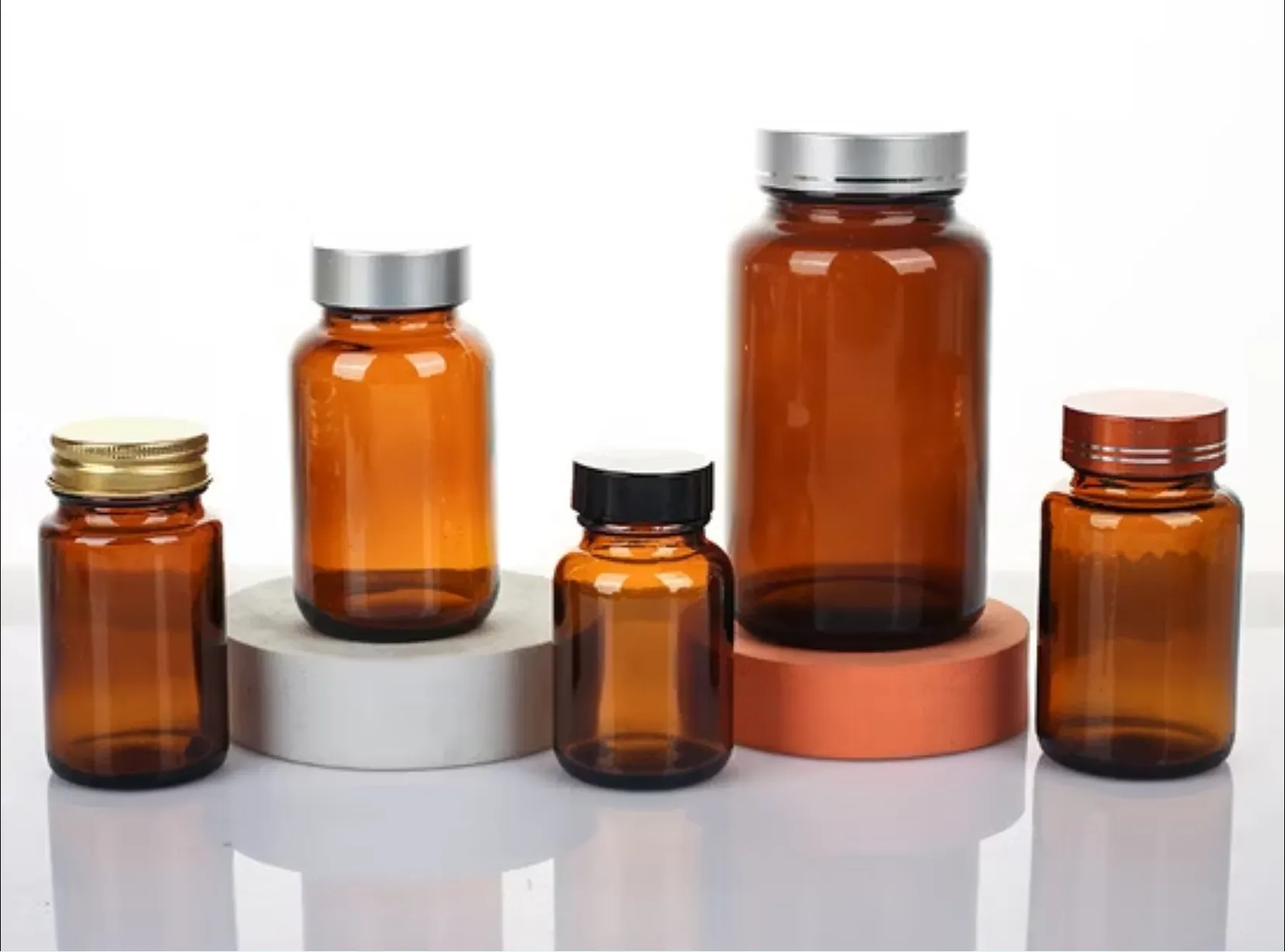
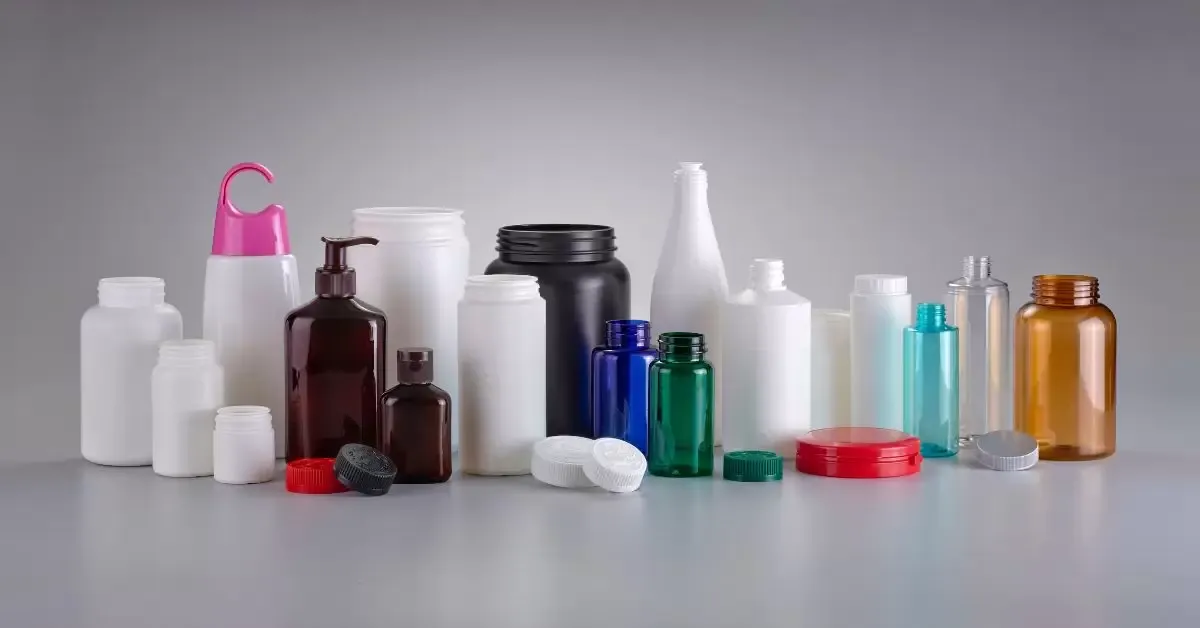
ISBM bottle manufacturing offers two practical routes to UV protection. The first is the use of UV-absorbing additives incorporated into the PET resin before injection — these additives absorb photons in the UV range and dissipate the energy harmlessly as heat, providing integrated UV protection without requiring a secondary coating or label. UV-absorbing PET additives can achieve >95% UV blocking below 380 nm while maintaining high visible light transmission — allowing the consumer to view the product inside while protecting it from damaging radiation. The second route is amber or colored PET, which uses organic colorants incorporated into the resin to achieve both UV and visible light blocking. Amber PET for pharmaceutical use is fully compatible with the ISBM process and provides broad-spectrum light blocking in a format that is visually recognizable as a pharmaceutical protection signal to pharmacists and patients alike.
Chemical Compatibility Between PET and Pharmaceutical Formulations Over Time
Chemical compatibility between the container and the drug product is a non-negotiable requirement in pharmaceutical primary packaging selection. The concern is two-directional: extractables from the container can migrate into the drug product (potentially degrading the API or introducing toxic compounds); and drug product components — excipients, preservatives, active ingredients — can sorb into the container wall (reducing drug concentration or depleting preservative systems). Both phenomena are time- and temperature-dependent, which is why pharmaceutical stability protocols test at elevated temperature conditions (40 °C/75% RH for accelerated testing) to predict what will occur over a multi-year shelf life at ambient storage conditions.
PET’s chemical compatibility profile covers the majority of pharmaceutical formulation types. PET is resistant to aqueous solutions, most organic acid-based buffers, alcohols at concentrations below 40%, and a broad range of pharmaceutical excipients including glycols, surfactants, and preservatives at typical use concentrations. The polymer’s relatively low polarity limits the sorption of non-polar compounds but can result in some sorption of highly lipophilic APIs or fragrances from cosmetic formulations at the interface. For any pharmaceutical product intended for long-term storage in PET containers, extractables and leachables (E&L) studies must be conducted under ICH Q3E guidance — a process that begins with extractables profiling of the container material and concludes with targeted leachables monitoring in the actual drug product formulation during stability testing. The straightforward material composition of ISBM PET bottles — a single-component PET resin without coatings, adhesives, or multi-material interfaces — makes E&L characterization substantially simpler and faster than for multi-layer or coated packaging systems.
Container Closure Integrity Across a 24–36 Month Pharmaceutical Shelf Life
Container closure integrity (CCI) is the end-to-end performance characteristic that pharmaceutical regulators care about most in primary packaging — and it must be demonstrated not just at the time of filling, but throughout the product’s entire shelf life. Medicines experience a range of physical stresses during commercial distribution and storage: temperature cycling between cold storage conditions and ambient retail environments causes the bottle to expand and contract, potentially fatiguing the closure seal interface. Pressure differentials occur during air freight of pharmaceutical products between different altitudes. Mechanical shocks occur during transport. And the closure material itself — whether a polymer liner, a metal foil induction seal, or a silicone stopper — undergoes viscoelastic relaxation over time, which can progressively reduce the contact force against the bottle neck sealing surface.
The ISBM process contributes to long-term CCI performance through the dimensional stability of the neck finish over time. Because the neck finish is formed in the injection phase at a stable, amorphous or partially crystalline structure, it does not undergo the post-molding relaxation and shrinkage that can occur in necks formed in the stretch-blow phase. The neck finish geometry on an ISBM bottle produced today will be dimensionally identical to the geometry it had when first produced — there is no progressive dimensional change from polymer relaxation that could create a gap at the closure interface after six or twelve months of storage. This dimensional stability is particularly valuable for pharmaceutical products that spend extended periods in slow-moving distribution channels or in patient households before consumption, where the closure may not be retorqued after initial opening.
Stability Testing Standards for ISBM-Produced Pharmaceutical Packaging
ICH Q1A and Long-Term Stability Protocol Design
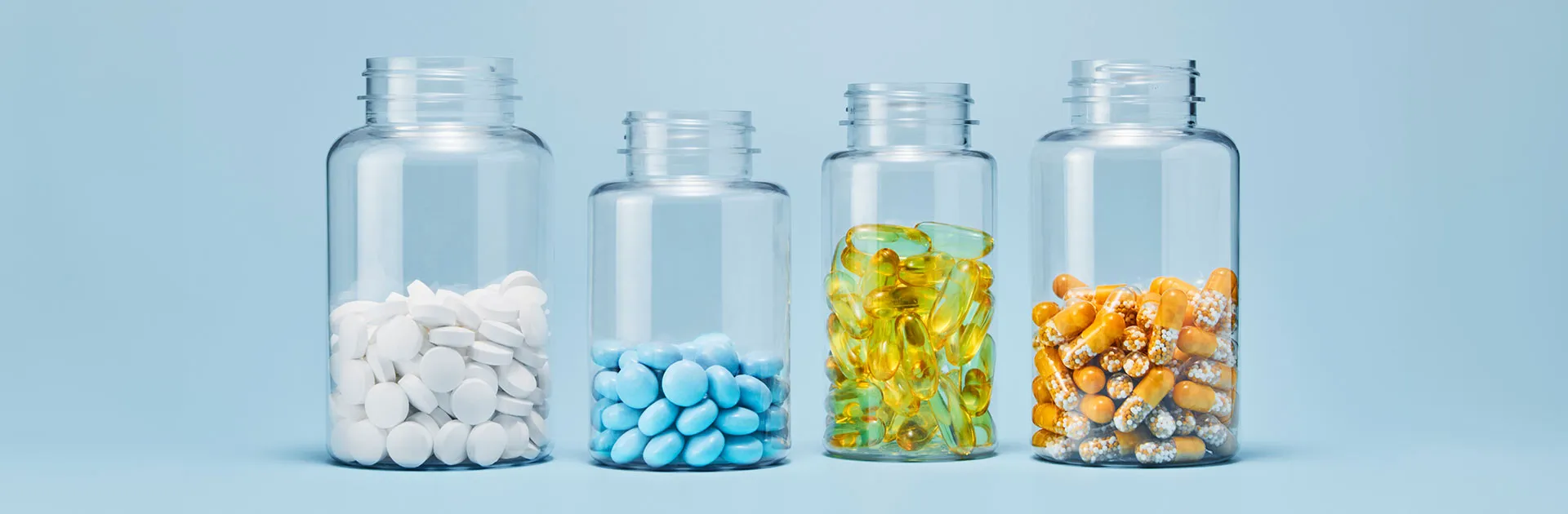
ICH Q1A (Stability Testing of New Drug Substances and Products) defines the international standard for pharmaceutical product stability testing protocols. For products intended for global markets — including Australian exports to Asia-Pacific and beyond — ICH Q1A stability studies must be conducted at three temperature/humidity condition sets: long-term (25 °C/60% RH for a minimum of 12 months), intermediate (30 °C/65% RH for 6 months), and accelerated (40 °C/75% RH for 6 months). All testing must be conducted in the actual commercial packaging configuration — specifically the ISBM bottle with its commercial closure — because the packaging system’s performance at these conditions is what the stability data is demonstrating, not the inherent stability of the drug substance in isolation. A drug product that passes accelerated testing in its ISBM PET packaging at 40 °C/75% RH for 6 months can reasonably project a 24–36 month shelf life at its intended storage condition, subject to the degradation kinetics observed in the accelerated data.
Container-Specific Stability Testing Requirements
Beyond ICH Q1A product stability, pharmaceutical containers must also be tested to pharmacopoeia material standards. For ISBM PET bottles, this includes: (1) USP <661> testing of the PET container material itself for compliance with the standard’s chemical resistance and extractables requirements; (2) USP <671> moisture permeation testing to classify the container in Classes A, B, or C; (3) USP <1207> container closure integrity testing using one or more validated methods appropriate for the container and closure combination; and (4) extractables and leachables studies under ICH Q3E guidance for the specific drug product and container combination. The ISBM process simplifies this testing burden because the material composition of an ISBM PET bottle is fully characterizable from a known resin formulation — there are no unknown coating materials, adhesives, or multi-layer interfaces that would complicate extractables identification.
Temperature Cycling Durability and Physical Integrity in Distribution
Pharmaceutical products traveling from manufacturing facility to export market, through customs storage facilities, local distribution warehouses, and retail pharmacies, routinely experience temperature variations that can span from below 5 °C (cold chain storage for temperature-sensitive products) to above 40 °C (in inadequately cooled vehicles or storage facilities in tropical climates). Each temperature cycle subjects the ISBM bottle and its closure to expansion and contraction, creating stress at the closure seal interface. The biaxially oriented PET wall of an ISBM bottle has superior dimensional stability under temperature cycling compared with amorphous PET or polyolefin containers, because the molecular orientation restricts the coefficient of thermal expansion in the bottle body. This lower thermal expansion means the bottle changes dimensions less per degree of temperature change, reducing the mechanical stress imposed on the closure seal during temperature excursions and extending the effective CCI performance over the product’s distribution life.
For Australian pharmaceutical exporters supplying tropical markets across Southeast Asia and the Pacific, where temperature and humidity conditions are considerably more challenging than the WHO Zone IVb climate classification that many Australian regulatory submissions now require stability data to cover (30 °C/75% RH long-term, 40 °C/75% RH accelerated), the proven performance of ISBM PET bottles in demanding climatic conditions provides a reliable foundation for product registration. The consistent material quality and dimensional precision that the ISBM process delivers from batch to batch means that stability data generated on one batch of bottles is representative of all future production batches — a critical assumption that the ISBM process’s low variance manufacturing makes defensible to regulators.
Engineering Long-Term Pharmaceutical Shelf Life? Let’s Talk.
Australia Ever-Power’s technical team supports pharmaceutical manufacturers in designing and validating ISBM packaging systems that meet ICH, TGA, USP, and WHO climate zone stability requirements for 24–36 month shelf lives.
Fully Servo One-Step Injection Stretch Blow Molding Machine — HGYS150-V4-EV
For pharmaceutical manufacturers requiring containers with validated long-term barrier performance, the HGYS150-V4-EV delivers the process control needed to produce ISBM PET bottles with consistent orientation levels and wall thickness uniformity across every production batch. The fully servo stretch rod enables precise, repeatable stretch ratios that directly control the degree of biaxial molecular orientation achieved in the bottle wall — the fundamental determinant of MVTR and OTR performance. Consistent orientation from batch to batch means consistent barrier performance from batch to batch, making stability data generated on qualification batches genuinely representative of all subsequent commercial production. Programmable UV-absorbing resin compatibility ensures the machine can process the full range of pharmaceutical PET grades, including amber and UV-blocking formulations, without process modification. With recipe management and electronic batch recording, the HGYS150-V4-EV provides complete production traceability for pharmaceutical product registration submissions worldwide.