Ophthalmic Packaging: Why Eye Drop Bottles Require Specialist Production Technology
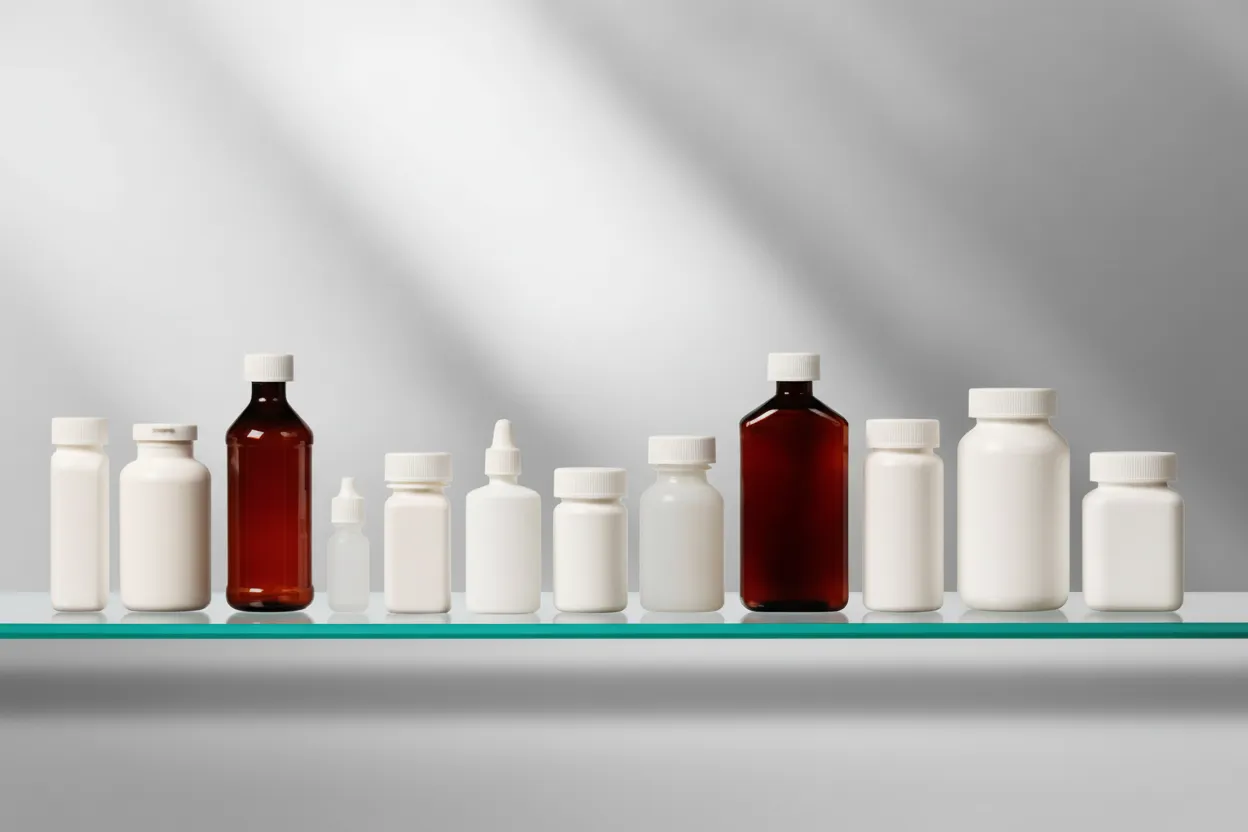
Eye drop bottles are among the most technically demanding small-format pharmaceutical containers in clinical use. They must dispense a drop of defined volume (nominally 25–50 µL) every time the patient squeezes the bottle — with sufficient precision that the patient receives the labelled dose without flooding the ocular surface (which would cause reflex tearing that washes away the drug before absorption) or underdosing (which reduces therapeutic efficacy). They must prevent microbial contamination of the ophthalmic solution through any pathway — including the dropper tip, which is placed in close proximity to the patient’s eye during administration. They must be usable by patients with reduced visual acuity (who are trying to apply the drop while barely able to see) and reduced hand strength (elderly patients and those with conditions such as glaucoma where the patient population skews older). And they must be light and portable enough for patients to carry and use outside the home.
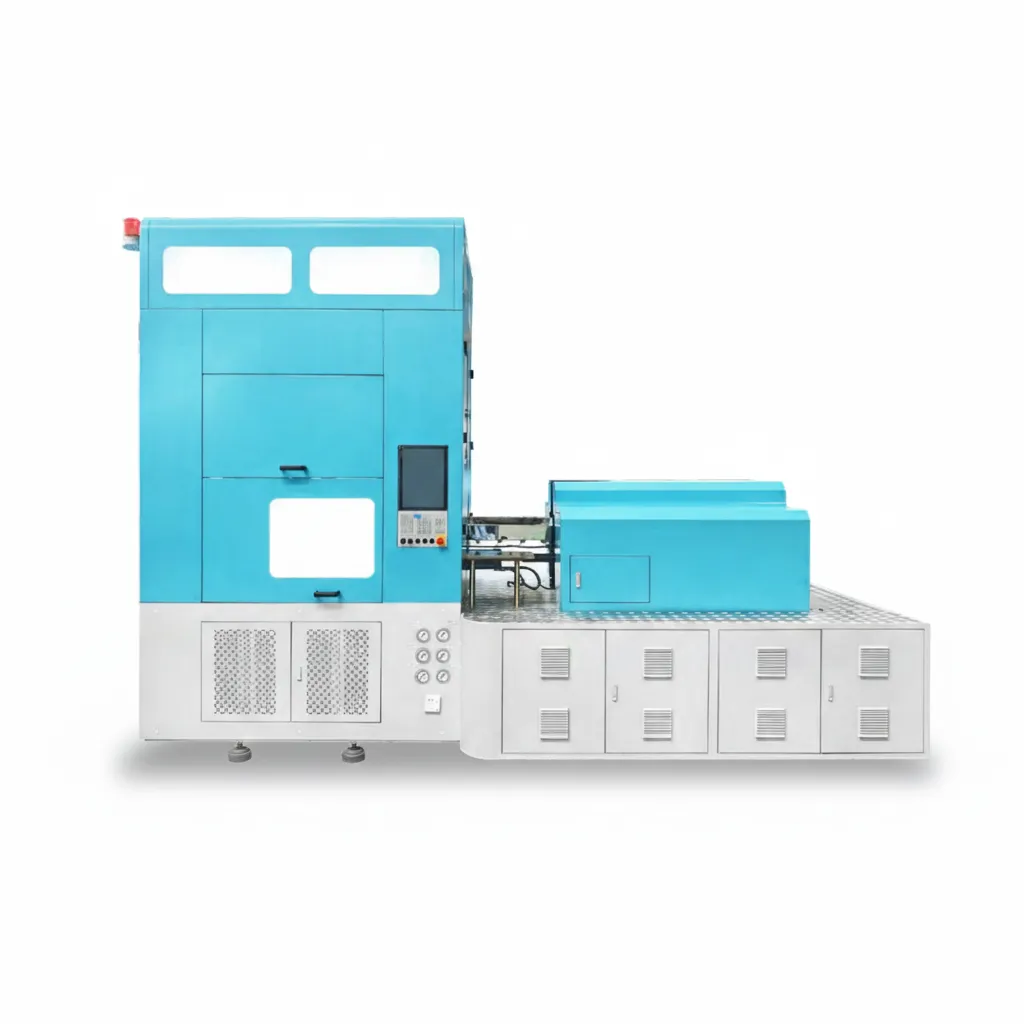
の 射出延伸ブロー成形機 addresses this complex brief through its ability to produce the precise dropper tip geometry, controlled bottle wall flexibility for drop dispensing, and pharmacopoeial-grade material properties that ophthalmic packaging requires — in a production process that is both consistent enough for pharmaceutical quality assurance and efficient enough for the high-volume ophthalmic market.
Australia Ever-Power Injection Stretch Blow Moulding Machine Co., Ltd, Condell Park NSW 2200, provides ophthalmic pharmaceutical manufacturers and eye care product developers with ISBM machine technology and pharmaceutical application engineering support focused on the specific requirements of ophthalmic container production for the Australian TGA-regulated market.
Drop Volume Precision: Engineering the Dropper Tip for Consistent Ophthalmic Dosing
The nominal drop volume of an eye drop bottle is determined by a combination of the dropper tip orifice diameter, the orifice geometry (sharp-edge versus rounded-edge exit), the surface energy of the tip material, and the liquid’s surface tension and viscosity. For a standard ophthalmic formulation (aqueous, viscosity 1–5 cP, surface tension 45–65 mN/m) and a standard sharp-edge LDPE or PETG dropper tip at the ISO 8362-compliant orifice diameter (0.28–0.32mm), the nominal drop volume is approximately 30–40 µL — consistent with the ISO 11040 ophthalmics guideline range and widely accepted by prescribers as the clinical standard for ophthalmic medication dosing.
Orifice Geometry Control in ISBM Production
The dropper tip orifice in ISBM eye drop bottles is formed during the injection moulding phase of the one-step process — the orifice geometry is machined into the injection neck insert and is reproduced by injection moulding to the same tolerances as any other injection-moulded component: ±0.02–0.03mm on the orifice diameter for a well-maintained injection insert. This tolerance level is significantly tighter than any forming or stretching process that applies force to a plastic neck to create an orifice, and produces the drop volume reproducibility that consistent ophthalmic dosing requires. Orifice diameter consistency across production cavities is confirmed during production qualification by measuring the orifice of each cavity’s output using a calibrated optical microscope or contact measurement system, and confirmed through drop volume testing on the production ophthalmic formulation under standardised dispensing conditions.
Squeeze Force and Drop Dispensing Mechanics
The patient’s ability to reliably dispense a single drop depends not just on the orifice diameter but on the bottle’s squeeze compliance — the force required to deform the bottle body sufficiently to generate the internal pressure spike that expels a drop. Too stiff, and patients with reduced hand strength (a significant proportion of the glaucoma patient population that represents the largest ophthalmic drop user group) cannot generate a single drop without excessive effort. Too flexible, and gentle handling of the bottle during transport or storage causes inadvertent drop expulsion. The optimal squeeze compliance for a standard 5ml ophthalmic bottle is a squeeze force of 4–10N at a deformation of 2–3mm, which ISBM wall thickness and orientation engineering can achieve through preform design optimisation targeting the specific body wall thickness profile for the desired compliance.
Single-Dose Unit Dispensers for Preservative-Free Formulations
The growing segment of preservative-free ophthalmic formulations — products where the preservative system has been removed to reduce ocular surface toxicity in patients with sensitive eyes or those requiring long-term multiple-drop-per-day therapy — uses single-dose unit dispensers (SDUDs) as the primary packaging format. A SDUD contains a single administration dose (0.4–0.6ml) in a minims-format twist-off container, and is used once and discarded — eliminating the need for a preservative system because each container is used only once and the risk of contamination between uses is zero. ISBM produces SDUD containers with the precise twist-off neck geometry (defined fracture force at the twist-off score line, defined flow aperture after opening) and the very small internal volume that SDUDs require, using injection-formed neck geometry to control the twist-off performance across 100% of production output.
Anti-Contamination Design for Multi-Dose Ophthalmic Bottles
Multi-dose ophthalmic bottles — used over a period of 4–6 weeks from opening — face the contamination challenge that is the primary driver of preservative system use in ophthalmic products. After each dose administration, the dropper tip is in proximity to the ocular surface (a contaminated environment relative to a sterile ophthalmic solution), the cap is replaced and the bottle is stored, and at the next use the cap is removed again. Any contamination that entered the dropper tip zone between uses is at the orifice of the bottle and could be introduced to the eye on the next administration. The design of the dropper tip and cap system is the primary engineering control for preventing this contamination pathway.
Dropper Tip Shield Design
The dropper tip shield — the cap’s internal geometry that surrounds and seals the dropper tip when the cap is engaged — must create a clean, sealed cavity around the tip between uses that prevents environmental microorganisms from accessing the orifice. The cap’s tip shield geometry interfaces with the bottle’s dropper tip external profile, and the ISBM dropper tip external dimensions must be within the cap manufacturer’s specification for the shield engagement. ISBM’s injection-formed dropper tip provides the dimensional consistency (external tip profile ±0.08mm) that reliable cap shield engagement requires across all production output.
Anti-Contamination Nozzle Extensions and Check Valves
Premium multi-dose ophthalmic systems use anti-contamination dropper nozzle extensions — extended tube geometries between the bottle interior and the dropper orifice — that create a longer, narrower pathway through which contamination must travel to reach the sterile solution. Some systems incorporate one-way check valves (small elastomeric valve elements at the orifice) that prevent liquid flowing back from the orifice into the bottle after drop dispensing, reducing the risk of backflush contamination. These extended nozzle and check valve geometries are specified as part of the bottle tooling design and must be confirmed through simulated-use contamination challenge testing — dispensing the specified number of doses from bottles contaminated at the tip zone with a defined bacterial challenge (typically 10⁵–10⁶ CFU/mL Staphylococcus epidermidis in a suspension applied to the exterior of the tip), then testing the remaining bottle contents for microbial contamination. This “in-use contamination test” is a TGA requirement for multi-dose ophthalmic products and validates the anti-contamination effectiveness of the ISBM bottle’s tip design at the specific product viscosity and surface tension.
Cap Design and Torque Specification
The ophthalmic bottle cap must provide both the tip shield protection and a reliable, consistent resealing action after each dose. The recapping torque specification — the force required to engage the cap fully — must be within the range achievable by patients with reduced hand strength (typically 4–8 N·cm maximum recapping torque). The bottle neck thread profile must engage the cap thread within this torque range while providing positive stop at the fully engaged position — confirmed through torque measurement testing on production containers with the commercial cap component from all production cavities.
Ophthalmic Formulation Compatibility and Material Extractables
Ophthalmic formulations have more stringent extractable tolerance requirements than oral pharmaceutical formulations because the ophthalmic route of administration bypasses the gastrointestinal barrier that absorbs and detoxifies many extractable substances before they reach systemic circulation. Ophthalmic drugs are absorbed directly through the corneal and conjunctival epithelia — any extractable compound from the container that is co-administered with the drug solution is directly absorbed into the anterior chamber and potentially into systemic circulation at levels that may be clinically significant for sensitive patient populations.
Toxicological Assessment for Ophthalmic Extractables
The extractables and leachables risk assessment for an ophthalmic PET ISBM container follows the PQRI guidance framework but applies a more conservative Threshold of Toxicological Concern for each compound — because the ophthalmic route bypasses first-pass metabolism, the TTC values for ophthalmic administration are lower than for oral administration. Antimony (from PET polymerisation catalyst), diethyl phthalate (from some masterbatch carrier resins), and certain antioxidant degradation products must be specifically assessed at ophthalmic contact conditions. Using pharmacopoeial-grade PET resin with antimony catalyst (confirmed low-antimony grade) and a masterbatch system specifically formulated for ophthalmic contact without phthalate carrier resins provides the cleanest starting point for the E&L risk assessment.
Benzalkonium Chloride Compatibility
Benzalkonium chloride (BAK) is the most widely used preservative in multi-dose ophthalmic products in Australia. BAK is a cationic surfactant that can interact with PET surfaces through electrostatic and hydrophobic mechanisms — potentially reducing the effective BAK concentration in the ophthalmic solution through adsorption onto the container wall. For ophthalmic products where the BAK concentration is near the minimum effective concentration for antimicrobial efficacy, this adsorption could compromise preservative efficacy and produce a multi-dose product that fails the Ph.Eur. Antimicrobial Preservative Effectiveness Test (A criteria for multi-dose ophthalmics). BAK compatibility testing — measuring BAK concentration in the solution at defined time points during a simulated in-use period — must be included in the container-closure system compatibility study for all BAK-preserved ophthalmic products in PET containers.
Viscosity-Modifying Polymer Compatibility
Many ophthalmic formulations use viscosity-modifying polymers — hydroxypropyl methylcellulose (HPMC), carbomers, sodium hyaluronate — to increase contact time on the ocular surface and improve comfort. These polymers are large molecules with high surface area and significant adsorption potential, and their interaction with PET surfaces at the concentrations used in ophthalmic formulations (typically 0.1–0.5% w/v) must be assessed through a simulated in-use study measuring polymer concentration at multiple time points over the container’s labelled use period. Concentration depletion through adsorption that exceeds the polymer specification tolerance would affect the product’s viscosity and contact-time performance — potentially altering the clinical efficacy and comfort of the ophthalmic product.
TGA Registration Requirements for Ophthalmic PET Containers
TGA registration of an ophthalmic pharmaceutical product in a PET ISBM container requires the pharmaceutical submission dossier (CTD format, Module 3) to include comprehensive container-closure system documentation that addresses the specific ophthalmic route requirements beyond the standard pharmaceutical container-closure submission. The ophthalmic-specific additions to the standard CCS documentation are driven by the direct ocular contact with every dose and the associated toxicological and microbial safety requirements.
💧 Drop Volume Data
Drop volume measurement data on production containers with the commercial ophthalmic formulation at defined dispensing angle and squeeze speed. Must confirm that 95% of drops fall within ±20% of the nominal volume (typically 30–40 µL for standard ophthalmic orifice). Results from all production cavities individually documented.
🦠 In-Use Contamination Test
Challenge test demonstrating the dropper tip design prevents contamination under simulated-use conditions. Conducted on production containers with commercial formulation, commercial cap, and defined bacterial challenge. Ph.Eur. 5.1.3 test methodology for multi-dose ophthalmic containers.
🧪 Preservative Efficacy
Antimicrobial Preservative Effectiveness Test (Ph.Eur. 5.1.3) conducted on the commercial formulation in the production container after simulated in-use period. Confirms that BAK or other preservative concentration is maintained above the minimum effective concentration throughout the container’s labelled use period.
🔬 Ocular Extractables Safety
Ophthalmic-route-specific extractables toxicological assessment applying ocular TTC values rather than oral TTC values. Specific attention to antimony, phthalates, and preservative-interacting compounds. Must confirm no compound exceeds its ocular TTC at the dose delivered per drop administration over the labelled dosing frequency.
ISBM Production Configurations for Ophthalmic Bottle Manufacturing
Ophthalmic eye drop bottles are small-format, high-precision pharmaceutical containers produced in a volume range — from 2.5ml unit-dose minims through 10ml standard multi-dose formats — where ISBM provides the production efficiency and dimensional precision advantage over alternative manufacturing approaches. The production volumes in the ophthalmic sector span from small-scale clinical trial supply through high-volume generic ophthalmic production, and the ISBM machine configuration must match the specific volume and format requirements of the operation.
Small-Format Ophthalmic ISBM: 2.5ml–10ml Formats
Standard multi-dose ophthalmic formats (5ml and 10ml) and single-dose SDUD minims formats (0.4ml–0.6ml) are produced on ISBM machines with preform weights of 2–12g and specialised small-format tooling. The production challenge for these very small formats is maintaining wall thickness uniformity at very low preform weights — the stretch ratio from a small preform to a 10ml ophthalmic bottle is high, and uneven stretch produces wall thickness variations that affect both the bottle’s squeeze compliance and its orifice dimensional stability during squeeze dispensing. Preform design for small-format ophthalmic bottles requires particular attention to the preform wall thickness distribution and the conditioning temperature profile across the preform’s short length to ensure uniform stretch across the full bottle height.
High-Cavity Production for Ophthalmic Generic Manufacturing
Generic ophthalmic pharmaceutical manufacturers producing high volumes of standard ophthalmic formats (glaucoma drops, antibiotic eye drops, lubricant eye drops) require production rates of 3,000–8,000 BPH on ophthalmic container formats to meet the filling capacity of standard pharmaceutical filling lines. Four-cavity ISBM tooling on a well-configured machine achieves these rates for standard 5ml and 10ml ophthalmic formats, with the full multi-cavity dimensional qualification programme confirming that all four cavities simultaneously produce containers within the ophthalmic-grade specification — particularly the orifice diameter and dropper tip profile dimensions that determine drop volume performance.
Sterility and Cleanliness for Ophthalmic Container Production
Ophthalmic pharmaceutical products are classified as sterile preparations under TGA regulations — they must be produced under aseptic manufacturing conditions or terminally sterilised (where the product and container are sterilised together after filling and sealing). For ophthalmic products using preservatives (BAK-preserved multi-dose), terminal sterilisation by filtration and aseptic filling is the standard manufacturing approach — the drug product is sterile-filtered and filled aseptically into sterilised containers in an ISO Class 5 filling environment. The ISBM container must arrive at the filling facility in a condition that supports the aseptic fill process — either pre-sterilised (by the container manufacturer) or capable of being sterilised at the filling facility before use.
Pre-sterilised ISBM ophthalmic containers (sterilised by gamma irradiation at the container manufacturer, then double-bagged in sterile outer packaging for aseptic transfer to the filling clean room) offer the most straightforward integration into pharmaceutical aseptic filling lines because the filling operation receives a container already at the required sterility level without needing to run a container sterilisation step in-house. The container manufacturer’s gamma irradiation sterilisation programme must be validated per ISO 11137 and the validated SAL (10⁻⁶) confirmed on production container batches from the commercial manufacturing process.
For ophthalmic container ISBM producers supplying pre-sterilised containers, the production environment classification (ISO Class 7 or 8 for container production before sterilisation), the bioburden monitoring programme confirming production bioburden within the validated dose-setting specification, and the post-sterilisation double-bagging and sealing process for sterile transport must all be validated and documented as part of the pharmaceutical GMP quality system at the container manufacturing site. Contact [email protected] to discuss the specific ophthalmic container sterility programme for your ISBM production operation.
Ophthalmic Container Design Innovations: Preservative-Free and Specialty Formats
The ophthalmic pharmaceutical market is undergoing a significant shift toward preservative-free formulations, driven by evidence that repeated exposure to BAK preservative causes ocular surface toxicity and contributes to dry eye disease progression — particularly relevant for glaucoma patients who may require three or more separate ophthalmic medications per day for life. Preservative-free ophthalmic packaging represents a growing segment where innovative container designs provide the contamination protection that preservatives normally supply, through packaging engineering rather than chemical means.
ISBM-producible anti-contamination multi-dose container designs for preservative-free ophthalmics include: positive-pressure nitrogen-flushed containers (the container headspace is nitrogen-flushed to positive pressure, preventing atmospheric contamination from entering through the orifice between doses); hermetically sealed tip containers with a sterile filter membrane at the orifice (preventing microorganism entry while allowing liquid dispensing); and blow-fill-seal minims formats produced by a blow-fill-seal process that is closely related to ISBM but specifically configured for the aseptic fill of individual unit-dose minims at the point of blow production — ensuring sterility without terminal sterilisation.
The combination of ISBM’s dropper tip dimensional precision, controlled squeeze compliance for reliable single-drop dispensing, and compatibility with clean-room production and gamma sterilisation makes it the preferred production platform for the Australian ophthalmic market’s transition to preservative-free formats. Australian ophthalmic manufacturers investing in ISBM capacity for standard BAK-preserved products are simultaneously positioning themselves for the growing preservative-free segment — the same machine platform, with modified tooling specifications and production environment enhancements, serves both markets.
Sustainability in Ophthalmic Packaging: rPET and Lightweighting in an Ocular-Safety Context
Sustainability programmes for ophthalmic packaging face the same regulatory constraints as other pharmaceutical applications — changes to the registered container-closure system require TGA variation — but also face the additional constraint that the extractable safety assessment must be conducted against the more stringent ophthalmic-route TTC values. These constraints mean that rPET introduction into ophthalmic containers requires a more extensive E&L reassessment than for standard oral pharmaceutical containers, particularly because rPET’s wider NIAS variability means that the extractable profile may include compounds not present in virgin PET, and these must be assessed at ophthalmic contact conditions.
For ophthalmic packaging operations considering rPET, the practical pathway is to: identify a certified food-contact rPET supply chain with documented challenge decontamination validation; conduct an extraction study on rPET containers (using stressed extraction conditions) to identify the NIAS profile specific to the certified rPET grade; assess each identified NIAS compound against the ophthalmic-route TTC to confirm no compound exceeds its limit at the ophthalmic dose exposure; and include the rPET-specific extractables data in a TGA variation submission supporting the container change. This pathway is more extensive than the oral pharmaceutical rPET pathway but is achievable for rPET content levels of 25–30% from certified food-contact supply chains.
Lightweighting — reducing preform weight within the validated container-closure system specification — is typically the lower-risk sustainability intervention for ophthalmic containers, as minor weight reduction that does not change critical dimensions (orifice diameter, dropper tip profile, body squeeze compliance, neck finish dimensions) can be assessed as a minor manufacturing variation rather than a design change, with internal verification testing rather than a TGA variation in most cases. The regulatory advice of a TGA-experienced regulatory consultant should always be sought before implementing any sustainability change to a registered ophthalmic pharmaceutical container.
Ever-Power’s Ophthalmic ISBM Development Support
Australia Ever-Power provides ophthalmic pharmaceutical manufacturers with specialist ISBM technical support for eye drop bottle development — combining machine supply with the pharmaceutical application engineering and regulatory documentation support that ophthalmic container TGA registration requires. The support programme includes dropper tip geometry design and orifice diameter optimisation for the target formulation’s drop volume, squeeze compliance engineering for the patient population’s hand strength range, BAK compatibility testing programme design, in-use contamination test protocol development, and the container-closure system IQ/OQ/PQ validation programme documentation that ophthalmic TGA submissions require.
The ophthalmic packaging market in Australia — served by both multinational pharmaceutical companies producing branded and generic ophthalmic products and a growing cohort of Australian-owned ophthalmic pharmaceutical manufacturers — offers a commercially significant local ISBM production opportunity for container manufacturers able to meet the sector’s pharmaceutical-grade production and documentation standards. Ever-Power’s Condell Park NSW location provides the local engineering support that ophthalmic container qualification programmes require.
Visit isbm-technology.com/contact-us or contact the team at [email protected] to discuss your ophthalmic container ISBM project with Australia’s local ISBM pharmaceutical packaging specialist.
推奨機種
HGYS150-V4 — Four-Station ISBM for Ophthalmic Bottle Production
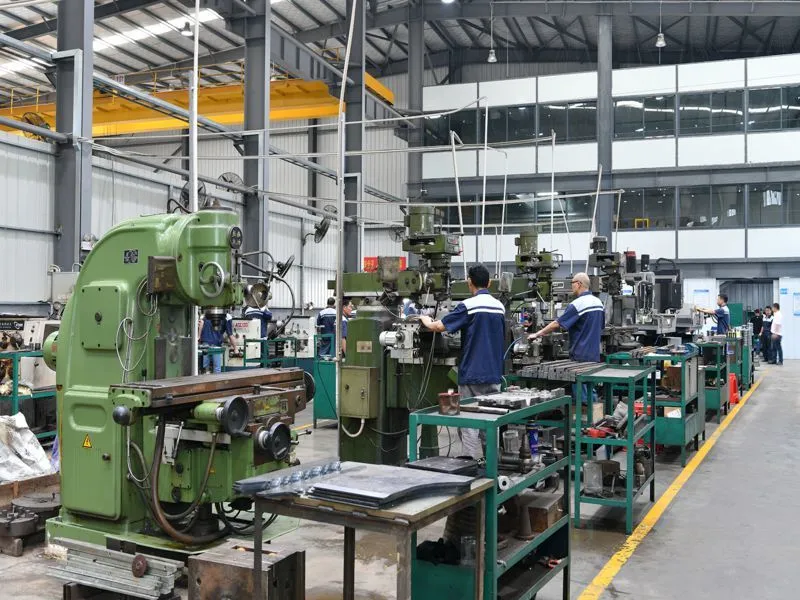
For ophthalmic eye drop bottle production requiring the dropper tip injection precision, controlled squeeze compliance, and pharmaceutical GMP traceability that ophthalmic TGA registrations demand, the HGYS150-V4 four-station one-step ISBM machine provides the production platform appropriate for the ophthalmic pharmaceutical sector. Its four-station rotary design delivers consistent cavity-to-cavity process uniformity across all production cavities — critical for ophthalmic drop volume consistency where all cavities must simultaneously produce orifice diameters within the ±0.02mm tolerance that defines the drop volume specification. The machine’s injection neck forming system achieves the orifice dimensional consistency that standardised ophthalmic dosing requires, confirmed through the multi-cavity orifice measurement protocol that ophthalmic container qualification demands. PLC process logging with audit-trail recipe management supports the pharmaceutical GMP batch record and change control documentation requirements. Available in servo-electric upgrade configuration for ophthalmic operations requiring oil-free architecture. Processes pharmacopoeial-grade PET and LDPE/PETG across the 0.4ml SDUD minims format through 15ml ophthalmic multi-dose formats.