Breast Milk Storage: Where Infant Nutritional Science Meets Precision Container Engineering
Breast milk storage containers are used in two distinct and equally important contexts: hospital neonatal intensive care units (NICUs) where expressed breast milk from mothers of premature and critically ill neonates is collected, stored, and administered as a prescribed medical nutritional intervention; and the home and community setting where breastfeeding mothers express and store milk for later infant feeding. In both contexts, the container is a critical component of a nutritional chain whose integrity directly affects infant health outcomes — contamination, lipid degradation, protein denaturation, or bacterial growth in stored breast milk translates to reduced nutritional value, potential infection risk, or both for the most vulnerable infant population.
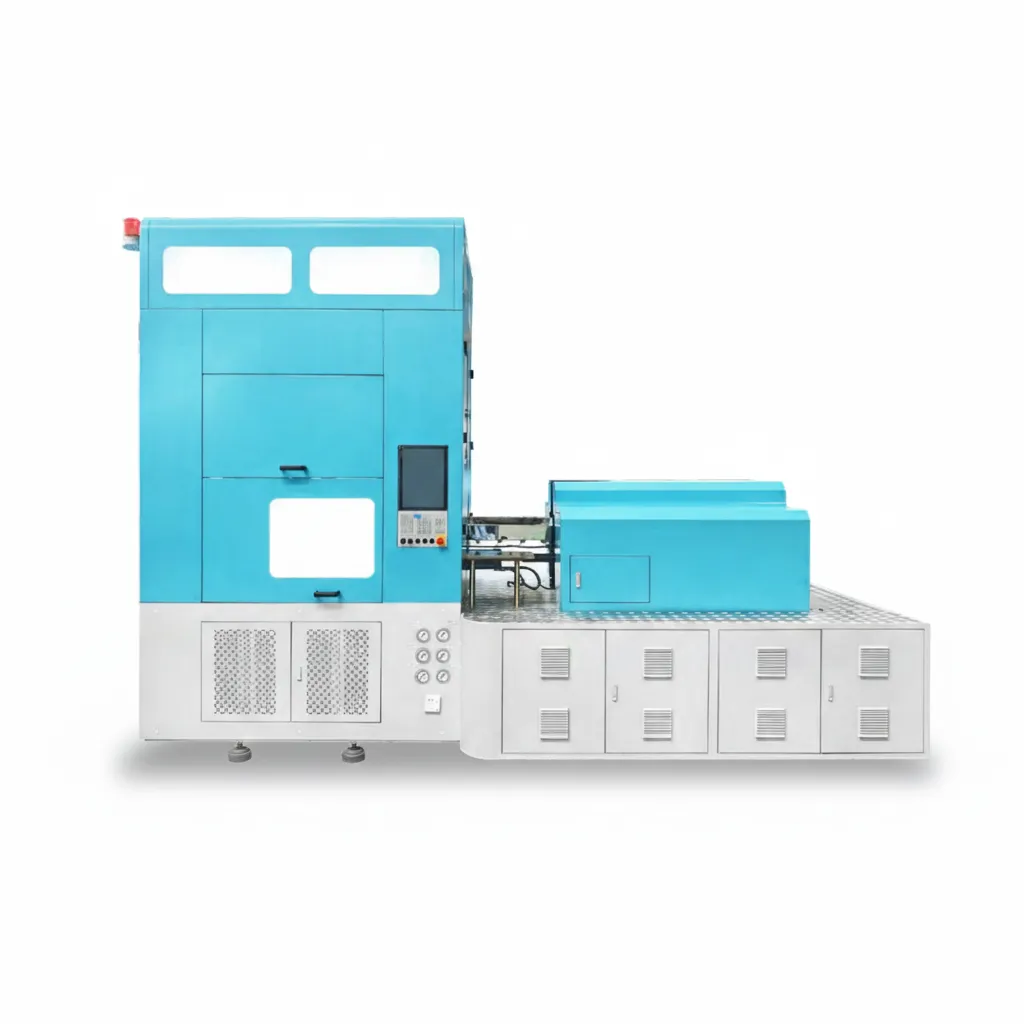
O máquina de moldagem por injeção, estiramento e sopro produces breast milk storage bottles that meet the food-contact safety standards required for direct infant nutritional contact, the measurement accuracy needed for clinical neonatal NICU volume tracking, the contamination prevention design that limits bacterial growth risk during storage, and the temperature compatibility that covers both refrigerated short-term storage and freezing for extended storage. This guide covers the specific technical requirements of breast milk storage containers for both hospital and home applications in the Australian market.
Australia Ever-Power Injection Stretch Blow Moulding Machine Co., Ltd, based in Condell Park NSW 2200, works with maternal health product manufacturers and neonatal healthcare suppliers on ISBM bottle solutions for the breast milk storage sector in Australia and the Asia-Pacific region.

Food-Contact Safety Standards for Direct Infant Nutritional Contact
Breast milk storage containers are food-contact articles under Australian food law (Food Standards Australia New Zealand Standard 1.4.1) and are concurrently regulated as therapeutic goods when used in clinical neonatal settings (as medical devices under the TGA Medical Devices Regulations). The material safety requirements for breast milk storage containers — direct contact with the highest-priority infant nutritional fluid — are the most stringent in the food-contact and infant product category.
BPA-Free Certification: The Baseline Consumer and Clinical Requirement
Bisphenol A (BPA) — an estrogenic endocrine disruptor — was historically present in polycarbonate (PC) food containers before PC breast milk bottles were withdrawn from the market in Australia following FSANZ and international regulatory action. PET is inherently BPA-free — polyethylene terephthalate does not use BPA as a monomer, catalyst, or processing additive. This is an inherent property of the PET polymer chemistry, not a product treatment or additive removal process. PET ISBM breast milk bottles carry an honest and substantiatable BPA-free claim without any additional treatment or testing — the raw material chemistry precludes BPA presence. For Australian breast milk storage product manufacturers, the BPA-free claim is a commercial necessity for retail positioning and a clinical requirement for hospital supply procurement specifications. ISBM PET provides this claim reliably, confirmed by the PET resin manufacturer’s product specification and, where required, analytical verification of the finished container.
FSANZ Standard 1.4.1 Compliance for Infant Food Contact
FSANZ Standard 1.4.1 Contaminants and Natural Toxicants sets the maximum permitted levels for contaminants in food, including the migration limits for substances from packaging materials into food. For direct infant food contact applications, Australian food law requires that packaging materials not transfer substances to the food at levels that would constitute a food safety hazard or adulterate the food in a manner that could harm the infant’s health. PET from pharmacopoeial-grade or food-contact-grade resin processed through ISBM within controlled production parameters meets FSANZ Standard 1.4.1 for all principal PET migration concerns (AA, antimony, ethylene glycol) at the levels applicable to breast milk contact — confirmed through the food contact migration assessment that uses the actual breast milk composition as the contact medium rather than aqueous simulants, because breast milk’s complex lipid, protein, and carbohydrate composition creates a different migration environment than simple aqueous food simulants.
Absence of Phthalates and Other Endocrine-Disrupting Additives
Breast milk storage containers for infant use must be free from phthalate plasticisers, bisphenol compounds, and any other additives with endocrine-disrupting potential that could partition into breast milk during storage. Standard pharmaceutical-grade and food-grade ISBM PET masterbatch systems formulated for infant food contact exclude phthalate carrier resins (unlike some industrial pigment systems that use DEHP or DBP as carrier resin plasticisers), bisphenol-containing curing agents, and antimony catalyst residues above food-safe levels. The masterbatch technical data sheet for any breast milk storage container masterbatch must specifically confirm: no phthalates detected above the analytical detection limit; BPA not detectable; and antimony migration below 0.04 mg/kg (the European food contact migration limit for antimony, which is more stringent than the Australian standard and is the appropriate reference for infant food contact applications).
Measurement Accuracy for NICU Clinical Volume Tracking
In the neonatal intensive care unit, expressed breast milk is prescribed by the neonatologist in millilitre volumes per feeding — a 28-week premature neonate receiving 1ml/hour continuous enteral nutrition is receiving a dose where the distinction between 0.9ml and 1.1ml is clinically significant to the neonate’s fragile metabolic balance. Volume measurement accuracy in the breast milk storage bottle directly affects the clinical precision of NICU enteral nutrition management.
Embossed Volume Graduation Accuracy
NICU breast milk storage bottles carry embossed volume graduations from 0 to the bottle’s nominal capacity (typically 60ml, 80ml, or 150ml) in 5ml or 10ml increments. These graduations must be accurate to ±5% of the indicated volume — a ±3ml accuracy specification for a 60ml bottle. The embossed graduation accuracy is a direct function of the ISBM container’s internal volume consistency at each graduation level — determined by the preform design (which governs internal wall thickness distribution and therefore internal volume), the blow parameters (which set the degree of stretch and therefore the final internal geometry), and the production parameter consistency (which maintains the internal volume from one production cycle to the next). ISBM’s internal volume consistency (±1% fill capacity variation across production cavities) provides the volume accuracy foundation for the embossed graduation system — confirmed through fill-to-graduation testing on a representative production sample from all cavities during qualification.
Optical Clarity for Graduation Visibility
NICU nurses and lactation consultants read the breast milk volume at the graduation marks while the bottle is in use — through the optically clear body panel of the ISBM container. Haze in the container body that obscures the liquid meniscus at the graduation marks, or wall thickness variation that creates optical distortion of the meniscus, reduces the effective reading accuracy of the graduation system. ISBM breast milk storage bottles should specify haze ≤ 1.5% on the body graduation panel (the portion of the body carrying the volume marks) and wall thickness variation ≤ ±0.05mm through the graduation zone. These optical and dimensional specifications ensure that the graduation marks are clearly readable against the breast milk meniscus from the reading angles used in clinical NICU volume assessment.
Patient Identification Integration
NICU breast milk safety protocols require every bottle of stored breast milk to be clearly identified with the donor mother’s name, the infant’s name and unit number, the date and time of expression, and any relevant storage or handling instructions. ISBM bottles for NICU breast milk storage must provide an adequate flat label zone (separate from the graduation panel to avoid overlap) for the patient identification label — typically a 40mm × 60mm minimum flat panel at a defined position on the bottle body for a standard NICU patient label format. ISBM’s label panel geometry (±0.20mm flatness, ±0.30mm width) ensures that automated or manual patient identification label application produces a consistently flat, fully adhered label without edge lifting that could create cross-identification risk between bottles in the storage refrigerator.
Contamination Prevention: The Critical Safety Challenge for Breast Milk Storage
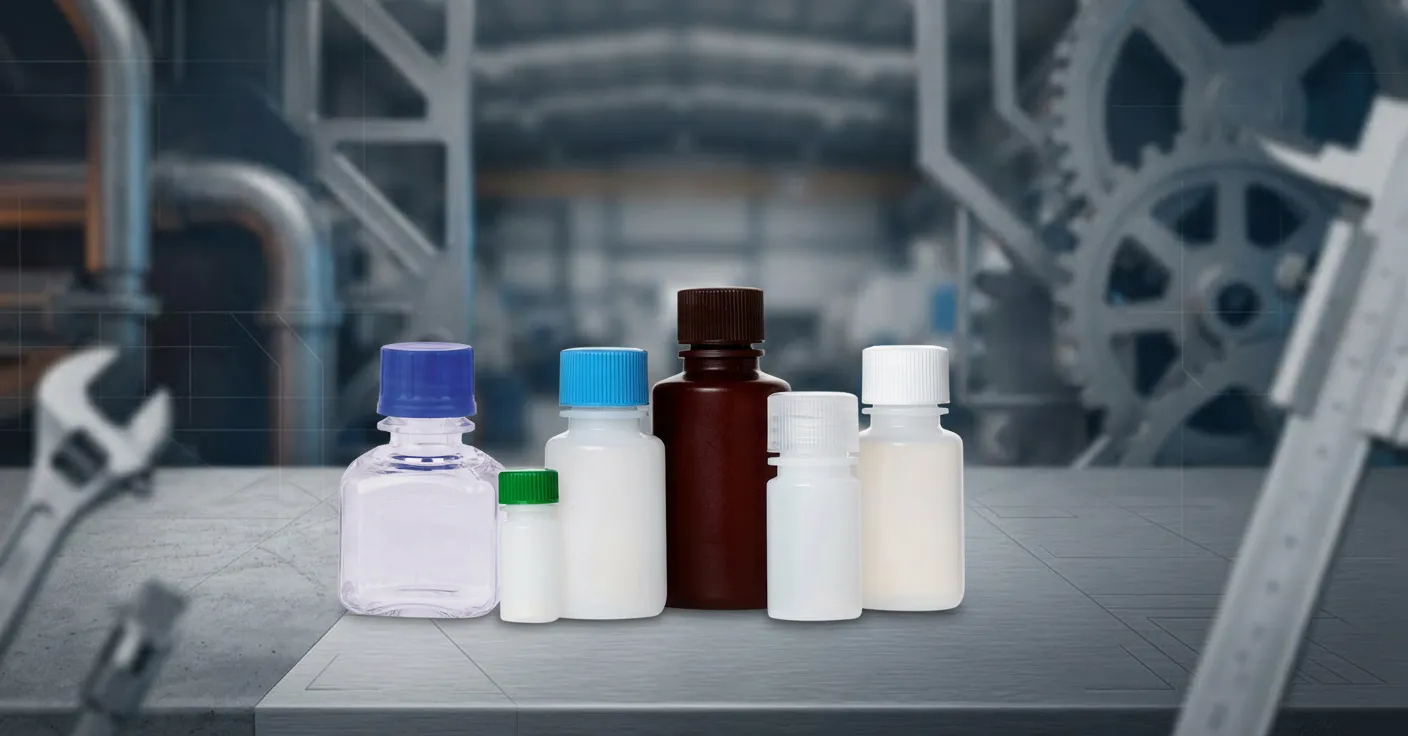
Microbial contamination of stored breast milk is the primary safety risk in breast milk storage management. Breast milk contains maternal antibodies, lactoferrin, and other antimicrobial factors that provide natural contamination resistance — but these biological defences are overwhelmed if contamination at expression is high, if storage conditions allow bacterial growth, or if the container contributes to contamination through inadequate sealing or reopening hygiene. For NICU-stored breast milk administered to immunocompromised preterm neonates, the consequences of bacterial contamination are severe — sepsis, meningitis, and necrotising enterocolitis (NEC) are documented outcomes from contaminated expressed breast milk administration. The container design must minimise contamination risk at every stage of the storage and use cycle.
Wide-Mouth Neck for Direct Expression and Easy Cleaning
ISBM breast milk storage bottles with wide-mouth neck formats (38mm–53mm) connect directly to standard breast pump flanges through a standardised adapter system, eliminating the intermediate transfer step between the pump collection container and the storage bottle — a step that introduces contamination risk at every pour transfer. Wide-mouth formats also enable complete cleaning and sterilisation of the bottle interior between uses (for reusable hospital NICU bottles) — the 38mm+ opening accommodates standard bottle brushes and allows visual inspection of the interior surface for residue. The ISBM injection-formed wide-mouth neck provides the dimensional consistency (bore roundness ±0.08mm) that the pump flange adapter engagement requires for leak-free collection, confirmed through pump compatibility testing with the major breast pump flange adapter sizes used in Australian NICUs (Medela, Philips Avent, Spectra).
Closure System for Contamination Barrier
The closure system for breast milk storage bottles must provide a contamination barrier from the moment the bottle is sealed through the storage period until administration. For single-use NICU bottles, an induction foil seal between collection and administration provides the hermetic contamination barrier and tamper-evidence confirmation that the clinical contents are uncontaminated between preparation and use. For reusable home-use bottles with screw caps, the cap’s internal silicone or polypropylene seal provides the contamination barrier during storage. The ISBM bottle’s sealing surface dimensions — flatness ±0.12mm, Ra ≤ 0.40 µm — provide the surface quality that both induction seal bonding (for single-use formats) and silicone cap seal engagement (for reusable formats) require for reliable contamination prevention.
Protein Non-Adsorption and Milk Fat Compatibility
Breast milk is a nutritionally complex emulsion containing 3.5–4.5% fat as very small lipid droplets, 0.8–0.9% protein (lactoferrin, immunoglobulins, casein, whey proteins), and lactose as the primary carbohydrate. Both the milk fat lipid droplets and the milk proteins can adsorb onto polymer surfaces during storage — lipid adsorption onto the container wall (creating a visible lipid film) reduces the fat content of the administered milk, which is clinically significant because breast milk fat provides approximately 50% of the neonate’s caloric intake. PET’s intermediate surface energy (between hydrophilic glass and hydrophobic polyolefins) provides relatively low milk fat and milk protein adsorption compared to HDPE or PP surfaces, and the breast milk’s own emulsification system (which stabilises the fat droplets) further reduces container surface adsorption. Confirmatory adsorption testing using expressed breast milk at refrigerated storage temperature over the clinical maximum storage period (72 hours for NICU, 6 months frozen for home storage) is conducted during container qualification to confirm that the container’s contribution to fat and protein loss is within the clinical significance threshold for the neonatal NICU patient population.
Freeze-Thaw Compatibility for Extended Breast Milk Storage
Expressed breast milk stored for extended periods — beyond the 4-day refrigerated storage guideline — is frozen at −18°C to −20°C for storage of up to 6 months (home freezer) or 12 months (deep freezer at −80°C). The breast milk storage container must maintain physical integrity and seal performance through the freeze-thaw cycle — freezing, storage at −18°C, thawing in a warm water bath at +37°C for clinical use, and potentially partial use with re-refrigeration for the remainder of the bottle contents for the next feeding.
Volume Accommodation for Freezing Expansion
Water expands approximately 9% in volume when it freezes — a 60ml bottle filled to the 60ml graduation mark and frozen will experience expansion that must be accommodated within the bottle volume or the bottle will be under internal compression from the frozen contents pressing against the closure. ISBM breast milk storage bottles must be used with an appropriate headspace above the fill line — the Australian Breastfeeding Association guideline of filling the bottle to no more than three-quarters capacity (75% fill limit, 25% headspace) provides the volume margin to accommodate freezing expansion without internal pressure on the closure. The bottle’s body geometry must accommodate the headspace — a 60ml format for breast milk storage has a nominal capacity of approximately 80ml to provide the 25% headspace margin within the bottle at the 60ml graduation level.
PET Performance at −18°C to −80°C Storage Temperatures
Biaxially oriented PET maintains adequate mechanical performance for breast milk storage applications down to −18°C standard freezer temperatures. At −18°C, PET has reduced impact resistance compared to ambient temperature (becoming more brittle as temperature falls through the brittle-to-ductile transition range), but the specific bottle geometry — wide-mouth format with moderate wall thickness — provides adequate impact resistance for typical freezer handling at −18°C. For home freezer use, a 1.0m drop test onto the freezer shelf or kitchen floor at −18°C (simulating a bottle dropped from the freezer during retrieval) should be included in the product qualification to confirm the container does not shatter under these conditions. For NICU deep freezer storage at −80°C (storing premature infant mother’s milk for extended periods while the infant remains hospitalised), PET approaches the temperature range where brittle fracture risk increases significantly. Some NICU protocols use alternative container materials (polypropylene, which has better low-temperature impact performance than PET) for −80°C deep freeze storage. Manufacturers developing ISBM containers for clinical deep-freeze applications should confirm the intended storage temperature range with the NICU procurement team before specifying PET as the container material.
Thawing Compatibility: Warm Water Bath and Microwave Considerations
The recommended method for thawing frozen breast milk is placing the sealed bottle in a warm water bath at ≤37°C or under warm running tap water — not microwave heating, which creates hot spots that can destroy heat-sensitive immunological components of breast milk and unevenly heat the milk to temperatures that burn the neonate’s mouth. PET ISBM containers are compatible with warm water bath thawing at ≤37°C — the container remains well below its softening point and maintains dimensional stability through the entire thaw process. For home use where some parents use warm water at higher temperatures (up to 60°C in a bowl), a brief exposure to 60°C water bath (typically 1–2 minutes for thawing a 60ml bottle) does not cause structural problems for PET ISBM containers, but the associated milk temperature risk (overheating the milk) is the primary safety concern, not the container performance. Labels on breast milk storage containers should explicitly instruct against microwave heating — this instruction is required by Australian consumer product guidelines for infant food and feeding items.
Sterilisation and Disinfection Compatibility for Reusable Hospital NICU Bottles
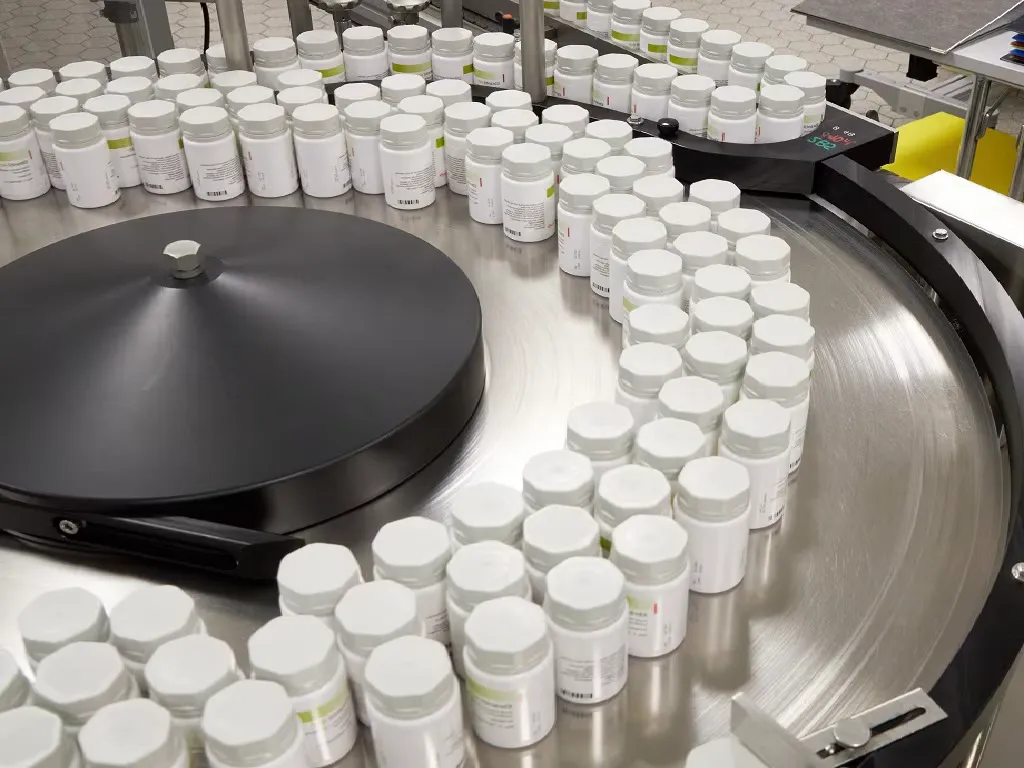
Hospital NICU breast milk storage bottles used in multi-use protocols (individual bottles assigned to a specific mother-infant pair for the duration of the infant’s NICU admission) are sterilised between use cycles to prevent cross-contamination. The sterilisation method used in the NICU determines the container’s material and design requirements — different sterilisation methods impose different temperature and chemical exposures on the container.
Steam Sterilisation: The NICU Standard and PET’s Limitation
Standard hospital NICU sterilisation uses steam autoclave at 121°C or 134°C — temperatures that exceed PET’s glass transition temperature (75–80°C) and would cause irreversible distortion of a PET ISBM bottle. This is the single most significant limitation of PET for reusable NICU breast milk storage applications where steam sterilisation is the standard decontamination method. Polypropylene (PP) — with a melting point above 160°C and excellent autoclave resistance — is the dominant material for reusable NICU breast milk storage bottles for this reason. PET ISBM breast milk bottles are most appropriate for single-use NICU protocols (where steam sterilisation between uses is not required because the bottle is used once and discarded) and for home use where steam sterilisation is replaced by dishwasher cleaning and UV-C or cold-water sterilisation tablet methods.
Cold-Water Sterilisation Tablet and UV-C Sterilisation Compatibility
For home use sterilisation, two methods are commonly used for PET-compatible sterilisation of breast milk storage containers: cold-water sterilisation using Milton or equivalent sodium hypochlorite/sodium dichloroisocyanurate tablets (active chlorine concentration 0.125% for standard dilution), and UV-C sterilisation in dedicated UV-C sterilisation cabinets (UV-C irradiation at 254nm for defined exposure time). PET compatibility with cold-water sterilisation tablets at standard dilutions is generally adequate for the brief contact time of the sterilisation protocol (typically 15–30 minutes) — longer or repeated cold-water sterilisation exposures at higher concentrations may produce the surface interaction concerns described for concentrated hypochlorite. UV-C sterilisation is fully compatible with PET ISBM containers — UV-C at 254nm is absorbed by PET and produces surface photochemical reactions that can gradually reduce clarity with repeated exposures, but at the standard UV-C sterilisation cabinet exposure doses and frequency for typical home use, the clarity reduction over the container’s practical use life is negligible. For UV-C sterilisation cabinet applications, PET ISBM containers without UV absorber additives provide the best UV-C transmission through the bottle wall — ensuring the UV-C exposure reaches and sterilises the interior surfaces rather than being absorbed in the wall before reaching the interior.
Dishwasher Cleaning Compatibility
Dishwasher cleaning of reusable breast milk storage bottles (top rack, standard cycle, 60°C wash temperature for home dishwashers) is compatible with PET ISBM containers with appropriate design considerations. The 60°C wash temperature of a standard domestic dishwasher is below PET’s Tg (75–80°C) and does not cause permanent deformation — however, PET at 60°C under the mechanical loading of dishwasher wash jets can show minor dimensional changes in thin-walled zones over repeated cycles. For breast milk storage bottles intended for frequent dishwasher cycling (daily cleaning over weeks of use), the bottle body wall must be specified at sufficient thickness (minimum 0.6mm for the graduation zone) to maintain dimensional stability through the expected service life, confirmed through dishwasher cycling tests (50 cycles at 60°C standard domestic dishwasher conditions) with dimensional measurements at 10-cycle intervals. The graduation marks’ clarity and readability must be confirmed to not degrade over the dishwasher cycling test period — embossed marks in the bottle body wall are generally more durable through dishwasher cycling than printed marks, and ISBM’s embossed graduations provide this durability by virtue of being formed in the bottle body rather than applied as a surface print.
The Australian Breast Milk Storage Market: Clinical, Retail, and Community Applications
The breast milk storage container market in Australia spans three distinct commercial channels with different specifications, procurement pathways, and volume profiles: the hospital NICU supply channel, the specialist maternal and infant health retail channel (pharmacies, mother and baby stores, online retail), and the community maternal health support channel (Australian Breastfeeding Association (ABA) affiliated lactation consultants, maternal health nursing supply).
The hospital NICU channel prioritises clinical safety features — accurate volume graduation, contamination prevention design, single-use formats with lot-traceable production documentation, and compatibility with pump connector systems. Annual volumes for the NICU channel are relatively modest (large Australian NICUs consuming 50,000–200,000 single-use breast milk bottles per year), but the quality and compliance requirements are high, and the procurement pathway is through hospital supply purchasing — requiring formal supplier qualification and lot-by-lot material certification documentation that ISBM producers must maintain as a condition of hospital supply.
The retail channel prioritises consumer product features — BPA-free branding, optical clarity for consumer appeal, ergonomic handling design for home use, and compatibility with a broad range of breast pump brands. Retail breast milk storage bottles are sold in multi-unit packs (typically 3–8 bottles per pack) and compete on brand perception, visual packaging quality, and product feature differentiation (measurement markings, pump compatibility claims, seal system). ISBM’s custom bottle design capability — proprietary silhouette, ergonomic body profile, clear calibrated markings — provides the commercial differentiation that premium maternal health brands need to command shelf-price premium over commodity alternatives in the competitive Australian baby products retail market.

Regulatory and Standards Framework for Breast Milk Storage Containers in Australia
Breast milk storage containers in Australia are regulated under multiple overlapping frameworks depending on the specific product format and intended use. Standard retail breast milk storage bottles are regulated as food contact articles under FSANZ Standard 1.4.1 and as consumer goods under the Australian Consumer Law — required to be fit for purpose and not cause harm in normal use. Hospital NICU breast milk storage containers are additionally regulated as medical devices under the TGA Medical Devices Regulations 2002 when they are supplied and used as part of the clinical management of premature or critically ill neonates — at which point they must meet the TGA Class I medical device conformity assessment requirements including ISO 10993 biocompatibility and adequate QMS compliance by the manufacturer.
AS/NZS 4684 Breast Milk Collection, Storage and Handling provides the Australian Standard framework for breast milk storage practices and container requirements in both clinical and home settings. While compliance with AS/NZS 4684 is not mandated by law for container manufacturers, hospital procurement teams regularly reference this standard in their supplier qualification requirements and procurement specifications. ISBM breast milk storage bottle development should use AS/NZS 4684’s container requirements as a specification framework alongside FSANZ food contact requirements and, for NICU-specific products, TGA Class I medical device requirements.
Contato [email protected] for guidance on the specific regulatory compliance pathway for your breast milk storage ISBM container product — the correct pathway depends on whether the product is intended for retail consumer use, NICU hospital supply, or both.
Breast Milk Storage Bottle Design Principles for ISBM
Successful breast milk storage bottle design integrates clinical function, user ergonomics, and commercial positioning in a product that must perform reliably in the demanding conditions of both hospital neonatal units and the domestic home environment. The following design principles, developed through clinical lactation practice requirements and consumer product engineering, should guide ISBM breast milk storage bottle development from the design brief stage.
Wide-Mouth Design for Pump Connector Compatibility
38mm–53mm wide-mouth neck accommodating standard breast pump flange adapters (Medela 38mm, Philips Avent 38mm, Spectra wide-mouth 40mm). Neck bore tolerance ±0.08mm for leak-free adapter engagement. Short neck height for maximum collection volume in the bottle body without excessive overall height.
Accurate Embossed Graduation Scale
Volume marks from 0 to nominal capacity in 5ml (≤80ml bottles) or 10ml (≥100ml bottles) increments. Graduation accuracy ±5% of indicated volume, confirmed per production cavity. Haze ≤ 1.5% through graduation panel for clear meniscus reading. Maximum 75% fill mark clearly distinguished as freeze-storage limit.
Patient ID Label Panel (NICU) / Branding Panel (Retail)
Defined flat panel zone separate from graduation panel: 40mm × 60mm minimum for NICU patient label (standardised to common hospital patient identification label formats); 50mm × 80mm minimum for retail branding label. Panel flatness ±0.20mm for complete label adhesion across label area.
One-Hand Operation Ergonomics
Body waist profile and grip zone allowing secure one-hand holding while the other hand operates the breast pump or manages the infant. Base stability (flat base ±0.15mm flatness) preventing bottle tipping during filling. Cap re-engagement with one hand with ≤5 N·cm torque for immediate resealing after each volume measurement.
Ever-Power’s Breast Milk Storage ISBM Development Support
Australia Ever-Power provides maternal health product manufacturers, hospital supply companies, and NICU product developers with ISBM container development support for breast milk storage bottles — combining machine supply with the food-contact safety documentation, volume accuracy qualification, and freeze-thaw performance validation that Australian breast milk storage product requirements demand. The development programme covers: wide-mouth neck geometry engineering for specific breast pump flange compatibility; volume graduation accuracy qualification per production cavity; food-contact material certification (FSANZ compliance, BPA-free declaration, phthalate-free masterbatch certification); freeze-thaw cycle performance testing; and product label panel design review for regulatory compliance (FSANZ Standard 1.4.1, AS/NZS 4684, TGA Class I medical device requirements for NICU formats).
For hospital NICU supply programmes, Ever-Power provides the lot-by-lot food-contact material certification documentation and the quality management system records that hospital procurement qualification requires, enabling smooth supplier onboarding to major Australian hospital group procurement frameworks.
Visit isbm-technology.com/contact-us or contact the team at [email protected] to discuss your breast milk storage ISBM bottle development requirements.
Máquina recomendada
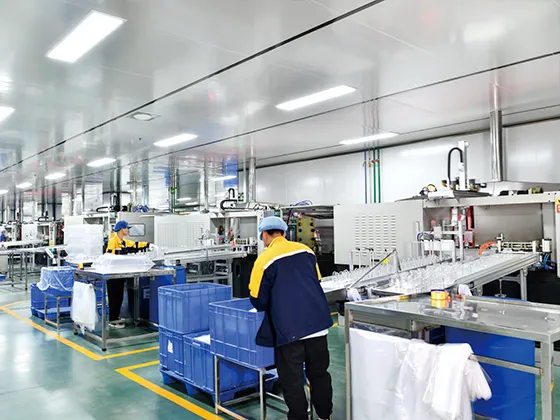
HGYS150-V4 — Four-Station ISBM for Breast Milk Storage Bottle Production
For breast milk storage bottle production spanning both NICU hospital single-use formats and retail maternal health multi-pack designs in the 60ml–150ml volume range, the HGYS150-V4 four-station one-step ISBM machine provides the production platform appropriate for breast milk storage bottle manufacturing. The four-station design delivers consistent cavity-to-cavity volume accuracy — all cavities simultaneously producing containers within ±1% internal volume consistency that the graduation accuracy specification requires. Wide-mouth neck insert tooling (38mm–53mm pump adapter formats) achieves ±0.08mm bore tolerance for reliable pump flange connector engagement. The machine processes food-grade pharmacopoeial PET for direct infant nutritional contact across the 60ml NICU single-use format through 150ml home storage format. BPA-free PET material with phthalate-free masterbatch systems provides the infant safety material credentials required for both FSANZ food contact compliance and hospital NICU procurement specifications. Freeze-thaw compatible container design — appropriate wall thickness for −18°C impact resistance, confirmed through production qualification drop testing at freeze storage temperature — serves both home freezer and NICU refrigerator storage applications. Production documentation includes food-contact material certification per delivery lot for hospital procurement qualification support.