
Vaccine packaging sits at the intersection of the two most demanding dimensions of pharmaceutical manufacturing: absolute sterility assurance and uncompromising dimensional precision. A vaccine vial that fails to seal correctly risks patient safety; one that fails to meet automated filling line dimensional specifications causes costly production stoppages at precisely the moment — commercial vaccine launch or public health emergency response — when throughput is most critical. The injection stretch blow molding machine, operating through the one-step ISBM process, addresses both dimensions simultaneously in a way that no competing container manufacturing technology can match. This article examines the specific technical reasons why vaccine manufacturers worldwide are choosing PET-based ISBM vials as a complement and, in select applications, a successor to traditional borosilicate glass vials.
1. The Precision Imperative in Vaccine Vial Manufacturing
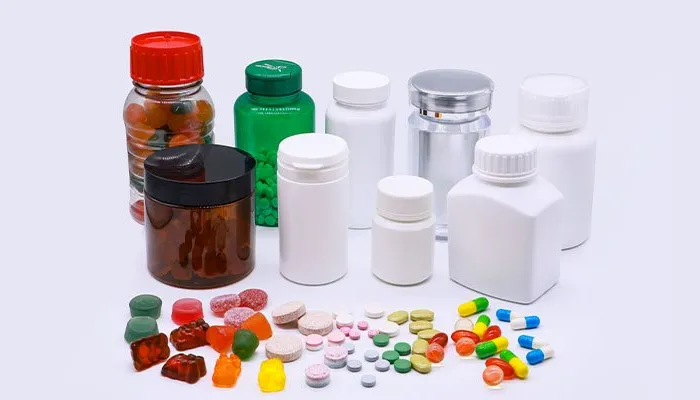
Vaccine vials operate within tighter dimensional specifications than virtually any other pharmaceutical container category. The internal diameter of the vial neck governs stopper insertion force and seating depth — both of which are validated parameters on automated fill-and-finish lines running at 300–600 vials per minute. Vial height and body diameter affect tray stacking density during lyophilisation (freeze-drying), where uniform heat transfer across a tray of hundreds of vials is critical to consistent cake quality. The body wall thickness distribution affects the rate of heat and cold transfer during fill, freeze, and thaw operations that are central to biologics and vaccine manufacturing. Against these requirements, injection stretch blow molding enters vaccine container manufacturing as the only polymer-based technology capable of meeting the full dimensional specification envelope at industrial production speeds.
Dimensional Tolerance Stack-Up and Filling Line Compatibility
Modern vaccine fill-and-finish lines are engineered to glass vial dimensional specifications — ISO 8362-1 for injection vials and ISO 8362-4 for aluminium-capped vials — and their tooling for stoppering, capping, and container handling is calibrated to these specifications. For a PET vaccine vial produced via ISBM to be drop-in compatible with existing fill-and-finish lines, the vial must meet or exceed the dimensional consistency of the ISO glass standard it replaces. ISBM’s injection-moulded neck finish, formed with dimensional repeatability of ±0.05mm or better, consistently achieves this — a result that is physically unattainable through extrusion blow moulding, where the parison drop introduces inherent neck geometry variability of ±0.3–0.5mm.
Wall Thickness Uniformity and Lyophilisation Performance
Biaxial stretching during the blow phase of the ISBM process distributes the polymer mass highly uniformly around the container circumference and along its axial direction. The resulting wall thickness coefficient of variation — typically below 5% across the bottle body — is significantly better than achievable in glass vials, where wall thickness variation of 10–15% is common due to tube drawing variability. For lyophilised vaccines, where uniform vial wall thickness directly affects sublimation rate uniformity across tray position, this dimensional consistency translates into tighter product quality attributes in the final freeze-dried cake and more reproducible reconstitution performance.
2. Contamination Control Architecture in ISBM Vaccine Vial Production
For vaccine containers, contamination control is not a quality assurance aspiration — it is a patient safety imperative. A single bioburden contamination event in a vaccine vial production batch can precipitate a market recall affecting millions of doses. The one-step injection stretch blow molding process provides a structural contamination risk reduction that no post-processing cleaning or sterilisation step can fully substitute for, because the risk it eliminates is inherent to the one-step integration architecture rather than addressed through add-on process controls.
Closed-System Production and Particulate Elimination
In the ISBM machine, the PET preform travels from the injection station through temperature conditioning to the blow station within an enclosed mechanical environment, never exposed to ambient room air between these process stages. The finished vial is ejected from the blow mould directly into a transfer system that can be enclosed under laminar HEPA-filtered air flow. Particulate contamination — a primary cause of visual inspection failures and potential patient safety events in parenteral containers — is dramatically reduced compared to two-step processes where preforms and containers are handled, transported, and potentially exposed to atmospheric particulates between manufacturing steps. For vaccine manufacturers operating under WHO GMP guidelines and ICH Q10 quality systems, this structural particulate reduction is a tangible quality advantage that translates directly into lower visual inspection rejection rates and reduced contamination investigation burden.
Endotoxin and Bioburden Considerations
Glass vaccine vials require depyrogenation — typically by dry heat tunnel at 250–350°C — to reduce bacterial endotoxin levels to below the pharmacopoeial acceptance criterion of 0.25 EU/mL for parenteral preparations. PET does not withstand depyrogenation temperatures, but ISBM vials intended for sterile fill-and-finish can be designed for terminal gamma sterilisation or for use in aseptic fill processes where the container is rendered sterile through a validated combination of container washing with Water for Injection (WFI), air rinsing, and aseptic packaging. Endotoxin control is addressed through clean manufacturing conditions and WFI rinsing protocols rather than thermal depyrogenation. This distinction between glass and PET contamination control strategies is well-understood by vaccine manufacturers and is reflected in the regulatory dossier structure for products transitioning from glass to polymer primary packaging under ICH Q3C and WHO Technical Report Series guidance.
3. Material Properties of ISBM PET for Vaccine Applications
The suitability of PET bottle production via ISBM for vaccine applications depends fundamentally on the material properties achievable in the finished container — and specifically on whether those properties meet the combined challenge of chemical compatibility with vaccine formulations, sterilisability, and cold chain performance across the distribution temperatures encountered in global vaccine supply chains.
Chemical Compatibility with Vaccine Formulations
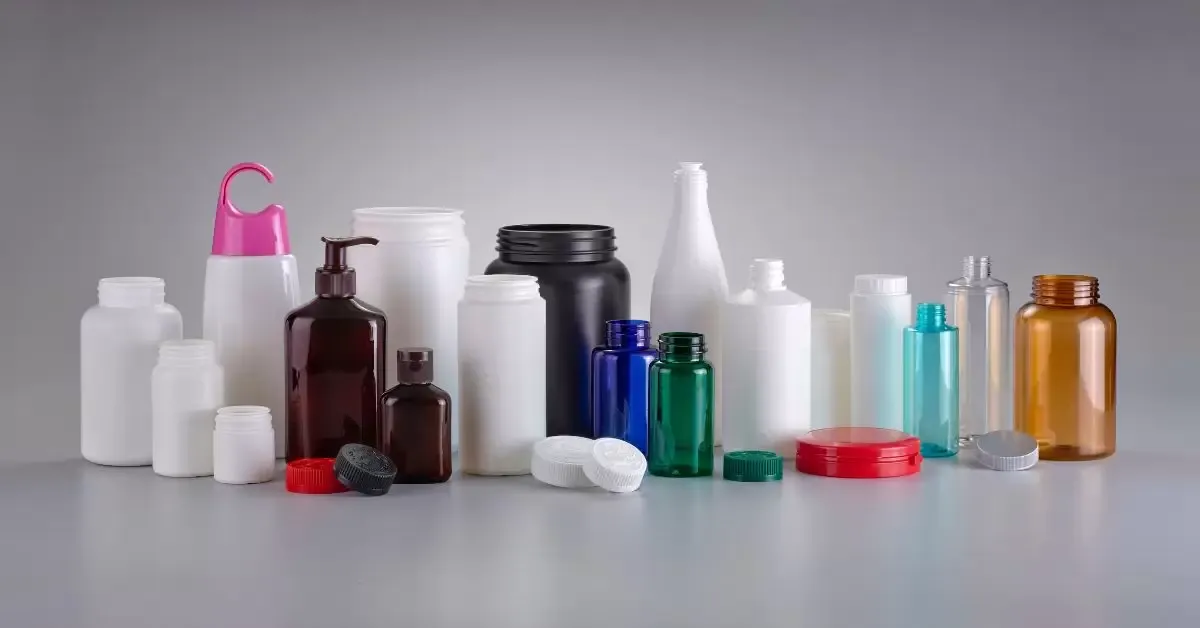
Vaccine formulations are biologically complex mixtures containing active viral or bacterial antigens, adjuvants (commonly aluminium hydroxide, aluminium phosphate, or AS04), stabilisers (sucrose, trehalose, human serum albumin), preservatives (thiomersal in multi-dose presentations), and buffer systems. Extractables and leachables (E&L) studies under ICH guidelines require that any container migration components that could interact with these formulation components are identified, quantified, and risk-assessed. Pharmaceutical-grade PET — particularly when processed at controlled temperatures through ISBM to minimise acetaldehyde generation and oligomer content — consistently demonstrates acceptable E&L profiles for vaccine adjuvanted formulations. Where specific compatibility concerns exist for particular adjuvant or stabiliser combinations, compatibility testing using the specific formulation and container geometry should be conducted early in the packaging development process, and Australia Ever-Power’s technical team can provide guidance on resin selection and process parameter optimisation for specific vaccine formulation types.
Cold Chain Performance: 2–8°C and Ultra-Cold Applications
Standard vaccine cold chain operating conditions are 2–8°C (refrigerated), with some biologics and mRNA vaccines requiring −20°C or −70°C ultra-cold storage. Biaxially oriented PET produced through the ISBM process exhibits excellent mechanical performance at refrigerated temperatures — maintaining drop resistance and closure sealing integrity without the brittleness increase that affects some less-oriented polymers at sub-ambient temperatures. For ultra-cold chain applications at −70°C, standard PET approaches its glass transition temperature (Tg ~80°C for amorphous, elevated by orientation) and requires specific resin formulation and container wall thickness design to maintain container integrity. Specialist cold-chain PET grades and alternative polymers including cyclic olefin copolymer (COC) and polypropylene (PP) are available for ultra-cold applications, and modern ISBM machines with appropriate tooling can process all of these materials — making the ISBM platform a viable production route across the full vaccine cold chain temperature spectrum.
4. The ISBM Process Sequence for Vaccine-Grade Vial Production
Understanding the specific process sequence within an ISBM machine is essential for vaccine manufacturing technical teams evaluating the technology. Each stage of the process contributes distinct quality attributes to the finished vial, and the precise control of each stage is what distinguishes pharmaceutical-grade ISBM production from commodity container manufacturing.
Pharmaceutical-grade PET resin is dried to a moisture content below 50 ppm (typically 20–30 ppm) before processing to prevent hydrolytic degradation of the polymer chain during melt processing. Residual moisture above this threshold causes molecular weight reduction and elevated acetaldehyde generation. The drying step is monitored by a desiccant dew-point sensor integrated with the machine control system, with processing inhibited if resin moisture exceeds the validated limit.
PET melt is injected into precision-machined preform cavities under servo-controlled pressure and speed profiles. The preform’s neck finish — threads, sealing surface, and transfer bead — is formed to final dimensions during this stage and will not be further deformed during blow moulding. Injection gate design is optimised to minimise gate blush and stress concentration at the vial base, where maximum biaxial stress develops during the stretch-blow phase.
The injected preform is transferred to a temperature conditioning station where its thermal profile is adjusted to the optimum blow temperature — typically 95–115°C for PET — using individually controlled infrared heating elements and a temperature-profiled conditioning pot. The conditioning stage is where the machine imparts differentiated temperature zones to the preform body, controlling the wall thickness distribution in the finished vial by directing more material stretch to cooler, stiffer regions and less stretch to warmer, more compliant ones.
A servo-driven stretch rod extends axially into the preform, simultaneously with high-pressure air inflation (typically 30–40 bar for pharmaceutical containers), achieving biaxial orientation of the PET chains. For vaccine vials, stretch ratios are precisely calibrated — typically an axial ratio of 2.5–3.0:1 and a hoop ratio of 3.0–4.0:1 — to achieve the wall crystallinity level (25–30%) that optimises barrier performance and drop resistance while avoiding stress whitening or orientation-induced haze that would compromise container clarity required for visual inspection.
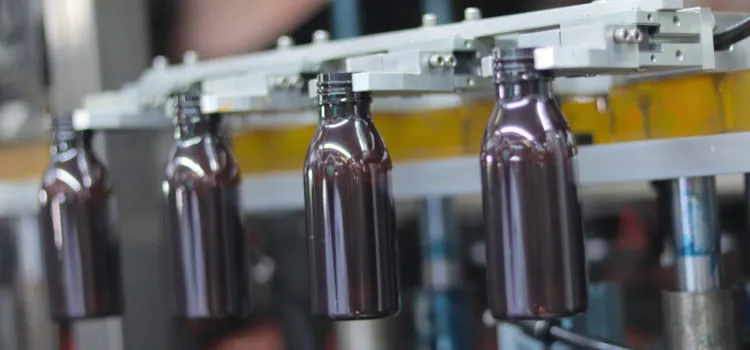
The blow mould incorporates temperature-controlled cooling channels maintaining mould wall temperature at 10–18°C, rapidly cooling the stretched container to below PET’s glass transition temperature and setting the orientation crystallinity. Controlled mould temperature is a critical parameter for dimensional stability — insufficient cooling results in post-ejection shrinkage and dimensional drift, while excessive cooling creates excessive residual stress. After mould opening, the finished vial is ejected by a take-out mechanism directly into a HEPA-enclosed transfer system for accumulation and quality inspection.
Each production cycle generates a data record including injection peak pressure, melt temperature, conditioning pot temperature profile, blow pressure curve, stretch rod position trace, and cycle time — logged against a sequential container serial identifier. Statistical process control (SPC) software monitors key parameters in real time against validated control limits, triggering machine alarms and diverting reject containers automatically when any parameter drifts outside its validated acceptable range. This cycle-level data capture supports GMP batch record requirements and continuous process verification under FDA Process Validation Guidance.
5. Regulatory Validation Framework for ISBM Vaccine Vial Qualification
Qualifying a new primary container for a vaccine product requires an integrated regulatory and technical programme that spans container manufacturer qualification, material characterisation, container performance testing, and process validation — all documented in formats suitable for inclusion in the vaccine’s Common Technical Document (CTD) Module 3.2.P.7 “Container Closure System.” The ISBM platform’s deterministic process architecture makes this qualification programme systematically tractable in ways that less-controlled manufacturing processes cannot offer.
WHO Prequalification and EMA Scientific Opinion Alignment
For vaccines destined for WHO-supported immunisation programmes in low- and middle-income countries (LMICs), WHO Prequalification of the vaccine product requires that the primary container meets WHO Technical Report Series No. 992, Annex 6 requirements for plastic containers for parenteral preparations. ISBM-produced PET vials qualified against this standard — and against EU GMP Annex 1 for Manufacture of Sterile Medicinal Products — can be accepted by prequalifying authorities without requiring individual country-by-country regulatory submissions in markets that accept WHO PQ as primary evidence. This regulatory pathway efficiency is a powerful practical advantage for vaccine manufacturers targeting global immunisation programme supply.
Container Closure Integrity Testing for Stoppered Vials
Container closure integrity (CCI) for stoppered vaccine vials is assessed through methods including vacuum decay, headspace gas analysis, and high-voltage leak detection — with probabilistic leak detection methods preferred over dye ingress testing per USP <1207> “Package Integrity Evaluation — Sterile Products.” ISBM vials with precision injection-moulded neck finishes consistently achieve helium leak rates below 1×10⁻⁶ mbar·L/s when paired with appropriately selected pharmaceutical rubber stoppers, meeting the most stringent CCI requirements for sterile injectable vaccine presentations. CCI stability over the vaccine’s shelf life must also be demonstrated through accelerated and real-time stability studies under ICH Q1A conditions, and ISBM vial neck finish geometry remains demonstrably stable across these study conditions due to the low creep rate of biaxially oriented PET at refrigerated storage temperatures.
6. Scalability for Emergency Response and Global Immunisation Programme Demands
The COVID-19 pandemic exposed the fragility of global vaccine container supply chains — particularly the borosilicate glass vial supply chain, which has long lead times for capacity expansion and geographic concentration of manufacturing capacity. The need for rapid ramp of vaccine vial production at pandemic response speed highlighted the structural advantages of polymer-based ISBM vial production as a supply chain resilience measure and as a complement to glass vial supply during surge demand periods.
ISBM Capacity Expansion Speed Versus Glass Vial Supply Lead Times
Expanding glass vial production capacity requires constructing or converting glass tube drawing and vial forming furnaces — a process that takes 18–36 months from investment decision to production output. ISBM machine installation and validation, by contrast, can be completed in 3–6 months for a brownfield installation in an existing pharmaceutical facility with utilities available. Tooling lead times for vaccine vial moulds are typically 8–14 weeks from design freeze to first article, versus 16–24 weeks for glass vial forming tooling. This compressed lead time profile means that ISBM vial production capacity can be brought online significantly faster than glass vial supply alternatives — a supply chain resilience argument that has become increasingly relevant to health ministry and vaccine manufacturer procurement planning following the pandemic experience.
Multi-Dose Vial Design Optimisation for LMIC Distribution
WHO Immunisation Programme vaccines are overwhelmingly distributed in multi-dose formats — 5-dose, 10-dose, and 20-dose vials — to minimise per-dose packaging cost and cold chain volume. ISBM’s design flexibility allows multi-dose vial geometries to be optimised for maximum dose count within the cold chain volume constraints of WHO-specification vaccine carriers and refrigerators, including the PIS (Passive Cold Store) and CTC (Controlled Temperature Chain) equipment specified in WHO PQS performance standards. Vial body aspect ratios, base geometry for carrier tray compatibility, and neck finish designs for compatibility with multi-dose stopper and overcap systems can all be engineered within the ISBM tooling design with no compromises arising from manufacturing process constraints — a degree of design freedom that glass tube-forming processes cannot match.

7. Glass Delamination Elimination: Patient Safety and Regulatory Driver
The FDA’s 2011 guidance on glass delamination in injectable drug products — and the subsequent market withdrawals of multiple injectable products contaminated with glass particles — fundamentally changed the risk calculus for glass primary containers in vaccine and parenteral drug manufacturing. Glass delamination occurs when the inner surface of borosilicate glass vials undergoes chemical attack by drug formulations, releasing silica flakes into the product. While the pharmaceutical glass industry has responded with improved glass compositions and forming processes, the delamination risk is intrinsic to silicate glass chemistry and cannot be completely eliminated through manufacturing improvements alone.
PET’s Structural Immunity to Delamination
Biaxially oriented PET produced through the ISBM process is a fundamentally different material from silicate glass at the mechanistic level: it has no silicate network structure, no alkali metal flux components, and no susceptibility to the hydrolytic delamination mechanism that affects glass under alkaline or high-temperature conditions. A properly manufactured ISBM PET vial contains no particle-shedding risk from its container wall — the inner surface is a continuous oriented polymer matrix without grain boundaries, phase interfaces, or residual stress concentrations that could initiate particle release. This structural immunity to delamination is an unconditional patient safety advantage of polymer vials over glass across the complete range of vaccine formulation pH values and storage temperatures, and it is increasingly recognised in regulatory guidance as a compelling driver for the transition to polymer primary containers in parenteral vaccine packaging.
Visual Clarity and Automated Particulate Inspection
USP <790> “Visible Particulates in Injections” and USP <1790> “Visual Inspection of Injections” require pharmaceutical manufacturers to inspect 100% of injectable units for visible particles either manually or through validated automated inspection systems. ISBM-produced PET vials achieve transmission clarity (light transmission >85% at 550nm for standard 30ml vial geometry) that is fully compatible with automated camera-based inspection systems operating at fill-and-finish line speeds of 300–600 units per minute. The absence of glass delamination particles removes the most diagnostically challenging category of visible particulate — because glass particles can be transparent and difficult to detect against the container wall — from the inspection challenge, simultaneously improving patient safety and reducing automated inspection false-rejection rates.
8. Total Lifecycle Cost of ISBM Vaccine Vials vs Glass: A Comparative Analysis
The commercial case for ISBM vaccine vials over glass primaries must be evaluated across the full lifecycle cost — not merely the unit procurement price of the empty container. When transportation, cold chain logistics, breakage losses, fill-and-finish line efficiency, and end-of-life waste costs are incorporated, ISBM PET vials consistently demonstrate a compelling total cost of ownership advantage over borosilicate glass alternatives, particularly for vaccine programmes with complex logistics and high distribution volumes in resource-limited settings.
Transport Cost Reduction Through Weight and Volume Efficiency
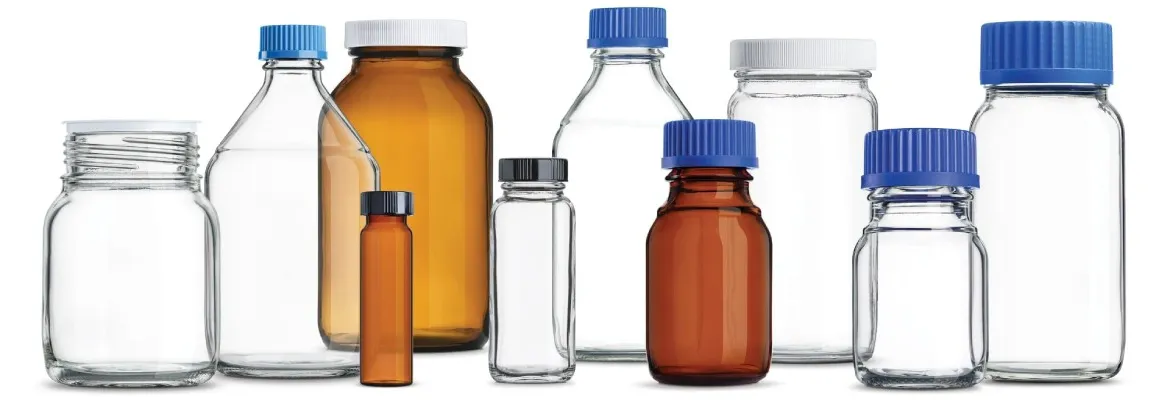
A 10ml ISBM PET vaccine vial weighing approximately 2.8g versus a borosilicate glass equivalent at 10–13g represents a weight reduction of 70–78% per container. Across a shipment of one million doses in 10-dose vials (100,000 vials), this translates to a shipping weight reduction of approximately 700–1,000 kg for the containers alone. For air freight — the dominant mode for time-sensitive vaccine distribution to remote or resource-limited markets — this weight reduction directly reduces air freight cost at current pharmaceutical cargo rates of USD 5–15 per kg, delivering per-shipment savings of USD 3,500–15,000 on container weight alone. Combined with greater packing density achievable with polymer vials in cold chain carriers, the logistics cost savings over a multi-year vaccine immunisation programme are material and auditable.
Breakage Loss Elimination in Distribution and Last-Mile Delivery
Glass vial breakage rates in distribution — particularly in cold chain environments where thermal shock from refrigerator door opening and manual handling in resource-constrained settings combine — are estimated at 0.3–1.5% of distributed doses in high-breakage market environments. For a 10-million-dose programme, this represents 30,000–150,000 broken vials and lost doses at full formulation cost. ISBM PET vials, with impact resistance orders of magnitude greater than borosilicate glass, eliminate this breakage loss category entirely. When the cost of lost vaccine doses — which includes both direct formulation cost and the programme cost of vaccinating the additional individuals who did not receive the broken doses — is included in the lifecycle cost calculation, the economic case for ISBM PET vials in high-breakage distribution environments becomes decisive.
Australia Ever-Power’s pharmaceutical-grade ISBM machines are designed for the exacting dimensional and contamination control requirements of vaccine vial production. Speak with our technical specialists today.
Request a Vaccine Vial Technical Consultation
HGYS150-V4-EV Fully Servo Four-Station ISBM Machine
The HGYS150-V4-EV is Australia Ever-Power’s fully servo-driven, four-station one-step ISBM machine — the platform of choice for pharmaceutical manufacturers requiring the dimensional precision, contamination control, and GMP process validation capability demanded by vaccine vial production. All machine axes are servo-driven, delivering cycle-level process data capture, sub-0.05mm neck finish repeatability, and a fully hydraulic-fluid-free production environment suitable for ISO Class 7 cleanroom installation.
The HGYS150-V4-EV supports IQ/OQ/PQ validation with a comprehensive factory acceptance test (FAT) protocol and validation documentation package, and is available in cavity configurations from 1 to 8 cavities per station to span the full range from clinical supply to commercial immunisation programme volumes.
✅ Neck finish tolerance ±0.05mm
✅ AA control <1 ppm finished vial
✅ ISO Class 7 cleanroom compatible
✅ IQ/OQ/PQ validation package included
✅ 1–8 cavity configurations per station
✅ Cycle-level data logging for cGMP EBR
✅ Gamma irradiation grade PET capable
✅ WHO PQ documentation support
✅ Quick-change tooling for multi-format