Industrial and Agricultural Chemical Packaging: The Technical and Regulatory Context
Industrial and agricultural chemical products represent some of the most demanding packaging applications in the plastic container industry. Herbicides, pesticides, fungicides, fertiliser concentrates, industrial cleaners, and process chemicals impose aggressive chemical loads on their containers — often at high concentrations, over multi-year shelf lives, and across the wide temperature range encountered in outdoor Australian agricultural storage conditions. The packaging must maintain its physical integrity, chemical barrier performance, and closure compatibility throughout this entire exposure history without releasing product into the environment, losing label legibility, or degrading in a way that creates a handling hazard for the end user.
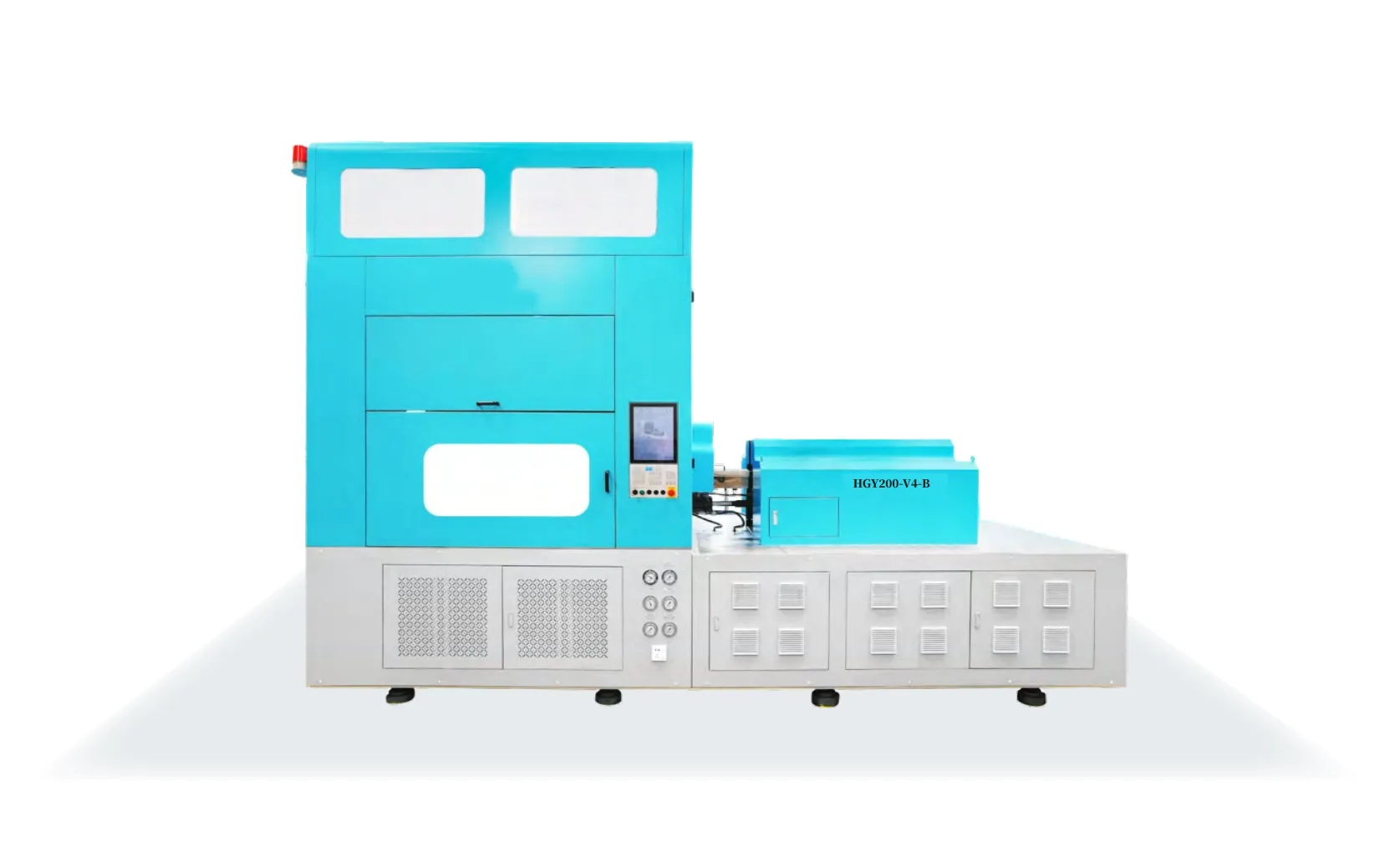
這 injection stretch blow molding machine platform addresses the industrial and agricultural packaging brief through material versatility (PET, PETG, barrier-enhanced, and co-injection configurations), dimensional precision (meeting the closure compatibility requirements of agricultural CRC and tamper-evident systems), and the production economics needed to serve a packaging category where margins are tighter than consumer goods but quality standards are, in many regulatory dimensions, higher.
Australia Ever-Power, based in Condell Park NSW 2200, has supported industrial and agricultural chemical packaging operations with ISBM machine technology and process engineering for over a decade. This article covers the specific technical and regulatory requirements of the industrial and agricultural chemical packaging sector, and how ISBM addresses each systematically.
Agricultural Pesticide and Herbicide Bottles: Meeting the Strictest Compliance Standards
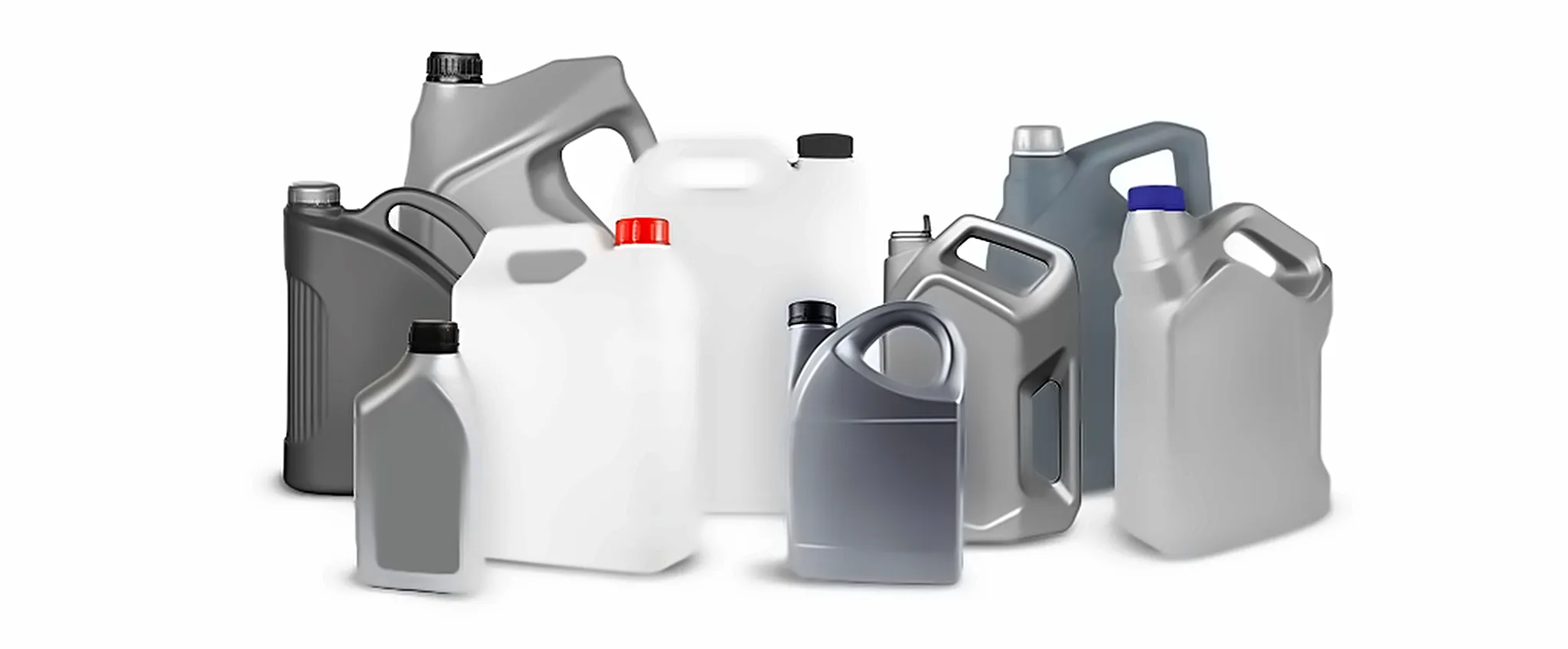
Agricultural pesticide and herbicide products are regulated in Australia under the Agricultural and Veterinary Chemicals Code Act, with packaging requirements enforced through Australian Pesticides and Veterinary Medicines Authority (APVMA) approval processes. The approval of an agricultural chemical product includes approval of its specific packaging — and any change to the approved packaging (container material, size, closure system) requires a new or amended approval. This regulatory structure means that packaging decisions for agricultural chemicals carry weight beyond normal commercial considerations, and mistakes in material selection or closure compatibility at the development stage can be extremely costly to correct.
ISBM Performance in Agricultural Chemical Applications
The performance requirements for agricultural pesticide containers in the APVMA framework align closely with ISBM’s technical strengths. The specific requirements include: physical compatibility between the container material and the formulation (demonstrated through a 12-month real-time stability study or 6-week accelerated study); closure performance (the closure must remain functional after the stability study period and after the required drop test); and container integrity (no leakage at the fill level, temperature range, and drop height specified by the product’s dangerous goods classification). PET and PETG processed through ISBM satisfy these requirements for a broad range of agricultural formulations — aqueous herbicide concentrates, soluble powder sachet compatibles, and many emulsifiable concentrate pesticides — when validated through the required stability study.
Agricultural Container CRC Requirements
Agricultural pesticide products with oral or dermal toxicity classifications require child-resistant packaging under Australian regulations — specifically, containers must pass the ISO 8317 or AS 4600 child-resistant packaging test. As discussed in the automotive chemical context, CRC performance is a system property of the container-closure combination, not solely a closure property. The container neck finish dimensions must meet the tolerance range specified by the CRC closure manufacturer, and these dimensions must remain within tolerance across the production run. ISBM’s injection-formed neck finish provides this consistency. For APVMA approval submissions that include CRC packaging, the neck finish dimensional specification (drawn dimensions with tolerances) and the qualification test results (conducted on containers from multiple production cavities) are typically required as part of the technical submission supporting the packaging approval.
Industrial Cleaning Products: Chemical Resistance Requirements and Production Volumes
Industrial cleaning products — including alkaline degreasers, acid-based descalers, neutral pH general cleaners, and sanitisers — represent a diverse chemical exposure environment for packaging. The pH range across this product category spans from strong acid (pH 1–2 for industrial descalers) through neutral (pH 6–8 for food-safe sanitisers) to strongly alkaline (pH 12–14 for industrial degreasers). PET has excellent resistance in the pH 2–8 range but shows increasing susceptibility to surface etching and mechanical property reduction at pH above 10 in concentrated alkaline solutions at elevated temperatures. The material selection guidance for industrial cleaning product packaging therefore depends heavily on the specific product’s pH, concentration, and storage temperature — and ISBM’s material flexibility (standard PET, PETG, HDPE-surface-coated PET) provides options across this pH range.
Strongly Alkaline Products: Material Considerations
For industrial degreasers and alkaline cleaners at pH above 10 in concentrated form, the recommended approach for ISBM packaging is either: PETG (which has better alkaline resistance than standard PET, particularly at temperatures above 40°C); a thin HDPE or polypropylene liner in a PET outer shell (achievable through multi-material container design); or, for the most aggressive alkaline formulations, HDPE EBM (which remains the most chemically appropriate material for concentrated strong alkalis, despite its visual and dimensional limitations compared to PET). The decision between these options is product-specific and must be based on formal stability testing rather than general material compatibility statements.
High-Volume Production for Industrial Cleaning Brands
Industrial cleaning product manufacturers typically operate at high production volumes — major institutional cleaning product brands in Australia may produce 10–50 million bottles per year across their product range, with individual SKUs at 2–8 million bottles annually. At these volumes, the production efficiency advantages of high-speed blow molding technology — multi-cavity tooling, fast cycle times, and high OEE from process stability — translate directly into per-unit cost reductions that are commercially significant. A production rate improvement of 10% across an 8-million-bottle-per-year SKU is 800,000 additional bottles from the same machine hours — equivalent to approximately two additional production weeks per year of value from the same capital investment.

UN Dangerous Goods Performance Testing for Industrial Chemical Packaging
Industrial chemical products — including many agricultural formulations, concentrated cleaning agents, and process chemicals — are classified as dangerous goods under the Australian Dangerous Goods Code and require packaging that has been tested to the relevant UN performance standard for the product’s Packing Group. The UN performance tests for plastic containers evaluate the packaging’s physical integrity, chemical compatibility, and leak resistance under the conditions relevant to its classification.
Drop Test (1.2m)
Containers filled to 98% capacity dropped from 1.2m onto a rigid surface in the worst-case orientation for each container form. No leakage permitted. PET ISBM biaxial orientation provides the impact toughness needed at the wall thickness specified for the packing group.
Stacking Test
Containers subjected to a compressive load equivalent to a 3m stacking height for 24 hours at 40°C. No leakage and ≤ 0.5% volume change permitted. ISBM base geometry engineering and wall orientation are the primary determinants of stacking performance.
Hydraulic Pressure Test
Containers pressurised to 30 kPa (for PG III) or higher for PG I/II for 5 minutes minimum. No leakage or permanent deformation permitted. Relevant for liquid-filled industrial chemical containers in pressurised distribution environments.
Compatibility / Permeation
Containers filled with representative product stored at 40°C for 28 days. Mass loss ≤ 0.5% for liquid goods. Determines whether PET or PETG provides adequate barrier performance for the specific product’s permeation characteristics.
ISBM PET containers have been qualified to UN performance standards across Packing Groups II and III for a wide range of industrial and agricultural chemical products. The key design parameters that govern UN test performance — wall thickness distribution, base geometry, biaxial orientation level, and neck finish dimensions — are all directly controllable through ISBM process parameters and preform design, giving the packaging engineer a well-defined path from performance requirement to production specification.
Fertiliser Concentrates and Nutrient Solutions: ISBM for Agricultural Input Packaging
Liquid fertiliser concentrates and plant nutrient solutions represent one of the highest-volume growth segments in Australian agricultural packaging. The shift from granular to liquid fertiliser applications in high-value horticultural production — driven by fertigation system adoption, precision agriculture practices, and the growth of controlled-environment agriculture — has created demand for packaging formats that were not prominent in the traditional granular fertiliser market.
Technical Characteristics of Fertiliser Concentrate Packaging
Liquid fertiliser concentrates present a specific packaging chemistry profile: they are typically aqueous solutions of inorganic salts (nitrogen, phosphorus, potassium, and micronutrient sources) at moderately high ionic concentration, with pH values ranging from 4.5 (some micronutrient acidified formulations) to 8.5 (some high-nitrogen formulations). This chemistry is entirely within the compatibility range of standard PET — the ionic salt solutions used in liquid fertilisers do not cause PET degradation or extractable contamination issues at normal storage conditions. The packaging requirements for fertiliser concentrates are therefore primarily physical (structural integrity, closure compatibility, and UN performance if classified as dangerous goods) rather than chemical barrier.
Handling Design for Agricultural User Environments
Fertiliser concentrate containers are used in agricultural environments where handling conditions are far from gentle: stored outdoors in direct UV exposure, handled by users wearing chemical-resistant gloves, filled through dosing valves on water injection systems, and transported on rural roads without the protection of retail carton packaging. ISBM’s design flexibility addresses each of these use-environment challenges: UV-stabiliser additives can be incorporated into the PET masterbatch to extend outdoor UV resistance; ergonomic grip zones with defined surface texture can be designed into the bottle form for secure gloved-hand handling; wide-mouth neck finishes compatible with dosing valve systems can be injection-formed to the precision required for leak-free valve engagement; and top-load performance for multiple-row outdoor pallet storage can be engineered through base geometry optimisation. Each of these design features is produced as an integral part of the bottle through the ISBM tooling — none require secondary operations.
Environmental Sustainability in Agricultural Chemical Packaging: ISBM’s Role
Agricultural chemical packaging has one of the most challenging recycling situations in the Australian packaging industry — containers that have held pesticides, herbicides, and other hazardous products require specific disposal or recycling programmes rather than standard kerbside recycling. The DrumMuster and ChemClear programmes manage the collection and recycling of agricultural chemical containers in Australia, and PET is one of the approved materials for drumMuster-eligible containers in certain size ranges and formats.
The embodied carbon of agricultural packaging is attracting increasing scrutiny from major agricultural input retailers and large farming operations with ESG commitments. ISBM’s lightweighting capability — reducing preform weight to the structural minimum for the specific application — directly reduces the embodied carbon of each container. For a 1L agricultural herbicide container, moving from a 42g HDPE EBM bottle to a 28g PET ISBM bottle reduces the polymer mass per container by 33%, with a corresponding reduction in embodied carbon that the agricultural chemical brand can report against its Scope 3 packaging emissions inventory.
The triple-rinse programme that agricultural chemical users follow before container disposal (required for drumMuster eligibility) actually plays to PET ISBM’s material properties: PET is more effectively rinsed than HDPE because its lower surface energy results in lower residue adhesion — the triple-rinse procedure more completely removes product residue from PET containers, improving the recyclability of the collected material and reducing the contamination load that the DrumMuster recycling process must manage.
Process Chemicals and Specialty Industrial Fluids: The Advanced ISBM Opportunity
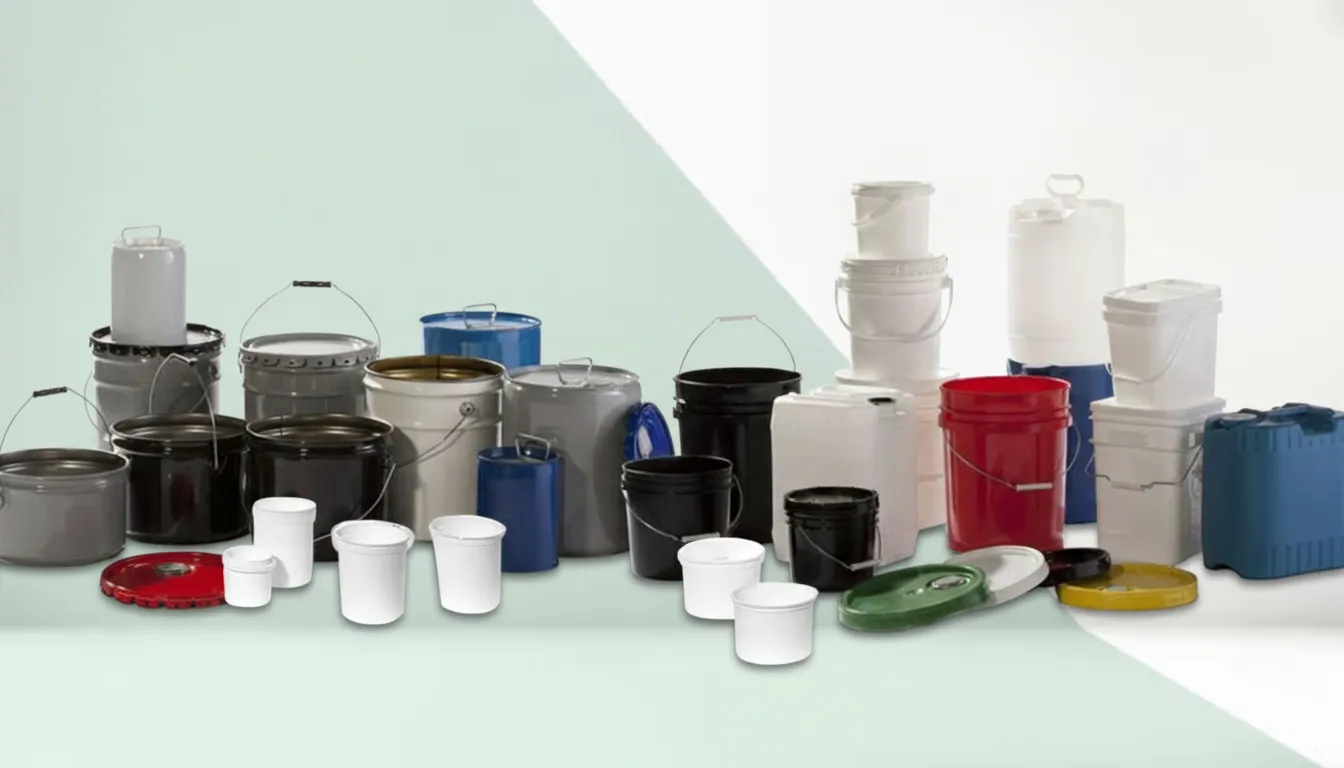
Beyond agricultural products and mainstream industrial cleaning chemicals, ISBM serves a broader category of specialty industrial fluid packaging that is growing rapidly in Australia: laboratory reagents, specialty process chemicals for manufacturing operations, food-processing cleaning and sanitising agents, water treatment chemicals, and mining process chemicals. Each of these sub-categories has distinct packaging requirements that ISBM addresses through its combination of material flexibility, dimensional precision, and design versatility.
Food Processing Sanitisers: Food-Contact Compliance
Sanitising agents used in food processing environments — quat-based sanitisers, iodophor solutions, chlorinated sanitisers — are the cleaning chemicals with the most stringent packaging material compliance requirements, because any extractables from the container that are transferred to sanitiser solution applied to food-contact surfaces could potentially reach the food product. PET and PETG produced from food-contact-grade resins meeting FSANZ and FDA 21 CFR requirements are the correct material base for food processing sanitiser packaging. ISBM’s use of verified food-contact-grade resin from certified suppliers, combined with the process controls that minimise resin degradation (moisture content ≤30 ppm, temperature within profile, screw tip speed within limit), ensures that the extractable profile of the production container remains within food-contact compliance requirements throughout the production run.
Water Treatment Chemicals: Transparency as a Functional Requirement
Water treatment chemical concentrates — used in swimming pool maintenance, cooling tower treatment, and wastewater processing — benefit particularly from PET ISBM’s transparency because the product’s own colour and clarity communicate product identity and fill level. A clear PET bottle of bright blue pool algaecide is immediately identifiable without requiring label reading; a translucent container showing a precipitate in the product signals to the professional user that the product needs attention before use. This functional transparency advantage is achievable only with ISBM-produced PET or PETG — it is not available from HDPE EBM alternatives.
Production Setup: Machine Configuration for Industrial Chemical Packaging
Industrial and agricultural chemical packaging operations typically produce a range of bottle formats from 500ml through 5L, across multiple product lines with different chemical resistance requirements, dangerous goods classifications, and closure systems. Configuring an ISBM machine platform for this diversity requires a thoughtful approach to machine selection, tooling strategy, and production scheduling.
| Format Range | Recommended Machine | Typical Cavity Count | BPH Range |
|---|---|---|---|
| 250ml – 500ml (small agchem) | HGYS150-V4 / HGYS200-V4 | 4 cavities | 6,000 – 9,000 |
| 500ml – 2L (industrial cleaner) | HGYS200-V4-B / HGY250-V4 | 2 – 4 cavities | 4,000 – 7,000 |
| 2L – 5L (bulk agchem / industrial) | HGY650-V4 / HGYS500-V3 | 1 – 2 cavities | 1,200 – 3,000 |
| Mixed range (multi-SKU) | HGY250-V4-B (flexible platform) | 2 – 4 cavities | Format-dependent |
For industrial and agricultural chemical operations with diverse format requirements across a product range, the most commercially efficient approach is typically a primary machine configured for the highest-volume formats, supplemented by a secondary machine for the specialty and larger formats. Ever-Power’s application engineering team provides specific machine configuration recommendations based on the customer’s volume profile, SKU range, and product chemistry — contact [email protected] for a production planning consultation.
Quality Management Systems for Industrial Chemical ISBM Production
Industrial chemical packaging operations must maintain quality management systems appropriate to the regulatory requirements of the products they package. For operations packaging APVMA-approved agricultural chemicals, the quality management requirements include traceability (the ability to link each production batch of containers to the specific resin batch, tooling maintenance record, and process parameters used), documented process qualification (confirming that the production process consistently produces containers within the approved specification), and documented stability test records (supporting the packaging approval submission).
ISBM machine systems from Australia Ever-Power include process data logging capabilities — cycle-by-cycle records of injection pressure, barrel temperatures, conditioning settings, and stretch rod parameters — that provide the production traceability record that chemical packaging quality management systems require. The data logging system can be configured to flag any cycle where a parameter deviates from the validated range, enabling immediate investigation before non-conforming bottles enter the production stream.
For industrial chemical packaging operations seeking ISO 9001 or ISO 15378 (pharmaceutical packaging quality management system, applicable to some specialty chemical products) certification, the ISBM process’s inherent parameter traceability and measurement capability is a foundation on which a compliant quality management system can be built. Ever-Power provides documentation support for quality system development as part of its commissioning and post-installation technical service package.
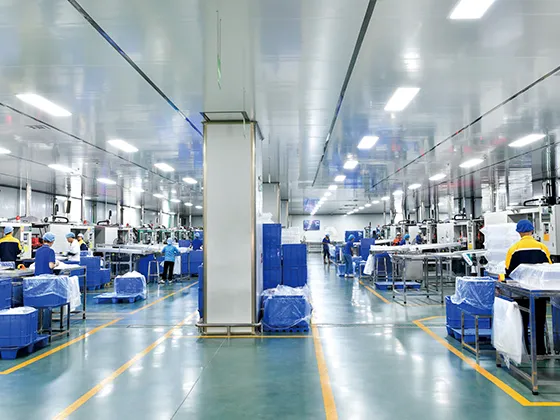
Ever-Power’s Support for Industrial and Agricultural ISBM Packaging Operations
Australia Ever-Power Injection Stretch Blow Moulding Machine Co., Ltd supports industrial and agricultural chemical packaging operations with a comprehensive technical and commercial service extending from initial feasibility through machine supply, tooling development for chemical product applications, commissioning with UN performance test protocol development, and ongoing process support that addresses the specific quality management requirements of the chemical packaging regulatory environment.
The Condell Park NSW location provides same-day or next-day response for on-site technical support — a practical operational necessity for chemical packaging operations where production stoppages have significant product release and regulatory compliance implications. Remote diagnostic support through the machine’s data connection is available for first-level diagnosis before on-site visits, enabling faster identification and resolution of process issues that affect production quality.
Industrial and agricultural chemical packaging operations considering ISBM investment — whether for new in-house production capability or for upgrading from HDPE EBM to PET ISBM for performance and sustainability reasons — should contact [email protected] to arrange a product-specific feasibility consultation. Ever-Power provides a site-specific total cost of supply analysis and machine configuration recommendation at no charge as the first step of every potential equipment project.
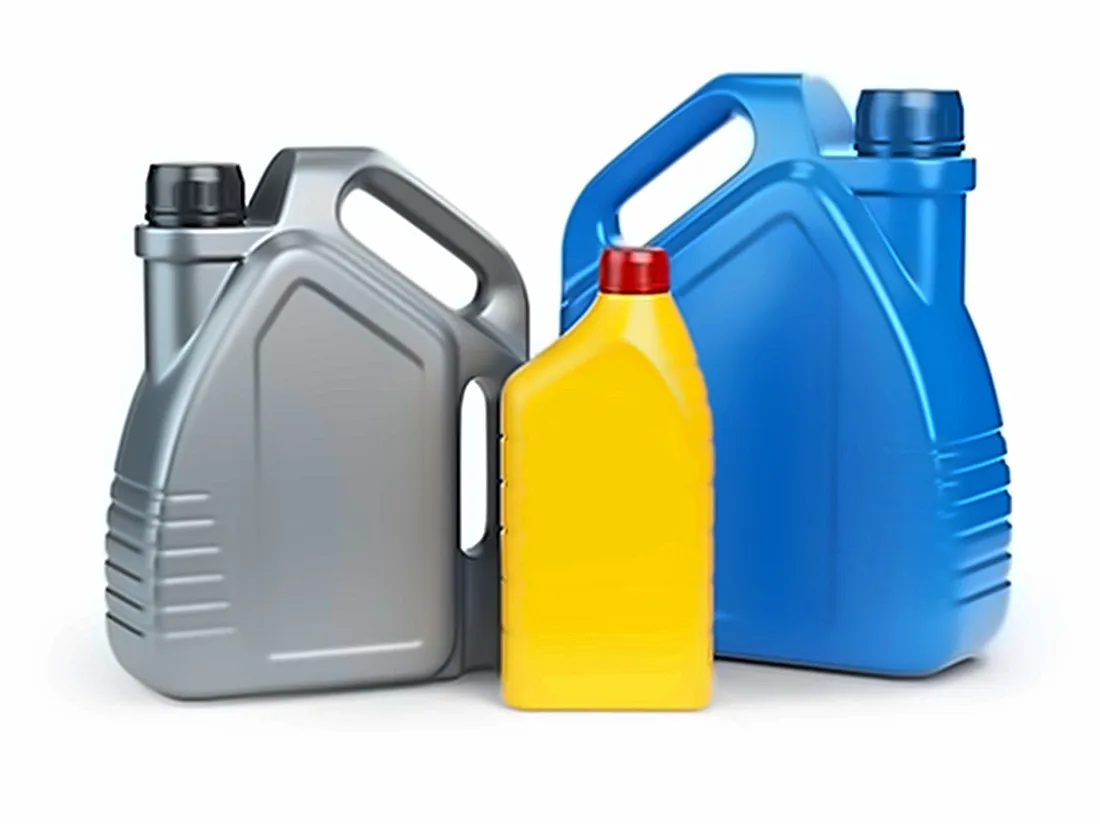
Recommended Machine
HGYS200-V4-B — Four-Station ISBM Machine for Chemical Packaging
For industrial and agricultural chemical packaging operations producing 500ml–2L containers across multiple product categories with diverse chemical compatibility and closure requirements, the HGYS200-V4-B four-station one-step ISBM machine provides the production flexibility and chemical packaging capability that the sector requires. The four-station rotary architecture delivers consistent cavity-to-cavity process uniformity — critical for UN performance qualification where all cavities must be within the same dimensional and structural performance specification. The machine processes both PET and PETG with equal precision, supporting the material flexibility required across diverse chemical formulations. Its CRC-compatible neck insert system accommodates agricultural and industrial CRC closure finishes with the ±0.10mm tolerance that regulatory qualification demands. PLC-based process data logging provides the production traceability records that APVMA and ISO quality management systems require.