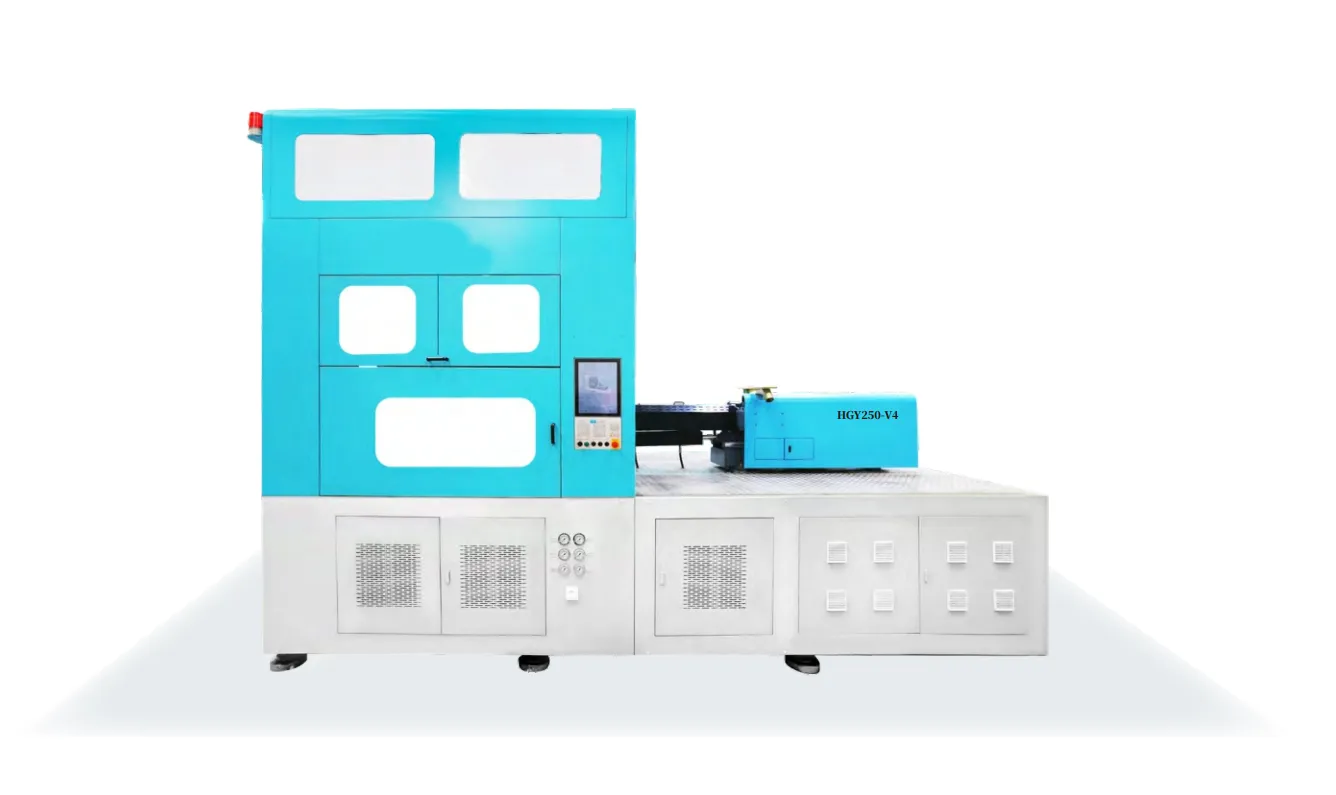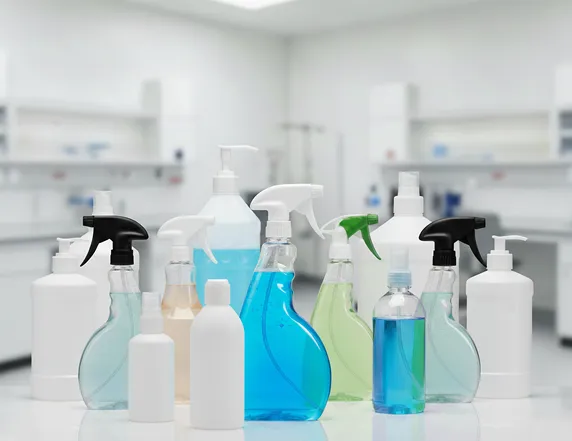
Foaming hand soap has moved from a niche dispensing format to a mainstream category across retail, food service and healthcare hand hygiene — driven by demonstrated soap savings of 40–60% per wash event, a consumer tactile experience perceived as gentle and moisturising, and a visual foam output that signals effective hand cleansing activity. The bottles serving this category are not simply smaller or lighter versions of standard hand soap dispensers; they impose distinct engineering requirements on internal volume, neck geometry and body stiffness that are handled most effectively through injection stretch blow molding. Understanding these requirements is essential for packaging engineers, bottle manufacturers and brand owners building foaming hand soap programmes on ISBM platforms.
Why Foaming Hand Soap Needs a Different Bottle Specification
A foaming pump operates on a fundamentally different mechanism to a standard lotion pump. Instead of drawing full-viscosity liquid to the surface, a foam pump draws a pre-diluted soap solution at 5–20% concentration through a mesh screen, mixing it with air in a defined ratio to generate foam at the dispensing orifice. This mechanism imposes two constraints on the bottle that standard pump bottles do not face: the internal headspace volume above the fill line must be large enough to serve as the air reservoir for foam generation — typically 20–30% of total bottle internal volume — and the neck must accommodate a larger-diameter foam pump fitment, most commonly 40mm or 43mm, compared to the 28mm lotion pump standard.
These constraints directly influence the bottle’s dimensional specification. A 250ml foaming hand soap bottle typically has a fill volume of only 150–180ml, with the remaining internal space reserved as the functional air column. This means the bottle body has a significantly larger apparent volume than the product quantity suggests — affecting shelf density, carton pack count and retailer planogram allocation. Body geometry must also be considered from the perspective of consumer use: squeezing the bottle body, common for lotion dispensers, would collapse the air headspace and disrupt the air-to-soap ratio, so foam pump bottles typically feature stiffer side walls than equivalent-volume lotion pump bottles to discourage body deformation during dispensing.
ISBM Machine Advantages for Foam Pump Bottle Production
Cylindrical Body Geometry and Controlled Internal Volume
Foaming hand soap bottles favour cylindrical or gently tapered body forms that maximise internal volume efficiency, minimise the cross-sectional variation that would affect air headspace consistency, and provide stable standing geometry. In a one-step injection stretch blow molding machine, cylindrical bottle forms are among the most processable geometries because the uniform radial stretch required produces even wall thickness distribution without the complex conditioning gradient profiling needed for asymmetric or heavily featured designs. This translates to faster programme launch cycles and more consistent internal volume accuracy — the foam pump’s air headspace calculation depends on bottle internal volume holding within ±3% of specification across production to maintain consistent foam quality.
Neck Finish Precision for 40mm and 43mm Foam Pump Fitment
Foam pump mechanisms use larger neck diameters than lotion pumps to accommodate the air-mixing chamber above the dip tube. The 40mm and 43mm neck finish standards that dominate the foaming hand soap market require thread dimensions held to ±0.12mm on outer diameter and ±0.10mm on pitch to ensure reliable pump snap-on engagement without leakage under the back-pressure generated during each foam pump actuation. ISBM’s injection-formed neck achieves these tolerances routinely — the injection moulding process that forms the preform neck sets dimensions at the highest-precision stage of the entire ISBM cycle, providing the consistency that automatic filling lines require to sustain throughput without manual adjustment or cap leak sorting. This capability is the primary reason ISBM bottle manufacturing has become the standard for premium foam pump dispenser production globally.
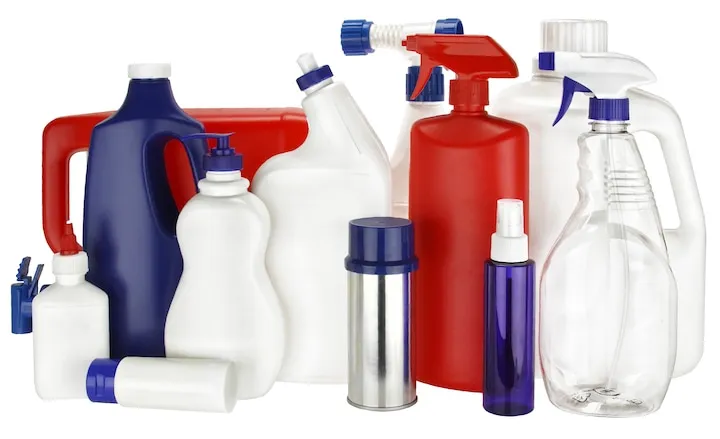
PET vs PP for Foaming Hand Soap Bottle Production
Both PET and polypropylene (PP) are used for foam pump hand soap bottles, and each material has a distinct application fit. PET — processed on ISBM equipment — delivers the optical clarity, wall thickness uniformity and surface gloss that retail and premium hospitality channels demand. PP — processed on standard injection stretch blow or injection blow moulding machines — is typically specified for institutional bulk formats, travel-size amenity bottles and applications where opacity is preferred over clarity. PET foaming bottles in the 200–350ml range are the standard for branded retail hand soap dispensers because the material’s glass-like appearance elevates on-shelf perception and allows product colour to read through the bottle wall.
From a chemical compatibility standpoint, both materials perform adequately with the dilute surfactant solutions used in foaming hand soap — typically SLS or SLES at 3–10% concentration, combined with humectants, preservatives and fragrance. PET’s superior barrier against moisture vapour transmission reduces evaporative concentration change in stored product, which matters more for foaming soap than for standard liquid soap because the foam pump is calibrated to a specific product dilution ratio; concentration drift shifts the air-to-soap balance and alters foam texture noticeably to consumers. This moisture barrier advantage of PET over PP is particularly relevant for retail formats where product shelf life extends to 24–36 months.
One material consideration specific to foaming bottles is compatibility with the isopropyl alcohol (IPA) sometimes added to foaming hand soaps for additional antibacterial efficacy. PET has excellent resistance to IPA at concentrations up to approximately 20%, which covers the majority of commercially available foaming antibacterial hand soap formulations. Above this concentration — as in some healthcare-grade products — compatibility testing at the specific concentration and temperature range of interest is recommended before production tool commitment.
Critical Bottle Design Features for Foam Pump Compatibility
Internal Volume Calculation and Air Headspace Management
Accurate internal volume engineering is the most technically distinctive aspect of foaming hand soap bottle design compared to standard dispensers. The total internal volume must be divided between the product fill volume, the functional air headspace required by the specific foam pump mechanism selected, and the pump displacement volume occupied by the dip tube and pump body below the neck shoulder. Foam pump suppliers specify a required headspace volume — typically 20–35ml for 200–300ml bottle formats — and the bottle internal volume target must be set accordingly. Under-specifying headspace compromises foam quality immediately as product is first dispensed; over-specifying it wastes bottle material and increases apparent SKU size without adding product value.
Side-Wall Stiffness and Anti-Squeeze Architecture
Unlike lotion pump bottles where light body squeeze is harmless, foaming hand soap bottles must resist consumer hand grip during pump actuation without transmitting squeeze force to the internal air column. A consumer squeezing the bottle body even moderately during pump depression can collapse headspace volume by 10–20ml — enough to disrupt the air-to-soap ratio noticeably during that dispensing event and, in repeated use, to create a vacuum draw that pulls product back up the dip tube inappropriately. ISBM bottle designers address this through two complementary mechanisms: wall thickness at the grip zone is maintained at 0.40–0.55mm (above the minimum for body rigidity), and vertical rib geometry or oval cross-section profiles are incorporated to increase cross-sectional second moment of area and side-load resistance without adding overall wall gauge beyond what biaxial orientation already provides.
ISBM Production Workflow for Foaming Hand Soap Bottles
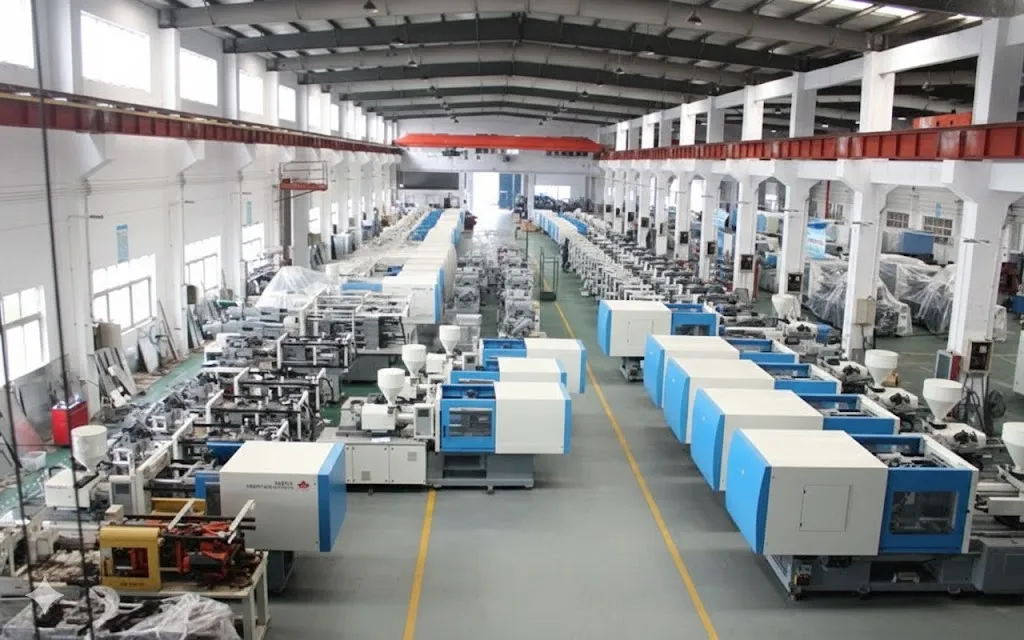
The one-step ISBM cycle handles foaming bottle production with the same process advantages it brings to all PET dispenser formats — but with specific attention to the internal volume accuracy and neck finish consistency that foam pump compatibility requires throughout every production shift.
① Resin Drying and Preparation
PET pellets are dried to below 50 ppm moisture at 160–170°C for 4–6 hours. For foaming hand soap bottles, low-acetaldehyde PET grades are preferred since the diluted product concentration means any AA migration from the bottle wall has a proportionally greater impact on formula odour profile than in standard full-concentration soap formats.
② Preform Injection
PET melt is injected into multi-cavity preform tooling at 270–288°C. The 40mm or 43mm foam pump neck finish is formed here at injection-moulding precision. Preform body wall distribution is engineered to produce the target internal volume and headspace geometry after blow, with base gate design and body taper configured for the specific foam bottle proportions in the tooling specification.
③ Thermal Conditioning
For predominantly cylindrical foaming bottle geometries, conditioning temperature profiles are typically more uniform axially than for complex panel-featured bottles. The primary conditioning objective is achieving a consistent circumferential temperature for even radial stretch — critical for the round cross-sections of most foam pump bottle designs — while maintaining the shoulder zone heat for adequate stretch into the neck-to-body transition area.
④ Stretch-Blow Moulding
Stretch rod extension at 0.9–1.2 m/s initiates axial orientation while pre-blow air at 6–8 bar begins radial expansion. High-pressure blow at 28–38 bar completes full mould contact, driving the precise internal volume geometry of the foam bottle into the chilled mould cavity. Blow mould cooling at 8–14°C freezes the oriented molecular structure — establishing the body stiffness that resists consumer grip deformation during foam pump actuation.
⑤ Ejection and Volume Verification
Finished foaming bottles are ejected for orientation, inline neck gauging and periodic volume verification using gravimetric or volumetric fill testing. Internal volume consistency is checked at start-of-shift and after any process parameter change to confirm the functional air headspace specification is maintained. Bottles outside the ±3% internal volume tolerance are segregated before entry into the foam pump assembly or filling line.
Machine Parameters for Foaming Hand Soap Bottle Production
| Parameter | Typical Range | Effect on Foaming Bottle Performance |
|---|---|---|
| Injection barrel temperature | 270–288°C | Preform clarity, AA generation, neck finish definition |
| Conditioning temperature (body) | 104–116°C | Internal volume accuracy, wall thickness uniformity |
| Stretch rod speed | 0.9–1.2 m/s | Axial orientation, base panel clarity and strength |
| High-pressure blow air | 28–38 bar | Body roundness, surface gloss, sidewall stiffness |
| Blow mould cooling temperature | 8–14°C | Dimensional stability, resistance to headspace collapse |
| Blow dwell time | 2.5–4.5 seconds | Internal volume repeatability (±1–2ml across shift) |
Foaming bottle production on ISBM equipment benefits particularly from the extended blow dwell available on servo-driven machines. Unlike lotion pump bottles where minor internal volume variation has no functional consequence, foaming bottles require the full mould contact period to establish precise internal dimensions — particularly the base dome geometry that determines the bottom boundary of the functional air headspace. Extending blow dwell by 0.5–1.0 seconds over the minimum required for cooling reduces internal volume shot-to-shot variation from ±3–4ml to ±1–2ml in most cylindrical foaming bottle geometries, materially improving foam quality consistency across the filled product’s shelf life.
Conditioning temperature uniformity around the circumference of the preform is the primary determinant of body roundness in cylindrical foaming bottle designs. Asymmetric conditioning — arising from uneven heating element wear, core-pin eccentricity in the preform or conditioning pin clearance variation — produces oval cross-section bodies that accept foam pump collar snap-on poorly and create uneven label panel contact with the product surface visible through the bottle wall. Monitoring roundness as part of the routine dimensional check programme and correlating deviations back to conditioning station parameters is best practice for foaming bottle production lines targeting premium retail presentation standards.
Performance Testing Specific to Foaming Hand Soap Bottles
Beyond the standard dimensional, mechanical and chemical compatibility testing applicable to all hand soap bottles, foaming bottle quality programmes include functional foam system testing that validates the bottle-pump interface under real use conditions. Air headspace verification is performed on a statistical sample from each production batch: filled product and pump assembly are weighed, then the bottle is subjected to 200 foam pump actuations in a controlled environment, and the foam output volume and consistency are assessed against the specification range. Deviations — typically presenting as increasingly watery or inconsistently textured foam output — indicate headspace volume non-conformance rather than pump mechanism failure.
Sidewall rigidity under pump actuation load is assessed through a standardised grip force test: a filled bottle is placed in a fixture simulating a normal hand grip at 15N lateral force while the pump is depressed, and the internal volume change is measured using a pressure differential method. Acceptable specifications require less than 5ml volume displacement under 15N grip for standard retail foaming bottles; healthcare and institutional formats may specify tighter limits of 3ml or less. Bottles failing this test require wall gauge adjustment in the mould specification or preform redesign — both of which are more efficiently addressed through simulation before tool manufacture than through iterative physical sampling post-commissioning.
Market Trends and Sustainability in Foaming Hand Soap Packaging
The foaming hand soap format is well positioned to benefit from the concentrated and refillable packaging trends accelerating across the Australian personal care market. Consumers and retailers alike are receptive to refill systems where a durable, premium foam dispenser bottle is purchased once and replenished from a concentrate refill sachet or bulk pack — a model that dramatically reduces PET resin consumption per wash event while maintaining the tactile experience of a foam dispenser. ISBM-produced PET foaming bottles are ideal for refill dispenser roles because their clarity, rigidity and premium surface finish are maintained across multiple refill cycles without the yellowing, stress cracking or label adhesion degradation that would appear in cheaper extrusion blow-moulded formats.
For single-use retail foaming formats, PET’s recyclability through Australia’s established kerbside PET stream is a clear environmental compliance advantage. Mono-material ISBM PET foaming bottles with no metal label liner or multi-layer co-extrusion are sorted and recovered by MRF optical systems at high recovery rates. Incorporating 25% rPET into the bottle specification — feasible without visual quality compromise at this concentration — provides a substantiated recycled content claim that supports ARL ‘Recycle’ labelling on the dispenser bottle and contributes to brand sustainability targets under the Australian Packaging Covenant Organisation (APCO) reporting framework.