The Premium Skincare Packaging Standard: What “Premium” Actually Demands
The word “premium” in skincare packaging carries a specific set of technical and commercial requirements that are rarely spelled out in the brand brief but must be understood precisely by the production technology that will fulfil them. A premium skincare bottle is not simply a better-looking version of a commodity bottle — it is a container engineered to a fundamentally different specification across every performance dimension that the consumer interacts with: optical clarity that rivals glass, neck finish precision that ensures flawless pump or dropper engagement, surface quality that communicates craftsmanship rather than mass production, chemical compatibility that protects active ingredients across the product’s shelf life, and dimensional consistency that makes every bottle from every production batch appear to have been made by the same hand to the same standard.
Meeting these requirements simultaneously — not sequentially trading one against another — is what defines the premium skincare packaging specification. A bottle that achieves glass-comparable clarity but has variable neck finish dimensions fails. A bottle with perfect neck finish but visible surface marks fails. A bottle that satisfies all visual and functional criteria from the first production run but drifts in quality across subsequent batches fails — because premium packaging must deliver the same consumer experience on the hundredth batch as on the first. The injection stretch blow molding process, when properly specified and managed, is the production technology that achieves all of these requirements simultaneously and maintains them across the full production lifecycle.
Australia Ever-Power Injection Stretch Blow Moulding Machine Co., Ltd, operating from Condell Park NSW, provides premium skincare packaging operations with injection stretch blow molding machine technology, tooling engineering, and production quality support that sustains the demanding standards of the premium skincare market across commercial production volumes.
Optical Performance Requirements for Premium Skincare: Why Glass Parity Is the Target
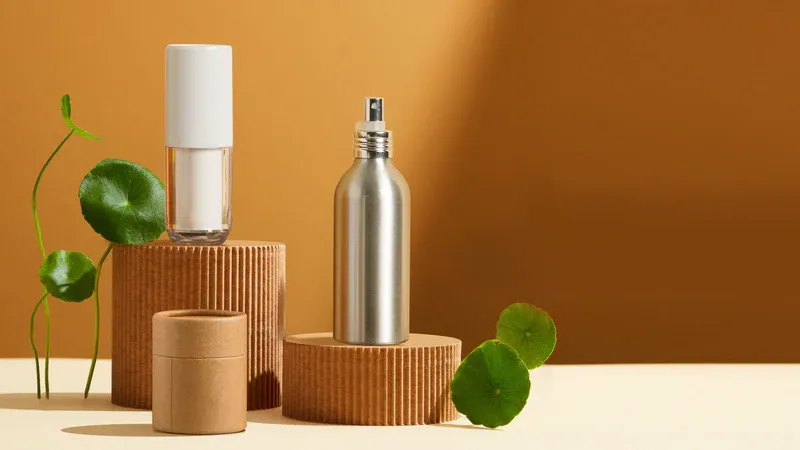
Premium skincare occupies the segment of the cosmetic market where packaging quality most directly determines brand credibility — because the products in this segment (serums priced at AUD 80–350, moisturisers at AUD 60–200, facial oils at AUD 60–150) are making a quality promise to the consumer that the packaging must visually substantiate before the product is used. In this segment, the association of glass with premium quality is so deeply embedded in consumer perception that any plastic alternative must achieve glass-comparable visual performance rather than merely “good-for-plastic” performance. The optical specification for premium skincare ISBM bottles is correspondingly demanding.
Haze Specification at the Premium Tier
Premium skincare ISBM bottles specify haze ≤ 1.5% for clear PETG — a target that puts them in the optical range of high-quality borosilicate glass (typically 0.8–1.5% haze) and well above standard cosmetic PET quality (typically 2.5–4.0% haze). Achieving ≤ 1.5% consistently in production requires: optical-grade PETG processed at ≤ 20 ppm moisture; conditioning temperature uniformity ≤ ±1.5°C circumferentially; injection barrel temperature within ±2°C of setpoint; cooling water at 6–8°C with ≤ ±0.5°C cavity-to-cavity variation; screw tip speed ≤ 0.18 m/s; and cavity Ra ≤ 0.04 µm maintained through active Ra measurement and profilometer-triggered re-polishing. Each of these requirements is achievable and maintainable on a well-configured ISBM machine with a disciplined quality programme — but none of them can be relaxed without visible haze impact at the ≤ 1.5% standard.
Optical Depth Effect in Premium Skincare Bottle Design
The optical depth effect — the impression of looking through a substantial, luminous material rather than through a thin film — is the most critical visual quality signal in premium skincare packaging. It is produced by wall thickness: a 1.0–1.5mm body panel wall creates the refraction depth that glass users associate with quality, while a 0.25–0.35mm beverage-bottle wall appears as almost nothing. For premium skincare ISBM bottles, body panel wall thickness of 0.8–1.5mm is the target specification, achieved through heavier preforms and modified stretch ratio settings that deliver more material into the bottle wall than standard beverage production parameters would specify. The preform design must engineer this wall thickness while maintaining adequate orientation (biaxial orientation is needed for structural performance and clarity), requiring mould flow simulation to validate the wall distribution before tooling investment.
Display Lighting Performance: The Retail Validation Test
Premium skincare bottles should always be evaluated under the specific lighting conditions of their retail display environment during both development approval and production quality assurance — not just under general factory or laboratory lighting. Department store premium beauty counter lighting (LED directional spots at 30–45 degrees, often at 3,500–4,000K colour temperature) produces a very different visual impression from the same bottle than overhead fluorescent general lighting. Specifically: surface reflectance quality (marks, banding, and polish degradation) is dramatically more visible under directional spot lighting; colour depth and luminosity are more intense under warm LED spotlighting; and the optical depth effect of thick-wall premium PETG is more pronounced under directional lighting where the refraction creates moving light patterns as the viewing angle changes. A production QC station that replicates the brand’s key retail display lighting condition is the correct inspection infrastructure for premium skincare ISBM quality management.
Premium Skincare Dispensing System Requirements and ISBM Neck Finish Precision
Premium skincare dispensing systems — precision pump dispensers, dropper assemblies, airless mechanisms, and sealed pipette closures — represent a significant per-unit cost in the premium skincare product (often AUD 0.30–0.90 per closure unit) that is protected only by the bottle neck finish dimensions being exactly right. A neck finish that is marginally off-specification in roundness, thread engagement, or sealing surface dimension can cause the entire dispensing system to malfunction — pump missing on empty strokes, dropper leaking under gravity, airless mechanism binding on the piston — at a combined bottle-plus-closure value of AUD 0.80–1.50+ per unit wasted. ISBM’s injection-formed neck finish is the production approach that prevents these failures at their root.
Precision Pump Dispensers for Serums and Lotions
Premium skincare pump dispensers (28/410 and 24/410 thread finishes for most standard applications) require bottle neck thread dimensions to ±0.10mm on major and minor diameter, and finish roundness to ±0.08mm ovality across the full circumference, for reliable thread engagement and sealing at all orientations. ISBM achieves these dimensions through the injection neck forming process — the neck insert tooling dimensions directly transfer to the bottle with the same precision as injection moulding. A qualification programme for pump compatibility should test engagement torque, removal torque, drop-test retention, and sealing integrity from a minimum of 5 bottles per cavity, verifying that all cavities in the production set meet specification before commercial release. For multi-cavity production sets, cavity-to-cavity neck dimension variation must also be assessed — cavities at the limits of their individual tolerances in opposite directions may still individually pass specification while producing a combined production population with wider effective tolerance than a single cavity would deliver.
Dropper Assemblies for Premium Facial Serums
Premium facial serum droppers — the rubber-bulb-and-glass-or-PETG-pipette assemblies used for measured facial oil and serum dosing — engage the bottle through a threaded collar and require the bottle neck’s internal bore to be within ±0.15mm of the nominal diameter to ensure that the pipette tip submerges fully in the product without touching the bottle neck wall (which would restrict product uptake) or sitting above the product level at low fill volumes (which would cause the dropper to draw air rather than product). ISBM’s injection-formed internal bore dimension is typically ±0.10mm from nominal — within the dropper engagement specification for all major dropper closure suppliers. For premium facial oils and serums where the dropper delivery is the consumer’s daily ritual interaction with the product, consistent and reliable dropper function is as important as any other product attribute — it directly determines whether the premium experience promise is delivered at every use.
Airless Dispensing for Sensitive Active Formulations
Airless dispensing systems — where a piston rises through the bottle interior as product is dispensed, preventing air contact with the remaining product — are used for premium skincare formulations containing highly oxygen-sensitive actives (retinol, vitamin C, certain enzymes) where air exposure in the bottle headspace would accelerate active ingredient degradation between applications. The ISBM bottle for an airless dispenser must maintain the internal bore diameter to ±0.2mm across the full bottle body height to allow the follower piston to travel from base to shoulder without binding (too tight) or leaking past the piston seal (too loose). This internal bore consistency is a function of wall thickness distribution uniformity — the shot-to-shot consistency in preform conditioning and blow parameters that servo-electric ISBM machines deliver is directly reflected in the airless bottle’s piston travel performance. Qualification testing for airless bottle compatibility must include piston travel testing at all fill levels in a sample from all production cavities.
Active Ingredient Compatibility: PETG Performance with Premium Skincare Formulations
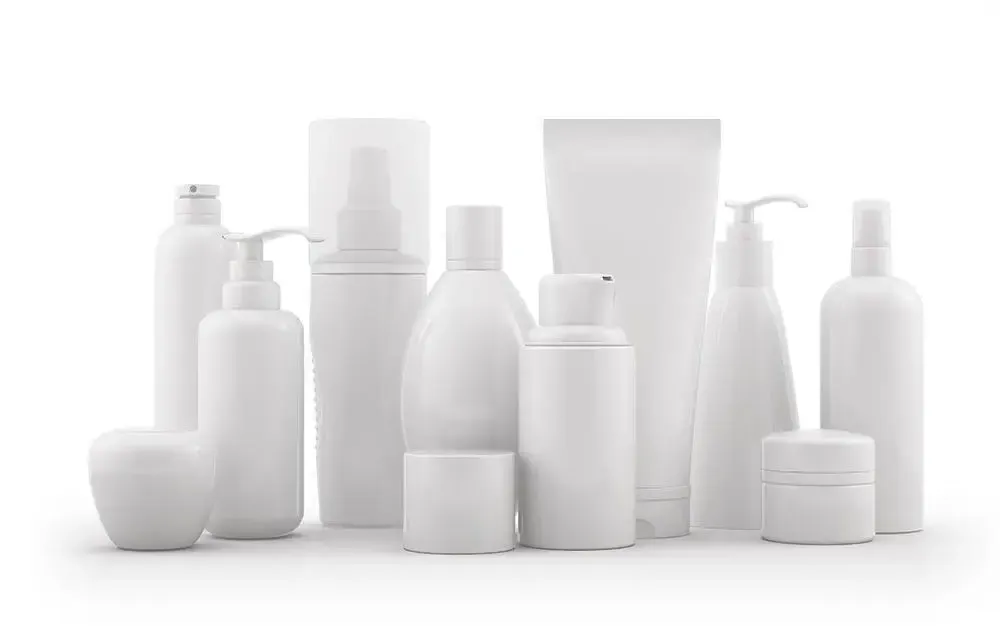
Premium skincare formulations are among the most chemically complex packaging contacts in the consumer goods industry — combining high concentrations of active ingredients (retinoids, AHAs, BHAs, peptides, antioxidant vitamins, botanical extracts), carrier systems (propylene glycol, glycerin, squalane, botanical oils), and preservative systems in formulations that may be acidic (low pH AHA/BHA formulations), alkaline (some enzyme formulations), or highly aromatic (essential oil concentrations in 1–5% ranges). Each of these components presents a specific packaging interaction risk that must be assessed before commercial production adoption.
Key Formulation-Packaging Interaction Mechanisms
Three primary mechanisms govern formulation-packaging interactions for premium skincare in PETG bottles. Sorption — the absorption of formulation components into the PETG matrix — removes active molecules from the formulation over time, potentially reducing potency below specification. High-molecular-weight fragrance compounds, certain oil-soluble vitamins, and some preservative systems show measurable sorption into PETG, the magnitude of which depends on the specific compound’s partition coefficient between the formulation matrix and PETG. Migration — the movement of PETG components (residual monomers, additives, oligomers) from the packaging into the formulation — adds extractable substances to the product that were not present in the original formulation specification. Food-contact-grade PETG has very low extractable levels, but a formal extractables study is required for premium skincare products where brand positioning depends on clean, pure formulation claims. Permeation — the migration of oxygen or water vapour through the PETG wall — affects formulation stability, particularly for oxygen-sensitive actives. PETG’s oxygen permeability is low (0.025–0.040 cc·mm/m²·day·atm) but not zero; for vitamin C and retinol formulations in small bottles (high surface area-to-volume ratio), supplementary barrier measures (nitrogen headspace flushing, barrier-enhanced PETG, or UV-protective tint) may be necessary to achieve the required shelf life without active potency loss.
Stability Testing Programme for Premium Skincare-PETG Compatibility
The minimum stability testing programme for a new premium skincare formulation in an ISBM PETG bottle covers: accelerated stability (40°C/75% RH for 6 months, with 3-month interim assessment) measuring active ingredient potency, pH, colour, odour, and physical appearance; ambient stability (25°C for 24 months) for shelf-life confirmation; photostability (exposure to ICH Q1B lighting conditions) for products that will be stored or displayed in transparent packaging; and compatibility assessment (bottle dimensions, haze, surface condition before and after storage). For premium skincare brands whose product claims include specific active concentration delivery at end of shelf life (“clinically proven X% active at 24 months”), the stability programme must confirm that the chosen PETG bottle achieves this performance with adequate margin — not just at the lower bound of the specification.
Premium Skincare Formulation Types and Recommended PETG Configurations
Water-based serums and toners (water carrier, low oil content, aqueous actives) are fully compatible with standard optical-grade PETG without special configuration — the most straightforward premium skincare application for ISBM. Oil-in-water emulsions (moisturisers, day creams) at standard oil fractions (5–30%) are compatible with PETG without special configuration. Water-in-oil emulsions at high oil fractions (above 50%) require stability testing at the formulation’s specific emollient composition, as oil permeation into PETG is dependent on the specific oils present. High-concentration essential oil formulations (above 3% total) require PETG stability testing with the specific oil blend. Retinol and vitamin C formulations require UV-protective tint or opaque bottle specification plus low-oxygen headspace for reliable active shelf life. Acid-based exfoliant formulations (AHA at pH 3.2–4.0, BHA at pH 3.0–3.8) are compatible with PETG over standard shelf lives with no special configuration.
Premium Skincare Bottle Design: How ISBM Delivers Brand Differentiation at Scale
The premium skincare market’s design vocabulary — the specific geometric forms, surface treatments, and material effects that communicate luxury, efficacy, and brand identity — maps closely to ISBM’s production capabilities. Understanding how each premium design element is produced through ISBM, and what controls its quality and consistency, allows brand teams to develop packaging briefs that are simultaneously visually ambitious and production-realistic.
| Premium Design Element | ISBM Production Mechanism | Quality Control Requirement | Typical Skincare Application |
|---|---|---|---|
| Water-white glass clarity | Optical-grade PETG + mirror-polish cavity Ra ≤ 0.04 µm + ≤ 20 ppm moisture | Haze ≤ 1.5%; backlit visual per shift | Serums, facial oils, essence |
| Luxurious bottle weight | Heavy preform (0.8–1.5mm body wall); modified stretch ratio and cooling time | Wall thickness grid map per batch | Serums, treatment oils, eye serums |
| Embossed brand mark | EDM or hand-engraved cavity feature; 0.3–1.5mm depth; ≥ 0.15mm stroke | Photography comparison vs reference; inspect under oblique light | All premium categories |
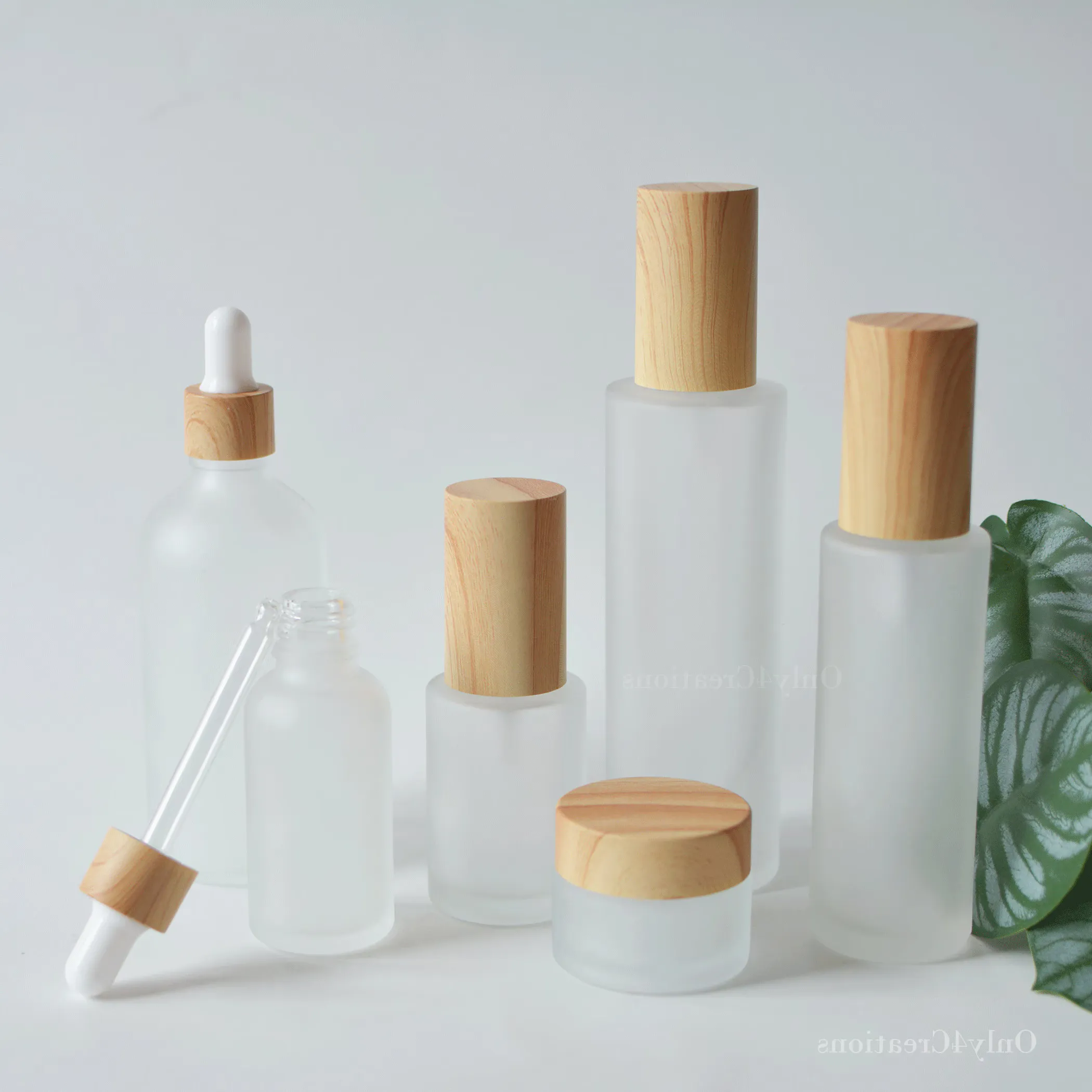
| Frosted / satin surface | Controlled bead-blast or acid-etch cavity; Ra 0.20–0.50 µm; uniform coverage | Ra measurement quarterly; visual uniformity | Moisturiser, clean beauty, men’s |
| Brand colour tint | Masterbatch at documented loading; ΔE ≤ 1.5 vs standard; L*a*b* tracking | Spectrophotometric batch measurement | All colour-coded ranges |
| Faceted crystal design | Flat facet planes machined in cavity; mirror-polished faces; tight edge radii ≤ 0.15mm | Wall thickness at edges ≥ 0.3mm; facet mirror Ra | Prestige serum, fragrance-adjacent |
| Zone-differentiated finish | Different Ra specifications in cavity zones; transition at geometric feature | Ra measurement in each zone; visual transition sharpness | Premium moisturiser, body oil |
| Pearlescent shimmer | Mica-based pearlescent masterbatch at calibrated loading in PETG | Visual uniformity; no particle cluster or streak | Body care, luxury moisturiser |
Sustainability Requirements for Premium Skincare Packaging: ISBM’s Credentials
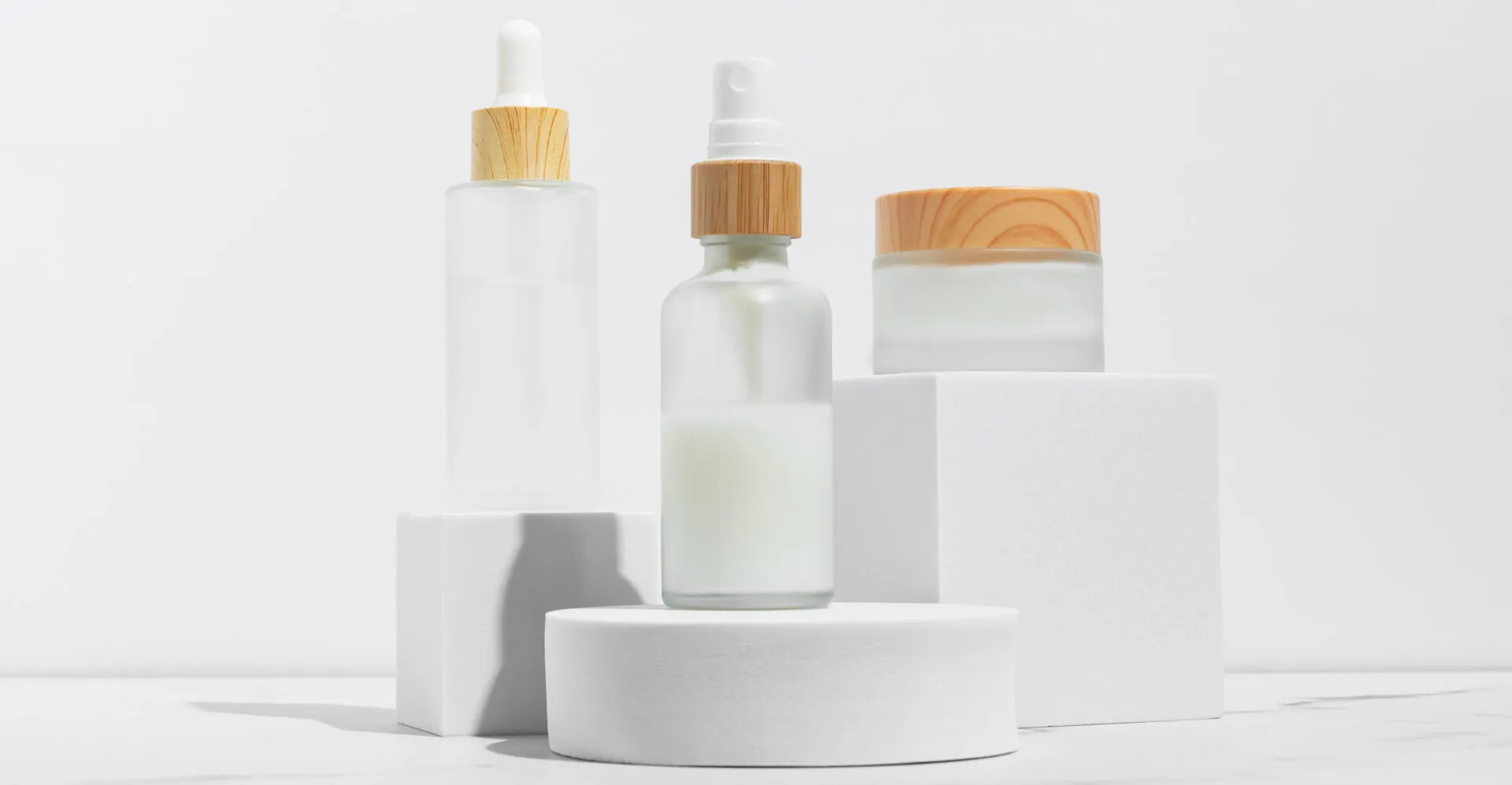
Premium skincare consumers increasingly hold brands to a dual performance standard: superior product efficacy AND demonstrable environmental responsibility. Packaging that achieves premium visual quality but cannot support sustainability claims is now commercially vulnerable in the premium skincare segment, where ESG credentials are as much a brand equity investment as packaging aesthetics. ISBM PETG bottles address this dual requirement through several specific sustainability mechanisms that are substantiatable and ACCC-compliant.
Recyclability: Clear and lightly tinted PETG ISBM skincare bottles are accepted in Australian kerbside recycling (classified as #1 PET under Australian recycling sorting codes) and are eligible for Container Deposit Scheme participation where format and size criteria are met. The “recyclable at kerbside” claim is substantiatable through APCO recyclability assessment — a specific, verifiable claim rather than a generic “eco-friendly” assertion. For premium skincare brands with sustainability-engaged consumer bases, this recyclability claim is both genuine and communicable.
Recycled content: 25–30% certified cosmetic-grade rPET is achievable in premium skincare ISBM bottles with maintained optical quality performance (haze increase of 0.2–0.4% relative to virgin at 25–30% blend — below perceptible threshold under display conditions). The rPET content must be from a certified food/cosmetic-contact supply chain with documented chain of custody — only this certification level supports an on-pack “made with X% recycled content” claim that is defensible under ACCC scrutiny and credible to sophisticated premium skincare consumers.
Lightweighting: Premium skincare bottles are frequently more heavily specified than structural requirements demand — the thick-wall optical depth specification is the driver, not structural performance. For brands committed to material use reduction, a formal lightweighting analysis can identify where wall thickness exceeds the minimum required for the optical depth target, and where further weight reduction from the optical specification target is achievable through design modifications that maintain the premium visual character while reducing material use. A 15% weight reduction from a 20g premium serum bottle is AUD 0.004–0.006 per bottle material saving plus a documentable carbon footprint reduction that supports Scope 3 reporting for brands with emission reduction commitments.
The Production Quality Programme for Premium Skincare ISBM Bottles
A premium skincare ISBM production quality programme must go beyond the standard cosmetic quality system in several respects — reflecting the higher optical quality specification, the tighter dimensional tolerance required by premium dispensing systems, and the more rigorous formulation compatibility assessment that premium brands’ regulatory and brand quality commitments require.
🔬 Incoming Material Verification
Each PETG resin batch verified against: IV (0.75–0.80 dL/g), b* colour (≤ 1.5), acetaldehyde (≤ 1.0 ppm for premium skincare — lower than beverage specification because cosmetics are more sensitive to AA off-notes). Masterbatch colourant lots verified against approved L*a*b* colour standard (ΔE ≤ 1.0 vs approved lot). Reel-to-reel or lot-to-lot traceability maintained for every production batch.
📏 Start-of-Run Dimensional Verification
First 10 bottles from each cavity at each production start: neck finish thread dimensions, finish roundness, finish height, internal bore diameter (for dropper or airless applications), body panel wall thickness at 8 defined points, and base wall thickness. All dimensions verified against drawing tolerances before production is released. Any cavity failing dimensional acceptance held and process adjustment made before further production from that cavity.
💡 In-Process Optical Inspection
Minimum every 30 minutes: backlit visual inspection for haze variation and banding; spot-lit inspection for surface marks and emboss clarity. Hazemeter measurement on body panel specimens from each cavity every shift — haze values logged and trended against the ≤ 1.5% specification. Spectrophotometric colour measurement for tinted bottles every batch, with ΔE recorded and retained for trend analysis. Any result outside specification triggers immediate process parameter review and cavity-level investigation.
⚗️ Dispensing System Compatibility
Pump engagement, removal torque, and drop-test retention tested on 10-bottle sample per cavity per production batch. Dropper internal bore measured and documented per batch. Airless piston travel test at 100%, 50%, 10%, and 2% fill on 5-bottle sample per cavity. Sealing integrity test on 100% of filled and capped product at filling line. Any failure triggers bottle hold and investigation before filling restart.
🛠 Tooling Maintenance Records
Cavity Ra profilometer measurement and record at each 250,000-cycle interval; re-polish triggered at Ra > 0.06 µm. Conditioning lamp output measurement monthly; replacement at 80% output. Cooling channel flow rate verification quarterly. All maintenance events, measurements, and corrections recorded in the tooling logbook with date, cycle count, measurement results, and corrective actions. Logbook retained for the tooling’s full service life.
📋 Ongoing Compatibility Monitoring
Ongoing stability samples from current production bottles filled with current formulation batches, stored at 40°C for 6 weeks quarterly. Assessment: bottle haze and dimensions, active ingredient potency (for formulations with potency-tracked actives), and olfactory evaluation (for products where packaging-formulation interaction affects sensory profile). Results reviewed against initial qualification data — any change outside defined limits triggers full investigation before continued commercial production.
The Case for ISBM over Glass in Premium Skincare: A Balanced Assessment
The question of ISBM PETG versus glass for premium skincare packaging does not have a universal answer — it depends on the brand’s specific positioning, distribution channel, product category, and commercial priorities. An honest, balanced assessment of where ISBM is the superior choice and where glass retains advantages helps premium skincare brands make the right decision for their specific context.
ISBM PETG is clearly superior to glass in the following contexts: travel and e-commerce (no breakage risk; lighter shipping weight; no dangerous goods implications for alcohol content in sprays); limited edition and seasonal productions (smaller minimum batches, shorter lead times, lower tooling cost per design change); brand-owned manufacturing (internal production control, no minimum order constraint, production-on-demand capability); sustainable positioning (rPET content claims, recyclability through kerbside, lower embodied carbon than glass at equivalent functional performance); and mid-market premium (products at AUD 35–90 price points where glass economics at the required minimum batch sizes are problematic).
Glass retains a genuine advantage over ISBM PETG in the following specific contexts: ultra-prestige positioning at price points above AUD 200, where the physical weight, thermal conductivity, and absolute inertness of glass are perceived as intrinsic to the product promise; ultra-thick-wall designs where wall sections above 3mm are required for the specific optical depth effect; and heritage brand conventions where the brand’s existing equity is so tightly tied to glass that any change would create consumer confusion or trust concerns.
The premium skincare market segment that sits between commodity and ultra-prestige — the masstige and accessible luxury categories at AUD 45–150, which represents the largest and fastest-growing segment of the premium skincare market — is precisely where ISBM PETG’s combination of glass-comparable optical quality, commercial flexibility, and better sustainability economics makes it the optimal packaging choice. Australian skincare brands competing in this segment with glass packaging are typically over-specified and over-invested in their packaging production technology relative to what their price point and volume require.
Ever-Power’s Premium Skincare ISBM Development Programme
Australia Ever-Power’s Condell Park NSW team provides premium skincare brands with a development programme specifically structured around the premium packaging requirements — not a standard cosmetic packaging development framework applied to a premium specification. The premium skincare ISBM development programme begins with a comprehensive packaging specification review that translates the brand’s commercial and aesthetic requirements into a precise technical specification: target haze, wall thickness profile, dispensing system compatibility requirements, stability testing protocol, colour specification, surface finish Ra, and emboss detail specification. Every element of the technical specification is documented before tooling manufacture is commissioned.
The tooling development phase for premium skincare includes specific requirements that standard cosmetic tooling does not always incorporate: profilometer-verified Ra at tooling acceptance (not just visual assessment), cooling channel flow rate documentation at individual cavity level, photography of embossed features against drawing for future maintenance comparison, and a formal cavity dimensional report against the drawing. These additional documentation requirements protect the brand’s investment in premium tooling quality by providing the objective baseline against which future maintenance assessments are made.
Post-commissioning, Ever-Power’s quarterly premium skincare client review covers: optical quality trend analysis from production haze records; tooling Ra status against the documented acceptance measurement; conditioning system calibration verification; dispensing compatibility re-test on current production samples against the qualification record; and formulation compatibility status from the ongoing stability programme. This ongoing programme is the operational support infrastructure that ensures premium skincare ISBM operations maintain the standards established at launch across the full bottle design’s production life. Contact sprzedaż@isbm-technology.com to discuss your premium skincare bottle ISBM development requirements.
Emerging Premium Skincare Packaging Trends and ISBM’s Response
The premium skincare packaging landscape is undergoing structural changes that expand the opportunity for ISBM and that the ISBM production platform is well-positioned to serve. The shift toward bio-attributed and bio-circular PETG — manufactured from sugarcane-derived or other bio-based feedstocks with identical chemistry to conventional PETG — allows premium skincare brands to combine glass-equivalent optical quality with a bio-based material origin claim that the sustainability-engaged premium consumer values. Bio-attributed PETG availability from certified sources is expanding, and the ISBM process handles it identically to conventional PETG.
The expansion of clinical and dermocosmetic positioning in premium skincare — products marketed as clinically evidenced, dermatologist-tested, and formulation-transparent — creates demand for packaging that communicates scientific integrity rather than luxury aspirationalism. ISBM’s precision engineering and the measurable, documentable quality standards (haze values, dimensional tolerances, extractables levels, dispensing performance) that ISBM-produced PETG bottles can support are directly aligned with the packaging requirements of this positioning. A premium serum with a “clinically proven active delivery” claim requires packaging whose dispensing performance is equally documented and validated — ISBM delivers this.
The mainstreaming of personalised skincare — products custom-formulated for individual skin type, microbiome profile, or specific active ingredient needs — creates demand for ISBM production in smaller batch sizes per formulation variant, with full brand quality maintained across all variants. ISBM’s flexible production from single-cavity tooling at minimum batches of 3,000–5,000 units per formulation code, combined with the validated quality standards that premium brand requirements demand, positions it as the production platform for the personalised skincare mass market that is currently emerging from bespoke clinical practice into retail-accessible brand formats.
Meet Your Premium Skincare Packaging Standard With ISBM
Australia Ever-Power’s premium skincare ISBM development programme provides the optical quality specification, tooling engineering, dispensing system compatibility, and ongoing quality support that premium brand standards require — delivered locally from Condell Park NSW.
Begin Your Premium Skincare Bottle Development →
[email protected] | Condell Park NSW 2200, Australia | isbm-technology.com
Featured Product
One-Step Injection Stretch Blow Molding Machine — Four-Station HGYS150-V4-EV (Fully Servo)
For premium skincare bottle production operations where optical quality, dimensional precision, and clean production environment are the primary machine specification requirements, the HGYS150-V4-EV fully servo four-station one-step injection stretch blow molding machine provides the process control architecture that premium skincare PETG standards demand. The fully servo-electric drive across all axes — including the conditioning system’s individual zone power management — achieves the ±0.5°C conditioning temperature uniformity that eliminates banding in PETG serum and treatment bottles, and the ±0.5mm stretch rod position repeatability that delivers the consistent wall thickness distribution that premium skincare optical depth specifications require. Hydraulic oil-free operation creates the clean, contamination-free environment required by premium skincare and pharmaceutical-adjacent packaging production programmes. It processes optical-grade PETG and PET, accommodates rPET blends with adaptive injection profiling, handles the full range of premium skincare volumes (15ml dropper serums through 200ml body oil formats), and accepts precision neck finishes for pump, dropper, airless, and sealed pipette dispensing systems. Full technical capability data, PETG processing specifications, and premium skincare application examples are available at isbm-technology.com. Contact sprzedaż@isbm-technology.com for a premium skincare application capability discussion.