Oral Liquid Medicines: Where Paediatric Safety and Dosing Precision Define the Packaging Brief
Oral liquid pharmaceutical products — syrups, suspensions, solutions, and elixirs — are the dosage form of choice for paediatric patients who cannot swallow tablets or capsules, for elderly patients with swallowing difficulties, for patients requiring precise dose titration, and for pharmaceutical formulations where aqueous solution provides superior bioavailability over solid dose forms. The packaging for these products must address a specific set of requirements that combines the pharmacopoeial material purity standards of pharmaceutical containers with the child safety requirements of products used by or around young children, the dose accuracy needs of liquid pharmaceutical administration, and the in-use contamination prevention that multi-dose containers require across a treatment course lasting days to weeks.
Ten injection stretch blow molding machine produces oral liquid pharmaceutical bottles that meet all of these requirements simultaneously — precise CRC neck finish dimensions, pharmacopoeial-grade PET with controlled extractable profile, dosing cup seat geometry for accurate volume administration, and production consistency that maintains these specifications across every bottle in a commercial production run. This guide covers the technical requirements of oral liquid pharmaceutical bottle production in detail, with specific reference to Australian TGA regulatory requirements and paediatric medicine safety standards.
Australia Ever-Power Injection Stretch Blow Moulding Machine Co., Ltd, based in Condell Park NSW 2200, provides oral liquid pharmaceutical manufacturers and hospital pharmacy compounders with ISBM machine technology and pharmaceutical validation support configured for the TGA-regulated oral medicine packaging environment.
Dose Accuracy Architecture: Dosing Cup Seats and Measuring System Compatibility
Accurate dose administration is the most clinically critical performance attribute of oral liquid pharmaceutical packaging for paediatric products. A child receiving a 5ml dose of antibiotic suspension who actually receives 4ml (80% of nominal) due to an inaccurate measuring cup may fail to achieve adequate plasma concentrations for bacterial eradication, contributing to antibiotic resistance and treatment failure. Conversely, a child receiving 7ml (140% of nominal) of a narrow-therapeutic-index anticonvulsant may experience dose-dependent toxicity from the overdose. The dosing cup is the primary instrument for dose measurement and delivery, and its accuracy depends directly on the dimensional relationship between the cup and the bottle neck it sits on.
Dosing Cup Seat Geometry in ISBM Oral Liquid Bottles
The dosing cup seat — the exterior geometry of the bottle neck that positions and stabilises the measuring cup during dispensing — must be engineered with two dimensional requirements in mind: the cup must seat stably (not tip or slide during the pouring operation) and the cup’s calibrated volume markings must be accurate relative to the amount of liquid that actually fills to each level. The second requirement means that the cup’s internal volume calibration must have been conducted against the specific bottle neck geometry — a cup calibrated on one bottle neck profile will produce dose errors if used on a different neck geometry that positions the cup differently relative to the bottle opening, causing liquid to enter the cup at a different angle or with a different “dead volume” in the cap-to-cup transition zone. ISBM’s injection-formed neck provides the dimensional consistency (neck OD ±0.10mm, cup seat shoulder height ±0.12mm) that reliable cup calibration requires across every bottle from every production cavity in a commercial batch.
Oral Syringe Compatibility for Paediatric Dosing
For paediatric medicines administered by oral syringe — the preferred dosing method for infants and toddlers who cannot hold a cup, and for precise dose titration in hospital pharmacy — the bottle neck must accommodate the oral syringe tip (typically a 5mm or 6mm diameter cylindrical tip) inserted directly into the bottle through the closure. The ISBM bottle neck bore must provide a clean syringe engagement: sufficient clearance for the syringe tip to enter without binding, but tight enough to form a seal that prevents liquid from draining back around the syringe as the syringe is withdrawn from the bottle. For bottles with inserts (a polyethylene bottle adapter that snaps into the neck and provides a calibrated syringe entry port), the ISBM neck bore must match the adapter’s snap-in specification (±0.10mm) for reliable and repeatable adapter engagement across all production cavities.
Graduated Bottle Markings for Consumer Self-Measurement
Some oral liquid product packaging uses a graduated scale moulded or printed on the bottle body to enable consumer dose measurement directly from the bottle without a separate cup. These bottle-integrated dosing marks require the bottle body to have an optically clear, flat-panel zone of defined width and height, with consistent wall thickness throughout the marking zone — so that the liquid level is visible against the dose graduation marks without optical distortion from wall thickness variation. ISBM’s label panel consistency (±0.20mm flatness, ±0.30mm width) and body wall thickness distribution control provides the optical uniformity that integrated bottle dose markings require for reliable patient dose self-measurement.
Child-Resistant Closure Requirements for Oral Paediatric Medicines in Australia
Under the Therapeutic Goods (Standard for Child-Resistant Packaging) Order 2021 and the associated poison scheduling regulations, virtually all Schedule 2, 3, 4, and 8 oral pharmaceutical products supplied in consumer packaging in Australia require child-resistant closure packaging. This requirement applies to paediatric oral medicines in particular — the specific population that would be most harmed by accidental ingestion has access to these products in the home. The CRC requirement for oral liquid medicines is therefore not a commercial decision but a legal manufacturing obligation.
Push-and-Turn CRC for Oral Liquid Bottles
The standard CRC for oral liquid pharmaceutical bottles in Australia is the push-and-turn mechanism — press down on the cap while simultaneously turning to disengage the lock, then turn normally to unscrew. This mechanism is child-resistant because young children have difficulty simultaneously applying downward pressure and rotational force, while adults can perform this two-motion action intuitively. The push-and-turn CRC depends on a defined dimensional relationship between the bottle neck finish (specifically the outer diameter at the push-and-turn lock engagement zone) and the closure’s internal locking geometry. ISBM’s injection-formed neck provides the engagement OD (±0.08mm) and roundness (±0.06mm ovality) that the push-and-turn mechanism requires for reliable child resistance across the full production population of all cavities.
Senior-Friendly Accessibility and the Dual-Population Challenge
The challenge of CRC packaging for oral liquid medicines is the “dual-population” requirement of ISO 8317: the closure must simultaneously be resistant to children (resisting opening by ≥85% of children in the standard 42–51-month age group) and accessible to adults (accessible by ≥90% of adults in the 50–70-year age group, including those with reduced hand strength). For oral liquid products used primarily by elderly patients — such as liquid formulations of osteoporosis medications, cardiovascular drugs, and analgesics formulated as liquids for patients with swallowing difficulties — the adult accessibility requirement is commercially critical. A CRC that is reliably child-resistant but inaccessible to the patient population undermines medication adherence and generates patient complaints. ISBM’s dimensional consistency across all production cavities — ensuring every bottle’s CRC engagement dimension is within the validated range — is the production quality foundation that maintains the dual-population balance the CRC designer intended.
Pharmacopoeial Material Compliance for Oral Liquid PET Containers
Oral liquid pharmaceutical containers in direct contact with the drug product must meet the pharmacopoeial material requirements of USP <661> Plastic Packaging Systems or the equivalent Ph.Eur. 3.1.15 standard. For oral liquid medicines — where the container is in contact with an aqueous or hydro-alcoholic solution for the product’s full shelf life — the relevant extractable concerns for PET are acetaldehyde, heavy metals (antimony from polymerisation catalyst), and trace organic compounds from the PET additive package.
Acetaldehyde Control
AA migration into aqueous oral medicines: target below 20 µg/L for taste-neutral oral products, below 10 µg/L for paediatric products where off-taste may affect compliance. Controlled through pharmacopoeial-grade resin with AA-scavenger, validated barrel temperature profile, and residence time management. Confirmed by headspace GC analysis on filled production samples at stability intervals.
Antimony Migration
Antimony from PET polymerisation catalyst migrates into aqueous solutions in contact with the PET wall. Pharmacopoeial-grade PET resin from certified suppliers produces antimony migration well below the WHO oral drinking water guideline (20 µg/L). For paediatric oral medicines where lower limits are clinically appropriate, the specific migration value from production containers must be measured and documented in the CCS data package.
Hydro-Alcoholic Formulations
Oral liquid medicines containing ethanol as co-solvent (tinctures, elixirs, alcohol-containing cough preparations) require compatibility assessment at the specific ethanol concentration. PET is compatible with ethanol below 20% w/v at ambient temperatures. Above 30%, PETG is preferred. Paediatric medicines should minimise ethanol content — many Australian formulations are alcohol-free to avoid ethanol exposure in children.
Moisture Barrier for Hygroscopic Suspensions
Reconstituted antibiotic suspensions (amoxicillin, azithromycin) packaged after reconstitution require low MVTR to prevent water loss that would concentrate the active ingredient above specification. ISBM PET’s biaxial orientation provides lower MVTR than unoriented alternatives. Confirmed through gravimetric ASTM E96 test at 25°C/60% RH on production containers.
Oral Liquid Container Formats: Syrups, Suspensions, and Hospital Pharmacy Applications
Oral liquid pharmaceutical products span several formulation types — each with distinct packaging implications for the ISBM container design. Understanding these formulation-specific requirements is the foundation for developing containers that perform correctly for the specific oral liquid product.
Syrups and Solutions (Clear Oral Liquids)
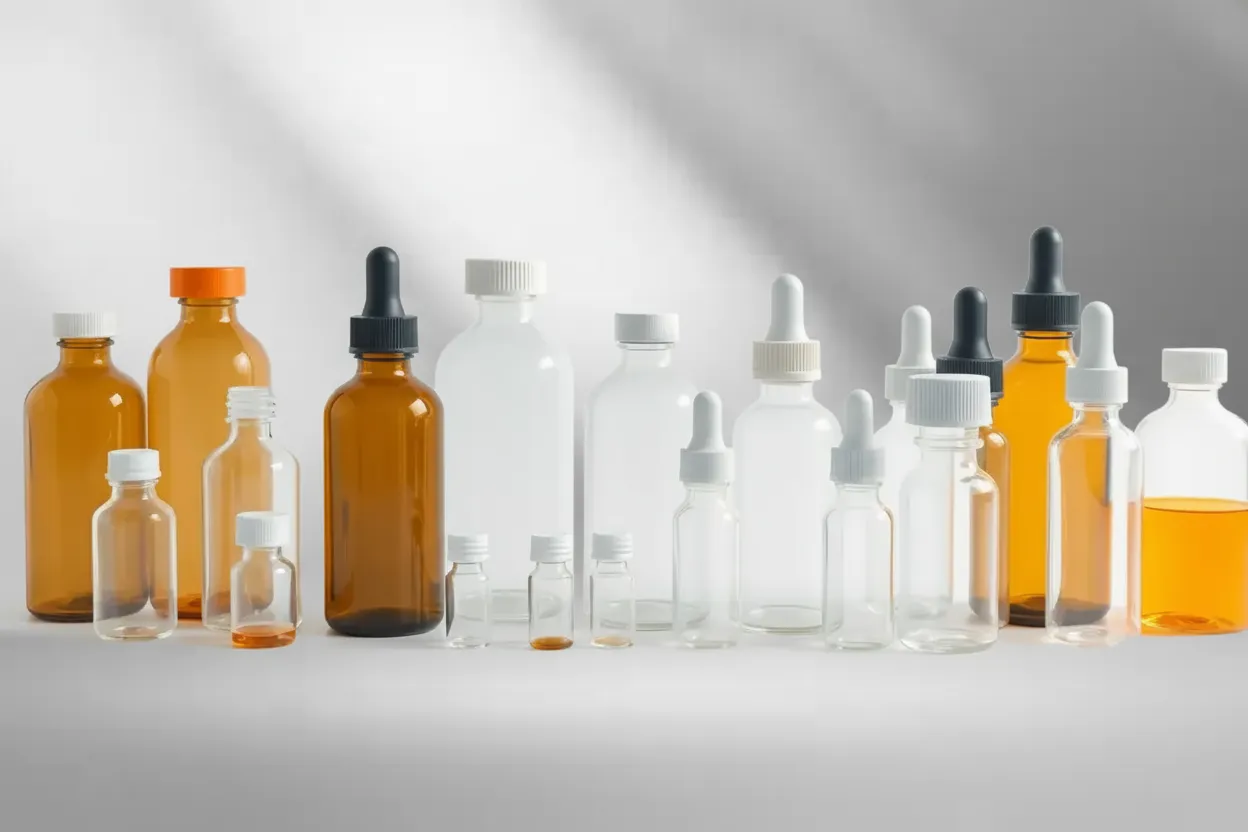
Clear oral liquid syrups — such as paracetamol solution, ibuprofen liquid, antihistamine elixir, and vitamin supplements — benefit directly from ISBM PET’s optical transparency. The consumer’s ability to see through the bottle confirms the product is a clear solution (not a cloudy suspension that might have been incorrectly filled), and allows direct visual assessment of the remaining product volume without needing to read the graduations on the bottle. For paediatric syrups that often have appealing colours (red, orange, pink) to encourage medication acceptance by children, the clear bottle also displays the product colour attractively — a commercial consideration that affects consumer preference between otherwise equivalent products.
Suspensions (Antibiotic and Multi-Dose Powders for Reconstitution)
Oral antibiotic suspensions supplied as dry powder for reconstitution (amoxicillin, azithromycin, clarithromycin) are one of the highest-volume paediatric medicine applications in Australia. The bottle must: hold the dry powder without the moisture uptake that would cause premature reconstitution and degradation (addressed by the induction seal and CRC closure combination providing a hermetic barrier before the pharmacist adds water at dispensing); accommodate the reconstituted suspension volume after water addition (the bottle must have adequate headspace above the nominal fill line to allow water addition and mixing without overflow); and maintain the reconstituted suspension’s stability over the labelled post-reconstitution shelf life (typically 7–14 days refrigerated). The clear PET ISBM bottle is the standard packaging for antibiotic powder suspensions in the Australian pharmacy sector because the transparency allows both the pharmacist and the parent to confirm the correct reconstituted volume and the expected consistency of the suspension before administration.
Hospital Pharmacy Compounded Oral Liquids
Hospital pharmacies compound oral liquid medicines for patients with specific dose requirements — particularly paediatric patients who require a dose below the minimum commercially available solid dose, elderly patients who cannot swallow standard tablets, and patients requiring specialised formulations not commercially available (anti-epileptic drug suspensions, liquid chemotherapy pre-medications, compounded hormone preparations). ISBM PET bottles used for hospital pharmacy compounding must be sourced from pharmacopoeial-grade production and must carry material certificates confirming pharmacopoeial compliance — the TGA hospital compounding exemption does not exempt the container materials from pharmacopoeial purity requirements. Contact sprzedaż@isbm-technology.com to discuss pharmacopoeial material certification packages for hospital pharmacy container supply programmes.
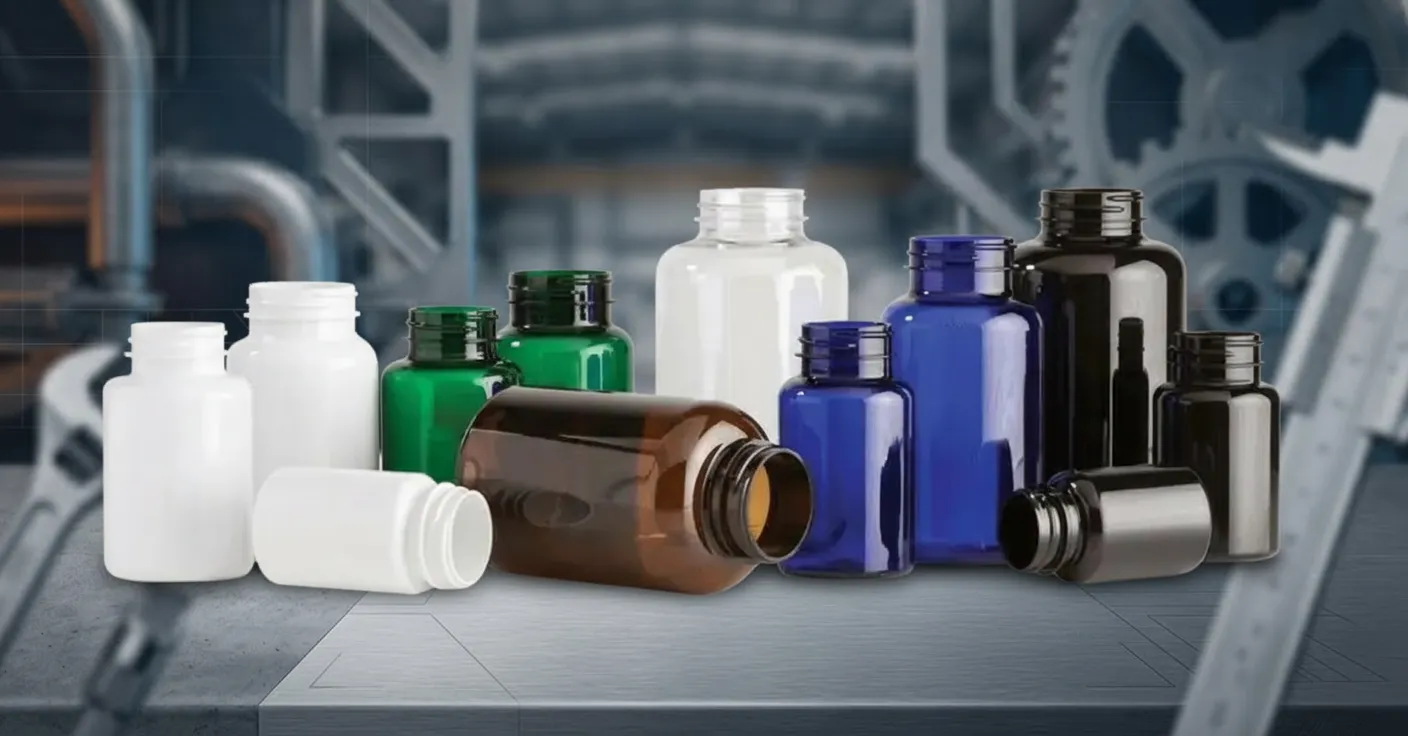
Induction Sealing and Tamper-Evidence for Oral Liquid Pharmaceutical Bottles
Induction foil sealing is mandatory for Schedule 2 and higher oral pharmaceutical products in Australian community pharmacy supply — the foil seal provides both the tamper-evidence that confirms the product has not been accessed before dispensing and the hermetic barrier that protects the oral liquid from moisture ingress and contamination between manufacture and dispensing. At the pharmacy, the induction seal is intact when the pharmacist labels and dispenses the product; the patient is expected to observe the intact seal as evidence the product is untampered. At home, the patient breaks the induction seal on first opening, and the CRC closure alone provides the subsequent sealing and child resistance.
ISBM’s injection-formed neck sealing surface (Ra ≤ 0.40 µm, flatness ±0.12mm, sealing land width ±0.15mm) provides the dimensional consistency that reliable induction sealing requires at the pharmaceutical filling line speeds of 5,000–20,000 bottles per hour. The induction seal quality on oral liquid bottles is verified on the filling line through 100% downstream leak testing (vacuum decay or pressure decay method) confirming no seal voids, combined with periodic destructive peel-strength testing confirming adequate foil bond strength for tamper-evidence performance through the supply chain.
The induction seal specification for oral liquid pharmaceutical bottles should include: minimum peel force (typically 15–30N for a standard induction foil liner on a 28mm neck) confirmed over the product’s approved shelf life; maximum peel force ceiling (ensuring the seal can be opened by elderly and arthritic patients without tools or excessive effort, typically below 60N); and seal integrity confirmation (no liquid leakage through the seal at the product fill level under transit vibration and temperature cycling conditions). These performance parameters are documented in the container-closure system qualification and are part of the TGA submission dossier.
Paediatric-Specific Design Considerations for Oral Liquid Bottles
Paediatric medicine bottles serve a unique dual audience: the adult caregiver who manages the medicine and administers doses, and the child who may access the bottle unsupervised. The design requirements for paediatric oral liquid bottles reflect both audiences — child resistance for the safety audience, and ease of adult use for the caregiver audience — while meeting the pharmacopoeial and TGA standards applicable to all oral pharmaceutical products.
Bottle Size for Paediatric Dose Volumes
Paediatric oral liquid courses are typically short (5–10 days for antibiotic courses) and at relatively small volumes (2.5–10ml per dose, 2–4 doses per day). Total course volumes range from 50ml (a 5-day antibiotic course at 5ml twice daily) to 150ml (a 10-day antibiotic course at 5ml three times daily). ISBM bottles in the 50ml, 75ml, 100ml, and 150ml format range are the standard sizes for paediatric oral liquid medicines in Australian pharmacies. The bottle must have sufficient headspace above the fill line for the reconstitution water addition (for powder suspensions) — typically 20–30% of total bottle volume is allocated as headspace — while maintaining a body geometry that is graspable by an adult hand and stable on a bathroom shelf.
Label Panel for Dosing Instructions
Paediatric oral liquid medicines carry comprehensive dosing instructions on the pharmacy label — weight-based doses, age-based doses, maximum daily doses, and reconstitution instructions (for antibiotic suspensions). These instructions require a label panel of sufficient area to accommodate the full labelling text at a font size accessible to caregivers in poor lighting conditions (typically minimum 8-point font for primary dosing instructions). ISBM’s label panel geometry (±0.20mm flatness, ±0.30mm width) ensures consistent label application and legibility across all production output — avoiding the text distortion that non-flat label panels cause and that could compromise the legibility of a dosing instruction at a critical administration moment.
Ergonomic Grip for One-Hand Operation
Caregivers administering oral medicine to young children typically hold both the child and the bottle simultaneously — a one-hand bottle management scenario where a secure grip without risk of dropping is essential. ISBM’s body geometry design can incorporate a waist zone (a defined body narrowing at the grip zone) and a textured surface (Ra 0.3–0.5 µm from controlled cavity texture) that improves grip security during one-handed operation. These ergonomic features are engineered into the blow mould cavity geometry and reproduced on every production bottle without additional operations — providing patient-handling safety without adding manufacturing complexity or cost.
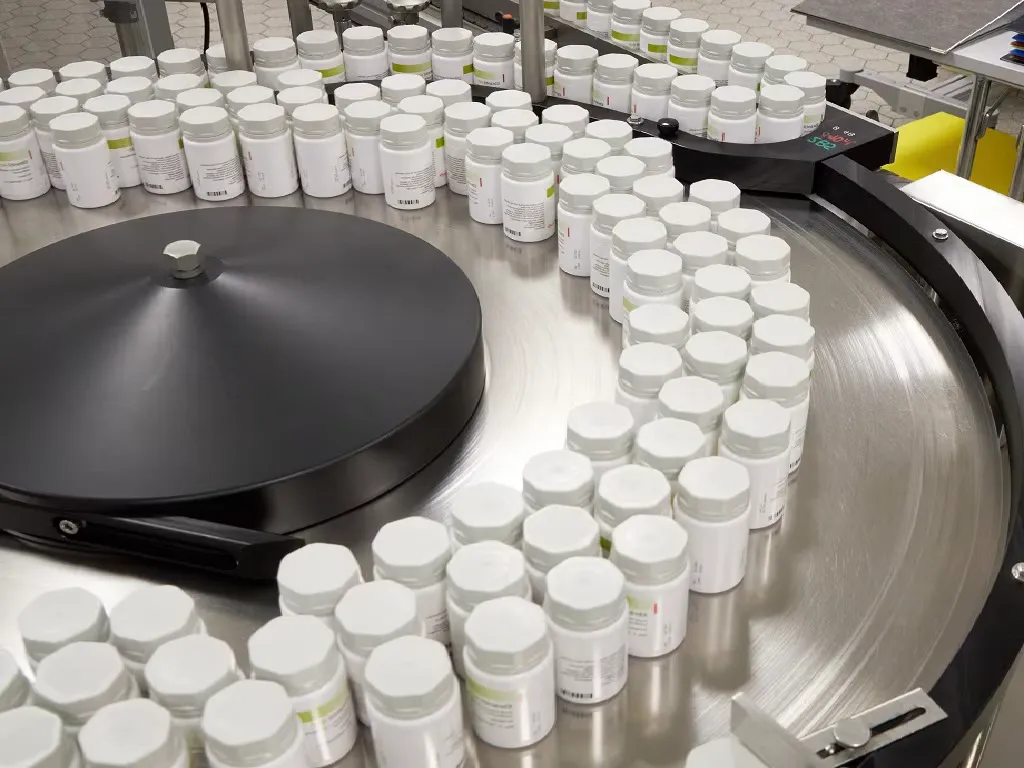
Oral Liquid ISBM Production Configuration and Quality Management
Oral liquid pharmaceutical bottle ISBM operations produce across a range of volumes and formats — from 30ml dropper-neck nutritional supplement bottles through 500ml cough medicine bottles — often with multiple colour variants (clear, amber, white-tinted) and closure systems (CRC screw cap, pump dispenser, flip-top). The production configuration that serves this diversity efficiently requires careful scheduling and a systematic changeover protocol that maintains GMP compliance across all product transitions.
| Format | Volume | Typical Application | Closure | Production Rate |
|---|---|---|---|---|
| Small paediatric syrup | 30ml – 60ml | Antibiotic suspension, vitamin drops | 28mm CRC + induction seal | 4,000–8,000 BPH |
| Standard syrup bottle | 100ml – 200ml | Antibiotic suspension, liquid paracetamol | 28mm CRC + dosing cup seat | 3,500–7,000 BPH |
| Adult OTC liquid medicine | 200ml – 500ml | Cough medicine, liquid antacid, mouthwash | 33mm CRC or flip-top | 2,500–5,000 BPH |
| Hospital pharmacy compound | 30ml – 150ml | Compounded paediatric suspensions | Syringe adapter + CRC cap | Single cavity, small batch |
For each format transition, the GMP-required changeover procedure must include: documentation of the previous product identification, line clearance sign-off by a second operator, process recipe recall from the validated recipe management system, first-article dimensional inspection on 10 bottles per cavity, and QA release of the first production batch before filling operations commence. These steps are not optional additional effort — they are the GMP production controls that prevent cross-contamination and ensure the containers supplied to the pharmaceutical filling line meet the validated CCS specification.
Amber Oral Liquid Bottles for Photosensitive Paediatric Medicines
Several paediatric oral liquid medicines contain photosensitive active pharmaceutical ingredients — furosemide suspension, methyldopa solution, ergocalciferol (Vitamin D₂) liquid, and iron supplement syrups where the ferrous ion can catalyse oxidative degradation pathways accelerated by light exposure. For these formulations, amber or UV-protective container packaging is required to maintain product stability over the approved shelf life and, for antibiotic and critical medicines, over the post-reconstitution refrigerated use period.
ISBM amber oral liquid bottles are produced with an amber masterbatch (typically at 0.5–1.5% loading in the PET) that provides UV transmission below 10% at wavelengths below 450nm — the pharmacopoeial standard for amber glass equivalence. The masterbatch formulation must be: (1) specifically evaluated for oral pharmaceutical contact extractables, confirming no chromophore or additive compound migrates above the oral-route TTC in the aqueous oral formulation; (2) confirmed by lot-to-lot colour consistency measurement (ΔE ≤ 2.0 between batches) to ensure that the amber tint level providing the validated UV protection is reproduced consistently batch-to-batch; and (3) documented in the container specification with the UV transmission test results from production containers as part of the TGA submission data package.
For paediatric liquid iron supplements — one of the highest-volume photosensitive oral paediatric products in Australian pharmacies — the amber bottle is a category standard. Parents and caregivers have come to associate the amber bottle with the product’s light-sensitive nature and with the brand’s commitment to maintaining the product’s efficacy throughout the shelf life. ISBM amber bottle production for iron supplement brands must maintain the specific amber shade that the brand’s amber bottle has established as its visual identity — colour specification by L*a*b* notation with ΔE ≤ 1.5 batch-to-batch is appropriate for brand-critical amber applications.
Ever-Power’s Oral Liquid ISBM Development Support for Australian Manufacturers
Australia Ever-Power provides oral liquid pharmaceutical manufacturers and hospital pharmacy compounders with a complete ISBM container development programme — from dosing cup seat geometry engineering through TGA CCS documentation and GMP production qualification. The oral liquid specific support programme includes: dosing cup and oral syringe adapter compatibility testing protocol design; CRC qualification protocol development against ISO 8317 and the Therapeutic Goods CRC Order; induction seal qualification programme; amber UV protection specification and batch consistency documentation; and the IQ/OQ/PQ validation framework supporting TGA registration submissions.
For pharmaceutical manufacturers currently sourcing oral liquid bottles from offshore suppliers, the combination of local ISBM production agility (no minimum batch quantity constraints from offshore suppliers, 1–2 week local production vs 8–14 week import lead time) and quality system alignment (production under Australian pharmaceutical GMP with direct TGA regulatory oversight) provides both the commercial flexibility and the regulatory supply security that oral liquid pharmaceutical supply chains require.
Visit isbm-technology.com/contact-us or contact the team at sprzedaż@isbm-technology.com to begin your oral liquid pharmaceutical container ISBM development conversation.
Recommended Machine
HGYS200-V4 — Four-Station ISBM for Oral Liquid Pharmaceutical Production
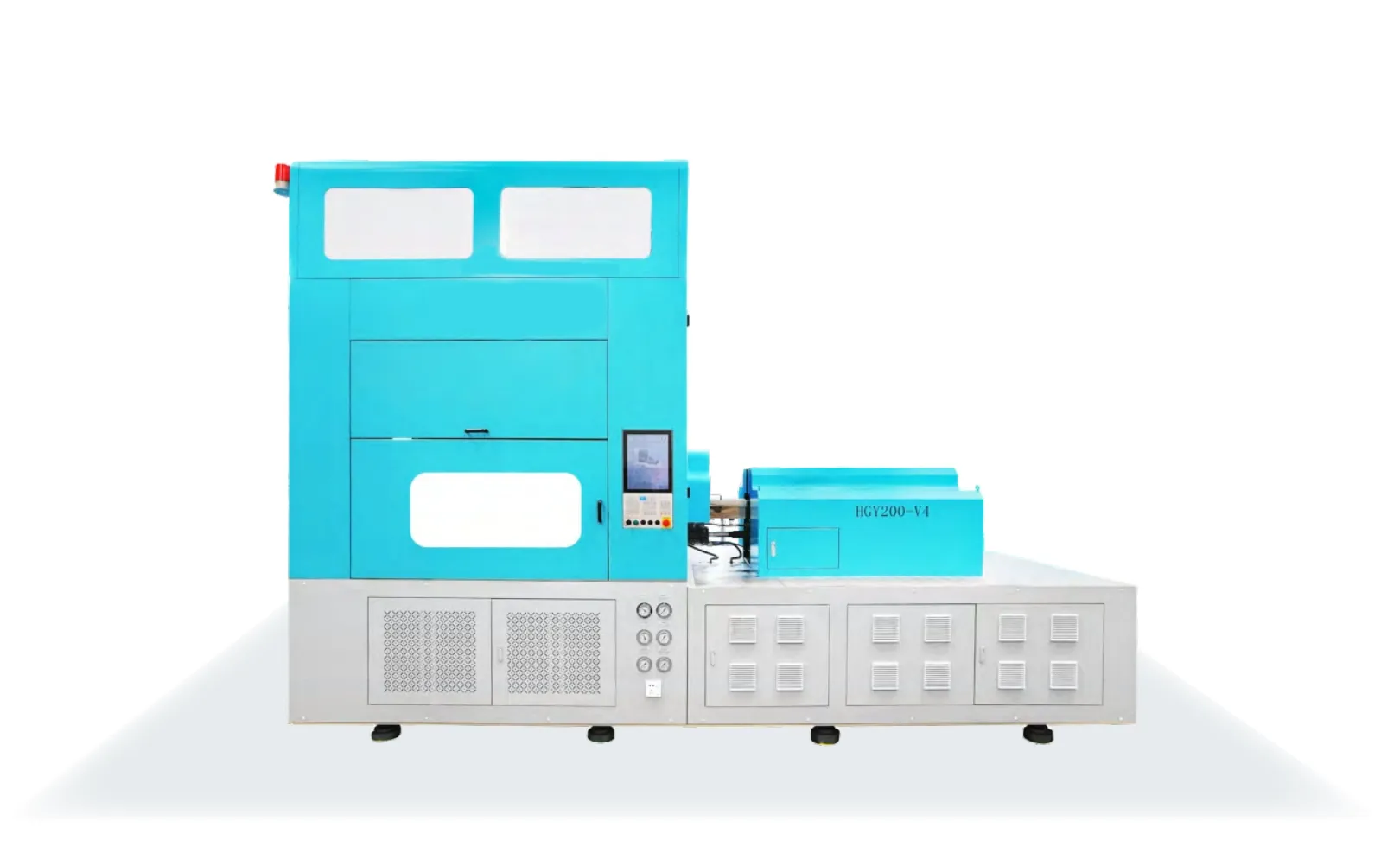
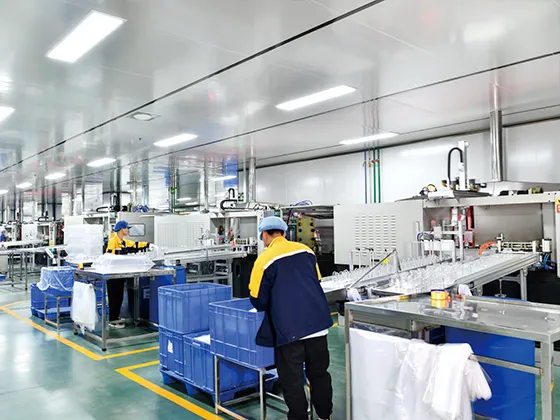
For oral liquid pharmaceutical bottle production across paediatric syrup, antibiotic suspension, and adult medicine formats in the 30ml–500ml volume range, the HGYS200-V4 four-station one-step ISBM machine provides the production platform that combines pharmaceutical precision with the multi-format flexibility that oral liquid product ranges require. The four-station design delivers consistent cavity-to-cavity CRC neck finish precision — all cavities simultaneously producing neck dimensions within the ±0.08mm tolerance range that ISO 8317 CRC qualification demands. The machine processes pharmacopoeial-grade PET with amber masterbatch capability (for photosensitive formulations), processes both standard PET and PETG for format-specific flexibility requirements, and accommodates the full range of oral liquid closure neck finishes from 28mm paediatric CRC through 33mm adult OTC closures and syringe adapter-compatible neck profiles. PLC process data logging with audit-trail recipe management generates the batch record documentation TGA GMP requires. Production rates of 3,500–8,000 BPH across standard oral liquid bottle formats support commercial oral liquid pharmaceutical filling line throughput.